
Lawn
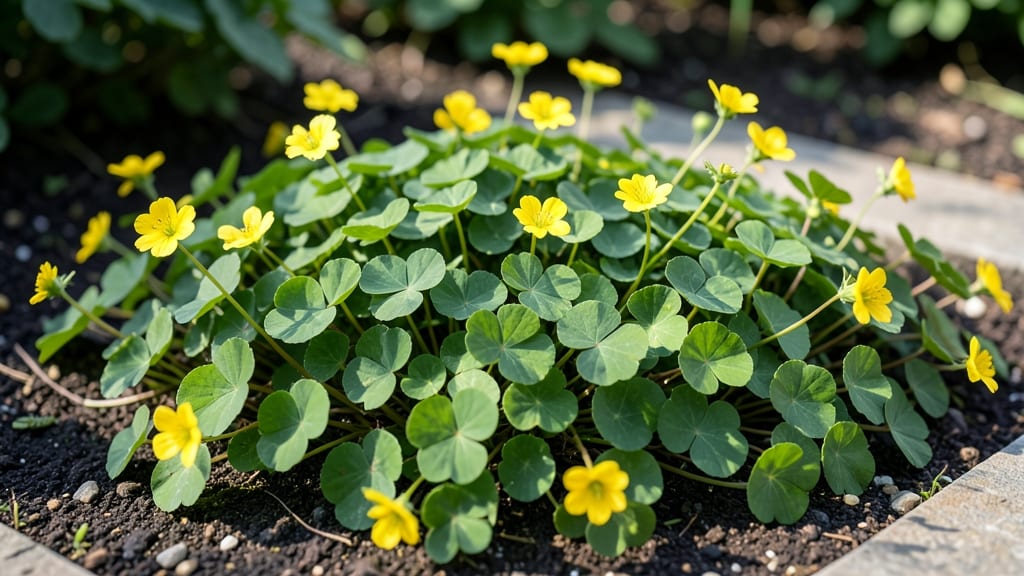
That stubborn creeping lawn weed with yellow flowers is the last thing you want ruining your perfect green carpet. 🌱 I’ve battled clover, oxalis, and dandelions in my own yard—each one spreading faster than I could pull them—and I’ve learned the most effective ways to stop them without harming your grass.
The worst offenders—like clover and oxalis—thrive in compacted soil and thin lawns. They don’t just look unsightly; they crowd out grass roots, leaving bare patches that invite more weeds. The good news? A few targeted strategies can turn the tide without harsh chemicals.
You’ll reclaim your lawn in 3-4 weeks with consistent effort—no more yellow blooms choking your turf. The key is a mix of manual removal, organic treatments, and smart lawn care that keeps weeds from staging a comeback. Works for any yard, from suburban lawns to small patches.
Let’s get those weeds out for good—without sacrificing your grass.
Root Causes Of Yellow-Flowered Lawn Invaders
That cheerful but pesky creeping lawn weed with yellow flowers (likely Microseris douglasii or Taraxacum officinale, aka dandelions) doesn’t just pop up out of nowhere—it thrives because of specific conditions in your yard.
Understanding why these weeds take over helps you tackle them effectively. Let’s dig into the science behind their success.
Weeds like dandelions and creeping oxalis (with their bright yellow blooms) often flourish when your lawn’s soil is unbalanced. Here’s why:
- Excess nitrogen: While nitrogen feeds grass, too much creates a "soft" lawn that weeds exploit. Creeping weeds thrive in loose, nutrient-rich soil where grass struggles to compete.
- Low potassium or phosphorus: These nutrients strengthen grass roots, making them more resistant to weeds. If your soil lacks them, weeds fill the gap.
- Compacted or poor-draining soil: Weeds love areas where water pools or soil is tightly packed. Grass roots suffocate, while weed seeds germinate easily in these conditions.
Actionable fix: Test your soil (kits from garden centers work) and amend with compost or a balanced fertilizer (like 10-10-10) to restore equilibrium.
Watering habits directly impact weed growth. Here’s how:
| Issue | Why It Helps Weeds |
|---|---|
| Overwatering | Weeds like dandelions and creeping charlie thrive in moist soil. Excess water dilutes soil nutrients, weakening grass and giving weeds an edge. |
| Underwatering | Shallow watering stresses grass, creating bare spots where weed seeds sprout. Weeds have deeper roots and survive drought better. |
| Inconsistent watering | Fluctuating moisture levels prevent grass from establishing deep roots, while weeds adapt to variable conditions. |
Actionable fix: Water deeply but infrequently (1–1.5 inches per week) and early in the morning to reduce evaporation and fungal risks.
Weeds move into gaps where grass is weak or missing. Common culprits:
- Foot traffic or pet damage: Compacted or trampled areas prevent grass from recovering, leaving space for weeds.
- Disease or pests: Fungal infections (like brown patch) or grubs can kill grass in patches, creating weed-friendly real estate.
- Poor seeding or sod installation: If grass doesn’t establish properly, weeds fill the void within weeks.
Actionable fix: Overseed bare spots with a disease-resistant grass variety suited to your climate, and aerate compacted areas to improve root growth.
Weeds don’t just grow—they plan for the future. Here’s how:
- Wind and water dispersal: Dandelion seeds travel miles on the wind, while creeping weeds spread via underground runners.
- Dormant seed banks: Weed seeds can lie dormant in soil for years (some up to a decade!) until conditions are perfect.
- Animal activity: Birds, squirrels, and even lawnmowers spread seeds unintentionally.
Actionable fix: Mow high (3–4 inches) to block sunlight from weed seeds, and remove weeds before they flower to prevent seed spread.
💡 Pro Tip: If your lawn has shady, moist, or high-traffic areas, these are prime weed hotspots. Adjust care routines (e.g., use shade-tolerant grass or reduce foot traffic) to outcompete invaders naturally.
Eradicate Yellow-Flowered Creepers Naturally
Tackling a lawn overrun by creeping weeds with bright yellow flowers (like microseris or dandelion lookalikes) doesn’t require harsh chemicals—just targeted, eco-friendly strategies. Below, we map the most common causes of these stubborn invaders to the best fixes, plus tips to keep them from staging a comeback. 🌱🔥
When your lawn is thin or patchy, weeds seize the opportunity like uninvited guests at a buffet. Fix it:
- 🔨 Thicken the turf: Overseed bare spots with a high-quality grass seed blend (choose one matched to your climate). Aim for dense coverage—weeds hate competition!
- 💧 Water deeply but less often: Encourage deep root growth (1–1.5 inches per week). Shallow watering stresses grass, making it vulnerable.
- 🌱 Mow high: Set your mower to 3–4 inches. Taller grass shades out weeds and crowds them out.
💡 Pro tip: Aerate compacted soil in spring/fall to let grass roots breathe—and block weed seeds from taking root.
Weeds thrive when lawns are malnourished or soil pH is off. Yellow-flowered creepers often signal excess nitrogen (burning grass) or acidic soil (pH < 6.0). Fix it:
- 📊 Test your soil: Use a DIY kit ($10) or send a sample to your local extension office. Ideal pH for lawns: 6.0–7.0.
- 🧪 Adjust pH naturally:
- For acidic soil (low pH): Sprinkle garden lime (calcium carbonate) in fall. Follow package rates.
- For alkaline soil (high pH): Mix in sulfur or peat moss in early spring.
- 🌿 Balance nitrogen: Switch to a slow-release organic fertilizer (like compost or alfalfa meal) instead of synthetic quick-release types.
✨ Bonus: Top-dress with compost (¼ inch) to improve soil structure and nutrients over time.
For small patches, physical removal works wonders—just do it right. Fix it:
- 🔪 Pull when soil is moist: Grab weeds at the base (where the taproot meets the soil). A weed puller or digging fork helps for stubborn roots.
- 🌡️ Smother with cardboard/mulch: Lay down wet cardboard or thick mulch (straw or wood chips) over infested areas. Block sunlight for 4–6 weeks to kill weeds without chemicals.
- 🗑️ Bag and dispose: Never leave pulled weeds on the lawn—they’ll regrow! Toss them in the trash (not compost, unless you’re sure they’re seed-free).
🎯 Warning: Avoid vinegar sprays near desirable plants—vinegar kills everything it touches.
Break the weed cycle with these low-maintenance habits:
- 🌱 Plant a living mulch: Mix clover or creeping thyme into your lawn. These ground covers suppress weeds and improve soil.
- ⏰ Time your seed: Overseed in early fall (when weeds are weak and grass grows fast).
- 🚫 Stop scalping: Never mow below 2 inches—this invites weeds and stresses grass.
- 🌿 Feed the soil: Annual applications of compost tea or worm castings outcompete weeds by boosting grass health.
💡 Remember: Weeds are nature’s way of telling you your lawn needs better care, not punishment. With patience and the right approach, your turf will outmuscle those yellow invaders for good!
Frequently asked questions
What are the most common yellow-flowered creeping weeds in lawns?
Look for clover, oxalis, dandelions, or creeping charlie—all spread via underground runners or seeds. Clover has trifoliate leaves, while oxalis forms heart-shaped clumps. Dandelions stand tall with jagged leaves and white milky sap.
How do I tell if my lawn weed is spreading via seeds or runners?
Check the base: weeds with underground stems (like creeping charlie) have horizontal runners, while seed-spreaders (like dandelions) have deep taproots. Pull a sample—if it snaps easily, it’s likely a runner.
Will mowing higher help stop yellow-flowered weeds?
Yes! Mowing at 3–4 inches shades out weeds by blocking sunlight. Taller grass also crowds out young weeds before they establish. Just avoid cutting more than ⅓ of the blade height at once to prevent stress.
Can I use corn gluten meal to prevent these weeds?
Corn gluten meal is a natural pre-emergent that blocks weed seeds from sprouting. Apply 20 pounds per 1,000 sq ft in early spring or fall, when weed seeds are germinating. It won’t kill existing weeds but stops new ones.
Why do my weeds keep coming back after treatment?
Dormant seeds in soil can survive for years—consistent care is key. Combine removal with soil improvement (compost, aeration) and proper watering to starve weeds long-term. Patience pays off!