
Lawn
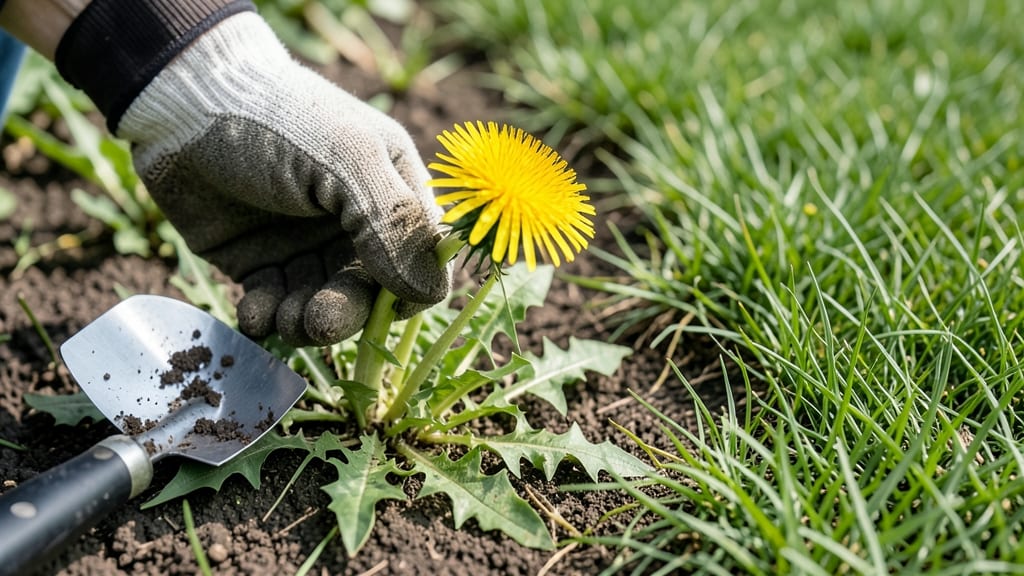
That first bright yellow flowered weed popping up in your lawn isn't just an eyesore—it's a sign your turf is fighting back. 🌱 I've spent years wrestling with dandelions, clover, and chickweed, and I know the frustration of watching them return season after season no matter how many times you pull them.
The good news? You don't need chemicals to win this battle. A sharp dandelion fork, proper timing, and a few cultural tweaks can give your grass the upper hand. I've seen lawns go from patchy and yellow to thick, green carpets in just one growing season with the right approach.
What you'll get is a lawn that stays weed-free longer, with fewer regrowth battles. The secret is understanding each weed's life cycle and attacking it at the right time—before it sets seed or spreads roots deeper.
Works for any climate, whether you're dealing with cool-season weeds in spring or summer invaders. Let's reclaim that lawn together!
Why Your Lawn Gets Overrun
If your lawn is suddenly dotted with cheerful yellow-flowered weeds, don’t assume it’s just bad luck—there’s usually a reason behind the invasion. Understanding the root causes (literally!) helps you tackle the problem at its source.
Below, we break down the most common triggers, from soil conditions to seasonal shifts, so you can take targeted action.
Weeds thrive where grass struggles—often because the soil lacks essential nutrients or has an unhealthy pH balance. Here’s how it plays out:
- Compacted Soil: Heavy foot traffic, machinery, or clay-heavy soil compresses the top layer, restricting oxygen and water access. Yellow-flowered weeds like dandelions and clover exploit these gaps, as their shallow roots can penetrate compacted zones more easily than grass.
- Low Organic Matter: Soil devoid of compost, decomposed leaves, or mulch lacks the organic material grass roots need to compete. Weeds, with their hardy seeds and rapid growth, outcompete nutrient-starved turf.
- pH Imbalance: Most lawn grasses prefer a pH between 6.0 and 7.0. If your soil is too acidic (<6.0) or alkaline (>7.0), grass weakens while weeds—especially broadleaf types—flourish. Test your soil with a DIY kit to confirm.
💡 Pro Tip: Amend compacted soil with gypsum (for clay) or compost, and adjust pH with lime (to raise pH) or sulfur (to lower it). Aerate annually to improve root penetration.
Watering habits directly impact weed growth. Too much or too little moisture creates the perfect conditions for yellow-flowered weeds to take over:
- Overwatering: Excess moisture drowns grass roots, suffocating them while weeds like chickweed or creeping Charlie (ground ivy) thrive in soggy conditions. It also encourages fungal diseases, further weakening your lawn.
- Underwatering: Shallow watering (e.g., quick sprinkles) only wets the top inch of soil, leaving deeper roots parched. Weeds with deep taproots (like dandelions) access moisture while grass wilts.
- Inconsistent Watering: Skipping days or watering at random times creates dry patches. Weeds germinate faster in disturbed, uneven soil.
🎯 Actionable Fix: Water deeply 1–2 times per week (early morning, 1–1.5 inches total) to encourage deep grass roots. Use a soaker hose or rain gauge to monitor consistency.
Your mowing routine (or lack thereof) can invite weeds into your lawn. Here’s how:
- Cutting Too Short: Scalping grass (mowing below 2.5–3.5 inches) stresses it, exposing bare soil where weeds germinate. Short grass also blocks sunlight, creating a shady microclimate weeds love.
- Skipping Mowing Altogether: Tall grass shades the soil, preventing germination of some weeds—but it also allows others (like yellow oxalis) to spread unchecked by competition.
- Thatch Layer Buildup: A thatch layer thicker than 0.5 inches traps moisture and blocks nutrients. Weeds exploit this barrier, while grass roots suffocate.
🔥 Quick Fix: Mow at the highest recommended setting for your grass type (check your seed bag), and sharpen blades to avoid tearing grass. Dethatch in spring if the layer exceeds ½ inch.
Some yellow-flowered weeds are opportunists, capitalizing on seasonal changes or environmental stress:
- Early Spring Germination: Weeds like henbit and dandelions sprout early when soil warms slightly, often before grass greens up. Their rapid growth outpaces slow-starting turf.
- Drought Stress: Prolonged dry spells weaken grass, creating gaps for weeds to invade. Yellow nutsedge, for example, thrives in drought-prone areas.
- Shade Changes: New trees, fences, or buildings cast deeper shade, slowing grass growth while shade-tolerant weeds (like clover) spread.
✨ Strategic Timing: Pre-emergent herbicides in early spring (before weed seeds sprout) and late summer (for fall germinators) can disrupt their life cycle. Overseed bare patches in early fall to outcompete weeds.
By addressing these root causes—whether it’s soil health, watering habits, or mowing practices—you’ll starve out unwanted yellow-flowered weeds and give your grass the competitive edge it needs. Next up: How to Identify and Remove Them.
Quick Fixes for Lawn Weeds
Yellow-flowered weeds can turn your lush lawn into a patchwork of frustration, but the good news is that you don’t need a degree in horticulture to tackle them. The key is understanding the why behind their growth and matching it with the right solution.
Below, we’ve broken down the most common causes of these pesky invaders and the best ways to eliminate them—plus tips to keep them from staging a comeback.
If your lawn stays soggy or you’re watering like a desert oasis (daily deep soaks), you’re creating the perfect conditions for weeds like dandelions or clover to thrive. These weeds love moisture and will pop up faster than your neighbor’s gossip.
#### How to Fix It:- 💧 Adjust Your Watering Schedule - Water deeply 2-3 times per week (early morning is best) instead of daily shallow sprinkles. - Aim for 1–1.5 inches of water per session—let the top inch of soil dry out between waterings.
- 🏗️ Improve Drainage - If your lawn floods after rain, aerate the soil in fall or early spring to loosen compacted areas. - For low spots, mix in sand or compost to help water drain away from roots.
- 🌿 Choose Drought-Tolerant Grass - Switch to tall fescue, Bermuda, or zoysia grass, which handle moisture fluctuations better than thin Kentucky bluegrass.
Install a rain gauge or use a smart sprinkler timer to avoid overwatering. Weeds can’t survive if your lawn stays healthy and dry enough!
Weeds move in when your grass is weak—whether from poor sunlight, nutrient deficiencies, or foot traffic. Yellow-flowered weeds like chickweed or henbit seize the opportunity to take over.
#### How to Fix It:- 🌿 Thicken Your Grass - Overseed bare spots in early fall with a high-quality cool-season grass seed (like ryegrass or fescue). - Apply a slow-release fertilizer (like 16-4-8) to give grass roots a boost.
- 🔦 Mow Higher - Set your mower to 3–4 inches to shade out weeds and encourage deep root growth.
- 🪴 Hand-Pull or Spot-Treat - For small patches, grab weeds at the base (including the taproot for dandelions). - Use a vinegar-based herbicide (5% acetic acid) for stubborn spots—just avoid spraying on grass.
Walk on wood-chip paths or gravel trails to reduce soil compaction. Compacted areas = weak grass = weed paradise.
Some weeds (like black medic or creeping Charlie) thrive in full sun, while others (like ground ivy) prefer shady corners. If your lawn is struggling in one area, the weeds will move in.
#### How to Fix It:- 🌳 For Shady Areas: - Plant shade-tolerant grass like fine fescue or St. Augustine. - Add a mulch layer (like pine straw) to block weed seeds from sprouting.
- ☀️ For Sunny Spots: - Install shade cloth (30–50% coverage) over problem areas to reduce weed growth. - Use pre-emergent herbicide (like trimec) in early spring to stop seeds from germinating.
Test your soil’s pH and nutrients—weeds often take over when grass lacks nitrogen or phosphorus. A simple $20 soil test kit can save you hours of guesswork!
If your lawn is already a weed buffet, sometimes a targeted herbicide is the fastest fix. But use them wisely!
#### How to Fix It:- 🔍 Identify First - Snap a photo and check a weed ID app (like PictureThis) before treating.
- 💊 Spot-Treat with Selective Herbicides - For broadleaf weeds (like dandelions), use 2,4-D or dicamba (follow label rates!). - For grassy weeds (like crabgrass), try mesotrione (common in tenacity).
- 🚫 Avoid Overuse - Pre-emergent in early spring prevents seeds from sprouting. - Post-emergent works on existing weeds—apply when they’re actively growing (not dormant).
Always wear gloves and a mask when handling herbicides, and keep pets/kids off treated areas for 24–48 hours.
The best way to beat yellow-flowered weeds? Make your lawn so healthy they can’t move in. Here’s how:
- 📅 Mow Regularly – Keep grass at 3–4 inches to block sunlight from weed seeds.
- 🍽️ Feed Smart – Use a balanced fertilizer (like 10-10-10) in early fall for root strength.
- 🧹 Clean Up Debris – Rake up leaves and twigs to remove weed seeds before they sprout.
- 🔄 Rotate Treatments – Alternate between organic (corn gluten meal) and chemical methods to prevent resistance.
Try corn gluten meal as a natural pre-emergent—it’s non-toxic and breaks down into fertilizer!
Frequently asked questions
Why do yellow-flowered weeds keep coming back even after I pull them?
Most yellow-flowered weeds like dandelions and clover produce thousands of seeds that can remain dormant in the soil for years. Even if you remove the plant, those seeds will germinate when conditions are right. The key is to pull them before they flower and seed, and improve your lawn's health so grass outcompetes them.
Is it safe to use vinegar to kill yellow-flowered weeds in my lawn?
Vinegar (especially 5% acetic acid) can kill weeds, but it's not selective—it will also damage your grass. For spot treatment, use it carefully on small patches or use a vinegar/herbicide mix designed for lawns. Always test a small area first and avoid treating when grass is stressed or dormant.
How can I tell if my yellow-flowered weed is a dandelion or something else?
Dandelions have bright yellow flowers that turn into puffball seed heads, while other common yellow-flowered weeds like black medic have clover-like leaves and yellow flowers that don't form puffballs. Chickweed has small white flowers and smooth stems. Use a weed ID app or compare leaves/flowers to reference photos for accurate identification.
Will corn gluten meal really prevent weeds from growing?
Yes! Corn gluten meal contains natural compounds that block weed seed germination when applied in early spring or fall. It also adds nitrogen to your soil as it breaks down. For best results, apply 20 pounds per 1,000 sq ft when weeds are dormant, and water it in well.
Can I just let yellow-flowered weeds grow and mow them down?
Mowing alone won't eliminate weeds—it just keeps them from seeding. While some weeds may weaken, others like dandelions will spread aggressively. The best approach is to combine mowing with proper lawn care (fertilizing, overseeding, and occasional spot treatment) to create conditions where grass thrives and weeds struggle.