
Lawn
Tire ruts in your lawn don’t have to be permanent. These 10 proven solutions—ranging from quick fixes to long-term cultivation strategies—will help restore your grass to a smooth, even surface while keeping it healthy and resilient.
Topdressing with Compost and Sand Mixture
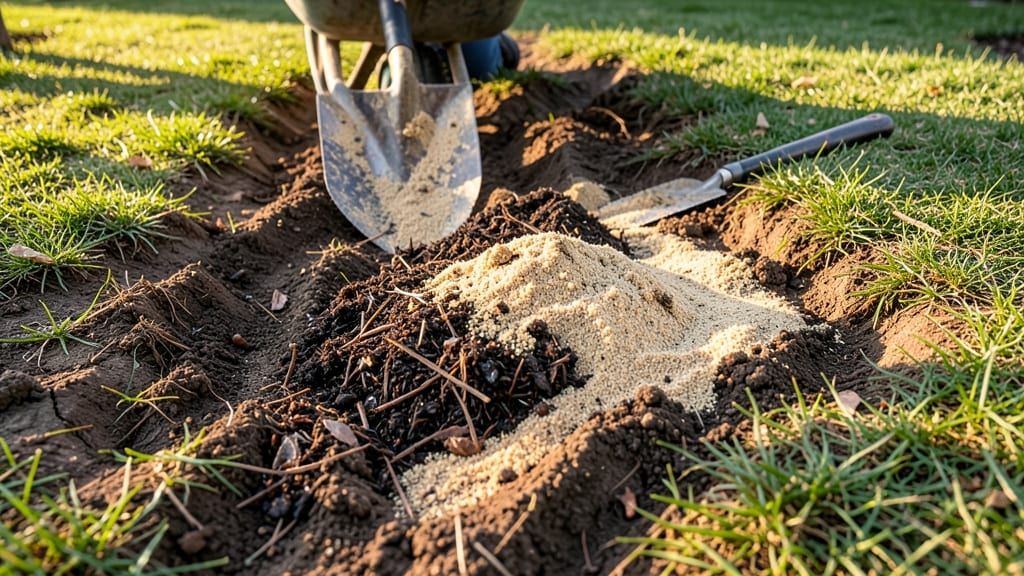
Tired of staring at those unsightly tire ruts in your lawn? A compost and sand mixture is your secret weapon for a smooth, lush surface without drastic measures. This natural blend works slowly but effectively to fill depressions while boosting soil health—no heavy machinery required.
Start by mixing equal parts compost (for organic matter) and coarse sand (for drainage). Spread a thin layer—about ¼ inch—over the ruts using a rake, then water thoroughly. The compost breaks down over time, leveling the area naturally, while the sand prevents compaction. For best results, apply this method in early spring or fall when grass is actively growing.
This approach is perfect for homeowners who want a low-cost, eco-friendly solution that improves both appearance and lawn vitality. It’s especially great for areas with clay-heavy soil or frequent traffic. 🌱
Overseeding Bare Spots with Ryegrass

Tired of staring at those unsightly tire ruts in your lawn? Ryegrass is your secret weapon—it germinates in just 5-7 days, outpacing most grass seeds and filling those bare spots faster than you can say "lawn roller." Unlike slow-growing options, ryegrass creates a temporary but lush green carpet that stabilizes soil and prevents erosion while you work on deeper fixes.
For best results, overseed after aerating to ensure good seed-to-soil contact. Use a light layer of compost to hold seeds in place, then water gently twice daily until germination. Ryegrass thrives in cool seasons (fall or spring), making it ideal for quick repairs before summer heat sets in. Its fine texture blends seamlessly with existing turf, so you won’t see an awkward patchwork of different grass types.
Perfect for homeowners who want a fast, low-cost fix without the hassle of replanting entire lawns. Just remember: ryegrass is a cool-season annual, so plan to overseed with permanent grass seed in spring once it’s done its job. 🌱
Using a Lawn Rake for Leveling
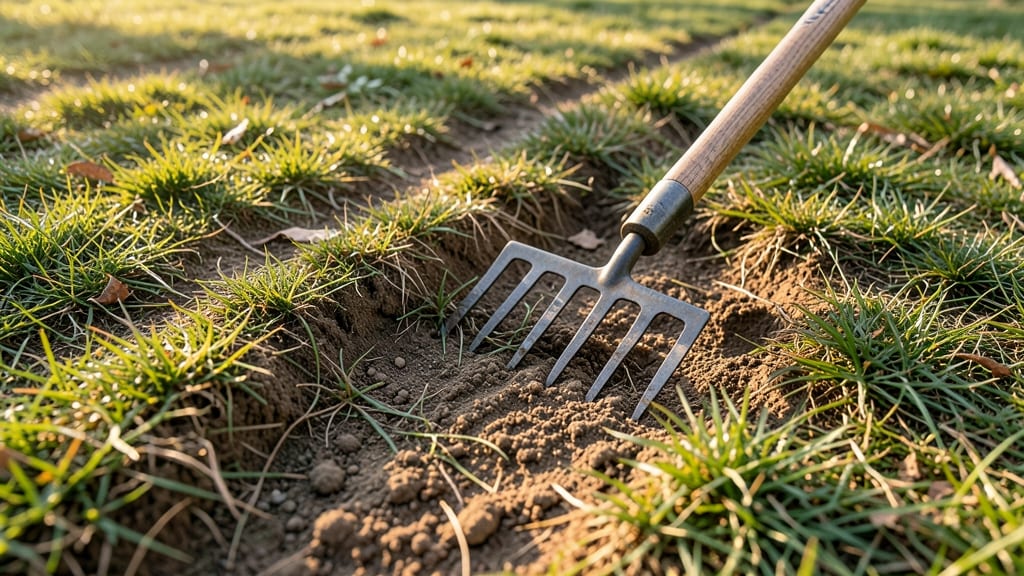
When your lawn has shallow tire ruts that refuse to smooth out on their own, a simple lawn rake might be your best tool. Unlike heavy machinery, this manual method gently breaks up compacted soil while redistributing it naturally—no chemicals or extra materials needed.
Start by raking the rut in a back-and-forth motion to loosen the soil, then drag the rake perpendicular to the rut to push soil from the sides into the depression. Work in dry conditions to avoid clumping, and repeat until the surface is level. This method works best for minor ruts under 1 inch deep and won’t damage existing grass roots.
Perfect for homeowners who prefer hands-on fixes, this technique is budget-friendly and requires just 15-30 minutes per section. It’s also ideal for small patches where larger tools would be overkill. 💪
Aerating Compacted Soil Areas
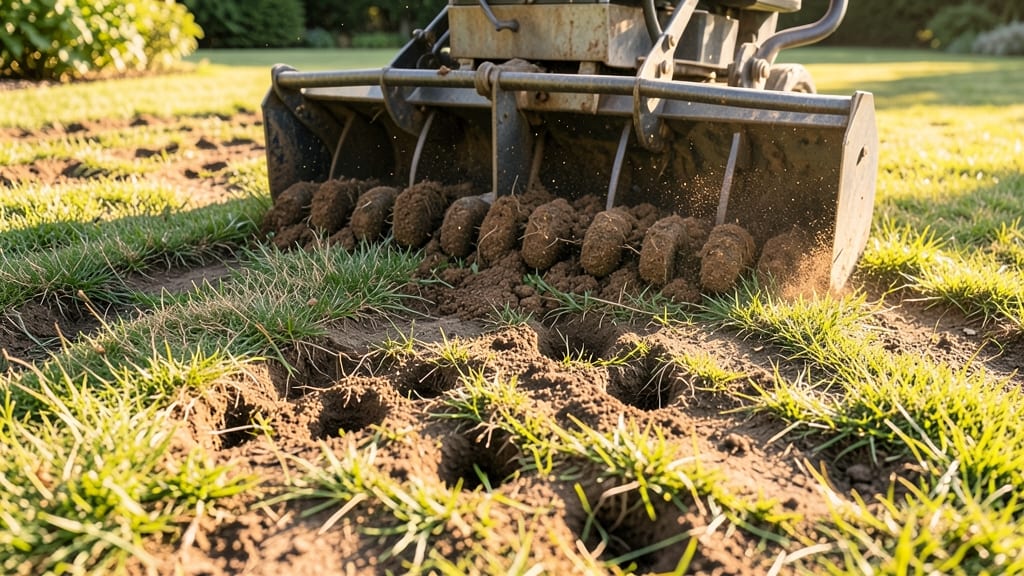
If your lawn has deep tire ruts that won’t respond to raking or topsoil alone, aeration is the game-changer you need. This process creates small holes in compacted soil, breaking up the dense layer that blocks water and nutrients—just like giving your grass roots a breath of fresh air.
Use a core aerator (rent or buy) to pull out small soil plugs, then fill the holes with compost or sand to improve drainage. For best results, aerate when the soil is slightly moist but not soggy, ideally in early fall or spring when grass is actively growing. This method works best for deep ruts where other fixes fall short.
Lawns with heavy foot traffic or clay soil benefit most from aeration, as it prevents future rutting while jumpstarting recovery. With patience, your grass will bounce back stronger than ever. 💪
Applying a Thin Layer of Topsoil
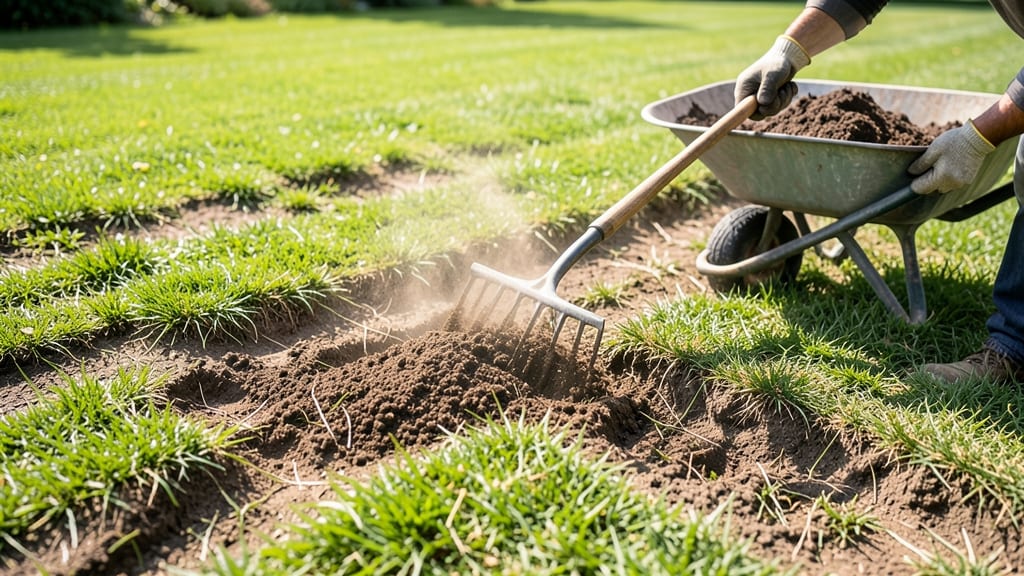
When those moderate tire ruts in your lawn seem stubborn, a thin layer of topsoil can work like a miracle cure—without the heavy machinery or long recovery time.
Spread just ½ to ¾ inch of high-quality topsoil over the affected areas, then lightly rake it to blend with the existing soil. This nutrient-rich layer levels the surface while providing the perfect foundation for grass to regrow. Water thoroughly after application to help the soil settle and encourage root establishment. For best results, choose loamy topsoil with good drainage to prevent future compaction.
This method is ideal for homeowners who want a fast, cost-effective solution without the hassle of aeration or overseeding. Just be sure to tackle ruts when your lawn is actively growing—spring or early fall—for the quickest recovery. 🌱
Installing a Temporary Pathway
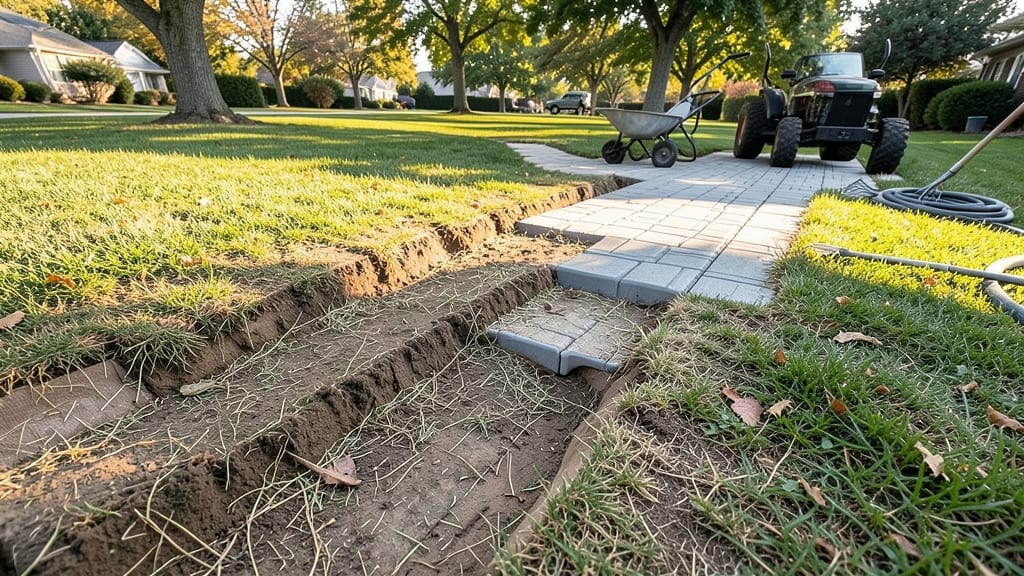
If your lawn already has unsightly tire ruts from vehicles or equipment, a temporary pathway is the simplest way to stop them from worsening. Instead of repairing damage after it happens, this proactive approach redirects traffic to a designated area, saving your grass from further compaction.
Use gravel, crushed stone, or wood chips for a durable, permeable path that drains well and blends with your landscape. Mark the path edges with landscape fabric to prevent spreading, then lay down 2-3 inches of material. For a more natural look, try mulch mats or stepping stones—both work well for light vehicle use. This method is especially useful for homeowners with frequent lawn maintenance or those storing equipment outdoors.
Homeowners with high-traffic areas or frequent vehicle use will see the most benefit from this approach. It’s also a great solution for renters or those who want to avoid permanent changes to their lawn. 🌻
Using a Lawn Roller for Leveling
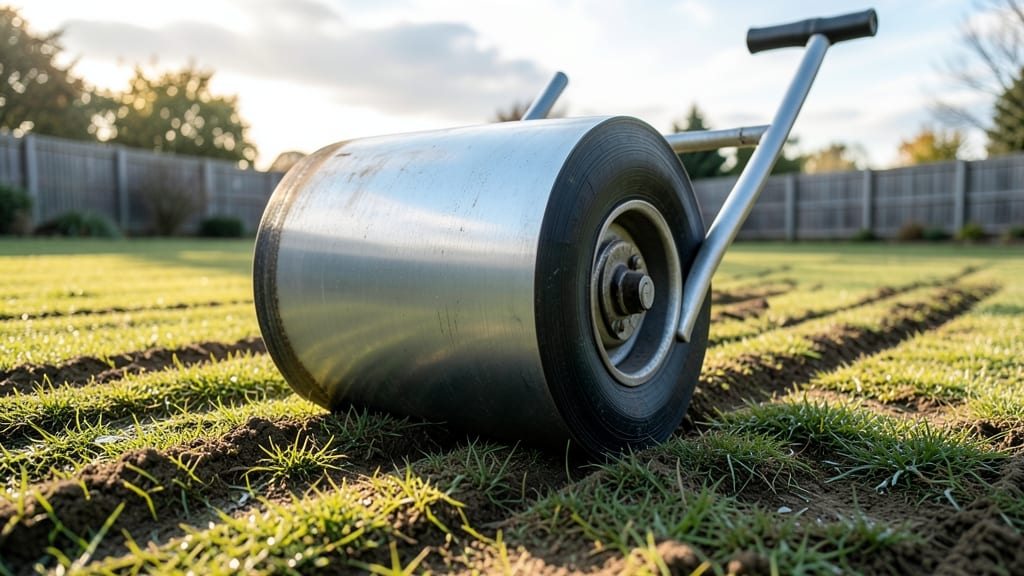
A lawn roller is your secret weapon for tackling large, flat areas where tire ruts have turned your grass into a bumpy terrain. Unlike manual raking or spot treatments, this tool provides even compaction across wide sections, smoothing out uneven surfaces with minimal effort.
For best results, work when the soil is moist but not soggy—this allows the roller to press the soil into place without creating hardpan. Start at the lowest point of the rut and roll outward, overlapping passes slightly. Avoid rolling when the grass is dry, as this can damage roots. This method is ideal for preparing seedbeds or leveling lawns before overseeding.
Homeowners with expansive lawns or those prepping for new grass will find this tool a game-changer. Just remember: patience is key—don’t rush the process for the smoothest finish. ✨
Planting Clover or Creeping Thyme
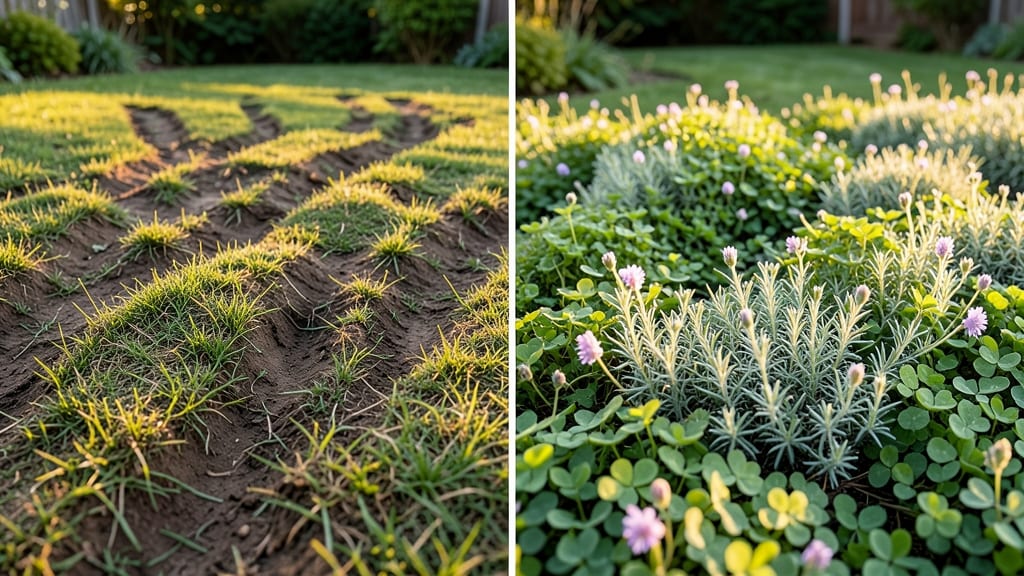
Tired of tire ruts ruining your lawn’s smooth look? Instead of struggling with grass repairs, try clover or creeping thyme—these drought-resistant ground covers naturally fill ruts while adding beauty and texture to your yard.
Both plants thrive in full sun to partial shade and require minimal care once established. Clover spreads quickly, fixes nitrogen in the soil, and blooms with white flowers, while creeping thyme offers fragrant foliage and purple flowers. They suppress weeds, reduce erosion, and stay green even when grass struggles in dry conditions.
Perfect for homeowners who want a low-maintenance, eco-friendly solution that blends seamlessly with existing lawns. 🌿
Applying a Grass Seed and Fertilizer Mix
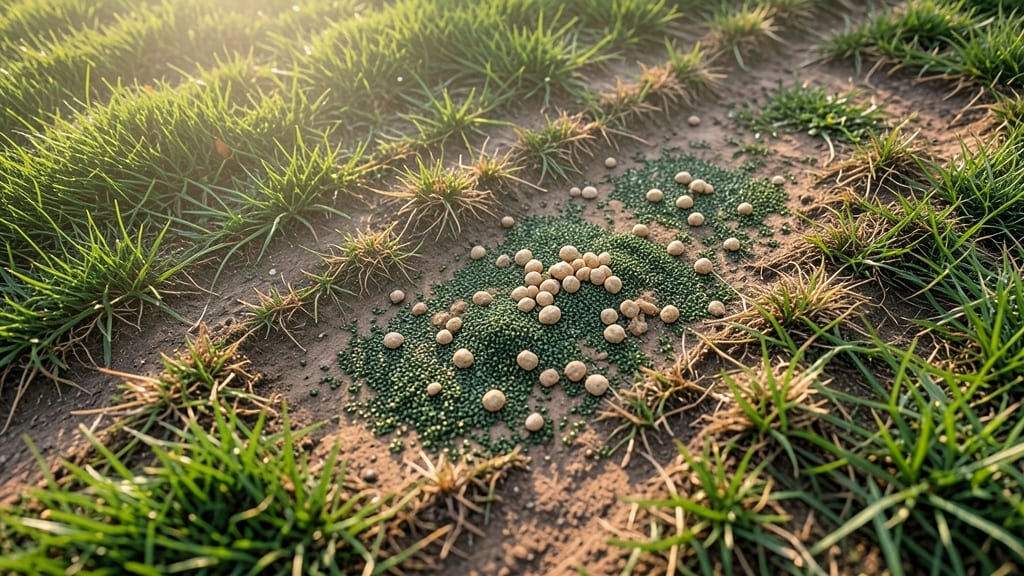
When your lawn shows signs of tire ruts, the fastest way to revive it is by combining grass seed with slow-release fertilizer—this dynamic duo works together to jumpstart root growth and fill in bare patches. Unlike standalone seeds or fertilizer, this mix provides immediate nutrients while encouraging deep root development, which is crucial for repairing compacted soil.
Start by choosing a high-quality grass seed blend suited to your climate (cool-season for northern regions, warm-season for southern areas). Pair it with a balanced fertilizer (10-10-10 or 16-4-8 ratio) to promote both top growth and root strength. Spread the mixture evenly over the ruts using a broadcast spreader, then lightly rake to ensure good seed-to-soil contact. Water gently but thoroughly daily for the first 2 weeks to keep the soil moist—this is critical for germination and root establishment.
This method is ideal for homeowners dealing with moderate to severe ruts who want visible results within 3-4 weeks. The fertilizer kickstart ensures your new grass outcompetes weeds, giving you a lush, even lawn without the need for additional treatments. 💪
Preventing Future Ruts with Mulch Mats

Tired of watching your lawn develop unsightly tire ruts every season? Mulch mats offer a game-changing, long-term solution that protects your grass from heavy equipment and vehicle traffic—without the guesswork of repairs.
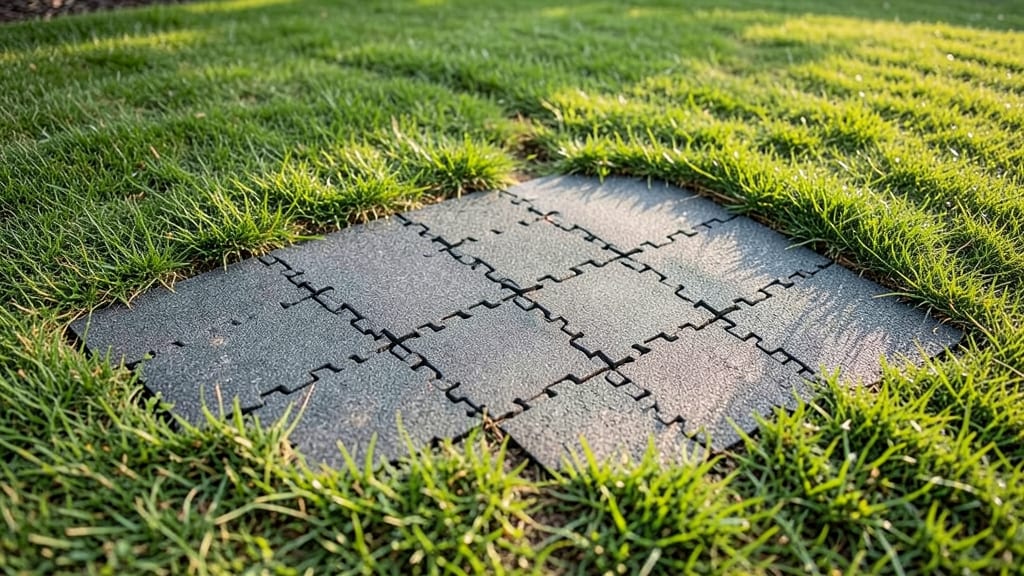
These durable, interlocking mats (made from rubber or plastic) spread weight evenly across your lawn, preventing soil compaction and rut formation. They’re especially useful for areas where you park lawnmowers, ATVs, or garden tools. Simply lay them down before parking, and remove them afterward—no digging or soil disturbance required. Best of all, they’re reusable for years, making them a cost-effective investment for frequent lawn maintenance.
Perfect for homeowners with frequent equipment use or gardeners who want to preserve their lawn’s integrity, mulch mats turn potential damage into a preventable problem. 💪