
Lawn
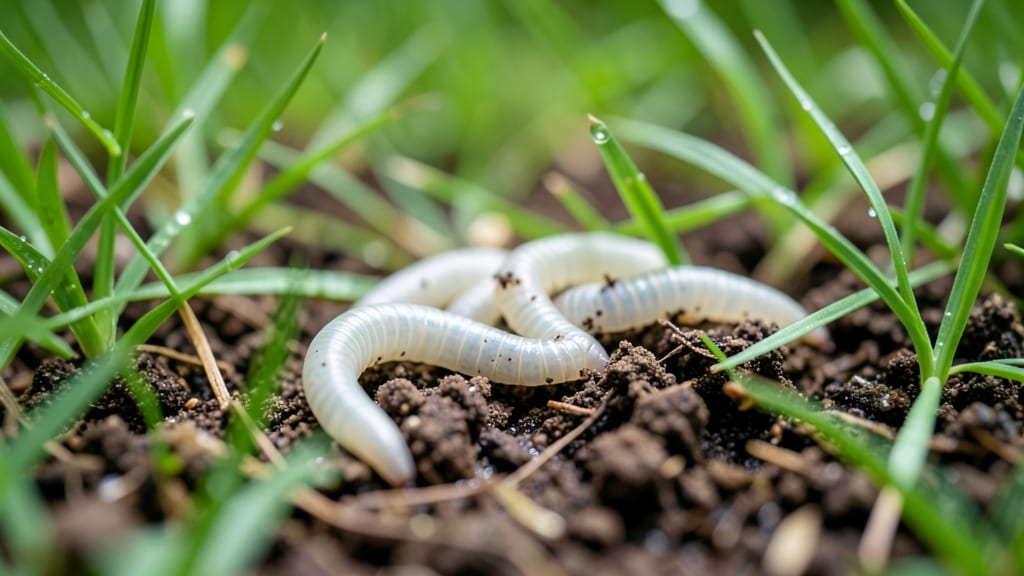
White worms in your lawn aren't just creepy—they're often grubs munching on roots and turning your yard into a buffet. 🌱 Honestly, I've pulled up more sod than I'd like to admit trying to spot these little pests, but there's a natural way to handle them without harsh chemicals that harm your grass.
The problem starts when these grubs—larvae of beetles like Japanese beetles or June bugs—chew through roots, leaving brown patches that feel spongy when you walk on them.
Most people reach for pesticides, but I've found that milky spore (a natural bacteria) and beneficial nematodes work just as well over time, without the chemical fallout. You'll see healthier grass within 4-6 weeks of treatment, with fewer patches and stronger root systems.
The key is acting fast—once the grubs are gone, your lawn recovers faster than you'd expect, and you avoid the need for reseeding. Works for any lawn type, from shady backyards to sunny front yards. Here's how to identify, treat, and prevent future infestations—naturally.
What Triggers White Worms
Those creepy crawlies—likely white grubs or cutworms—don’t just appear out of nowhere. Their invasion is usually a response to specific conditions in your lawn. Understanding these triggers helps you address the root cause and prevent future outbreaks.
Let’s break down the key factors that turn your lawn into a buffet for these pests.
White grubs, the larvae of beetles like the Japanese beetle or June bug, thrive in moist, soft soil.
If your lawn stays soggy for too long—whether from overwatering, poor drainage, or heavy rainfall—you’re creating the perfect nursery for them. Why? Excess moisture keeps the soil loose and aerated, making it easier for grubs to burrow and feed on grass roots.
💡 Pro Tip: Test your soil’s drainage by digging a small hole (6 inches deep) and filling it with water. If it drains in less than 4 hours, you’re good. If it pools for hours, consider aerating or amending the soil with sand or compost to improve drainage.
Grubs love lush, fast-growing grass—especially when it’s been overfed with nitrogen-rich fertilizers. While nitrogen promotes green growth, it also makes grass roots softer and more appetizing to grubs. How? High nitrogen levels stimulate shallow root growth, which grubs can easily munch through, weakening your lawn’s resilience.
📊 Actionable Fix: Switch to a slow-release, balanced fertilizer (e.g., 16-4-8 or 12-12-12) and apply it in smaller, frequent doses rather than heavy applications. Avoid fertilizing in late summer or fall, when grubs are most active.
Thatch—a layer of dead grass, roots, and debris—can act like a cozy blanket for grubs. It retains moisture, provides shelter, and offers a direct food source (decaying organic matter). Worse yet: Thatch traps heat and humidity, accelerating grub development.
🔥 Solution: Dethatch your lawn in early spring or fall using a vertical mower or rake. Aim for a thatch layer no thicker than ½ inch. Pair this with proper mowing (never cut more than ⅓ of the blade height) to prevent buildup.
Grubs don’t just hatch from thin air—they come from eggs laid by adult beetles. Species like the Japanese beetle or May/June beetle lay eggs in lawns during warm months (May–July). If your neighbors’ yards (or nearby trees/fields) host these beetles, their eggs will eventually turn into grubs in your lawn.
🌳 Prevention Strategy:
- 🔍 Monitor adult beetle activity: Check for swarms around dusk near trees or flowering plants (beetles are attracted to pollen).
- 🕊️ Use traps strategically: If beetles are a known issue in your area, place beetle traps (like pheromone traps) far from your lawn—they can attract more beetles if placed too close!
- 🌿 Encourage natural predators: Birds (like robins and starlings), toads, and predatory beetles feed on grubs. Leave some leaf litter or plant native flowers to support these helpers.
Grubs are cold-blooded and love warmth. In regions with hot, humid summers (like the Southeast or Midwest), their life cycle accelerates. Eggs hatch faster, larvae grow bigger, and they cause more damage before winter. Even in cooler climates: Grubs can still survive if the soil stays warm (e.g., from mulch or black plastic tarps).
✨ Climate Workaround:
- ⏰ Time your lawn care: Aerate and overseed in early fall (when soil is warm but cooling) to disrupt grub activity.
- 🌡️ Mulch wisely: Use thin layers of mulch (1–2 inches) and opt for straw or wood chips over plastic or thick bark, which can trap heat.
Natural Ways to Eliminate Lawn Worms
Discovering white worms wriggling in your lawn can be unsettling, but the good news is you can tackle them effectively without harsh chemicals. The key is identifying the root cause—whether it’s grubs, cutworms, or other soil-dwelling pests—and applying targeted, eco-friendly solutions.
Below, we break down the best fixes for each scenario, along with prevention tips to keep your lawn healthy long-term.
Before treating, confirm whether you’re dealing with:
- Grubs (C-shaped, white, ½-inch long, often found near roots)
- Cutworms (Smooth, pale, and segmented, usually active at night)
- Earthworms (Reddish-brown, beneficial, rarely a problem)
Pro tip: 💡 If you’re unsure, dig up a small section of turf and place it in a bucket of soapy water. Worms will surface within minutes for easy ID.
1. Encourage Natural Predators 🐛🐦
Grubs are a buffet for birds, toads, and beneficial nematodes.
Boost their presence with: - Bird-friendly habitats: Install a shallow water dish or birdhouse to attract robins and starlings, which feast on grubs. - Release beneficial nematodes (Heterorhabditis bacteriophora): These microscopic worms infect grubs naturally. Apply in early evening with a hose-end sprayer after watering the lawn.
2. Organic Milky Spore Treatment 🌱
Milky spore (Bacillus popilliae) is a bacteria that targets Japanese beetle grubs (a major lawn pest). Spread it in late summer or early fall when grubs are young. Results take 1–2 years but provide long-term control.
3. DIY Grub-Free Lawn Care 🌿
- Aerate your lawn in fall to expose grubs to birds and improve soil health.
- Overseed thin areas with cool-season grasses (like fescue or ryegrass) to crowd out grubs.
- Reduce synthetic fertilizers, which attract Japanese beetles—the grubs’ parents.
1. Handpick or Drown Them 🌙💦 Cutworms hide near the soil surface at night.
After dark, shine a flashlight and: - Pick them off with gloves and drop them in soapy water. - Use a board trap: Lay a flat board on the lawn overnight; worms will crawl underneath. Shake them into a bucket of soapy water in the morning.
2. Apply Diatomaceous Earth (Food-Grade) 🏺
Sprinkle food-grade diatomaceous earth lightly over the lawn. It dehydrates cutworms without harming plants or pets (reapply after rain).
3. Plant Repellent Herbs 🌿
Cutworms dislike strong-smelling plants. Interplant your lawn with:
- Garlic
- Mint
- Marigolds
- Chives
🌡️ Maintain a Healthy Lawn Ecosystem
- Water deeply but infrequently (1–1.5 inches per week) to discourage grubs.
- Mow high (3–4 inches) to shade soil and reduce egg-laying spots.
- Test soil pH (aim for 6.0–7.0); acidic soil attracts grubs.
✨ Seasonal Prevention Checklist
| Season | Action | Why It Works |
|---|---|---|
| Spring | Apply milky spore or nematodes | Targets young grubs before they multiply. |
| Summer | Handpick cutworms nightly | Stops them from chewing plants at ground level. |
| Fall | Aerate + overseed | Strengthens grass to resist infestations. |
| Winter | Leave grass clippings (if organic) | Provides habitat for beneficial insects. |
- Avoid chemical pesticides (they kill beneficial insects too).
- Don’t overwater—soggy soil attracts grubs.
- Skip the rake if worms are earthworms (they’re helpful!).
With these natural methods, you’ll banish white worms from your lawn while keeping your yard lush and chemical-free. 🌱💚 The key is consistency—combine prevention with targeted treatments for the best results.
Frequently asked questions
Are white worms in my lawn always harmful?
Not all white worms are pests! Earthworms (reddish-brown) actually improve soil health by aerating it. The harmful ones—like grubs or cutworms—are usually white or pale yellow and feed on grass roots. Always confirm the type before treating.
How can I tell if white worms are damaging my lawn?
Look for spongy patches that pull up easily, yellowing grass, or increased mole activity. Dig up a small section—if you see more than 5-10 grubs per square foot, it's time to act. These signs appear when roots are already compromised.
Will milky spore work if my lawn already has grubs?
No—milky spore prevents future infestations by targeting young grubs, but it won't kill existing ones. For current grubs, use beneficial nematodes or handpick them first, then apply milky spore for long-term control during the next beetle season.
Can I use vinegar to kill white worms?
Vinegar won't effectively kill grubs or cutworms and could harm your grass. Instead, use food-grade diatomaceous earth or neem oil (for cutworms). These target pests without damaging plants when applied correctly.
How long does it take to see results after treatment?
With natural methods like nematodes or milky spore, you'll typically see improvement in 4-6 weeks as existing grubs die and new growth fills in. For immediate fixes (like handpicking), results appear within 24-48 hours—just be consistent with prevention.