
Lawn
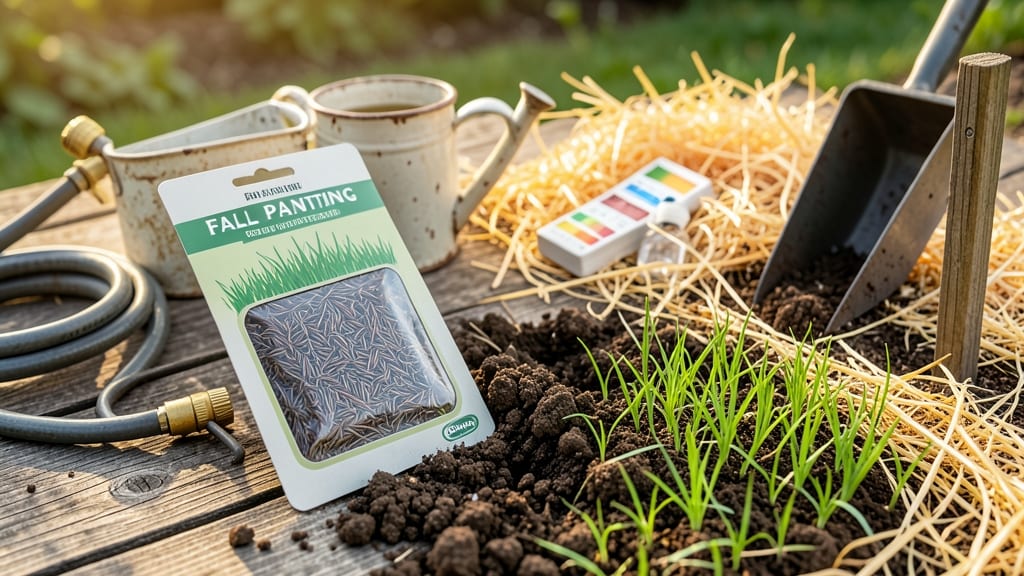
Reseeding lawn in the fall is the secret to a thick, green carpet by next spring — but timing it wrong can leave you with bare patches or wasted seed.
You’ve probably heard "fall is the best time," but without knowing exactly when, you risk planting too early when weeds take over or too late when frost stops germination.
The truth? Soil temperatures between 60°F and 75°F are the sweet spot for most regions, and missing that window means weaker roots before winter.
This guide breaks down the ideal months for your climate zone, how to test soil temps, and the 5 mistakes that ruin even the best-laid plans. Whether you’re in Zone 6a or further south, you’ll know precisely when to act for a lawn that looks like a pro’s work.
Skip the guesswork: learn how to prep your soil, pick the right seed, and keep new grass thriving until spring — without the frustration of patchy results.
Optimal soil temperature ranges for fall reseeding success
Fall reseeding thrives when soil temperatures hover between 60°F and 75°F—this cooler range triggers slower, deeper root growth while avoiding summer heat stress. Grass seeds like Kentucky bluegrass and tall fescue germinate best in these conditions, outpacing weeds that struggle in cooler weather.
The key is timing: plant too early, and summer weeds take over; too late, and frost halts germination.
Why does cooler soil work better? Germination rates improve because seeds conserve moisture longer in moderate temperatures, while established roots strengthen before winter dormancy. Think of it like tucking your lawn in for a successful hibernation—roots grow deep, storing energy for spring.
This window typically spans 4-6 weeks before your region’s first frost.
Testing soil temperature is simple: use a soil thermometer (available for $10-$15) or check the air temperature at dawn—soil temps lag about 2-3°F behind. For example, if morning air is 65°F, your soil is likely 62-63°F.
Pro tip: Early morning readings are most accurate, as afternoon sun can skew results by 5-10°F.
Regional variations matter! In USDA Zones 3-5 (northern climates), aim for late August to early September when soils cool to 65-70°F. Southern zones (Zones 7-10) can wait until September-October, targeting 60-68°F soils.
Urban areas may run 5-10°F warmer than rural zones due to heat islands, so adjust your timeline accordingly.
| Climate Zone | Ideal Soil Temp (°F) | Best Planting Window | Key Grass Types |
|---|---|---|---|
| Zones 3-5 (Cold) | 65-70°F | Late August–Early September | Kentucky Bluegrass, Fine Fescue |
| Zones 6-7 (Temperate) | 60-68°F | Mid-September–Early October | Tall Fescue, Perennial Ryegrass |
| Zones 8-10 (Warm) | 58-65°F | October–Early November | Bermuda Grass, Zoysia |
| Urban Heat Islands | 60-72°F (adjust +5°F) | 1-2 Weeks Earlier | All Types (Monitor Closely) |
Your last frost date is your deadline—plant 4-6 weeks before it to ensure roots establish before winter. For example, if frost hits November 15, seed by October 1.
Cool-season grasses (bluegrass, fescue) handle light frost better than warm-season types (bermuda, zoysia), which need warmer soil to germinate.
Microclimates play a role too. North-facing slopes stay cooler longer, while south-facing areas may need earlier seeding. Test multiple spots in your yard—if one area’s soil hits 70°F while another is 60°F, adjust your timeline. Shady spots often stay cooler, delaying germination by 1-2 weeks compared to sunny areas.
Once seeded, maintain consistent moisture—soil should stay evenly damp (not soggy) for 2-3 weeks post-planting. Use a light mulch (straw or peat moss) to retain moisture and shield seeds from temperature swings.
Avoid heavy mulch, which can smother seedlings. Water early morning to prevent fungal growth from evening dampness.
Fall’s cooler temps also suppress weeds, giving your new grass a competitive edge. Weeds like crabgrass struggle to germinate below 65°F, while your lawn seeds thrive.
This natural weed control is one reason fall reseeding yields thicker, greener lawns with less effort. Just remember: soil temp > air temp for accurate timing!
If you miss the ideal window, don’t panic—early spring (March-April) is a secondary option, though germination is slower in warmer soils. Spring-seeded lawns often lag behind fall plantings by 4-6 weeks in establishment.
For best results, mark your calendar now: test soil temps weekly starting in late summer to catch that perfect 60-75°F sweet spot.
🌱
USDA climate Zone map: best fall reseeding months by region
Your USDA climate zone determines the perfect window for fall lawn reseeding. In Zone 3-4 (northern states), aim for late August to early October—soil temps drop faster, so act early.
Meanwhile, Zone 7-9 gardeners have until mid-November before winter dormancy kicks in. Microclimates (like urban heat islands) can shift deadlines by 2-3 weeks, so test your soil temperature with a thermometer.
Miss the window? Seeding too late risks frost damage before roots establish. In Zone 5-6, the ideal window is mid-September to mid-October, balancing cool temps and moisture.
For coastal areas (e.g., Pacific Northwest), milder winters extend deadlines to early December. Always check your first frost date—plant 4-6 weeks before it for best results.
| USDA Zone | Best Months | Soil Temp Goal | Key Notes |
|---|---|---|---|
| Zones 3-4 | Late August–Early October | 55–65°F | Short window—act by mid-September. |
| Zones 5-6 | Mid-September–Mid-October | 60–70°F | Goldilocks zone—cool but not frozen. |
| Zones 7-8 | Late September–November | 65–75°F | Warmer climates allow later planting. |
| Zones 9-10 | October–Early December | 70–75°F | Mild winters extend the season. |
| Coastal/Microclimates | Adjust ±2–3 weeks | Varies | Urban areas stay warmer—test soil temps! |
For northern states (Zones 3-4), prioritize late August seeding—soil stays warm enough for germination but cools before frost. In southern regions (Zones 9-10), October is ideal to escape summer heat stress.
Pro tip: Ryegrass thrives in cooler zones, while Bermuda suits warmer climates. Always match your grass type to your zone for best results.
Don’t ignore microclimates! Urban areas with concrete or pavement can trap heat, delaying frost by weeks. Test your soil temperature at 6 inches deep—ideal range is 60–75°F. If temps drop below 50°F, germination stalls. Use a soil thermometer ($10 at garden centers) to avoid costly mistakes.
Missed the window? Spring reseeding is possible but riskier—weeds compete fiercely, and establishment takes longer. Fall’s cooler temps and consistent rainfall give seedlings the edge. Mark your calendar now: Zone 5?
Aim for September 20th. Zone 8? October 15th is your deadline. Timing is everything for a thick, green lawn next spring! 🌱