
Lawn
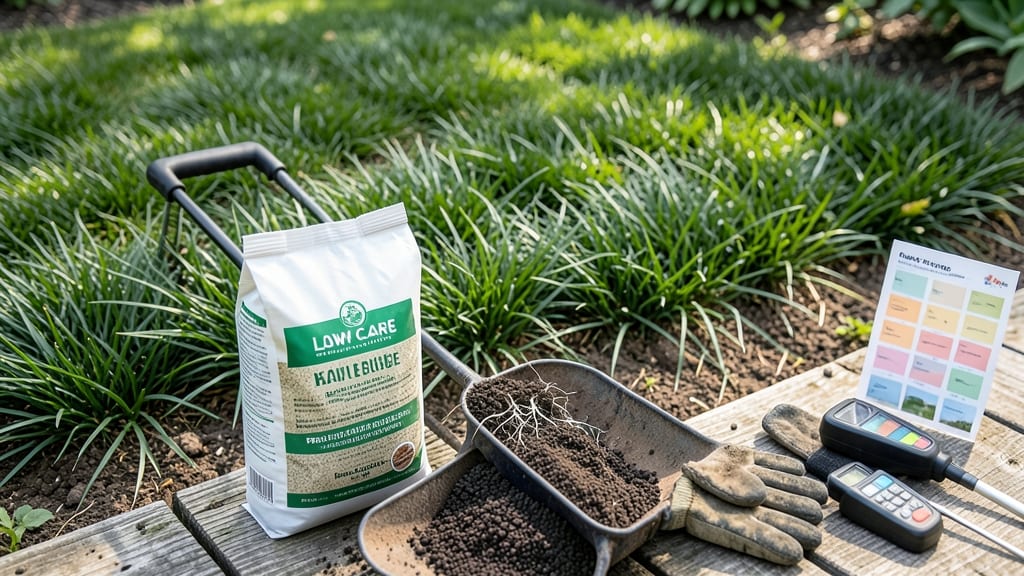
To fertilize lawn in Ohio at the right time means catching those 50°F soil temperatures in early spring and avoiding the heat of summer—timing that can make or break your grass’s health.
Ohio’s unpredictable weather—from scorching summers to icy winters—can leave homeowners confused about the perfect timing to fertilize their lawns. Get it wrong, and you risk wasting money or even harming your grass.
Cool-season grasses like Kentucky bluegrass thrive when fertilized in early spring (March-April) and again in fall, while warm-season grasses need a lighter touch in summer. Soil tests and local frost dates are your best friends here.
Below, I break down the exact schedule for Ohio’s 6a-6b zones, common mistakes to avoid, and whether organic or synthetic fertilizers work best for your lawn’s needs.
Ohio soil temperature & climate zones: when to fertilize by month
Ohio’s USDA hardiness zones 5b-6b and soil temperature fluctuations create a unique challenge for lawn care. Unlike coastal regions, Ohio’s hot summers and cold winters demand precise fertilization timing. Cool-season grasses like Kentucky bluegrass thrive at 50°F+ soil temps, while warm-season grasses like Bermuda grass need 60°F+.
Missing these windows can lead to weak growth or even lawn damage.
Most Ohio homeowners fertilize 3-4 times per year, but the exact schedule depends on your grass type and local frost dates. For example, northern Ohio’s later spring thaw (around April 15) means waiting longer than southern Ohio’s March 15 average.
This month-by-month guide aligns with Ohio’s climate to maximize your lawn’s health without wasting resources.
Key soil temperature thresholds:
- 50°F+ for cool-season grass fertilization
- 60°F+ for warm-season grass fertilization
- Avoid fertilizing when soil temps drop below 40°F or exceed 85°F
| Month | Cool-Season Grasses (Kentucky Bluegrass, Tall Fescue) | Warm-Season Grasses (Bermuda, Zoysia) | Soil Temp Threshold | Fertilizer Type |
|---|---|---|---|---|
| January | None | None | Below 40°F | Winterize |
| February | None (unless mild spell) | None | 35-45°F | Pre-emergent (weeds) |
| March | Early spring feed (50°F+) | None (dormant) | 50°F+ | High-nitrogen (24-0-5) |
| April | Second feeding (60°F+) | None (unless established) | 60°F+ | Slow-release granular |
| May | Light maintenance feed | First feeding (65°F+) | 65°F+ | Balanced (16-4-8) |
| June | Light feed (if needed) | Second feeding (75°F+) | 75°F+ | Potassium boost (for heat stress) |
| July | None (heat stress risk) | Light feed (if growth slows) | Above 80°F | Avoid nitrogen |