
Lawn
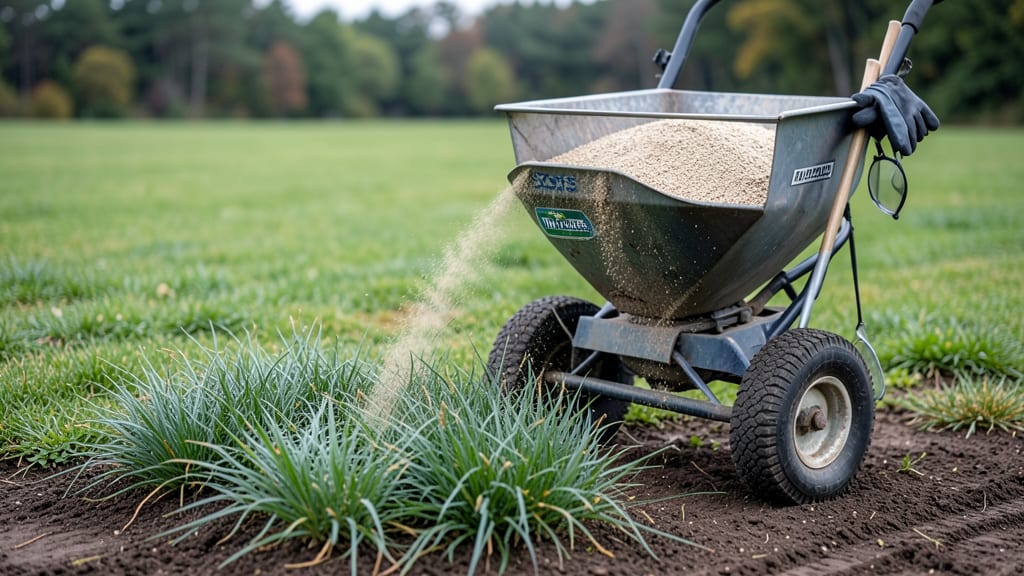
Fertilizing your lawn in Minnesota at the right time is the difference between a thick, green carpet and a patchy, struggling yard.
Minnesota’s unpredictable climate—from freezing winters to humid summers—can make lawn care tricky, especially when it comes to fertilizing for optimal growth. Timing your fertilizer applications correctly ensures a lush, resilient lawn, but getting it wrong can waste money or even harm your grass.
Most Minnesota homeowners know the basics: feed in spring and fall. But the real secret lies in soil temperature and grass type. Cool-season grasses like Kentucky bluegrass need nitrogen-rich fertilizer when soil hits 45°F–65°F, while warm-season grasses (like buffalo grass) prefer summer feeding.
A soil test can save you from over- or under-feeding.
In this guide, I’ll break down the 4 best times to fertilize your MN lawn, adjust for microclimates, and share pro tips to avoid common mistakes—like fertilizing too early or ignoring frost dates. Let’s get that grass growing the right way.
Ideal soil temperature & seasonal fertilizing schedule for MN lawns
Understanding soil temperature thresholds is the first step to fertilizing your MN lawn correctly. Most cool-season grasses—like Kentucky bluegrass and fine fescue—thrive when soil temps hover between 45°F and 65°F.
Fertilizing too early (when soil is still cold) stresses grass roots, while waiting too late misses critical growth windows. In MN, this means aligning applications with spring thaw and fall frost dates, which vary by northern vs. southern regions.
Northern MN (USDA zones 3b-4a) has shorter growing seasons and colder soils, so fertilizing starts later—typically mid-May—while southern MN (zones 4b-5a) can begin as early as early April.
The key is waiting until the soil warms to 50°F+ at a 4-inch depth, signaling roots are active and ready to absorb nutrients. Use a soil thermometer to check before applying fertilizer.
| Season | Soil Temp Threshold | Fertilizing Window | MN Region Adjustments | Fertilizer Type |
|---|---|---|---|---|
| Early Spring | 45°F–50°F | Late April–early May (Southern MN) / Mid-May (Northern MN) | Wait for consistent 50°F+ soil temps; avoid if frost risk remains. | High-nitrogen (24-0-5) |
| Late Spring | 55°F–65°F | May–June | Apply 3–4 weeks apart for vigorous growth; Northern MN may extend to July. | Slow-release (organic or synthetic) |
| Summer | 65°F+ | July–early August | Light feeding only; avoid late summer to prevent tender fall growth. | Low-nitrogen (10-0-10) |
| Fall | 50°F–60°F | September (Southern MN) / October (Northern MN) | Skip fertilizing; focus on overseeding and aeration instead. | None (except pre-winter weed control) |
Your first fertilizing window arrives in early spring, ideally when soil temps hit 50°F at 4 inches deep. This kickstarts root growth after winter dormancy. In southern MN, this often lands in late April, while northern regions should wait until mid-May.
Use a high-nitrogen fertilizer (24-0-5) to encourage leafy growth, but avoid applying if frost is forecasted within 48 hours. Always water deeply after fertilizing to help nutrients penetrate the soil.
Late spring is the most critical fertilizing period for MN lawns. Aim for 3–4 applications spaced 3–4 weeks apart, aligning with your grass’s active growth phase. For Kentucky bluegrass, this means feeding in May, June, and July, while fine fescue benefits from slightly lighter applications.
Northern MN lawns may need an extra application in early July to compensate for cooler soils. Pair this with regular mowing (3–4 inches tall) to maintain a healthy sward.
Summer fertilizing in MN requires caution. Once soil temps exceed 65°F, grass growth slows, and over-fertilizing can lead to burnt tips or dormancy stress. Instead, opt for a light feeding in July with a low-nitrogen blend (10-0-10) to sustain color without promoting weak fall growth.
Always water deeply after applying to prevent salt buildup on the soil surface. In drought-prone areas, reduce fertilizing entirely until rainfall returns.
Fall is a common misstep for MN homeowners who fertilize to "green up" their lawn before winter. However, applying nitrogen in September or October encourages tender new growth that won’t harden off before frost.
Instead, focus on overseeding with cool-season grasses in late August to early September, and aerate compacted soil. If weeds are an issue, apply a pre-emergent herbicide in early fall to prevent spring germination.
Northern MN’s shorter growing season demands extra attention to timing. Delay your first spring feeding until soil temps consistently reach 50
How to adjust fertilizing for MN’s microclimates & grass types
Minnesota’s diverse microclimates and grass types mean one-size-fits-all fertilizing won’t work. Cool-season grasses like Kentucky bluegrass and fescue dominate most lawns, while buffalo grass thrives in drier southern regions.
Adjusting your fertilizing schedule based on your specific grass type and local conditions—like frost dates and urban vs. rural soils—can make the difference between a lush lawn and a struggling one.
For cool-season grasses, the key is timing applications to match their growth cycles and Minnesota’s frost dates. In northern MN, where frost lingers longer, start fertilizing in mid-May after the last frost.
In southern MN, you can begin as early as late April once soil temperatures hit 45°F. Meanwhile, buffalo grass—a warm-season grass—needs a completely different approach, with fertilizing delayed until late spring or early summer when soil warms.
Urban lawns often face compacted soil and drought stress, requiring lighter, more frequent applications of slow-release fertilizers. In rural areas, where soils are looser, you can use higher-nitrogen fertilizers with fewer applications.
Always test your soil first—pH imbalances can make fertilizers ineffective, no matter how well-timed they are.
Fertilizing Adjustments for MN Grass Types
Cool-Season Grasses (Kentucky Bluegrass, Fescue)
- ✅ Pros: Thrives in cool weather, needs 4-5 feedings/year
- ✅ Pros: Responds well to early spring and fall fertilizing
- ✅ Pros: Handles Minnesota’s frost better than warm-season grasses
- ❌ Cons: Over-fertilizing in late summer can lead to tender growth before frost
- ❌ Cons: Requires more frequent mowing after feeding
Warm-Season Grasses (Buffalo Grass)
- ✅ Pros: Drought-tolerant, thrives in southern MN’s heat
- ✅ Pros: Needs fewer feedings (2-3/year)
- ✅ Pros: Low-maintenance once established
- ❌ Cons: Struggles in northern MN’s short growing season
- ❌ Cons: Requires warmer soil (65°F+) to activate growth
Urban Lawns
- ✅ Pros: Slow-release fertilizers reduce runoff
- ✅ Pros: Lighter applications prevent soil compaction issues
Rural Lawns
- ✅ Pros: Can handle higher-nitrogen fertilizers
- ✅ Pros: Fewer applications needed due to looser soil
Drought is another critical factor in MN. If your area experiences water restrictions or prolonged dry spells, switch to a slow-release fertilizer to avoid shocking your grass with sudden nutrient spikes.
For buffalo grass, this means delaying fertilizing until July when roots are deeply established and drought stress is less likely.
Pay attention to local frost dates—they’re your best guide. In northern MN, avoid fertilizing after mid-August to prevent new growth from being damaged by frost.
In southern MN, you can extend fertilizing into early September, but stop by October 1st to allow grass to harden off before winter. Always water fertilized areas deeply to help nutrients penetrate the soil.
Finally, don’t forget that organic fertilizers like compost or manure break down slower, making them ideal for urban lawns where quick nutrient release can cause runoff. For rural properties, synthetic fertilizers with controlled-release nitrogen can provide steady growth without overloading the soil.
Adjust your approach based on your lawn’s specific needs, and you’ll see healthier grass all season long.