
Lawn
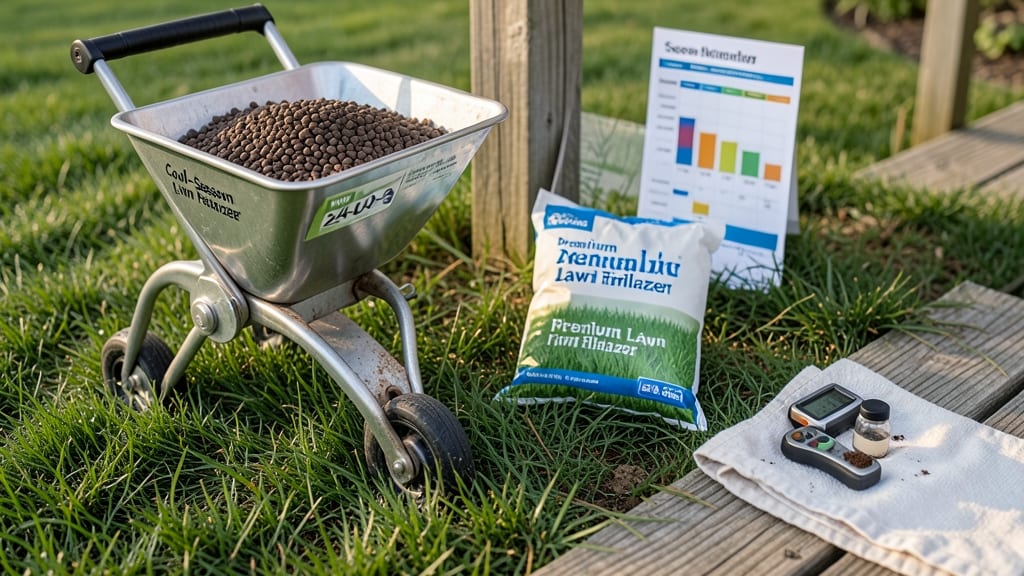
To fertilize lawn in Minnesota, time applications when soil temperatures hit 40–50°F (4–10°C) in spring and 50–60°F (10–15°C) in fall, typically between late April and early May for spring and September to early October for fall. Adjust based on grass type and weather to boost root growth and nutrient uptake.
Timing matters because Minnesota's cool-season grasses like Kentucky bluegrass need warmer soil to wake up from dormancy, while warm-season grasses like buffalo grass thrive when temperatures stabilize. 🌱 The key is matching fertilizer application with active root growth—when soil is warm enough for microbes to break down nutrients but not so hot that they burn delicate grass blades.
In northern Minnesota, you might need to wait until mid-May due to later frost dates, while southern regions can start earlier.
For best results, use a soil thermometer to verify temperatures before applying. This small investment prevents wasted fertilizer and ensures your lawn gets the nutrients when it can actually use them.
I always check the forecast too—applying right before rain helps the fertilizer soak in effectively, but avoid watering immediately after application to prevent runoff.
💡 In This Article
- Soil Temperature and Grass Growth Phases in Minnesota
- Minnesota-Specific Fertilizer Application Calendar by Grass Type
Soil temperature and grass growth phases in Minnesota
Soil temperature acts like a biological switch for grass growth—cool-season grasses like Kentucky bluegrass and fescue (the most common in Minnesota) only start actively growing when soil reaches 40–50°F (4–10°C).
This threshold triggers root development and nutrient absorption because soil microbes wake up and begin breaking down organic matter, releasing nitrogen and phosphorus.
Think of it like a lawn's "spring alarm clock"—when temperatures consistently stay above 40°F, the grass stops being dormant and begins converting stored energy into new growth. 🌱
The 50–60°F (10–15°C) range in fall is equally critical because it signals the grass to strengthen roots before winter. At these temperatures, grass blades slow their growth but focus on storing carbohydrates underground—a process called "hardening off."
This is why fall fertilization (especially with potassium-rich formulas) helps lawns survive harsh winters. In northern Minnesota, where frost can linger until mid-May, you might need to wait until late May for spring applications, while southern regions like the Twin Cities can start as early as late April.
What most homeowners miss is how temperature affects fertilizer efficiency. When soil is too cold (below 40°F), microbes can't process nutrients, making synthetic fertilizers like urea or slow-release granules ineffective. Conversely, applying fertilizer when soil exceeds 60°F can burn grass blades because the salts concentrate on the surface.
That's why Minnesota's climate—with its rapid spring warming—demands precise timing. A soil thermometer (available for $15–$25) is your best tool to avoid wasted money and lawn damage.
Regional variations matter too. The Twin Cities' urban heat island effect can make soil 5–10°F warmer than rural areas, allowing earlier fertilization. Meanwhile, northern counties like Koochiching or St. Louis may need to push applications into June due to late frosts.
Even within the same county, microclimates near lakes or forests can delay warming by 1–2 weeks. Pay attention to local weather patterns—your neighbor's perfect lawn might not be the right schedule for your yard.
Here's what's happening under your lawn during these phases:
- Spring (40–50°F): Roots grow 1–2 inches deeper per week, increasing drought resistance
- Summer (above 60°F): Grass focuses on blade growth, not roots—fertilizer here mostly feeds top growth
- Fall (50–60°F): Carbohydrate storage peaks, making grass 30% more frost-resistant
The science behind this involves soil biology: at 40°F, microbial activity reaches 10–15% of summer levels, but at 50°F, it jumps to 50–60%. This microbial "rush hour" is when your fertilizer gets put to work. 🔥
Pro tip: If you're using organic fertilizers like compost or manure, wait until soil hits 50°F—the decomposition process needs warmer temps to release nutrients effectively. Synthetic fertilizers can work at 40°F, but they'll be less efficient until microbes wake up fully.