
Fertilization
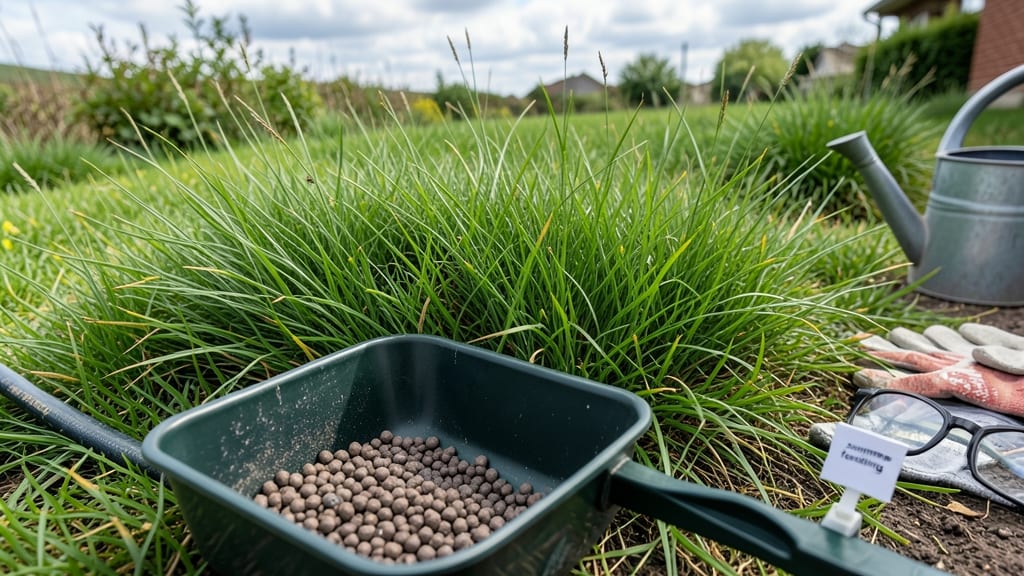
Fertilizing your lawn in summer requires timing that matches your cool-season grass’s needs—or you risk burning it before it can use the nutrients.
Summer heat can turn your lawn fertilization routine into a high-stakes gamble—apply too early, and you risk scorching your grass; wait too long, and you’ll miss the optimal window for cool-season grasses. Here’s the science-backed timing that keeps your lawn lush without the burn.
Most cool-season grasses like Kentucky bluegrass or fescue slow down in summer, but that doesn’t mean they stop growing. The key is feeding them lightly when temperatures dip below 85°F—usually in early morning or late evening to avoid stress.
Below, I’ll walk you through the best month-by-month schedule for your USDA Zone 6 lawn, how to spot early signs of fertilizer burn, and organic alternatives that work when the heat peaks.
Best summer fertilization timeline for cool-season grasses: month-by-month breakdown
Cool-season grasses like Kentucky bluegrass, fescue, and ryegrass thrive when fertilized at the right time—even in summer. The key is avoiding heat stress while still supporting growth. Early summer is your best window, but timing varies by USDA zone and local climate.
Let’s break it down month by month to keep your lawn vibrant without the burn risk.
Summer fertilization isn’t about heavy feeding—it’s about light, strategic nourishment. Cool-season grasses slow their growth in heat, so over-fertilizing can lead to brown patches or even death. Instead, focus on slow-release fertilizers or organic options that feed roots without shocking the blades.
Think of it as a gentle wake-up call for your grass, not a heavy dose of caffeine.
| Month | Ideal Temperature Range | Fertilization Window | Fertilizer Type | Key Conditions |
|---|---|---|---|---|
| Early June | 65–75°F | First application | Slow-release (16-4-8 NPK) | Soil temp <75°F, light watering |
| Mid-July | 70–80°F | Second application (if needed) | Organic (compost tea) | Morning application, deep watering |
| Late August | 75–85°F | Avoid fertilizing | None | High heat risk, grass slows growth |
| September | 60–70°F | Prep for fall growth | Balanced (12-12-12 NPK) | Soil temp dropping, light feed |
For USDA Zone 6 (like much of the Midwest and Northeast), early June is your prime window for summer fertilization. Aim for soil temperatures below 75°F to prevent stress. Use a slow-release fertilizer with a 16-4-8 NPK ratio—this provides steady nitrogen without overwhelming your grass.
Water deeply the day before and after application to help nutrients absorb and reduce burn risk.
Mid-July can work for a second light feeding, but only if temperatures stay below 80°F. Switch to an organic option like compost tea or fish emulsion to avoid synthetic shocks.
These feed the soil, not just the grass, improving long-term health. Morning applications are critical—heat and direct sun can turn fertilizer into a lawn-scorching weapon if applied at noon.
By late August, it’s time to pause fertilization entirely. Cool-season grasses go semi-dormant as temperatures rise above 85°F. Any nitrogen applied now will just stress the roots and invite pests like chinch bugs.
Instead, focus on light mowing (3–4 inches) and deep watering every 3–5 days to keep roots hydrated. Think of this as a cool-down period before fall’s big push.
If you’re in a warmer climate (Zones 7–9), shift your summer fertilization to May and early June only. The heat arrives earlier, so act fast. For cooler zones (Zones 4–5), you might squeeze in a third light feed in early September to kickstart fall growth.
Always check your local weather forecasts—a sudden heatwave can turn your lawn care plan upside down.
Pro tip: Pair fertilization with overseeding in late summer. Thin areas will fill in faster with fresh grass seeds, reducing weed competition. Just avoid seeding if daytime temps exceed 85°F—the seeds won’t germinate well. Late August is ideal for this combo in most regions.
Remember, summer fertilization isn’t about big, bold results—it’s about preventing decline. A little care now means a thicker, greener lawn when fall rolls around. And trust me, your neighbors will notice the difference when their brown patches meet your vibrant stripes.
How to fertilize in summer without burning your lawn: pro tips for cool-season grass care
Summer fertilization for cool-season grasses like Kentucky bluegrass or fescue requires extra caution. The heat can turn fertilizer into a double-edged sword—boosting growth or causing brown patches in minutes.
My secret? A light touch with smart timing and proper prep work. Here’s how to feed your lawn without the burn.
First, choose the right fertilizer blend. Opt for slow-release nitrogen (like 16-4-8) over quick-release options. Quick-release fertilizers release nutrients too fast in summer, overwhelming grass roots. Slow-release formulas spread nutrients gradually, giving your lawn time to absorb them without stress.
For organic options, consider compost tea or fish emulsion, which are gentler on heat-sensitive grass.
Next, water your lawn deeply 24 hours before fertilizing. This ensures the soil is moist and ready to absorb nutrients. After applying fertilizer, water again immediately to help it soak into the soil.
Avoid applying fertilizer when rain is forecasted—it can wash away nutrients and cause runoff, harming nearby plants and waterways. Aim for early morning applications when temperatures are cooler, reducing the risk of burn.
⚠️ Critical Summer Fertilization Warning
Never fertilize when temperatures exceed 85°F. Cool-season grasses go into survival mode, and fertilizer can scorch blades instantly. Even if your lawn looks healthy, the heat stress makes it vulnerable. Wait until late summer (August-September) when temperatures dip slightly, or switch to organic soil boosters like compost or worm castings for a gentler approach.
Signs of fertilizer burn: Yellowing, crispy grass edges, or white patches. If you see these, stop fertilizing immediately and water deeply to help recovery.
Adjust your mowing height to protect your lawn during summer. Set your mower to 3-4 inches tall—taller grass shades soil, reducing moisture loss and protecting roots from heat.
Avoid cutting more than one-third of the blade height at once, as this weakens grass and makes it more susceptible to stress. Sharpen your mower blades regularly to avoid tearing grass, which invites disease.
After fertilizing, monitor your lawn closely for the first 48 hours. Look for signs of stress like yellowing tips or wilting. If you notice these, increase watering slightly to help the grass recover.
Avoid walking on fertilized areas until the blades have fully absorbed the nutrients, usually within 3-5 days. For extra protection, apply a light layer of mulch around the base of your lawn to retain moisture and regulate soil temperature.
Use this summer fertilization checklist to stay on track:
- ✅ Test soil pH (ideal: 6.0-7.0 for cool-season grasses)
- ✅ Choose slow-release fertilizer (avoid quick-release in heat)
- ✅ Water deeply 24 hours before and immediately after application
- ✅ Apply in early morning or late evening
- ✅ Set mower to 3-4 inches and avoid scalping
- ✅ Monitor for 48 hours for signs of burn or stress
With these steps, your cool-season lawn will stay lush and resilient all summer long—without the risk of burn or stress. Remember, less is more when it comes to summer feeding. A little goes a long way when the mercury rises! 🌱