
Lawn
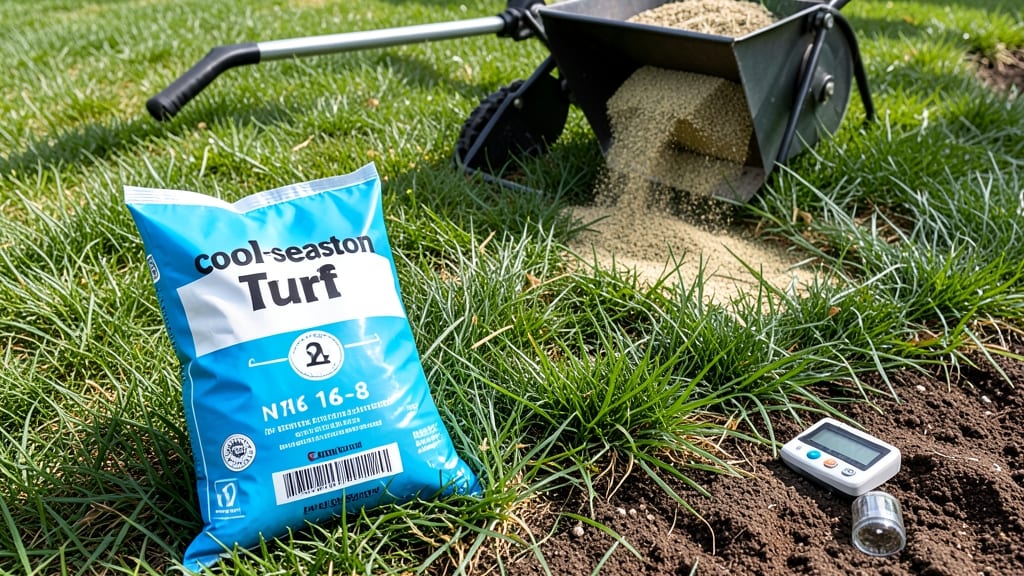
Fertilizing your lawn in California at the right time is the difference between a lush, green carpet and a patchy, struggling yard—especially when coastal fog and inland heat play such different roles.
California’s diverse climates—from coastal fog to inland heat—mean your lawn’s fertilization schedule could be completely wrong if you follow generic advice. Get it right, and your grass thrives year-round; get it wrong, and you waste money (or even harm your lawn). Here’s the exact timing you need for your region.
Cool-season grasses like fescue need their first feeding in early spring (March), while warm-season types like bermudagrass peak in late spring. But inland areas? Skip summer fertilization entirely—heat stress turns nutrients into a liability. Even coastal lawns slow down in winter, so timing matters more than product.
Below, I break down the perfect fertilization window for your zone, plus how to spot over-fertilizing (yellow tips, anyone?) and which fertilizers actually work in California’s drought-prone soil.
California fertilization calendar: coastal vs. inland timing for year-round lawn health
California’s microclimates create dramatic differences in lawn care needs. Coastal areas like San Francisco enjoy mild, wet winters (USDA zones 9-11), while inland regions such as Sacramento face hot, dry summers (USDA zones 8-10).
These variations mean your fertilization schedule should shift based on rainfall, temperature, and grass type—cool-season grasses like Kentucky bluegrass thrive in coastal areas, while Bermuda grass dominates inland yards. Ignoring these differences can lead to burned grass or wasted fertilizer.
For coastal lawns, focus on winter and early spring feeding when cooler temps and moisture support growth. Inland lawns, however, need fall fertilization to strengthen roots before summer dormancy. Both regions should avoid fertilizing during drought restrictions (common June–October inland) or when soil is waterlogged (coastal winters).
Below, we break down the month-by-month fertilization calendar for each zone, including soil prep tips and drought adjustments.
Pro Tip: Always test your soil pH (ideal: 6.0–7.0 for most grasses) before fertilizing. Coastal soils often need iron supplements due to high pH from marine influence, while inland soils may lack organic matter from heat and erosion. A simple $20 soil test kit saves money and prevents over-fertilizing.
Notice how coastal lawns get two heavy feeds (February and September) while inland lawns prioritize fall fertilization to survive summer heat.
The key difference? Coastal grass grows year-round, so you feed it when it’s actively growing. Inland grass, however, enters dormancy in summer, so fertilization focuses on root development before the heat arrives. This explains why inland yards often look brown in summer—it’s not dead, just conserving water.
For drought-prone areas (common inland), switch to a slow-release fertilizer like Milorganite (organic) or Scotts Turf Builder (synthetic). These release nutrients over 8–12 weeks, reducing runoff and waste. Pair it with deep watering (1–1.5 inches per week) in the early morning to minimize evaporation. If your water district impos
5 Signs your lawn needs fertilizer (and when to skip it)
Your California lawn might be silently screaming for nutrients—or begging you to stop overfeeding it. Yellow patches, slow growth, or weed invasions are classic red flags, but climate plays a huge role.
Coastal areas with mild winters need different timing than inland zones baking in summer heat. Before grabbing that fertilizer bag, let’s decode the signs—and when to skip fertilization entirely to protect your grass.
First, don’t fertilize during droughts, even if your lawn looks thirsty. In Southern California’s dry summers, overfeeding stresses grass roots, making them more vulnerable to heat.
Instead, wait for consistent rainfall or deep watering to revive dormant growth. Fall is the safest bet for most regions, as cooler temps help grass absorb nutrients without burning.
⚠️ When to Fertilize Your Lawn in California
- 🌱 Early Spring (March-April): Coastal areas—fertilize after winter rains to boost green-up.
- 🌞 Late Spring (May): Inland zones—use slow-release fertilizer to avoid summer burn.
- 🍂 Fall (September-October): Best time for all regions—strengthens roots before winter.
- ❄️ Winter (November-February): Skip unless coastal—dormant grass needs rest.
- 🚫 Summer (June-August): Never fertilize—heat stress + fertilizer = dead grass.
Sign #1: Pale or Yellow Patches—this is your lawn’s way of saying “I’m starving!”. Nitrogen deficiency turns grass dull, while iron deficiency creates yellowish streaks. Test your soil first: if pH is below 6.0, lime may be the real fix. In coastal California, these patches often appear after winter rains leach nutrients away.
Sign #2: Weeds Taking Over—thick clover or crabgrass? Your lawn is nutrient-deficient, making it weak and inviting to weeds. Broadleaf weeds thrive in low-nitrogen soil, while grassy weeds love compacted or poor soil. Before fertilizing, aerate your lawn to improve nutrient uptake—especially in inland areas where soil compaction is common.
Sign #3: Slow Growth After Mowing—if your grass stays short or recovers sluggishly, it’s malnourished. Cool-season grasses (like Kentucky bluegrass) need high-nitrogen fertilizer in spring, while warm-season grasses (like Bermuda) prefer fall feeding. Over-fertilizing in summer can actually stunt growth, so time it right.
But here’s the catch: if your lawn is already thick and green, skip the fertilizer.
Overfeeding leads to brown tips, fungus growth, or even water runoff polluting local streams—a big issue in California’s regulated water districts. Less is more: use a soil test to check nutrient levels before applying anything.
Pro tip: Water deeply 24 hours before fertilizing to help nutrients soak in—critical in California’s dry climate. And if your lawn is newly seeded, wait 6-8 weeks before fertilizing to avoid burning tender roots. Patience pays off for a lush, resilient lawn that survives California’s extremes. 🌱