
Lawn
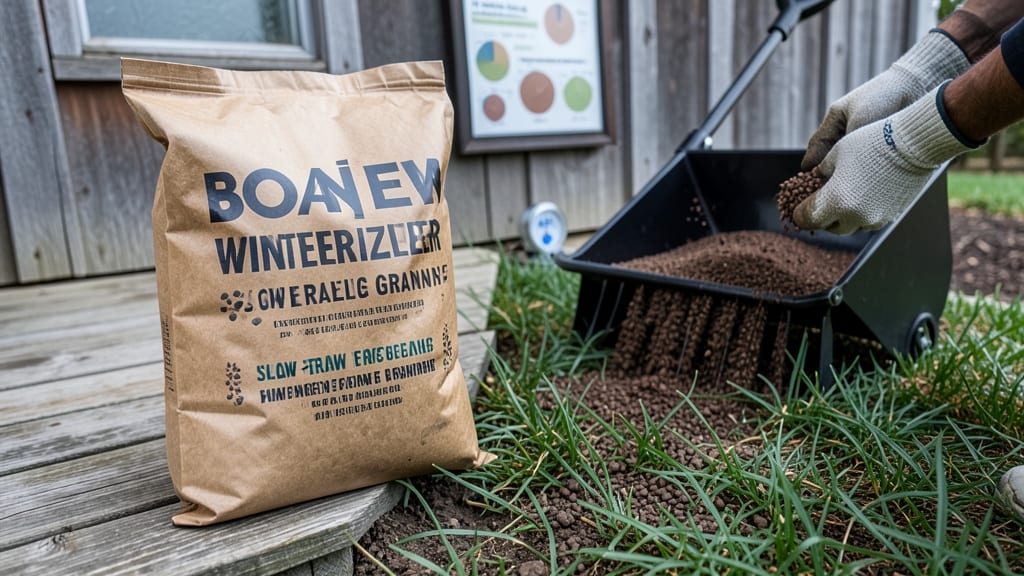
Fertilizing lawn grass too late in fall can actually hurt your lawn instead of helping it, especially when nighttime temps drop below 40°F.
You’ve probably heard that fall is the best time to feed your lawn—but what happens when you wait too long? The cutoff isn’t just about the calendar; it’s about your grass type, local frost dates, and whether your soil is still active.
Cool-season grasses like fescue or bluegrass need their last feeding 6-8 weeks before the first frost, while warm-season types like Bermuda should skip fall fertilization entirely. Get this wrong, and you risk winter burn, wasted fertilizer, or even weaker roots next spring.
In USDA Zone 6a, where frost typically arrives by mid-October, the window for fall fertilization is narrow. A late application can leave grass vulnerable to cold snaps, while an early one might not give roots enough time to store nutrients.
Below, I’ll break down the exact cutoff dates for your grass type, plus three critical signs you’ve missed the boat—and what to do if you have.
Whether you’re prepping for spring growth or trying to salvage a late-season feed, this guide keeps your lawn healthy without the guesswork. Let’s get started.
Fall fertilization cutoff dates by grass type: cool-season vs. warm-season limits
Timing your fall lawn fertilization correctly is crucial—apply too late, and you risk winter burn or wasted nutrients. The cutoff date depends entirely on your grass type and local frost dates.
Cool-season grasses like Kentucky bluegrass and fescue thrive with late-season feeding, while warm-season varieties like Bermuda grass need zero fall fertilizer. Let’s break down the exact windows to avoid costly mistakes.
For cool-season grasses, the ideal fertilization window stretches from mid-summer to early fall, but the cutoff hinges on your first frost date. In most regions, this means stopping 4-6 weeks before the first hard frost—typically by mid-October in northern zones and November in southern areas.
Warm-season grasses, however, should never receive fall fertilizer, as their growth slows down entirely by late summer.
Missing the deadline can lead to over-fertilization risks, where grass struggles to absorb nutrients before dormancy. This often results in brown patches or even winterkill. The key is to fertilize when grass is still actively growing but has 6-8 weeks left to absorb nutrients before the ground freezes.
Here’s a quick comparison of cool-season vs. warm-season grasses and their fall fertilization deadlines:
If you’re in a northern climate (USDA zones 3-5), aim to finish fertilizing by early October. In southern zones (6-10), you can push it to November, but always check your local first frost date.
For example, Kentucky bluegrass in Zone 5 should stop by October 15th, while tall fescue in Zone 7 can handle feeding until November 1st.
For warm-season grasses, the rule is simple: no fall fertilizer. These grasses go dormant by late summer, and feeding them in fall can lead to unabsorbed nutrients that leach into soil or waterways. Instead, focus on spring and summer fertilization to support their growth cycle.
Pro tip: Use a soil thermometer to monitor ground temps. If the soil stays above 50°F (10°C) for at least 6 hours daily, your grass can still absorb nutrients. Once temps drop below 40°F (4°C), it’s time to stop fertilizing entirely.
If you’ve already missed the cutoff, don’t panic. Switch to a winterizer fertilizer (high potassium, low nitrogen) to strengthen roots without promoting new growth. This helps your lawn recover faster in spring and reduces the risk of disease or frost damage.
Regional adjustments matter—check your local cooperative extension service for precise frost dates. For instance, Texas lawns (warm-season) can fertilize until December, while Maine lawns (cool-season) must stop by September. Always align your schedule with your grass type’s natural growth cycle.
By following these guidelines, you’ll ensure your lawn gets the right nutrients at the right time, setting it up for a lush, green spring without the risks of late-season fertilization. 🌱
3 Critical signs your fall fertilization is too late (and how to fix it)
Fall fertilization gives your lawn a strong start for spring, but timing is everything. If you miss the window, you risk wasted fertilizer, root damage, or even winter burn.
The key is recognizing these three critical signs that tell you it’s already too late—and what to do next.
First, watch for new seedling growth sprouting in your lawn. When tiny grass blades start pushing through the soil in late fall, your grass is already preparing for dormancy.
Applying fertilizer at this stage forces it to grow when it should be hardening off for winter, leading to weak, frost-sensitive blades.
Second, pay attention to soil temperature. If your soil feels soft or warm to the touch (above 50°F), roots are still active. But once it cools below 40°F at night, grass growth slows dramatically.
Fertilizer applied in cool soil won’t be absorbed efficiently, and nutrients may leach away before roots can use them.
Third, check your local frost forecast. If nighttime temperatures are dropping below 40°F consistently, your grass is entering dormancy. Fertilizing now can shock the plant, causing it to burn or yellow before winter.
Even if you’ve already applied fertilizer, don’t panic—there are still ways to salvage the situation.
- New Seedling Growth: Tiny grass blades sprouting in late fall mean your lawn is preparing for dormancy. Stop fertilizing immediately—growth at this stage is risky.
- Soft Soil Below 50°F: If soil feels warm but nighttime temps drop below 40°F, roots are slowing. Switch to winterizer fertilizer with lower nitrogen.
- Consistent 40°F Nights: Grass growth halts below this threshold. If you’ve already fertilized, water deeply to help roots absorb what they can before dormancy.
🌱 Pro Tip: Use a soil thermometer to track temps—50°F is the cutoff for safe fall fertilization.
If you’ve already applied fertilizer past these signs, don’t stress. For cool-season grasses, switch to a winterizer fertilizer (low nitrogen, high potassium) to help roots strengthen before winter. For warm-season grasses, stop fertilizing entirely—these types go dormant in fall and won’t benefit from late-season feeding.
To protect your lawn, water deeply after applying any late fertilizer. This helps roots absorb nutrients before dormancy sets in. If frost is imminent, avoid watering at night to prevent fungal diseases like snow mold. Instead, water in the early morning to give grass time to dry.
Next spring, your lawn will thank you for paying attention to these signs. By recognizing when it’s too late to fertilize, you’ll avoid costly mistakes and set your grass up for a healthier, greener growing season. 🌿