
Lawn
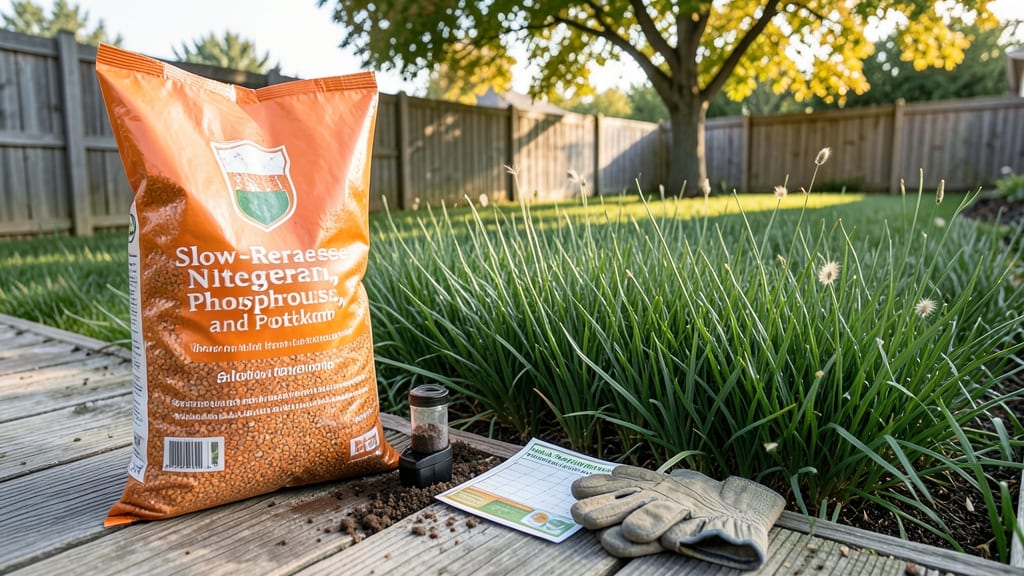
The best time to fertilize lawn is when soil temperatures hit 55°F to 65°F—a window that changes with the seasons and can make or break your grass’s health.
Picture this: you’ve just spread fertilizer across your yard, only to watch it wash away in a sudden rainstorm or see your lawn turn brown from the heat. Timing isn’t just about the calendar—it’s about the soil’s hidden rhythm that most homeowners miss.
Cool-season grasses like Kentucky bluegrass thrive with early spring or fall feedings, while warm-season types such as Bermuda grass need summer’s heat to activate nutrients. Even a 5°F swing in soil temperature can mean the difference between lush green blades and struggling patches.
In this guide, I’ll break down the exact soil temps to watch for, how to adjust your schedule by grass type, and the 3 biggest mistakes that ruin even the best fertilizer plans—so you can finally grow the lawn of your dreams.
Optimal soil temperature ranges for fertilizing lawn by season
Timing your lawn fertilizer application isn't just about the calendar—it's all about soil temperature. Grass roots are most active when the ground is warm enough to support nutrient absorption, but too hot or cold can waste fertilizer or even harm your lawn.
Understanding these seasonal soil temperature ranges ensures your grass gets the nutrients it needs when it can actually use them.
Most lawns thrive when soil temperatures stay between 55°F and 85°F for fertilization. Below 50°F, grass growth slows dramatically, making fertilizer ineffective. Above 90°F, the risk of burn damage increases, especially for warm-season grasses like Bermuda or Zoysia.
Let's break down the ideal ranges by season to maximize your lawn's health.
🌱 Did You Know? Soil temperature fluctuates 2-3 inches below the surface, so always measure there—not just at the surface. A simple soil thermometer (around $10) makes this easy.
| Season | Ideal Soil Temp Range | Best Fertilization Time | Grass Types | Regional Notes |
|---|---|---|---|---|
| Spring | 55°F–65°F | Early spring (March–April) | Cool-season (Fescue, Ryegrass) | Northern U.S.: Wait until soil thaws fully. Southern U.S.: Fertilize 2 weeks after last frost. |
| Summer | 75°F–85°F | Late summer (August) | Warm-season (Bermuda, St. Augustine) | Avoid fertilizing when temps exceed 90°F. Use slow-release fertilizer to prevent burn. |
| Fall | 60°F–70°F | Early fall (September–October) | Both cool/warm-season | Critical for root growth before winter. Stop by 60 days before first frost. |
| Winter | Below 50°F | Skip fertilization | All grass types | Fertilizer washes out or harms roots in frozen soil. Focus on aeration instead. |
In spring, cool-season grasses like Kentucky Bluegrass and Tall Fescue wake up hungry after winter.
Aim to fertilize when soil temps hit 55°F—this usually aligns with March or early April in most of the U.S. Use a high-nitrogen fertilizer (like 24-0-5) to jumpstart growth, but avoid applying if frost is forecasted within 48 hours.
For summer fertilization, warm-season grasses dominate the South. These varieties (e.g., Centipede, Bahia) need feeding when soil temps are between 75°F and 85°F. Late summer (around August) is ideal because it allows roots to strengthen before fall dormancy.
Water deeply after applying fertilizer to help nutrients penetrate the soil.
Fall is often the best time to fertilize because grass focuses on root development rather than leaf growth. When soil temps drop to 60°F–70°F (typically September–October), apply a slow-release fertilizer to nourish roots through winter. This timing also helps prevent winter weeds by keeping your lawn dense and healthy.
Measuring soil temperature is simple: Insert a soil thermometer 2–3 inches deep and wait 30 seconds for an accurate reading. Early morning is the best time to check, as temps fluctuate less.
If you're in a transition zone (like Zone 7), monitor temps weekly—cool-season grasses may need a late fall feed, while warm-season types might need an early spring boost.
Regional variations matter! In the Northern U.S. (Zones 3–5), fertilize late spring and early fall only. Southern states (Zones 8–10) can fertilize twice in
How to adjust fertilization schedule based on grass type and climate zone
Not all lawns thrive on the same fertilization schedule—your grass type and climate zone demand personalized timing to avoid wasting fertilizer or damaging your lawn. Cool-season grasses like Kentucky bluegrass and fescue peak in early spring and fall, while warm-season grasses such as Bermuda and Zoysia need feeding in late spring through summer.
Ignoring these differences can lead to nutrient waste or even burnt grass from over-fertilization.
In the Northern U.S. (Zones 3-6), focus on early spring (April) and fall (September) applications, aligning with cool-season grass growth cycles. Meanwhile, Southern U.S. (Zones 7-10) lawns benefit from late spring (May) and summer (July-August) fertilization to support warm-season grass vigor.
Adjusting your schedule based on these factors ensures your lawn gets nutrients when it needs them most.
When to Fertilize Based on Grass Type
| Grass Type | Best Fertilization Window | Climate Zones |
|---|---|---|
| Cool-Season Grasses | Early spring (April) & fall (September) | Zones 3-6 (Northern U.S.) |
| Warm-Season Grasses | Late spring (May) & summer (July-August) | Zones 7-10 (Southern U.S.) |
For cool-season grasses, apply a light feed in early spring (when soil temps hit 55°F) to jumpstart growth after winter dormancy. A second application in fall (September) strengthens roots for winter survival.
In contrast, warm-season grasses should receive their first feeding in late spring (May) when soil temps exceed 60°F, followed by a summer boost in July-August to sustain growth during heat stress.
One common mistake is over-fertilizing in summer, which can shock cool-season grasses or cause fungal growth in warm climates. Always follow the 3-1-1 rule: 3 applications per year, 1 in spring, and 1 in fall (adjust for warm-season types).
Use a slow-release fertilizer to avoid nutrient spikes that burn grass or attract pests.
Test your soil’s pH and nutrient levels before fertilizing—ideal ranges are 6.0-7.0 for most grasses. If your lawn shows yellowing or patchy growth, it may need phosphorus or potassium, not just nitrogen.
Adjust your fertilizer’s NPK ratio (e.g., 24-0-5 for growth vs. 10-10-10 for balance) based on soil test results to avoid overcorrecting.
Finally, water deeply after fertilizing to help nutrients absorb into the soil. In dry climates (Zones 7-10), split applications into two lighter feeds to prevent runoff.
For humid regions (Zones 3-6), prioritize early morning applications to reduce fungal risks from prolonged moisture. With these adjustments, your lawn will thrive year-round without guesswork.