
Lawn
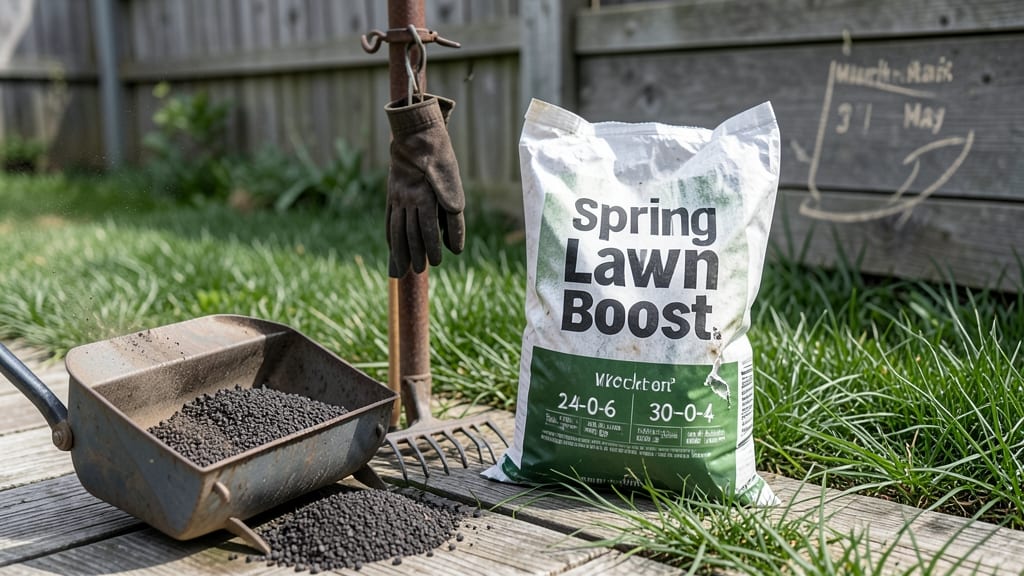
Fertilizing your lawn in spring at the right moment is the difference between lush green blades and wasted money — and most people get the timing dead wrong.
Picture this: you spread fertilizer in early March, only to watch it wash away in the next rainstorm because the soil was still too cold for roots to absorb it.
The best time to fertilize lawn in spring isn’t just about the calendar—it’s about soil temperature, which most homeowners never check.
In USDA Zone 6, where lawn grass 🌱 typically wakes up between early April and mid-May, waiting for soil to hit 50–65°F ensures nutrients stick around where they’re needed. Too early, and you’re flushing cash down the drain. Too late, and your grass misses its growth surge.
Below, I’ll walk you through the exact soil temp triggers, how to test yours in 5 minutes, and why your neighbor’s schedule might be all wrong for your yard. Let’s get that green started right.

Ideal soil temperature ranges for spring lawn fertilization
Fertilizing your lawn in spring isn't just about checking the calendar—your grass's roots need the right soil temperature to absorb nutrients efficiently. When soil is too cold, fertilizers can wash away or even harm your lawn.
The magic window? 50°F to 65°F, when grass roots become active and ready to grow. This range ensures nutrients are absorbed properly and promotes lush, healthy blades.
Many gardeners assume spring means "go time," but cold soil can lock out nutrients until roots wake up. For example, in USDA Zone 6, where last frost typically hits mid-April, soil may still be below 50°F in early spring.
Waiting for that 50°F threshold prevents wasted fertilizer and lawn stress. Think of it like waking up after a long nap—your grass needs the right temperature to stretch and grow!
Testing soil temperature is simpler than you’d think. Grab a soil thermometer (available for under $10) and insert it 2–3 inches deep in your lawn. Check it in the morning for the most accurate reading—afternoon sun can skew results.
If your soil is below 50°F, hold off on fertilizing. Patience here pays off with stronger roots and longer-lasting green.
| Soil Temperature Range | Grass Root Activity | Best Fertilization Time | Regional Adjustments |
|---|---|---|---|
| Below 50°F | Dormant or slow | Wait 2–4 weeks | Northern climates (Zones 3–5) |
| 50°F–59°F | Activating roots | Light feed (low nitrogen) | Mid-Atlantic (Zones 6–7) |
| 60°F–65°F | Peak absorption | Full fertilizer (high nitrogen) | Southern climates (Zones 8–10) |
| Above 65°F | Risk of burn | Slow-release only | Desert/southwest (Zones 9–11) |
Regional differences play a huge role in timing. In cold climates (Zones 3–5), like Minnesota or upstate New York, soil may not hit 50°F until late April or May. Waiting until then ensures your cool-season grasses (like Kentucky bluegrass) get the best start.
Meanwhile, in warmer zones (Zones 8–10), such as Florida or California, soil can reach 60°F by February, making early spring the perfect time to fertilize.
If you’re unsure about your zone, check the USDA Plant Hardiness Zone Map and adjust your schedule accordingly. For example, Zone 7 (like Atlanta or Dallas) typically hits 50°F by early March, while Zone 5 (like Chicago) might not reach it until mid-April.
Pro tip: Use a weather app with soil temp alerts to stay on track without guesswork.
Once your soil hits that 50°F–65°F sweet spot, apply a high-nitrogen fertilizer (like 30-0-4) to promote leaf growth.
For cool-season grasses, aim for 1 lb per 100 sqft in early spring, followed by a lighter feed in late spring. Warm-season grasses (like Bermuda or Zoysia) can wait until soil exceeds 65°F, usually in late spring or early summer.
Overlooking soil temperature can lead to nutrient runoff, where rain washes away unused fertilizer, polluting waterways and wasting money. Worse, fertilizing too early can burn delicate roots or encourage weak, yellow growth. Always prioritize root activation over calendar dates—your lawn will thank you with vibrant green all season long.
For extra precision, test your soil’s pH level (ideal range: 6.0–7.0) alongside temperature. A soil test kit (around $20) reveals if your lawn needs lime (to raise pH) or sulfur (to lower pH) before fertilizing. Balanced pH ensures your fertilizer works as intended, not just wasted effort.
Remember, the goal is strong roots, not instant color. Rushing the process can backfire, leaving your lawn stressed and patchy. By mastering soil temperature, you’ll set your grass up for year-round resilience, drought resistance, and that coveted neighborhood envy green. Happy growing!
Step-by-step fertilizer application timeline by grass type
Fertilizing your lawn at the right time in spring depends entirely on whether you have cool-season or warm-season grass. Cool-season types like Kentucky bluegrass and fescue wake up early, while warm-season grasses such as Bermuda or Zoysia need to wait until soil warms.
Miss the window, and you risk wasting fertilizer or burning delicate roots.
For cool-season grasses, the first feeding should happen when soil temperatures reach 50°F–55°F, typically in early March to April in most regions. Warm-season grasses, however, shouldn’t get fertilizer until soil hits 65°F–70°F, usually late April to May.
Adjusting for early or late springs means checking soil temps weekly with a simple soil thermometer.
🌱
| Grass Type | Best Fertilization Window | Soil Temp Trigger | Adjustments for Late Spring | What If You Missed? |
|---|---|---|---|---|
| Cool-Season (Kentucky Bluegrass, Fescue, Ryegrass) | Early March–April | 50°F–55°F | Wait until soil warms to 50°F consistently | Switch to light feeding in May |
| Warm-Season (Bermuda, Zoysia, St. Augustine) | Late April–May | 65°F–70°F | Use slow-release fertilizer to avoid heat stress | Skip spring feeding; wait for summer |
| New Lawns (Any Type) | 4–6 Weeks After Planting | 55°F+ | Test soil for pH balance first | Apply half-dose fertilizer |
If you’ve already fertilized but your lawn looks stressed—think yellow patches or nutrient runoff—don’t panic. For cool-season grasses, apply a second feeding in May using a low-nitrogen blend to encourage root growth.
Warm-season grasses can wait until late spring for their first feeding, but avoid high-nitrogen fertilizers until summer.
For late springs, where soil stays cold longer, opt for slow-release fertilizers to extend nutrient availability.
If you’re in a transition zone (like USDA Zone 7), split your spring feeding into two light applications: one in early spring for cool-season grasses and another in late spring for warm-season types.
Pro tip: Always water deeply after fertilizing to help nutrients penetrate the soil. For cool-season grasses, aim for 1–1.5 inches of water within 24 hours. Warm-season grasses need even more—up to 2 inches—to prevent fertilizer burn in hotter months.
Missed the window? Don’t overcompensate. Over-fertilizing can harm your lawn more than missing a feeding. Instead, focus on mowing high (3–4 inches) and aerating to improve soil health until you can fertilize at the right time next year.