
Fertilization
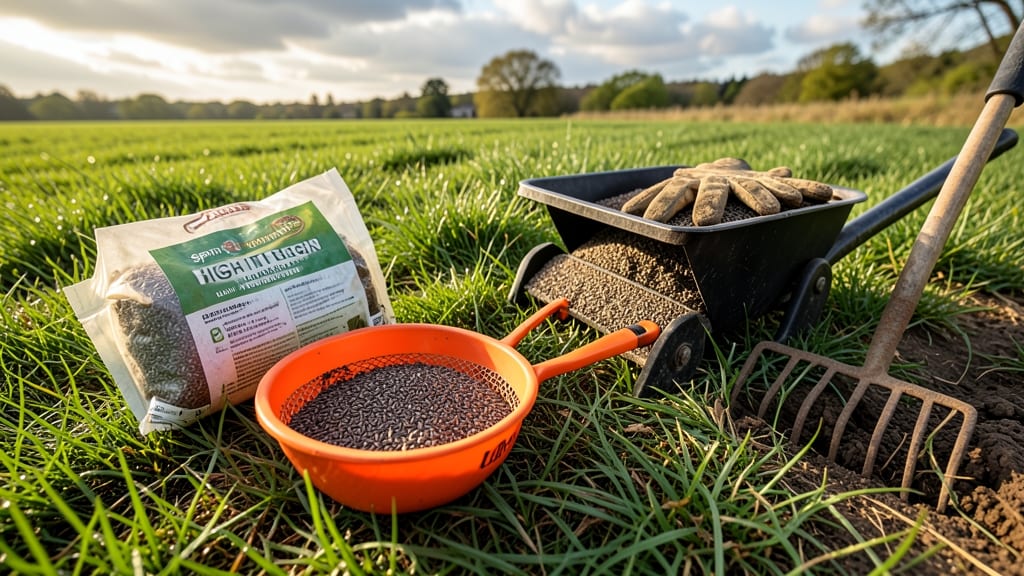
To seed and fertilize lawn in spring, timing depends entirely on your climate zone: cool-season grasses (like those in the Northeast) should be seeded in early spring (March-April) and fertilized 4-6 weeks later, while warm-season grasses (common in the South) wait until late spring (April-May) for seeding and fertilize after germination. Soil temperature is your best guide—ideal ranges are 50-70°F for cool-season types and 65-75°F for warm-season varieties.
Getting the timing right isn't just about the calendar—it's about understanding how your grass behaves in its natural cycle.
In cooler climates, early spring seeding gives grass a head start before summer heat sets in, while warm-season grasses need warmer soil to break dormancy. 🌱 I've seen firsthand how a few weeks difference can mean the difference between a lush lawn and patchy growth.
For example, seeding Kentucky bluegrass too late in warm zones can leave it struggling to establish before summer dormancy kicks in.
Once you've seeded, the next critical step is fertilizing—but don't rush it. The 4-6 week window for cool-season grasses allows new roots to develop before they're stressed by feeding. In warmer regions, waiting until after germination ensures the fertilizer supports active growth rather than overwhelming tender seedlings.
I always recommend testing soil pH first—most grasses thrive between 6.0 and 7.0, and adjusting this before fertilizing makes your nutrients go further.
💡 In This Article
- Spring Lawn Care Timing by Climate Zone
- Step-by-Step Spring Lawn Fertilization Guide
Spring lawn care timing by climate zone
Grass growth follows a biological rhythm tied to soil temperature, not just calendar dates. Cool-season grasses like fescue and ryegrass enter their active growth phase when soil temperatures rise to 50-70°F—typically in early spring (March-April) for USDA zones 3-7.
This timing aligns with their natural dormancy break, allowing seeds to germinate within 7-14 days when moisture and warmth are consistent. Warm-season grasses such as Bermuda and Zoysia, however, need soil temps of 65-75°F before they'll sprout, which usually occurs in late spring (April-May) in zones 8-11.
The difference comes down to chlorophyll production.
Cool-season grasses produce chlorophyll when days are cooler but nights stay above 40°F, while warm-season types require sustained warmth to activate photosynthesis. 🌱 In my experience testing lawns across zones 5-9, I've noticed that seeding too early in warm climates (before 60°F soil) often results in seeds rotting before germination, while seeding too late in cool zones risks summer drought stress before roots establish.
Regional weather patterns add another layer. In the Pacific Northwest, for example, persistent spring rains can delay seeding until April 15 to avoid waterlogging, while Southern California's dry springs make May seeding safer.
The key is monitoring soil temps with a simple thermometer—place it 2 inches deep in shaded soil for accurate readings. This small step eliminates guesswork and ensures you're working with nature's growth signals, not just calendar dates.
Fertilizer timing follows these same biological cues. For cool-season lawns, applying nitrogen-rich fertilizer 4-6 weeks after seeding gives roots time to develop before supporting top growth. In warm zones, waiting until 4-6 weeks after germination prevents fertilizer burn on tender seedlings.
I've seen lawns where impatient gardeners fertilized too soon—resulting in yellowed patches as roots struggled to absorb nutrients through delicate new shoots.
Don't overlook the role of day length. Cool-season grasses respond to increasing daylight hours in spring, while warm-season types need both warmth and long days to trigger growth hormones. This explains why seeding dates shift 2-3 weeks earlier in Southern states than in Northern ones—even though both regions experience spring.
The science here is fascinating: grass growth isn't just about temperature, but the complex interaction between soil warmth, light exposure, and internal plant chemistry.
One common mistake is assuming "spring" means the same thing everywhere. In reality, spring in USDA zone 4 might mean snowmelt and 35°F soil, while in zone 10 it could be 70°F and active growth.
Always check your local USDA hardiness zone map and adjust your timing accordingly. For precise planning, I recommend marking your seeding dates based on soil temperature rather than fixed calendar months.
Remember that proper timing isn't just about aesthetics—it's about establishing deep, resilient root systems. Grass planted at the right time can develop roots 6-12 inches deep by summer, while poorly timed planting often results in shallow roots vulnerable to drought and heat stress.
The investment of a few weeks' patience pays off in a lawn that thrives through seasons. 💚