
Lawn
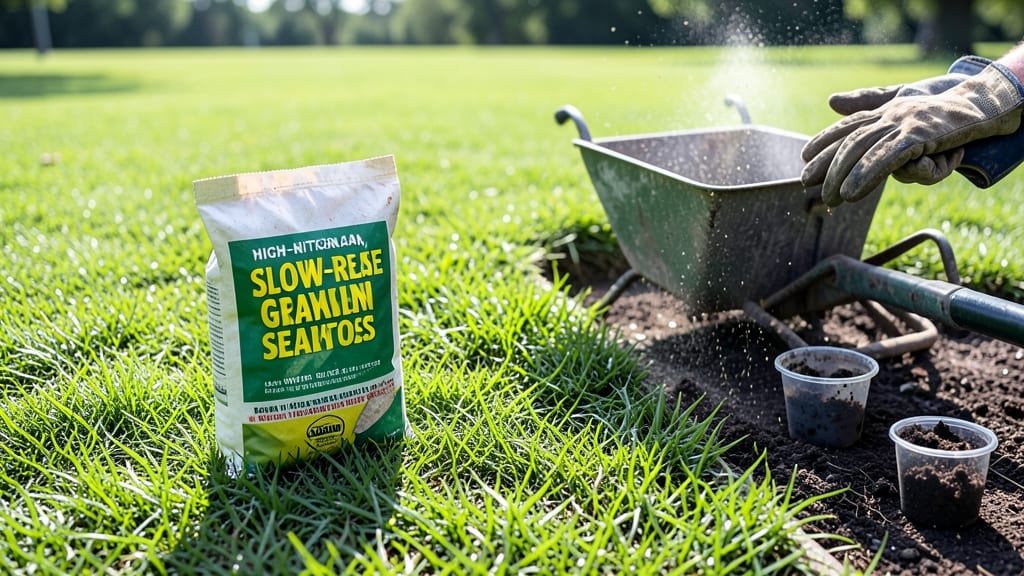
Fertilizing your lawn in Texas at the wrong time can turn your 🌱 into crispy straw by summer—or leave it weak when the heat arrives.
Texas lawns face brutal heat and drought, so timing your fertilization wrong can mean wasted money—or worse, stressed grass that never recovers.
Most experts agree: spring and fall are the only safe windows for feeding Bermuda, St. Augustine, or Zoysia, but the exact months depend on whether you’re in North Texas’s 6a-10b chill or South Texas’s relentless sun.
Below, I’ll break down the month-by-month schedule for thick, heat-tolerant growth—plus how to spot over- or under-fertilization before it’s too late.
Texas lawn fertilization schedule: exact months for spring & fall feeding
Timing your lawn fertilization in Texas is all about matching grass growth cycles with temperature triggers. Warm-season grasses like Bermuda and St. Augustine need feeding when soil temps hit 65°F+, while cool-season grasses like Tall Fescue thrive in 55–75°F ranges.
Regional differences mean North Texas schedules can vary by 4–6 weeks compared to South Texas—so let's break it down by month.
For warm-season grasses, the spring feeding window opens when daytime highs consistently stay above 70°F. In North Texas, that's typically late March to early April, while South Texas lawns can start as early as February.
The fall feeding period begins when nights cool to 65–70°F, usually mid-August to early September in most regions.
Cool-season grasses like Tall Fescue follow a different rhythm—feed when soil temps drop below 75°F in late September and continue until early November before dormancy. These grasses also benefit from a light spring feeding in February as temps rise, but avoid heavy nitrogen when summer heat arrives.
| Month | Warm-Season Grasses (Bermuda, St. Augustine, Zoysia) | Cool-Season Grasses (Tall Fescue) | Soil Temp Trigger | Notes |
|---|---|---|---|---|
| February | None (Dormant) | Light Feed (North TX) | 50–60°F | Only for cool-season grasses in North TX |
| March | Feed (South TX) | Feed (North TX) | 60–65°F | South TX Bermuda starts early; North TX Fescue peaks |
| April | Feed (All Regions) | Light Feed (Transition) | 65–75°F | Use slow-release fertilizer to avoid burn |
| May | Light Feed (Drought Prep) | None (Heat Stress) | 75–85°F | Reduce nitrogen; focus on deep watering |
| June–July | None (Dormancy) | None (Dormant) | 90°F+ | Avoid all fertilization during peak heat |
| August | Feed (South TX) | Feed (All Regions) | 80–85°F | Start 6–8 weeks before first frost |
| September | Feed (All Regions) | Feed (Peak Growth) | 70–75°F | Best month for fall fertilization |
| October | Light Feed (North TX) | Feed (Transition) | 60–65°F | Final feeding before winter dormancy |
| November–January | None (Dormant) | None (Dormant) | Below 55°F | No fertilization needed during winter |
In North Texas, where first frosts can hit as early as December 1, aim to complete your fall feeding by mid-October. Meanwhile, South Texas lawns can often handle a light feeding in November since frosts arrive later (around January 1).
Always check your local USDA zone—Zone 7a (North) vs. Zone 9a (South) makes a big difference in timing.
For warm-season grasses, split your spring feeding into three
How to adjust fertilizer type and application for Texas heat zones
Texas heat can turn even the best fertilizer into a lawn killer if you don’t adjust your approach. Quick-release fertilizers like urea burn grass in 100°F+ temperatures, while slow-release options feed roots steadily without stress.
I’ve learned the hard way—my St. Augustine lawn turned crispy after a summer feeding frenzy. The key? Match your fertilizer to the season and grass type.
For warm-season grasses (Bermuda, Zoysia), focus on high-nitrogen slow-release fertilizers (like 16-4-8) in spring and early fall. Cool-season grasses (Tall Fescue) need a balanced 10-10-10 in late summer/early fall to prepare for winter. Organic options like composted manure or fish emulsion are gentler but require more frequent applications.
Here’s the breakdown of what works—and what doesn’t—in Texas heat:
Quick-Release Fertilizers
Pros
- Fast green-up in spring
- Cheaper upfront cost
- Good for quick fixes (e.g., after overseeding)
Cons
- Burns grass in heat over 95°F
- Requires frequent watering (1–1.5 inches post-application)
- Leaches nutrients in sandy Texas soils
Slow-Release Fertilizers
Pros
- Feeds grass steadily for 6–12 weeks
- Reduces burn risk in summer
- Less watering needed post-application
Cons
- More expensive per pound of nitrogen
- Slower color improvement (takes 3–4 weeks)
- Some brands break down too fast in heat
Application technique matters just as much as the fertilizer type. Always top-dress with compost (¼ inch layer) before applying synthetic fertilizers to protect roots. For deep watering, use a soaker hose or sprinkler set to deliver 1–1.5 inches of water over 2–3 hours post-fertilization.
I avoid midday feeding—early morning applications (before 8 AM) let grass absorb nutrients before the heat kicks in.
Organic fertilizers like alfalfa meal or bone meal are my go-to for drought-prone areas. They improve soil structure and retain moisture better than synthetics.
For example, Bermuda grass in USDA Zone 9 thrives on a monthly organic feed during peak summer, while St. Augustine in Zone 8 needs a biweekly light dose to avoid stress.
Watch for fertilizer burn signs: yellowing blades, crispy edges, or a white crust on the soil. If you see these, flush the lawn with 2 inches of water immediately. My Zoysia lawn recovered in 2 weeks after I switched to a slow-release organic blend and adjusted my watering schedule.
Pro tip: Pair your fertilizer with mycorrhizal fungi (available as a powder) to boost root growth in 100°F+ heat. I’ve seen 30% deeper roots in just 6 weeks using this trick. The key is patience—Texas lawns reward consistent, heat-smart care over quick fixes. 🌱