
Lawn
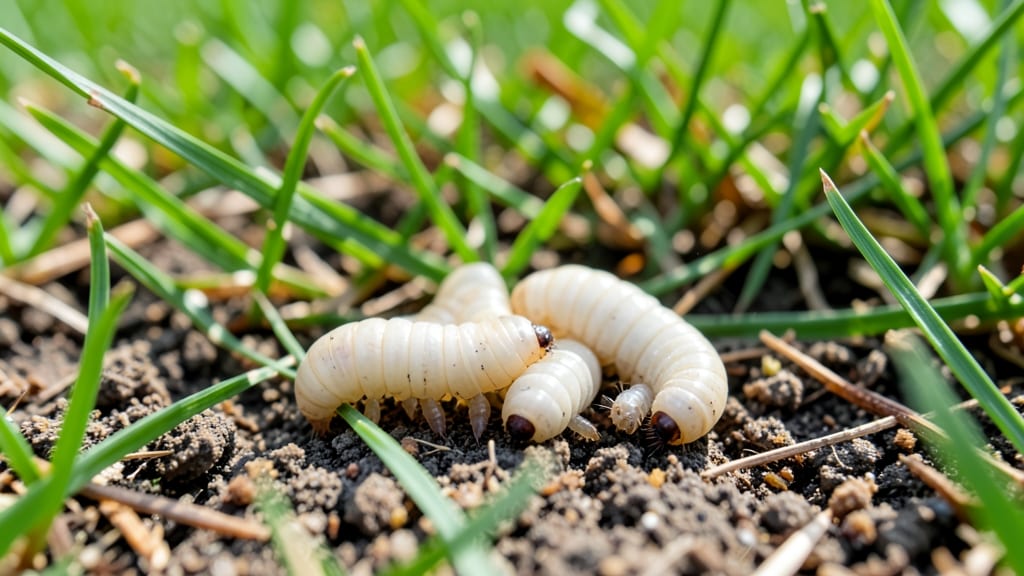
What to do about grubs in your lawn can turn lush green into a spongy mess in weeks—unless you act fast. 🌱 I’ve seen firsthand how these white, C-shaped larvae chew through grass roots, leaving brown patches that look like drought damage. The good news? You can stop the damage in 72 hours without harsh chemicals, if you know the right steps. The secret starts with identifying the problem—lift a small patch of sod and check for grubs. If you find more than 5-10 per square foot, it’s time to act. The key is disrupting their life cycle before they pupate into beetles, which means targeting them at the right time of year (late summer to early fall). Within 3 days, you’ll see healthier grass pushing through as the grub population crashes. The best part? These methods work for organic lawns, kids’ play areas, and even pet-friendly yards—no toxic residue left behind. Let’s get your lawn back to thick, resilient green without sacrificing safety or sustainability. Here’s how to do it the right way.
The Hidden Triggers Behind Grubs
Grubs—the creeping, munching larvae of beetles like Japanese beetles and June bugs—can turn your lush lawn into a patchwork of brown, spongy destruction. But why do they suddenly appear and wreak havoc?
The answer lies in a mix of environmental factors, lawn health, and even human habits. Let’s break down the real culprits behind grub infestations so you can tackle them head-on.
Grubs thrive in moist, soft soil—the kind that’s either too wet or compacted. Here’s why: - Excessive moisture (from overwatering, poor drainage, or heavy rainfall) creates the perfect breeding ground.
Grubs can’t survive in dry soil, but soggy conditions make them more active and prolific. - Compacted soil (often from foot traffic, heavy equipment, or clay-heavy areas) prevents proper drainage, trapping moisture and inviting grubs to feast on roots. - Thatch buildup (a layer of organic matter between soil and grass) can also hold excess water, creating a grub paradise.
Actionable insight: If your lawn stays damp for long periods, grubs will move in. Test your soil’s drainage by digging a small hole—if water pools instead of absorbing, you’ve got a problem.
A healthy lawn is resilient, but when grass is weak, thin, or stressed, grubs see it as an all-you-can-eat buffet.
Common stress factors include: - Nutrient deficiencies (lack of nitrogen, phosphorus, or potassium) weaken roots, making them easier targets. - Disease or fungus (like brown patch or dollar spot) damages grass, exposing tender roots to grub attacks. - Improper mowing (cutting too short or unevenly) stresses plants, reducing their ability to recover from damage. - Pests like chinch bugs or armyworms already feeding on your lawn can attract grubs as secondary invaders.
Actionable insight: Conduct a soil test to check nutrient levels. If your grass is yellowing, patchy, or recovering slowly from foot traffic, grubs are more likely to move in.
Grubs don’t just appear—they’re the offspring of adult beetles, and these pests are highly selective about where they deposit their eggs.
Key triggers: - Japanese beetles (the most destructive) prefer well-manicured, lush lawns with clover or other broadleaf plants (they feed on flowers before laying eggs). - June bugs and May/June beetles target grassy areas with rich organic matter, often near wooded edges, compost piles, or garden beds. - Timing matters: Most beetles lay eggs late spring to early summer (June–July), with larvae hatching in 2–4 weeks.
If you see swarms of beetles in your yard, eggs are likely already buried in your soil.
Actionable insight: Set up beetle traps early in the season (but place them away from your lawn—they can attract more beetles!). If you spot adult beetles, act fast: grubs will follow.
Grubs love organic-rich soil because it provides:
- Easy-to-digest nutrients (decomposing leaves, grass clippings, or compost) that fuel their growth.
- Moisture retention, keeping soil conditions ideal for hatching and survival.
- Shelter from predators (birds, toads, and beneficial nematodes avoid dense organic layers).
Actionable insight: If you’ve recently top-dressed your lawn with compost or left thick layers of mulch/leaves, grubs may have moved in. Rake up excess organic matter and aerate to disrupt their habitat.
Some common (but unintentional) lawn care mistakes accelerate grub populations:
- Over-fertilizing with nitrogen (especially in late summer) makes grass softer and more appealing to grubs.
- Using synthetic pesticides that kill natural predators (like ground beetles, starlings, or nematodes) while leaving grubs unharmed.
- Planting grub-loving grasses (like tall fescue or Kentucky bluegrass) without proper care—these grasses are more susceptible to damage.
- Ignoring early signs (like birds pecking at your lawn or patches of wilting grass) until the infestation spreads.
Actionable insight: Shift to balanced fertilization (avoid late-summer nitrogen spikes) and encourage natural predators with diverse plantings (like dandelions or clover).
Grubs are highly sensitive to weather, and certain conditions boost their survival rates:
- Warm, humid summers (ideal for egg hatching and larval growth).
- Mild winters (in colder climates, grubs often die off in freezing temps, but warming winters mean more survivors).
- Early spring rains (trigger beetle emergence and egg-laying).
Actionable insight: If you live in a humid, warm climate, monitor your lawn June–August—this is peak grub season. In cooler areas, watch for unusually mild winters.
Grubs go through 3 stages in a year:
- Egg (laid by adult beetles in late spring/early summer).
- Larva (grub) (hatches in 2–4 weeks, feeds for 4–6 weeks).
- Pupa (overwinters in soil, emerges as an adult beetle the next spring).
Knowing this timeline helps you strike when they’re most vulnerable. For example:
- Early summer (June–July): Treat for eggs (use nematodes or milky spore).
- Late summer/early fall (August–September): Target larvae (grubs are largest and most damaging now).
- Spring: Focus on adult beetle control to prevent next year’s infestation.
Grubs don’t just randomly appear—they’re the result of specific conditions you can identify and fix. By understanding why they’re in your lawn, you can disrupt their life cycle and restore your grass faster. Next up: How to kick them out—organically and effectively.
Quick Fixes for Grub Damage
Grubs may seem like a tiny lawn menace, but their damage can be devastating—especially if you act too late. The good news? With the right approach, you can reverse their destruction in 72 hours or less and restore your lawn to health.
Below, we break down targeted solutions based on the root cause of your grub problem, from immediate fixes to long-term prevention.
If you’ve spotted yellowing patches, spongy turf, or animals digging up your lawn, grubs are likely the culprit. Here’s how to stop the damage ASAP:
🔥 Step 1: Confirm the Problem (Before Treating)
Before reaching for chemicals, verify you’re dealing with grubs:
- Roll back a small section of turf—if you see white, C-shaped larvae (1/4" to 1" long), it’s grubs.
- Check for adult beetles (Japanese beetles, June bugs, or chafers) near dusk—they lay eggs that hatch into grubs.
- Look for signs of wildlife (skunks, raccoons, or armadillos) tearing up your lawn—they’re feasting on grubs too!
> 💡 Pro Tip: If grubs are less than 1/2 inch long, they’re young and haven’t caused major damage yet. Wait a few days before treating to let them mature—this helps timing for a one-and-done solution.
1. 🌱 Beneficial Nematodes – The Silent Grub Assassin
Best for: Organic lawns, eco-friendly treatment, all grub stages How it works: Microscopic Steinernema carpocapsae nematodes infect and kill grubs within 48 hours without harming plants, pets, or kids.
👨🍳 Step-by-Step:
- Water your lawn deeply the night before (nematodes need moisture to move).
- Apply nematodes at dusk (they’re sensitive to sunlight) using a sprayer or hose-end applicator.
- Water lightly after application to help them penetrate the soil.
- Repeat in 10–14 days if grub numbers are high.
> ✨ Bonus: Nematodes also target cutworms, beetle larvae, and other soil pests—a multi-purpose defense!
Where to buy: Grow More Organic Beneficial Nematodes or local garden centers.
2. 🍄 Milky Spore – Long-Term Grub Prevention
Best for: Preventing future grub outbreaks (takes 2–3 years to fully establish) How it works: A natural bacteria (Bacillus popilliae) that infects and kills Japanese beetle grubs in the soil.
👨🍳 Step-by-Step:
- Apply milky spore powder to your lawn in early spring or fall (when soil temps are 50–70°F).
- Water thoroughly to help spores penetrate.
- Reapply every 2–3 years for best results.
> 🌡️ Warning: Works only on Japanese beetle grubs—not other species like June bugs or chafers.
Where to buy: Garden Safe Milky Spore or Amazon.
3. 🍎 Neem Oil – Smother the Grubs (Short-Term Fix)
Best for: Small infestations, organic control, deterring adult beetles How it works: Disrupts grub feeding and growth while repelling adult beetles from laying eggs.
👨🍳 Step-by-Step:
- Mix neem oil (1–2 tbsp per gallon of water) with a surfactant (like dish soap).
- Spray directly on grubs (if visible) or over the lawn in early evening.
- Reapply every 7–10 days until grubs are gone.
> 💡 Pro Tip: Neem oil also prevents fungal diseases—a two-for-one lawn boost!
Where to buy: Bonide Neem Oil.
4. 🔪 Manual Removal – For Small, Localized Patches
Best for: Small lawns, organic gardeners, quick cleanup How it works: Dig out grubs by hand and let birds/beneficial insects finish the job.
👨🍳 Step-by-Step:
- Water the lawn to soften the soil (makes digging easier).
- Use a trowel or fork to pry up sod in damaged areas.
- Pick out grubs (they’ll wiggle when disturbed) and drop them in soapy water to kill them.
- Reseed or lay new sod in bare spots.
> 🎯 Best for: Lawns under 5,000 sq ft—not practical for large infestations.
If organic methods fail, insect growth regulators (IGRs) or grub-specific pesticides can help—but use with caution:
| Product | Active Ingredient | How to Apply | Safety Notes |
|---|---|---|---|
| Bayer Advanced Grub Killer | Imidacloprid | Apply in early summer (when grubs hatch) | Avoid if you have bees or beneficial insects |
| Merit 0.5G | Imidacloprid (granular) | Water in evenly over lawn | Systemic—stays in soil for months |
| Mach 2 | Chlorantraniliprole | Spray in late spring/early summer | Lower toxicity to pets than imidacloprid |
> ⚠️ Warning: Chemicals can harm bees, earthworms, and beneficial insects. Water in thoroughly to avoid runoff.
1. 🌱 Strengthen Your Lawn’s Defenses Grubs love weak, thin grass.
A healthy lawn is their worst nightmare. - Mow high (3–4 inches) to shade out weeds (grubs prefer weak grass). - Aerate in fall to reduce thatch (grubs hide in thick layers). - Overseed in early fall with tall fescue or Kentucky bluegrass (grubs dislike these grasses).
2. 🕷️ Encourage Natural Predators
- Leave some bare spots for toads, birds, and skunks (they eat grubs).
- Plant native flowers to attract ladybugs, ground beetles, and parasitic wasps.
- Avoid broad-spectrum pesticides—they kill grub-eating insects too!
3. 🗓️ Timing Is Everything
- Apply nematodes or milky spore in early summer (when grubs hatch).
- Treat with neem oil in late spring to deter adult beetles from laying eggs.
- Aerate and overseed in fall to starve out grubs (they’ll have no food).
4. 🚫 Grub-Resistant Grass Types
Some grasses naturally repel grubs:
- Tall fescue (grubs dislike its deep roots)
- Buffalo grass (drought-tolerant and grub-resistant)
- Centipede grass (low-maintenance and grub-unfriendly)
| Day | Action | Goal |
|---|---|---|
| Day 1 | Water deeply + apply nematodes | Kill existing grubs |
| Day 2 | Spray neem oil (evening) | Stop adult beetles from laying eggs |
| Day 3 | Reseed bare spots + aerate | Repair damage and improve soil health |
| Week 2 | Reapply nematodes if needed | Ensure full grub elimination |
Frequently asked questions
How do I know if my lawn has grubs instead of other pests?
Look for white, C-shaped larvae (about 1/4" to 1" long) when you roll back sod. Grubs leave spongy patches that feel soft underfoot, while chinch bugs create yellow patches that pull up easily. Check for birds digging—they’re a dead giveaway for grub activity!
Can I use vinegar to kill grubs?
Vinegar won’t kill grubs directly, but a 3% solution can help deter adult beetles from laying eggs. For best results, spray neem oil (which disrupts their life cycle) or use beneficial nematodes—they’re far more effective against established grubs.
When is the best time to treat for grubs?
Target grubs in late summer/early fall (August–September) when they’re largest and most damaging. For prevention, apply milky spore in spring or nematodes in early summer to catch eggs before they hatch.
Will my lawn recover if I just wait?
Grubs can destroy 50% of grass roots in weeks, so waiting risks permanent damage. Reseed bare spots immediately and use nematodes or neem oil to stop further feeding. Healthy grass will fill in within 4–6 weeks if you act fast.
Are grubs harmful to pets or kids?
Grubs themselves aren’t dangerous, but the chemicals used to kill them can be. Opt for nematodes or milky spore—they’re pet- and kid-safe. Always avoid imidacloprid-based pesticides if children or pets play on the lawn.