
Lawn
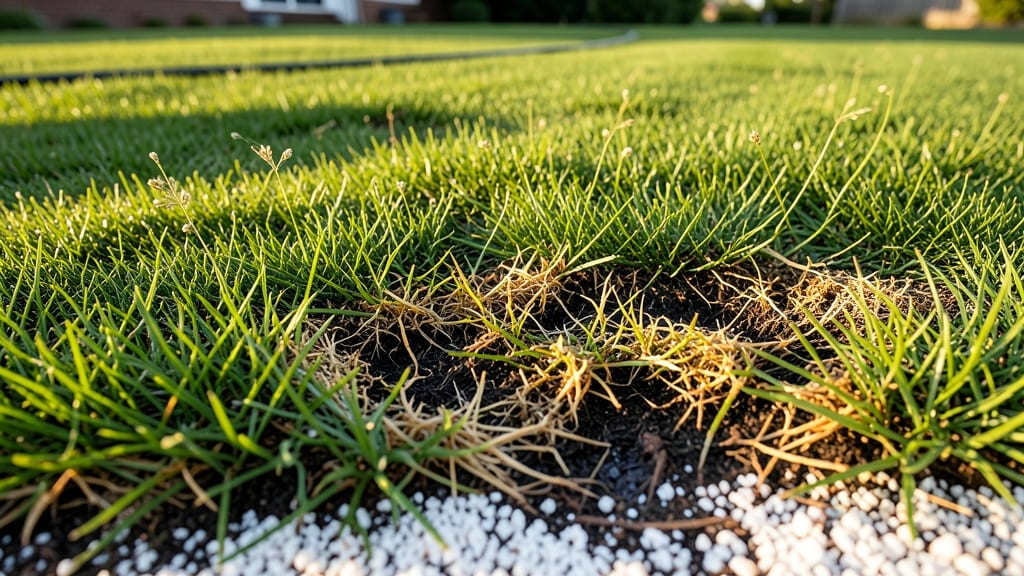
Dog urine is ruining your lawn into a patchwork of yellow crime scenes—until you learn the ammonia-blocking tricks that actually work. 🌱 I’ve turned my once-spotted yard into a lush, dog-friendly green carpet by tackling the problem at its source: concentrated ammonia.
The fix isn’t just about watering more (that’s a myth); it’s about smart grass choices, quick cleanup, and a few unexpected hacks that stop the damage before it starts.
Here’s the hard truth: dog urine burns grass because of its high ammonia content, not just the volume. The good news? Dilution is your first defense—always water your dog immediately after they go, and train them to pee in one spot if possible.
I also switched to dog urine-tolerant grasses like tall fescue or Kentucky bluegrass, which bounce back faster than delicate turf varieties. Even my black thumb can’t kill these when paired with proper care.
For the yellow spots already marring your lawn, the rescue comes in layers: overseed bare patches with a shade-tolerant mix, apply a low-nitrogen fertilizer to rebuild roots, and consider a natural soil conditioner like compost to buffer future damage.
Within 4-6 weeks, those dead patches turn into green again—no more guessing games or expensive sod replacements.
This works for any yard size, from small urban patches to sprawling suburban lawns. The key is consistency: act fast on cleanup, adjust your grass, and protect the soil. Your lawn—and your dog—will thank you for it.
Why it happens
When your dog does its business on the lawn, it’s not just an annoying mess—it’s a chemical time bomb. Dog urine contains high concentrations of nitrogen (ammonia), phosphorus, and uric acid, which can wreak havoc on grass if left unchecked.
But why does it happen? Let’s break down the key culprits and the science behind them.
🧪 High Ammonia Levels Burn Grass
Dog urine is 4x more concentrated in ammonia than human urine, thanks to a dog’s high-protein diet. When urine hits the grass, the ammonia immediately raises the soil’s pH, creating an alkaline environment. This chemical shift:
- Disrupts root absorption – Grass struggles to take up water and nutrients, leading to wilting or browning.
- Kills beneficial microbes – Soil bacteria and fungi that help grass grow die off in high pH conditions.
- Causes oxidative stress – The ammonia acts like a bleach, breaking down chlorophyll and turning green grass yellow.
Actionable fix: Dilute urine with water (1:1 ratio) or train your dog to urinate on a gravel path to reduce direct exposure.
🌱 Uric Acid Crystallization Damages Cells
Unlike human urine, dog urine contains uric acid crystals from their carnivorous diet. These crystals:
- Physically damage grass blades – The sharp crystals puncture cell walls, leading to dehydration and death.
- Accumulate in soil – Over time, they create a toxic layer that prevents new grass growth.
- Combine with ammonia – The duo creates a double whammy of chemical and physical stress.
Actionable fix: Rake or water the area within 10 minutes of urination to flush out crystals before they settle.
🔥 Soil Nutrient Imbalance from Over-Fertilization
While urine adds nitrogen (which grass needs), the sudden spike in one nutrient throws off the balance. Grass becomes:
- Nitrogen-burned – Too much nitrogen without phosphorus/potassium leads to weak, yellowing blades.
- Prone to pests – Stressed grass attracts grubs and fungus, worsening damage.
- Slow to recover – Without proper soil testing, you might overcompensate with lawn fertilizer, creating a cycle of harm.
Actionable fix: Test your soil’s pH (ideal: 6.0–7.0) and apply a balanced fertilizer (10-10-10) after diluting urine spots.
🌧️ Weather and Grass Type Matter
Not all lawns suffer equally. Factors like:
- Grass resilience – Kentucky bluegrass recovers faster than St. Augustine, which is more sensitive to urine.
- Drought conditions – Dry grass burns faster because ammonia evaporates slowly, prolonging exposure.
- Rainfall frequency – Heavy rain dilutes urine, but light showers can concentrate it, worsening damage.
Actionable fix: Water the lawn deeply 2–3x weekly (1 inch total) to flush out urine and keep grass hydrated.
Fixing Dog Urine Damage Fast
Now that you understand why your lawn suffers from dog urine, it’s time to take action! The good news? With the right steps, you can restore your grass and prevent future damage.
Below, we’ve mapped out practical solutions based on the root cause of the problem—whether it’s ammonia burn, soil compaction, or nutrient imbalance—plus prevention tips to keep your lawn lush and happy.
If your lawn shows yellow or brown patches from concentrated urine, act fast to neutralize the ammonia before it does more harm.
How to do it:
- 💦 Rinse the Area – Use a hose with a gentle spray nozzle to dilute the urine. Focus on soaking the spot thoroughly for at least 30 seconds.
- 🌱 Apply a Vinegar or Baking Soda Solution – Mix 1 part white vinegar or baking soda with 3 parts water in a spray bottle. Lightly mist the affected area to balance the pH and reduce ammonia’s harsh effects.
- 🌿 Overseed or Replant – If the grass is already dead, rake out the damaged patches and sprinkle new grass seed (choose a dog-friendly grass type like tall fescue or Kentucky bluegrass). Keep the soil moist until the new grass sprouts.
✨ Pro Tip: If you don’t have vinegar or baking soda, distilled water works too—just rinse immediately after your dog goes.
Even after diluting the urine, your lawn may still struggle due to nutrient loss or compacted soil. Here’s how to revive weak grass:
🔹 Improve Soil Drainage & Aerate
- 🔪 Use a Garden Fork or Aerator – Poke holes 6 inches deep in affected areas to loosen compacted soil and help roots breathe.
- 🪴 Add Organic Matter – Mix in compost or peat moss to improve soil structure and retain moisture.
🔹 Fertilize Smartly (But Not Too Soon!)
- Wait 1-2 weeks after rinsing before fertilizing to avoid overloading the grass.
- Use a slow-release, nitrogen-rich fertilizer (like 10-10-10) to strengthen roots and promote regrowth.
- 💡 Pro Tip: Avoid high-nitrogen fertilizers right after urine damage—they can worsen burn if the soil isn’t ready.
🔹 Test & Adjust Soil pH
- 📊 Get a Soil Test Kit (available at garden centers) to check pH.
- If the soil is too acidic (below 6.0), add lime to balance it.
- If it’s too alkaline (above 7.5), mix in sulfur or peat moss.
The best way to protect your lawn? Break the cycle before it starts. Try these easy, dog-friendly habits:
🔹 Train Your Dog to Pee in Designated Spots
- 🎯 Use Artificial Turf or Gravel Pads – Place a fake grass patch or pebble area where your dog usually goes.
Dogs learn quickly! - 🚿 Train with a Cue Word – Say "go potty" while they’re in the designated area to reinforce the habit.
🔹 Dilute & Distribute Urine on the Spot
- 💦 Encourage Your Dog to Drink Water – More hydration = less concentrated urine.
- 👨🍳 After They Go, Sprinkle the Area – Use a small handheld spray bottle to dilute urine immediately (even if the grass isn’t visibly damaged).
🔹 Choose Dog-Friendly Grass Types
Some grasses tolerate urine better than others. Consider:
- 🌿 Tall Fescue (deep roots, drought-resistant)
- 🌿 Kentucky Bluegrass (recovers well from damage)
- 🌿 Buffalo Grass (naturally urine-resistant)
🔹 Mow & Water Strategically
- 🌱 Keep Grass Taller (3-4 inches) – Longer blades absorb urine better than short grass.
- 💦 Water Deeply & Frequently – 1-1.5 inches per week helps flush out ammonia and keeps soil healthy.
If you’re dealing with severe damage and need a quick fix, try:
- 🪴 Mulch or Wood Chips – Spread a thin layer over dead patches to suppress weeds while new grass grows.
- 🌿 Temporary Ground Cover – Use clover or creeping thyme (both dog-safe and urine-resistant) to fill in bare spots.
| Step | When to Do It | What to Use |
|---|---|---|
| Rinse & Dilute | Immediately after peeing | Hose + vinegar/baking soda spray |
| Aerate Soil | After grass shows signs of recovery | Garden fork or aerator |
| Fertilize | 1-2 weeks after rinsing | Slow-release nitrogen fertilizer |
| Overseed | When new grass is 2-3 inches tall | Dog-friendly grass seed |
| Train Dog | Daily (reinforce good habits) | Designated potty area + water breaks |
Final Thought: With quick action + smart prevention, your lawn can bounce back stronger—and your dog can keep doing their business without the guilt! 🐕💚 The key is consistency: dilute, aerate, fertilize, and train to keep your yard green and happy.
Frequently asked questions
Why does dog urine turn grass yellow so quickly?
Dog urine contains 4x more ammonia than human urine, which immediately raises soil pH and disrupts root absorption. The ammonia acts like a chemical burn, breaking down chlorophyll and turning grass yellow within hours. Uric acid crystals also physically damage grass blades, accelerating the damage.
Will watering my dog more help prevent lawn damage?
Yes! More water = less concentrated urine. Encourage your dog to drink 1 oz per pound of body weight daily, and always provide fresh water. Diluted urine is far less harmful to grass. Pair this with rinsing spots immediately after your dog goes for best results.
Can I just fertilize to fix yellow spots from urine?
No—fertilizing too soon can worsen damage. Wait 1-2 weeks after rinsing spots to let soil recover, then use a balanced fertilizer (10-10-10). High-nitrogen fertilizers right after urine damage can actually burn grass further. Test soil pH first (ideal: 6.0–7.0).
What’s the fastest way to fix dead grass patches?
Rake out dead grass, then overseed with dog-friendly grass like tall fescue or Kentucky bluegrass. Keep soil moist for 2-3 weeks and avoid fertilizing until new grass is 2-3 inches tall. For temporary cover, use clover or creeping thyme—both tolerate urine well.
Are there any grasses that naturally resist urine damage?
Buffalo grass and tall fescue are top choices—they have deep roots that dilute urine better than delicate varieties. Kentucky bluegrass also recovers well. Avoid St. Augustine or Bermuda grass, which are highly sensitive to ammonia burns.