
Pests
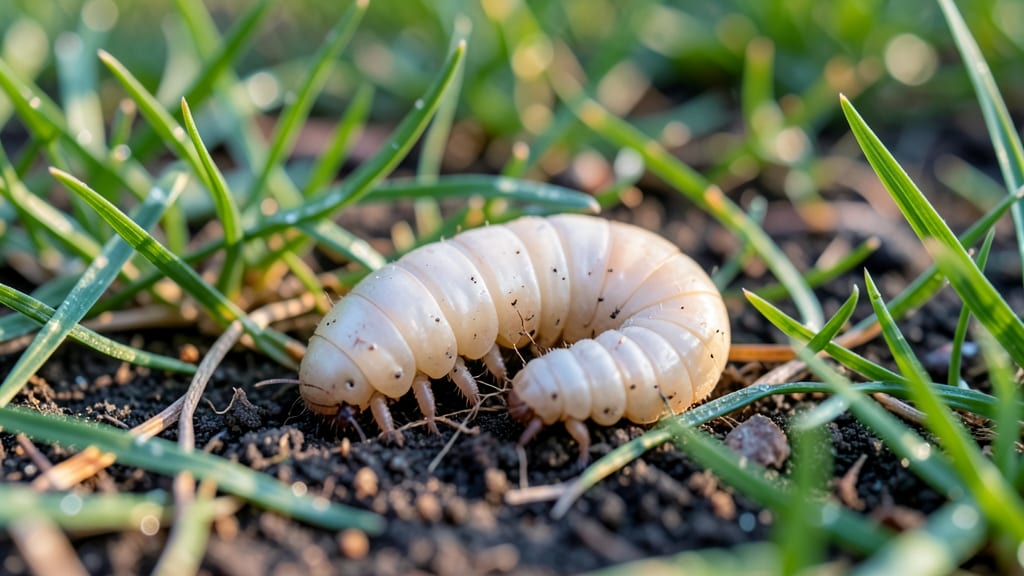
Grubs turn your lush lawn into a patchwork of brown death traps. 🌱 I’ve seen healthy grass die overnight from these white, C-shaped pests—chewing through roots like tiny lawn mowers, leaving patches that pull up like wet cardboard.
The damage isn’t just ugly; it’s a fast-track to bare soil, moles, and a lawn that looks like it’s suffering from drought—even when you’re watering it religiously.
The real kicker? You might not even notice them until it’s too late. Grubs hide just below the surface, feasting on roots while your grass turns spongy underfoot. One minute you’re mowing, the next you’re yanking up dead patches that smell like overripe fruit.
And don’t get me started on the wildlife they attract—skunks, raccoons, and moles move in for the grub buffet, turning your yard into a construction zone.
Here’s the good news: catching them early means you can save your lawn without resorting to harsh chemicals. A quick soil test with a trowel reveals their presence (just look for those fat, white larvae), and targeted treatments—like nematodes or milky spore—can send them packing for good.
The key? Act before those brown patches spread like wildfire.
Prevention starts with healthy soil and smart watering. Overwatering is their favorite party invitation, so let the top inch dry between waterings. And if you’ve got a history of grub trouble, consider grub-resistant grass types like tall fescue. Trust me, your lawn will thank you.
How Grubs Invade Your Lawn
Grubs—those plump, C-shaped larvae of beetles—aren’t just a nuisance; they’re lawn-destroying powerhouses. But why do they target your grass in the first place? The answer lies in their biology, your lawn’s health, and even your local climate.
Let’s break down the real reasons these pests turn your green space into a brown battleground.
Grubs thrive in moist, soft soil—almost like a gourmet restaurant for lawn pests. When you overwater your lawn (or if poor drainage keeps the ground soggy), you’re creating the perfect environment for:
- Root decay: Excess water weakens grass roots, making them easier for grubs to munch through. Think of it like overripe fruit—soft, sweet, and irresistible.
- Fungal growth: Damp soil encourages fungi, which grubs love to eat. This doubles the damage, as the fungi further stress the grass.
- Beetle attraction: Female beetles (like Japanese beetles or June bugs) seek out moist soil to lay eggs. More eggs = more grubs = more destruction.
Actionable fix: Test your soil’s drainage and adjust watering to deep but infrequent sessions (1–1.5 inches per week). Let the top inch dry between waterings to deter grubs.
Thatch—a layer of dead grass, roots, and debris—isn’t always bad, but when it gets too thick (over ½ inch), it becomes a grub playground. Here’s why:
- Warmth and shelter: Thatch insulates the soil, keeping it warm and protected from predators (like birds or beetle-eating nematodes). Grubs love hiding in this cozy layer.
- Food source: Decaying organic matter in thick thatch provides a steady snack for grubs, encouraging them to stay and multiply.
- Egg-laying paradise: Female beetles prefer to deposit eggs in thatch because it’s soft and undisturbed.
Actionable fix: Dethatch your lawn in early spring or fall using a rake or dethatching machine. Aim for a thatch layer no thicker than ¼ inch to starve out grubs.
Grubs are temperature-sensitive. They hatch and thrive in:
- Warm soil (60–85°F): Ideal for their development. Southern states (like Texas, Florida, or the Southeast) see year-round grub activity, while northern lawns may only face outbreaks in summer.
- Humid conditions: High moisture levels keep their skin from drying out and support bacterial growth in the soil, which grubs digest as a secondary food source.
- Seasonal peaks: Most grubs appear in late summer to early fall (when beetles lay eggs) and again in spring (when they pupate into adult beetles).
Actionable fix: If you live in a warm climate, monitor your lawn in June–August for early signs (wilted patches, spongy grass). In cooler areas, watch for grubs in May–July.
A stressed or thin lawn is like an all-you-can-eat buffet for grubs. Here’s how it happens:
- Lack of nutrients: Grass with low nitrogen or phosphorus is easier to digest for grubs. Healthy grass has tougher roots and higher sugar content, which deters pests.
- Compaction: Compacted soil cuts off oxygen to roots, making them weak and grubs’ favorite snack. Compacted areas also hold moisture longer, attracting beetles.
- Disease or pests: If your lawn already has fungus (like brown patch) or other insects (like chinch bugs), grubs move in to finish the job.
Actionable fix: Aerate compacted soil in fall, overseed bare spots, and fertilize with a balanced NPK ratio (16-4-8 or similar) to toughen grass roots.
Grubs don’t just appear—they’re the offspring of beetles. Common lawn-damaging beetles include:
- Japanese beetles: Lay eggs in July–August; grubs overwinter and emerge in spring.
- June bugs: Eggs hatch in late summer, and grubs feed until winter.
- Masked chafer beetles: Active in early summer; their grubs cause sudden turf die-off.
Once adult beetles lay eggs in your lawn, the grubs will return year after year unless you break the cycle.
Actionable fix: Handpick beetles at dusk (they’re attracted to lights), use nematode treatments, or apply grub-specific insecticides in early summer before eggs hatch.
How to Fix Grub Damage Fast
Grubs may sound like tiny troublemakers, but with the right approach, you can save your lawn and keep those pests in check. Below are targeted solutions based on the type of grub damage you’re dealing with—plus prevention tips to stop future invasions.
Let’s roll up your sleeves and get to work!
Before diving into fixes, identify the culprit.
Dig up a small patch of lawn (about 2–3 inches deep) and look for: - White grubs (C-shaped larvae) in the soil. - Brown, patchy grass that pulls up easily (a sign of root damage). - Moles or birds digging up your lawn (they’re feasting on grubs!).
💡 Pro Tip: If you spot skunks or raccoons tearing up your yard, grubs are definitely the issue—they’re a buffet for these critters!
👨🍳 Option 1: Organic & Natural Remedies (Best for Small Lawns or Eco-Friendly Fixes)
If you prefer chemical-free solutions, try these grub-killing powerhouses:
| Method | How to Use | Best For |
|---|---|---|
| Nematodes (Beneficial) | Apply heterorhabditis bacteriophora nematodes in early evening (they need moisture). Water lightly after. | Lawns with light infestations (1–2 grubs per sq. ft.). |
| Milky Spore Powder | Sprinkle 1–2 lbs per 1,000 sq. ft. in early summer. Reapply yearly for prevention. | Long-term prevention (takes 1–2 years to fully establish). |
| Neem Oil Spray | Mix 2 tbsp neem oil + 1 tsp dish soap per gallon of water. Spray grass (avoid direct sun). | Young grubs (works as a repellent). |
✨ Bonus: Encourage predators like toads, birds, and ground beetles by keeping a healthy lawn (thick grass = fewer grubs).
🔪 Option 2: Chemical Controls (Fast & Effective)
For severe damage (3+ grubs per sq. ft.), synthetic pesticides deliver quick results. Here’s how to use them safely:
🔹 Imidacloprid (Merit) or Chlorantraniliprole (Scotts GrubEx) - When to apply: Late spring to early summer (when grubs are young and vulnerable). - How to apply:
- Mow the lawn short (1–1.5 inches) for even coverage.
- Water the lawn lightly before application (soil should be moist but not soggy).
- Use a spreader to apply granules (follow label rates—usually 1–2 lbs per 1,000 sq. ft.).
- Water again to activate the treatment. - Reapply if needed: Some products require retreatment in 8–12 weeks.
⚠️ Safety First:
- Avoid applying before rain (it’ll wash away).
- Keep pets/kids off the lawn for 24–48 hours after treatment.
- Store chemicals securely out of reach.
⏰ Option 3: Physical Removal (For Small Areas or DIYers)
If your lawn is small or lightly infested, you can manually remove grubs:
- Water the lawn deeply the night before (grubs will rise to the surface).
- Rake or aerate the soil to expose grubs.
- Pick them off with gloves or a trowel (drop them in soapy water to kill them).
- Reseed or patch bare spots immediately.
💡 Pro Tip: Repeat every 2–3 weeks in grub season (May–July) for best results.
An ounce of prevention is worth a pound of cure! Break the grub life cycle with these easy habits:
🌱 Maintain a Healthy Lawn (Grubs Hate This!)
- Mow high (3–4 inches) to shade soil and discourage egg-laying.
- Water deeply but infrequently (1–1.5 inches per week) to prevent drought stress (weak grass = grub buffet).
- Aerate & overseed in early fall to strengthen roots.
- Fertilize in early summer (grubs thrive in over-fertilized lawns—use slow-release, balanced fertilizer).
🐞 Disrupt Grub Life Cycles
- Apply milky spore every 1–2 years (it infects grubs naturally).
- Use grub-resistant grass seeds (e.g., tall fescue, Kentucky bluegrass, or perennial ryegrass).
- Remove thatch (grubs love thick, organic layers—dethatch in early spring).
🕵️ Monitor & Act Early
- Check for grubs annually in May–June (dig a test patch).
- Set up traps (bury a soapy water bucket—grubs will crawl in and drown).
- Encourage natural predators (leave some leaf litter, plant native flowers for beneficial insects).
| Task | When to Do It | Why It Matters |
|---|---|---|
| Reseed bare spots | Early fall or spring | Fills gaps before grubs return. |
| Apply nematodes | Early summer | Kills grubs before they mature. |
| Reapply milky spore | Late summer | Builds long-term grub resistance. |
| Aerate & fertilize | Early fall | Strengthens grass roots. |
Remember: Grubs don’t stand a chance against a well-maintained, predator-friendly lawn. Start with one or two methods, monitor progress, and adjust as needed. With patience and persistence, your lawn will bounce back greener than ever! 🌿💚
Frequently asked questions
How do I know if my lawn damage is from grubs?
Look for these telltale signs: spongy grass that pulls up easily (like wet cardboard), brown patches that spread quickly, or wildlife activity like skunks or raccoons digging. Dig up a small patch—if you find white, C-shaped larvae (grubs) near the roots, that’s your culprit!
Can grubs kill my entire lawn?
Not overnight, but severe infestations can cause irreversible damage if left untreated. Grubs chew through roots, leaving grass vulnerable to drought and disease. If 3+ grubs per square foot are present, you’ll likely see 50%+ die-off within weeks. Act fast to save your lawn!
What’s the best time of year to treat grubs?
Apply treatments in late spring to early summer (May–June) when grubs are young and vulnerable. For prevention, use milky spore in early summer or nematodes in evening (they need moisture). Avoid fall treatments—grubs are already established by then.
Are chemical treatments safe for pets?
Most grub-specific pesticides (like imidacloprid) are toxic to pets if ingested. Keep animals off treated lawns for 48–72 hours and avoid products with chlorpyrifos. For pet-safe options, use nematodes or neem oil instead. Always check labels!
How long does it take to see results after treatment?
Natural methods like nematodes take 2–4 weeks to work, while chemical treatments show improvement in 7–14 days. For severe damage, you may need reseeding—new grass takes 4–6 weeks to establish. Monitor your lawn closely for progress!