
Lawn
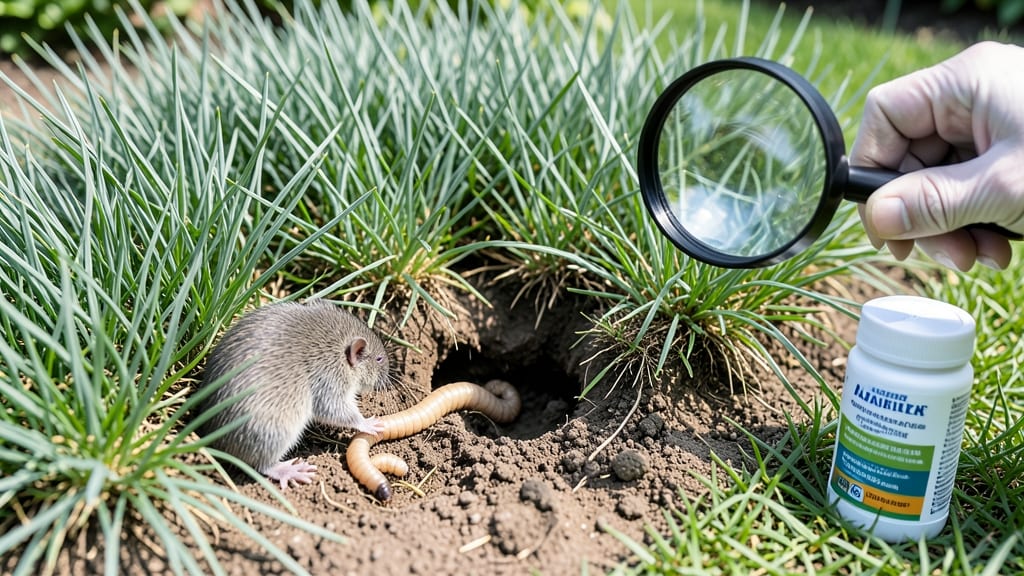
Burrowing lawn pests turn your perfect green into a Swiss cheese of tunnels. 🌱 I’ve seen grubs, moles, and voles destroy lawns in weeks—and I’ll show you how to stop them fast without harsh chemicals. The key is humane traps that work with nature, not against it.
First, identify the culprit: grubs leave behind patchy brown spots, moles create raised tunnels, and voles chew through grass roots. Once you know who’s digging, you can target them with simple, effective traps—like castor oil-based repellents for grubs or underground tunnels for moles. No more guessing, just results.
You’ll see improvement within days, not weeks. Healthy grass regrows faster, and pests lose their favorite buffet. The best part? These methods are safe for kids, pets, and the environment—no more toxic sprays or waiting months for recovery.
Works for any lawn type, from small yards to large properties. Let’s get those tunnels filled and your grass back to lush in no time!
The Hidden Triggers Behind Lawn Digging
If your lawn looks like it’s been hit by a subterranean construction crew, you’re likely dealing with burrowing pests. But why do they choose your yard as their personal excavation site? The answer lies in a mix of environmental cues, resource availability, and even human habits.
Understanding these triggers is the first step to outsmarting them—without resorting to harsh chemicals. Let’s dig into the root causes.
Burrowing pests—like moles, voles, and grubs—aren’t just randomly tunneling. They’re responding to ideal soil conditions that make your lawn a five-star hotel. Here’s what’s luring them in:
- Loose, Aerated Soil: Pests thrive in soil that’s easy to dig. Overwatering, heavy foot traffic, or recent landscaping (like aeration) can create the perfect fluffy texture for tunneling. Pro tip: Compacted soil repels them, but too much compaction can harm grass—balance is key!
- High Moisture Content: Damp soil is a magnet for pests. Irrigation systems, poor drainage, or even morning dew can turn your lawn into a soggy buffet. 💡 Test your soil’s moisture: If it stays damp for more than 24 hours after watering, you’ve got a problem.
- Rich Organic Matter: Pests love feasting on roots, worms, and decomposing plant material. Over-fertilizing or using composted mulch can create a smorgasbord underground. Watch out: Synthetic fertilizers can also disrupt soil ecosystems, indirectly attracting pests by stressing plants.
🔍 Quick Fix: Adjust your watering schedule (deep but infrequent soakings) and let soil dry slightly between sessions. A soil test can reveal if nutrients are overabundant.
Not all burrowing pests eat dirt—they’re often after a meal. Here’s what’s on their menu:
| Pest | Favorite Lawn Snacks | Why They Dig |
|---|---|---|
| Grubs (larvae of beetles) | Grass roots, organic debris | They tunnel to reach food, weakening grass and creating perfect mole highways. |
| Moles | Earthworms, grubs, insects | They dig to hunt—more worms = more digging. Overwatered lawns = worm paradise. |
| Voles | Roots, bulbs, bark | They gnaw and burrow to access plant material, often targeting young or stressed plants. |
💡 Actionable Tip: Reduce grubs by applying beneficial nematodes (microscopic worms that kill grubs naturally). For moles, eliminate their food source by treating grubs first—no worms, no mole buffet!
You might unknowingly be inviting burrowers with everyday lawn care routines. Here’s how:
- Overwatering: Excess moisture softens soil and attracts grubs and worms—mole and vole magnets. ✨ Rule of thumb: Water deeply 1–2 times per week (not daily).
- Thatch Buildup: A thick thatch layer (dead grass, roots) traps moisture and provides shelter. Pests love the cozy, damp environment. Solution: Dethatch annually if your layer exceeds ½ inch.
- Landscaping Edges: Pests use mulch, wood chips, and dense shrubs as cover. A border of gravel or metal edging can block their entry points.
- Ignoring Pest Debris: Moles and voles leave behind mounds and chewed plants. These signs often mean they’ve already established tunnels—act fast to disrupt them.
🚫 Avoid This: Skipping soil aeration can create pockets of compacted and loose soil, giving pests the perfect tunneling contrast. Aerate annually for balance.
Burrowing activity isn’t random—it spikes during specific weather patterns and seasons:
- Spring: Warmth triggers grubs to hatch and moles to hunt. 🌱 Apply grub control in early spring before eggs hatch.
- Fall: Cool, moist soil is ideal for grubs and voles. Pro tip: Rake leaves promptly—they create damp hiding spots.
- After Rain: Soil softens, making it easier for pests to dig. ⏰ Inspect your lawn post-rain for fresh mounds or damaged grass.
- Drought Stress: Stressed grass releases more sugars into roots, attracting grubs. 💧 Keep lawns hydrated but avoid overwatering.
📅 Seasonal Checklist:
- Spring: Treat for grubs + mole repellent.
- Summer: Monitor for mole activity (they’re less active but still hunt).
- Fall: Rake leaves + apply nematodes if grubs are present.
- Winter: Remove leaf litter to deny voles shelter.
Humane Fixes for Underground Lawn Invaders
If your lawn is under siege by burrowing pests like grubs, moles, or voles, don’t panic—there are effective, humane ways to reclaim your turf without harming wildlife or the environment.
Below, we’ve mapped out targeted solutions based on the most common culprits, along with prevention tips to keep them from returning. 🚜🐛
Grubs—larvae of beetles—chew through roots, leaving brown patches and spongy grass. Here’s how to tackle them:
🔥 Trap & Remove Them
- Soapy Water Flood – Mix 1 tablespoon of dish soap with 1 gallon of warm water. Pour it over affected areas in the evening; grubs will surface within 30 minutes. Scoop them up with a trowel or shovel and dispose of them in soapy water.
- Hand-Picking (Best for Small Lawns) – After watering, grubs rise to the surface. Use a hand trowel to gently lift them and relocate them to a far-off garden bed (not your compost!).
🌱 Natural Repellents & Lawn Care
- Nematodes (Beneficial Worms) – Apply Heterorhabditis bacteriophora nematodes (available at garden centers) to your lawn. These microscopic predators hunt grubs naturally. Water lightly after application.
- Milky Spore or Beauveria Bassiana – These organic treatments infect grubs over time. Apply in early spring or fall for long-term control.
- Healthy Grass = Fewer Grubs – Aerate your lawn annually and overseed with tough grass varieties like tall fescue or Kentucky bluegrass. Thick grass outcompetes grubs for food.
💡 Pro Tip:
> Timing is everything! Treat grubs in late summer or early fall when they’re young and most vulnerable. Avoid chemical pesticides—they can harm beneficial insects and pollute groundwater.
Moles create unsightly (and dangerous) tunnels but rarely eat plants. They’re drawn to grubs, worms, and insects—so fix the grubs first!
🍳 Humane Trapping Methods
- Castor Oil Bait Stations – Moles dislike castor oil. Place a few drops in shallow holes along their tunnels or use commercial castor oil-based repellents. Reapply after rain.
- Bucket Traps (No Harm Done) – Bury a 5-gallon bucket halfway into a tunnel, leaving the top flush with the ground. Moles will dig into it but can’t escape. Release them far from your yard (at least 100 yards away).
- Ultrasonic Repellents – Solar-powered devices emit vibrations that moles find unpleasant. Place them near active tunnels for a chemical-free deterrent.
🌡️ Long-Term Deterrents
- Reduce Their Buffet – Eliminate grubs and worms by treating the lawn as above. Moles will move on if their food source disappears.
- Plant Mole-Repelling Ground Covers – Marigolds, daffodils, and alliums (like garlic and onions) deter moles with their strong scents.
- Keep Grass Short – Moles prefer tall grass where they can hide. Mow regularly to make your lawn less appealing.
⚠️ What NOT to Do:
- Avoid poison baits – They can kill pets, wildlife, and even children who play on the lawn.
- Don’t use strychnine – This cruel method is illegal in many areas and poses serious risks.
Voles (not mice!) gnaw on grass roots, creating irregular brown patches. They’re social creatures, so you’ll often see multiple tunnels.
👨🍳 DIY Traps & Barriers
- Live Traps with Peanut Butter – Use a humane vole trap (like the Havahart Live Catch) baited with peanut butter or apple slices. Check traps twice daily and release voles in a wooded area, far from gardens.
- Hardware Cloth Barriers – Bury ¼-inch mesh hardware cloth 6 inches deep around garden beds or young trees. Voles can’t dig through it!
- Repellent Sprays – Mix hot pepper wax, garlic, or castor oil with water and spray along tunnel edges. Reapply after rain.
🎯 Prevention Strategies
- Remove Brush Piles – Voles love hiding in dense vegetation. Keep your yard clean of debris.
- Use Raised Beds – If planting veggies, opt for raised beds with hardware cloth at the base.
- Encourage Natural Predators – Owls, snakes, and cats hunt voles. Install a birdhouse or a small pond to attract these helpers.
✨ Bonus Hack:
> Mow high in fall! Taller grass discourages voles from nesting in your lawn. Aim for 3–4 inches as temperatures drop.
No matter the pest, a strong lawn is your best defense. Here’s how to fortify it:
- Aerate & Overseed – Do this in early fall to fill thin spots and crowd out pests.
- Water Deeply & Infrequently – Encourages deep root growth, making grass less vulnerable to burrowing.
- Test Your Soil – pH imbalances weaken grass. Aim for a 6.0–7.0 pH and amend as needed.
With these humane, practical steps, you can evict burrowing pests without resorting to harsh chemicals. Start with identification—know your enemy—and apply the right fix. Your lawn (and local wildlife) will thank you! 🌿🐾
Frequently asked questions
How can I tell if my lawn damage is from grubs vs. moles vs. voles?
Grubs leave behind patchy brown spots that pull up easily (like a carpet). Moles create raised tunnels that look like garden hoses, while voles gnaw irregular holes in grass roots. Check for fresh mounds—moles push soil up, while voles leave chewed plants and runways.
Are humane traps really effective for moles and voles?
Yes! Bucket traps for moles and live traps for voles have a 70-90% success rate when placed correctly. Castor oil repellents also work well—moles avoid the scent. Just check traps daily and release pests far from your yard (at least 100 yards away).
Can I use the same treatment for all burrowing pests?
No—grubs, moles, and voles need different approaches. Grubs respond to nematodes or soapy water floods, while moles dislike castor oil or ultrasonic repellents. Voles need hardware cloth barriers or live traps. Always identify the pest first before treating!
How long does it take to see results after treating grubs?
With nematodes or milky spore, you’ll see improvement in 2-4 weeks as grubs die off. Soapy water floods work faster—grubs surface within 30 minutes for easy removal. For best results, treat in late summer or early fall when grubs are most vulnerable.
Will my lawn fully recover after removing burrowing pests?
Yes! Once pests are gone, aerate and overseed damaged areas in early fall. Healthy grass grows back quickly, especially if you maintain proper watering (1-2 times per week) and mow at 3-4 inches to strengthen roots.