
Lawn
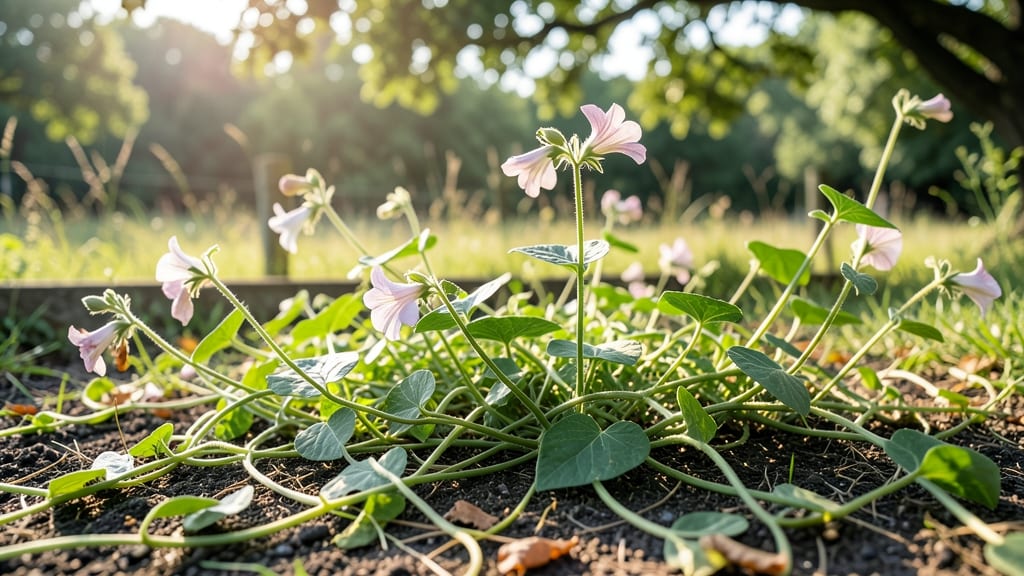
That insidious vine-like weed choking your lawn needs a fast chemical-free takedown, and I’ve perfected the method after years of battling bindweed’s stubborn grip. 🌱 The key isn’t brute force—it’s smart timing and targeted attacks on those deep roots before they spread another inch.
Most people fail because they miss the roots or pull too late in the season. I’ve learned to strike when the soil is damp (after rain or morning dew) and use a digging fork to sever those fibrous roots at the base.
The weeds weaken fast when you cut off their lifeline—no chemicals, just persistence. What you’ll end up with is a lawn that stops looking like a jungle and starts feeling like yours again.
The first year is the hardest, but by year two, regrowth slows dramatically if you stay consistent. I’ll show you exactly when to attack and how to outsmart those tenacious vines. This works for bindweed, creeping Charlie, or morning glory—just adapt the timing to your climate.
Let’s reclaim that grass!
Underlying Causes Of Creeping Invaders
If your lawn is being overrun by a vine-like weed—whether it’s creeping Charlie, bindweed, or another tenacious spreader—you’re not dealing with a random nuisance. These plants thrive because of specific conditions your lawn may unintentionally be providing.
Understanding why they take hold is the first step to stopping their advance for good.
Weeds like creeping vines often dominate because they’re better adapted to weak turf than your grass. Here’s how soil plays a role:
- Low organic matter: Healthy soil is rich in decomposed plant material, which feeds grass roots. When soil lacks this, grass struggles to compete, leaving gaps for weeds to exploit.
- Compacted or clay-heavy soil: Compacted soil restricts water and oxygen flow, stunting grass growth. Vine-like weeds, with their shallow but sprawling roots, thrive in these conditions because they don’t need deep soil penetration.
- Nutrient deficiencies (especially nitrogen): Grass needs nitrogen to grow lush and dense. If your lawn is nitrogen-deficient, weeds like creeping Charlie (which fix nitrogen from the air) gain an unfair advantage.
Actionable fix: Conduct a soil test to identify deficiencies. Amend soil with compost or a balanced fertilizer (high in nitrogen) to strengthen grass roots and crowd out weeds.
Watering habits can either invite or repel vine-like weeds. Here’s how:
- Excessive moisture: Weeds like creeping Charlie and bindweed love damp conditions. Overwatering keeps soil soggy, creating the perfect environment for their shallow root systems to spread.
- Inconsistent watering: Shallow, frequent watering encourages weeds to grow near the surface, while deep, infrequent watering promotes stronger grass roots that outcompete them.
- Poor drainage: Low spots or areas where water pools create microclimates where weeds thrive. If your lawn has drainage issues, vine-like weeds will exploit these wet zones.
Actionable fix:
- Water deeply 2-3 times per week (early morning) to encourage deep grass roots.
- Check for drainage problems and redirect water away from problem areas.
- Avoid sprinklers that create puddles—opt for soaker hoses or drip irrigation for targeted moisture.
Vine-like weeds often flourish in lawns where grass isn’t getting the ideal light conditions it needs. Here’s the breakdown:
- Shady lawns: Many weeds (like creeping Charlie) tolerate shade better than grass. If your lawn has trees or structures casting deep shade, grass weakens, and weeds move in.
- Full sun without proper grass species: Some grasses (like Kentucky bluegrass) thrive in sun, while others (like fine fescue) prefer partial shade. Planting the wrong grass in full sun leaves gaps for weeds to fill.
Actionable fix:
- Choose shade-tolerant grass varieties (e.g., fine fescue, creeping red fescue) if your lawn has limited sunlight.
- Thin out overgrown trees or shrubs to improve light penetration.
- If weeds are already established, overseed bare spots with a grass type that matches your lawn’s light conditions.
Any disruption to your lawn—whether from foot traffic, pets, or construction—creates open invitations for vine-like weeds. Here’s how:
- Compaction from foot traffic or machinery: Compacted soil smothers grass roots, leaving bare patches where weeds can take root.
- Pet urine or fertilizer burns: High concentrations of nitrogen (from pet waste or over-fertilizing) can kill grass, creating weed-friendly gaps.
- Construction or aeration mishaps: Even well-intentioned lawn care (like aggressive aeration) can create wounds where weeds germinate.
Actionable fix:
- Repair thin spots by overseeding with a dense grass variety matched to your climate.
- Reduce foot traffic on recovering lawn areas and use stepping stones or mulch in high-traffic zones.
- Dilute pet urine with water when cleaning up accidents to prevent burns.
The most effective weed control? Healthy, dense grass. When grass struggles, vine-like weeds fill the void. Here’s why competition fails:
- Slow-growing grass species: Some grasses (like tall fescue) grow slower than weeds, giving vines time to spread unchecked.
- Improper mowing height: Cutting grass too short weakens roots, while letting it grow too tall shades the soil, promoting weed seeds.
- Weed seeds already present: Many "vine-like" weeds (like bindweed) lie dormant in soil for years. Once conditions improve (e.g., less grass competition), they sprout en masse.
Actionable fix:
- Mow at the highest recommended height for your grass type (usually 3-4 inches) to encourage deep roots.
- Choose fast-spreading, competitive grasses like perennial ryegrass or buffalo grass for overseeding.
- Apply pre-emergent herbicides in early spring (if chemical control is an option) to prevent weed seeds from germinating.
Eliminate Creeping Vines Naturally
Now that you understand why those stubborn, vine-like weeds are taking over your lawn, it’s time to tackle them head-on—without harsh chemicals. Below are targeted, eco-friendly solutions tailored to the root causes, from manual removal to long-term prevention.
Each method is designed to be effective, practical, and safe for your lawn, pets, and the environment.
If the infestation is small or just starting, physical removal can work wonders—especially for shallow-rooted vines like ground ivy or creeping Charlie.
🔥 Step 1: Identify and Pull Early
- Best time to act: On a damp morning (soil is soft, and weeds are easier to uproot).
- How to pull:
- Grasp the vine as close to the base as possible—this prevents regrowth from broken stems.
- Use a weed puller or gardening fork for stubborn roots (especially if the vine has spread underground).
- Avoid breaking the vine—this can lead to new shoots sprouting from fragments.
🍳 Step 2: Smother Remaining Roots
- Cover the area with cardboard or thick layers of mulch (like wood chips or straw) to block sunlight.
- Leave it for 4–6 weeks—this starves the roots of energy and kills them naturally.
- Pro tip: 💡 If the vine is deep-rooted (like bindweed), repeat the smothering process 2–3 times for full eradication.
⏰ Step 3: Monitor and Reapply
- Check the area weekly for new sprouts—pull them immediately before they spread.
- For large lawns: Section off the infested area and tackle it in small patches to avoid missing spots.
For fast-acting results, high temperatures can instantly kill vine-like weeds without chemicals.
🔥 Step 1: Boil Water Treatment
- Best for: Small, localized patches of vines (like creeping Charlie or dollarweed).
- How to do it:
- Boil 1–2 gallons of water per square foot of infestation.
- Pour slowly over the vines (including roots) on a sunny day.
- Repeat every 3–5 days until the area is clear.
🌡️ Step 2: Solarization (For Large Areas)
- Best for: Warm climates with consistent sun exposure.
- How to do it:
- Lay clear plastic sheeting directly over the infested area.
- Secure the edges with rocks or soil to trap heat.
- Leave for 4–6 weeks—the sun’s heat will cook the roots and kill the vine.
- Pro tip: ✨ Combine with vinegar spray (see below) for extra potency.
For a natural herbicide, a vinegar and salt solution can dissolve vine cell walls—just be cautious with surrounding plants.
🔪 Step 1: Mix the Solution
- Recipe:
- 1 gallon of white vinegar (20% acetic acid or higher)
- 1 cup of salt
- 1 tbsp of dish soap (helps the solution stick)
- Why it works: The vinegar burns the leaves, while the salt draws moisture out of the roots.
👨🍳 Step 2: Apply Precisely
- Spray on a dry, sunny day (windy days can spread the solution).
- Avoid spraying grass or desirable plants—vinegar can harm them too.
- Reapply every 2–3 days until the vines wither and die.
💡 Pro Tip:
- Test a small area first to ensure it doesn’t damage your lawn.
- For stubborn vines, follow up with manual removal to pull up dead roots.
Once you’ve eliminated the vines, prevent regrowth with these low-maintenance strategies:
| Prevention Method | How to Do It | Best For |
|---|---|---|
| Thick, Healthy Lawn | Overseed bare spots, fertilize, and water deeply (1–1.5 inches per week). | All vine types |
| Mulch Barriers | Apply 3–4 inches of mulch around garden edges to block vine spread. | Creeping Charlie, ground ivy |
| Regular Mowing | Keep grass 3–4 inches tall—taller grass shades out weeds. | Fast-spreading vines (like bindweed) |
| Edge Trimming | Use a string trimmer to cut vines at the base before they take root. | Perimeter invasions |
| Natural Vine Repellents | Plant competitive ground covers like clover or creeping thyme to outcompete weeds. | Long-term lawn health |
If the vine is aggressive (like bindweed or morning glory), it may have deep, extensive roots that require professional help.
Signs you need an expert: - Vines keep returning even after multiple treatments. - The lawn has large bare patches where vines are choking out grass. - You’re dealing with persistent underground runners (like bindweed).
Final Thought: 🎯 The key to permanent elimination is consistency—combine manual removal, heat treatments, and prevention for the best results. With patience and the right approach, your lawn can reclaim its lush, vine-free glory in no time!
Frequently asked questions
How can I tell if my vine-like weed is bindweed or creeping Charlie?
Bindweed has white or pink morning glory-like flowers and arrowhead-shaped leaves, while creeping Charlie (ground ivy) has kidney-shaped leaves and produces small yellow flowers. Bindweed's vines are thicker and can grow 15+ feet long, while creeping Charlie stays closer to the ground.
Will vinegar really kill these weeds without harming my grass?
Vinegar works best on small patches of vines, but it can damage grass if not applied carefully. Use a targeted spray bottle and test on a small area first. For large lawns, combine vinegar with manual removal or try boiling water instead—it's safer for surrounding plants.
How long does it take to completely eliminate vine-like weeds?
For shallow-rooted vines like creeping Charlie, you may see results in 2-4 weeks with consistent pulling. Deep-rooted bindweed can take 6-12 months of persistent effort—focus on removing all roots and preventing regrowth through smothering or mulching.
Can I use corn gluten meal to prevent vine-like weeds from coming back?
Corn gluten meal is excellent for preventing new weeds but won't kill existing vines. Apply 10-20 pounds per 1,000 sq ft in early spring to stop weed seeds from germinating. Pair it with manual removal of established vines for best results.
What's the best time of year to tackle vine-like weeds?
Early spring (just as new growth appears) or late summer are ideal. The soil is warm but not yet too dry, making it easier to pull weeds. Avoid treating in peak summer heat—the stress can harm your grass more than the weeds.