
Lawn
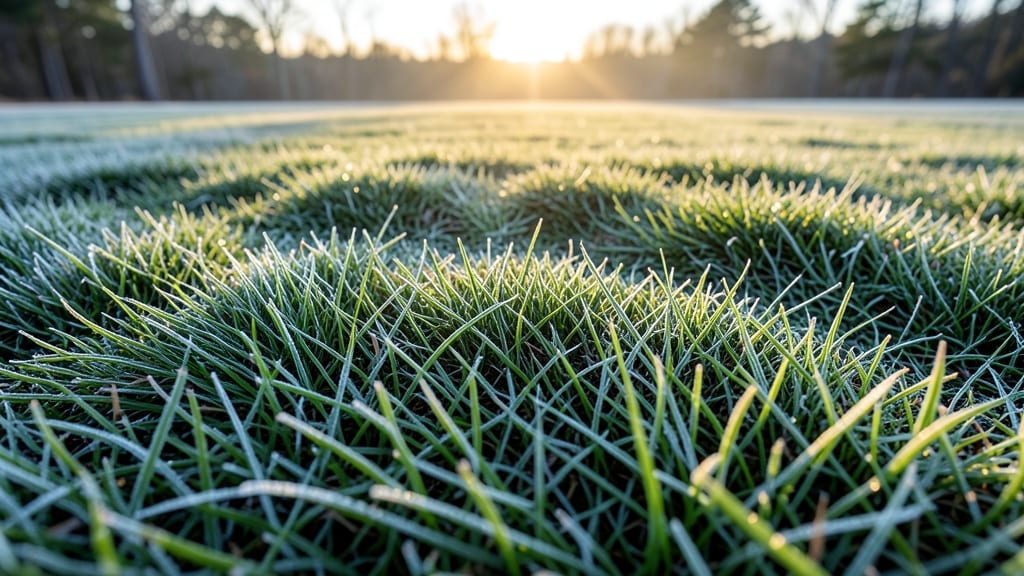
Struggling to choose the right grass for your lawn? The perfect turf depends on your climate, soil, and maintenance style. These 10 types of lawn grass thrive in specific regions—from drought-resistant varieties to lush cool-season grasses—helping you achieve a green, healthy lawn with minimal effort.
Tall Fescue Grass for Drought-Resistant Lawns
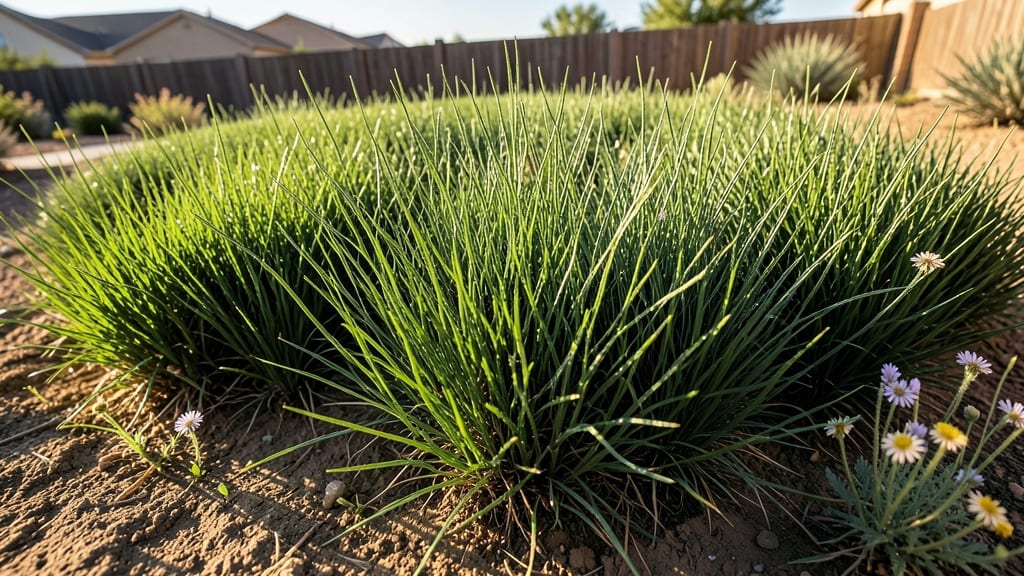
If you live in a hot, dry climate where water conservation is key, tall fescue grass is your secret weapon for a lush, green lawn without the guilt. Unlike many grasses that struggle during summer droughts, tall fescue thrives thanks to its deep root system that reaches up to 6 inches underground—pulling moisture from deep soil layers while staying resilient against heat and foot traffic.
This cool-season grass stays dormant but alive during winter, bouncing back quickly in spring, and its dense growth habit naturally crowds out weeds. For best results, mow at 3-4 inches to encourage deep roots and water deeply but infrequently (1-1.5 inches per week during dry spells). It also resists common lawn diseases like brown patch and dollar spot, making it a low-maintenance champion for busy homeowners.
Ideal for USDA zones 4-8, tall fescue is perfect for homeowners in the South, Southwest, or transition zones who want a durable lawn that doesn’t demand constant care. With proper establishment, it can outlast many other grasses in extreme conditions—keeping your yard vibrant even when others fade. 💪
Kentucky Bluegrass for Cold-Weather Lawns
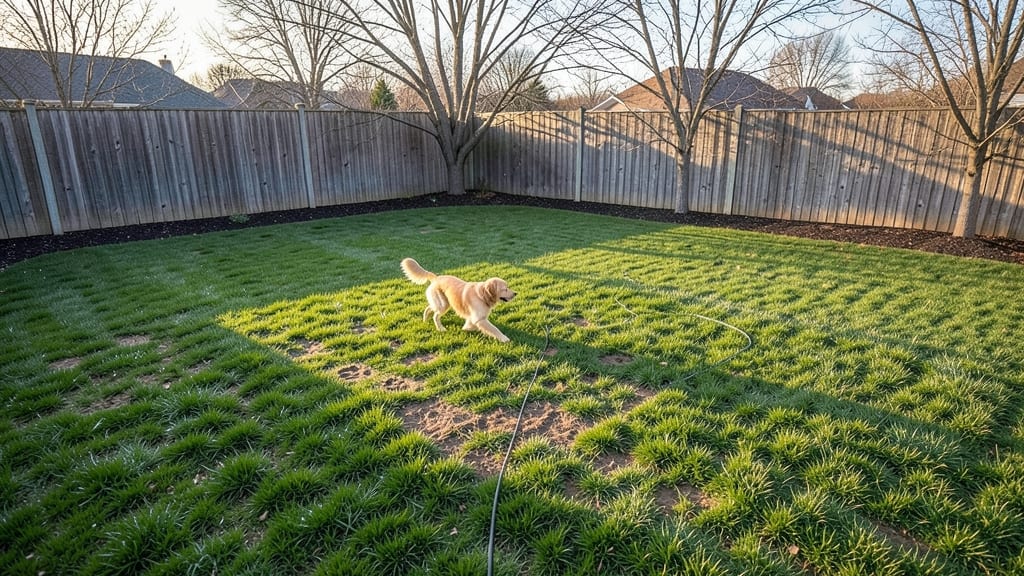
If your lawn endures chilly winters and heavy use from kids and pets, Kentucky Bluegrass is your best bet. Unlike drought-loving grasses, this cool-season favorite thrives in northern climates, turning brown patches into vibrant green recovery within weeks.
Its aggressive spread fills bare spots naturally, while its deep roots handle foot traffic better than most grasses. For best results, mow at 3-4 inches and overseed in early fall to strengthen its cold-hardiness. This grass stays lush even in USDA Zones 3-9, making it ideal for homeowners who prioritize durability over low-maintenance.
Families with active lifestyles will appreciate how quickly it bounces back from wear, while gardeners in colder regions love its year-round greenness in mild winters. 🌱
Bermuda Grass for High-Traffic Southern Lawns
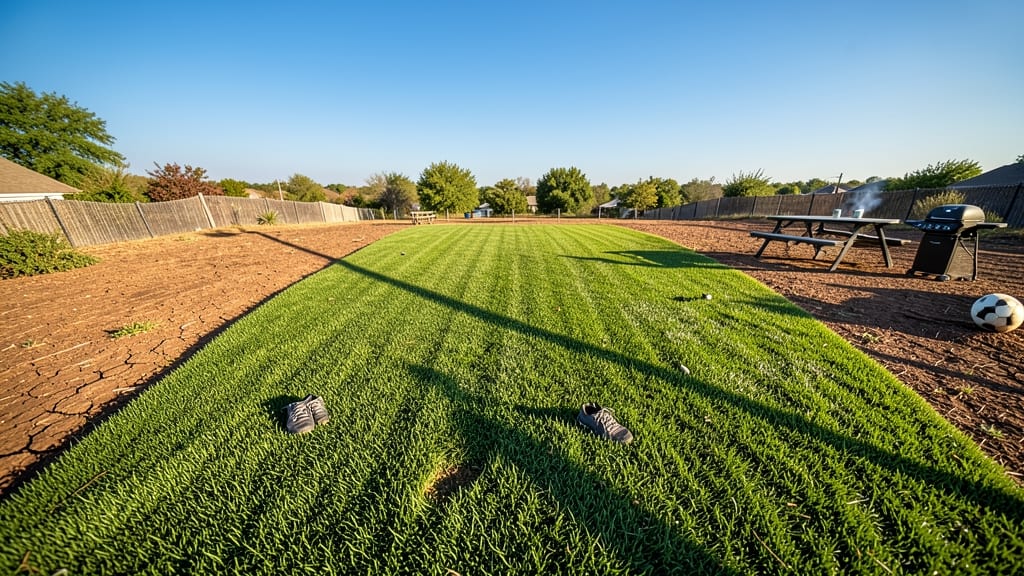
If your lawn endures football games, barbecues, or weekend soccer matches, Bermuda grass is the heavyweight champion of southern lawns. This grass thrives under 100-degree heat and stays lush even when other varieties wilt—ideal for golf courses, parks, and active family yards.
Bermuda grass goes dormant in winter but springs back to life with spring rains, often greening up faster than other warm-season grasses. It requires full sun (6+ hours daily) and tolerates drought once established, making it perfect for water-conscious gardeners. Just mow regularly to keep it dense and resilient.
This grass is especially valuable for homeowners in the Southeast and Southwest who want a durable, low-maintenance lawn that handles high traffic. Golf course managers and sports field operators rely on it for its speed and recovery. 🌻
Zoysia Grass for Low-Maintenance Shade Tolerance
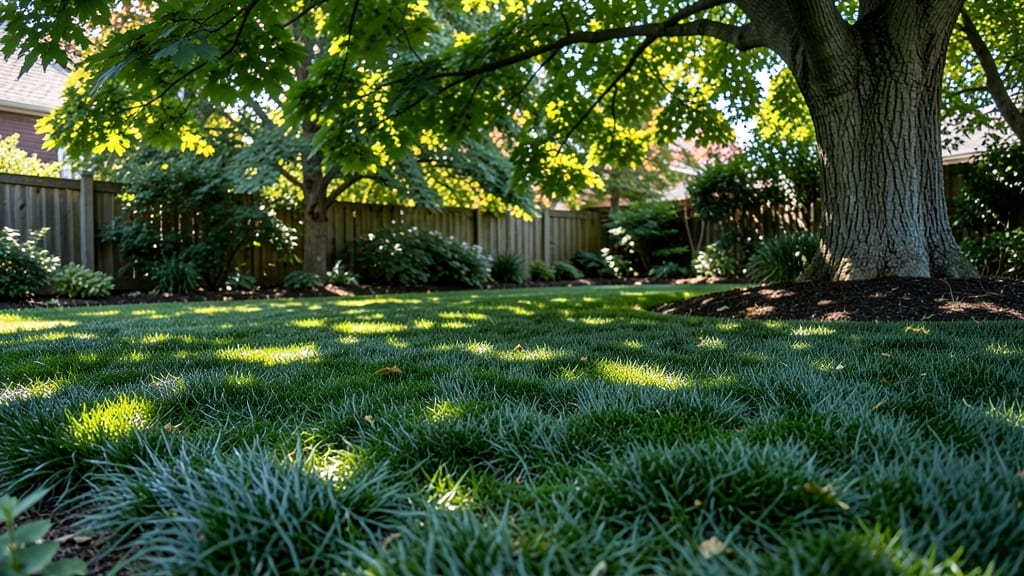
Tired of battling patchy lawns in shady spots? Zoysia grass is the underrated hero for partial shade, offering a dense, carpet-like texture without the high-maintenance demands of sun-loving grasses.
Unlike fast-growing varieties, zoysia spreads slowly but forms a thick, durable sod that crowds out weeds naturally. It thrives in 3-6 hours of sun daily, making it ideal for lawns under trees or near structures. Mow less frequently—every 4-6 weeks—and watch it recover from foot traffic with minimal damage. Perfect for busy homeowners who want a low-mowing, shade-tolerant lawn that stays lush with minimal effort. 🌱
St. Augustine Grass for Humid Coastal Regions
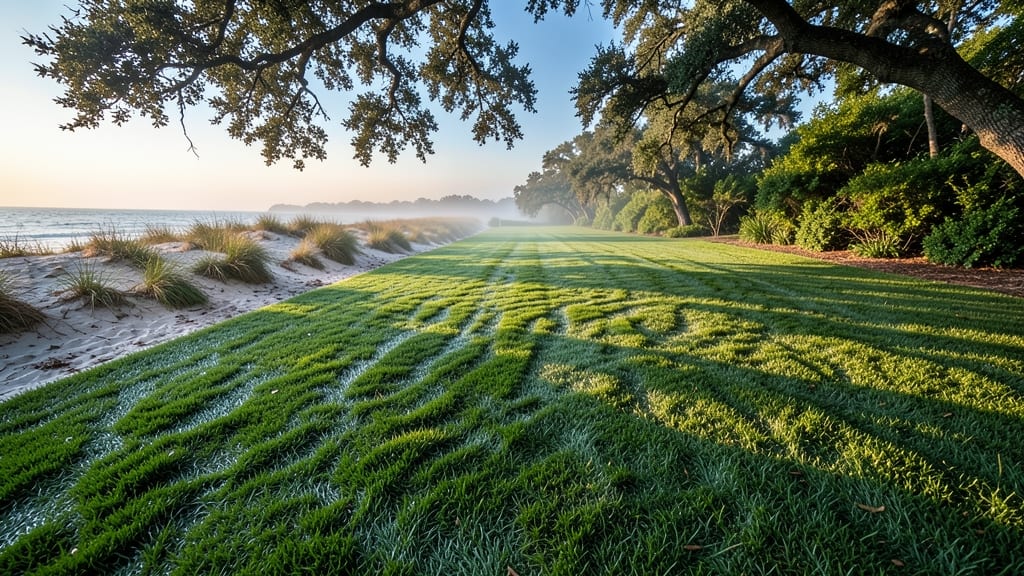
If you live near the coast or in a humid southern state, St. Augustine grass is your secret weapon for a lush, resilient lawn. Unlike other grasses that struggle with salt spray and partial shade, this variety thrives in those exact conditions—making it the gold standard for coastal homes and southern landscapes.
This salt-tolerant grass handles wind, humidity, and even occasional ocean spray without browning, while its broad blades create a dense, soft surface perfect for barefoot strolling. However, it does demand more attention: deep watering 2-3 times per week and regular fertilization (every 4-6 weeks) keep it thriving. Mow weekly at 3-4 inches to maintain its signature lushness.
Homeowners in Florida, Texas, and the Gulf Coast swear by it, though beginners should budget for higher upkeep costs. The payoff? A year-round green lawn that most other grasses can’t match in these challenging climates. 🌿
Fine Fescue Grass for Shady Lawns
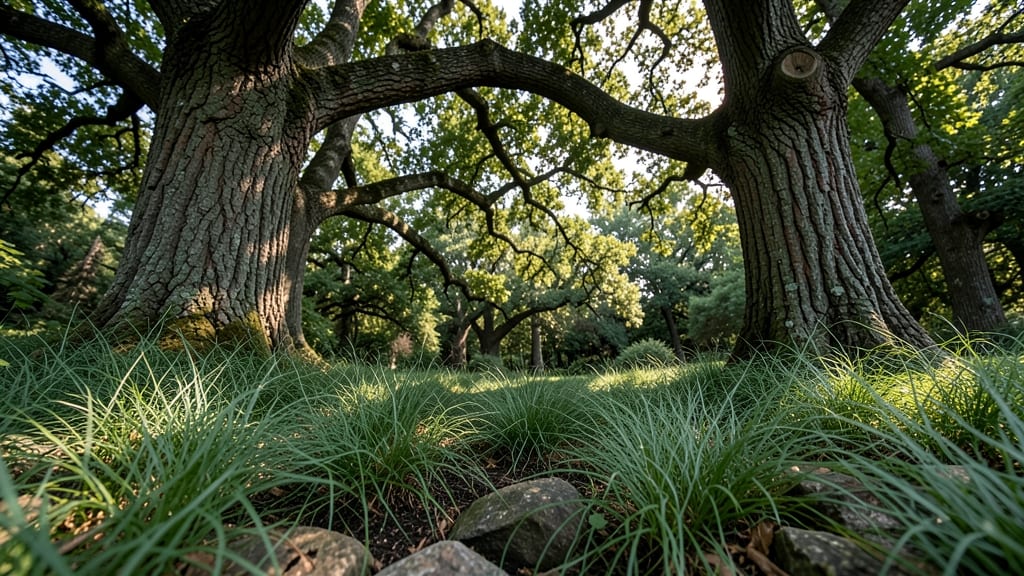
If your yard is tucked under towering trees or faces north, fine fescue grass is your secret weapon for a lush lawn. Unlike sun-loving grasses, this cool-season variety thrives in low-light conditions and even tolerates poor, rocky soil—making it perfect for wooded areas where other grasses give up.
Fine fescue’s fine, soft blades create a dense, carpet-like texture that stays green in shade while requiring less water and fertilizer than sun-dependent grasses. It’s also disease-resistant and handles foot traffic better than many shade-tolerant alternatives, though it grows slower than Kentucky bluegrass. For homeowners with wooded properties or north-facing yards, this grass delivers year-round greenery with minimal fuss.
This is the ideal choice for gardeners who want a low-maintenance, shade-friendly lawn without sacrificing beauty. 🌿
Centipede Grass for Acidic Southern Soils
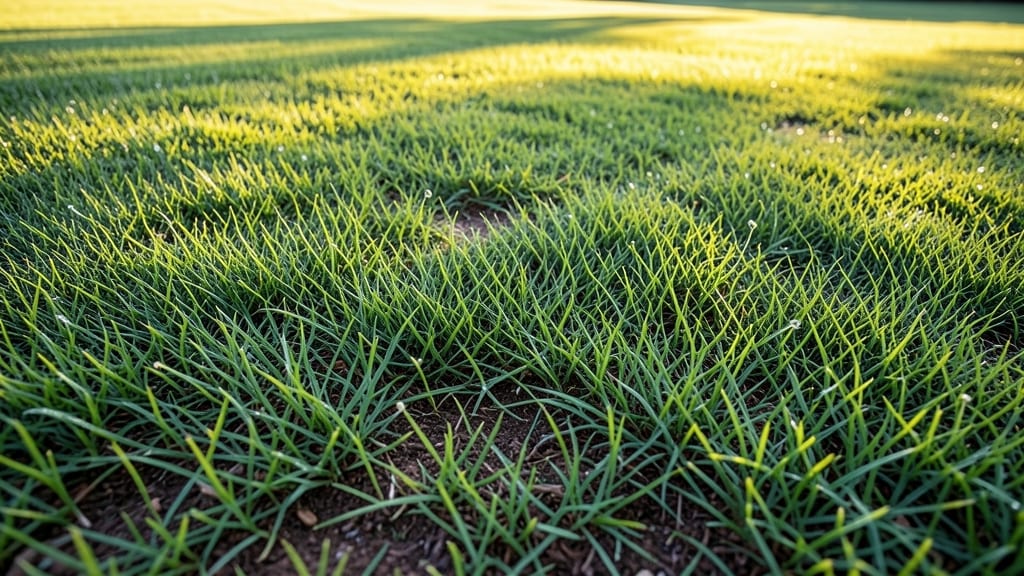
If you live in the Southern U.S. and dread battling alkaline soil, centipede grass might be your new best friend. This slow-growing grass thrives in acidic soil (pH 5.0–6.0) and demands almost no effort once established—making it perfect for busy homeowners who want a green lawn without the fuss.
Unlike other Southern grasses, centipede grass requires minimal fertilization (just a light nitrogen boost once a year) and tolerates drought and humidity better than most. Its fine texture and golden-green hue create a soft, carpet-like appearance, though it grows slower than Bermuda or St. Augustine, so it won’t overrun your yard. It’s also pet-friendly once fully established, though young lawns may need protection from heavy traffic.
This grass is ideal for homeowners in Georgia, Alabama, and Florida who want a low-maintenance lawn that stays green through summer without constant mowing or watering. Perfect for those who prefer a hands-off approach! 🌱
Perennial Ryegrass for Fast-Germinating Lawns
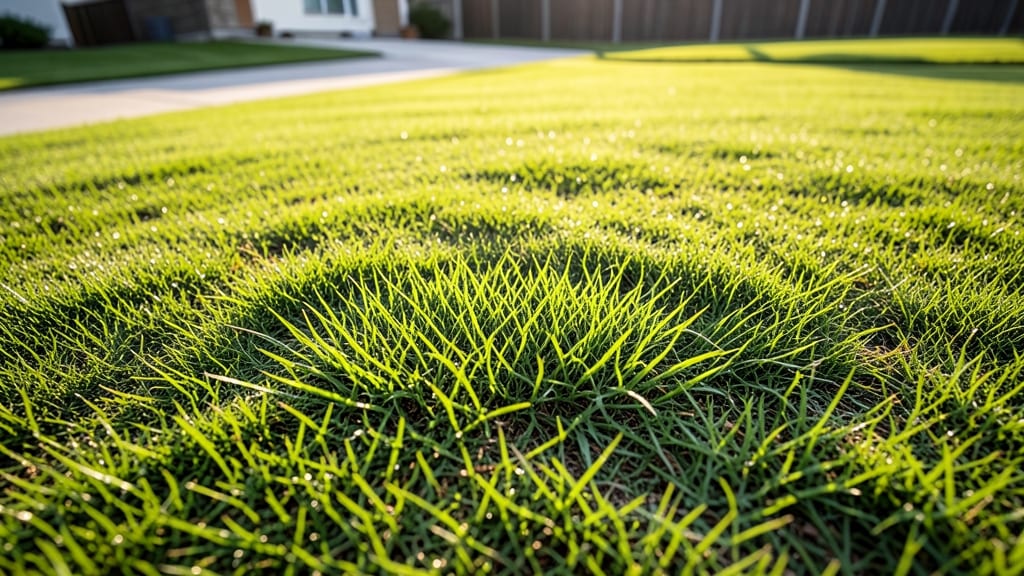
Need a lawn that looks lush in just a few weeks? Perennial ryegrass is your secret weapon for fast results, germinating in as little as 7-14 days—perfect for overseeding bare patches or repairing damaged areas before summer.
This cool-season grass thrives in full sun to partial shade and forms a dense, dark green carpet that chokes out weeds. However, it turns brown under extreme heat or drought, so it’s best mixed with drought-resistant grasses like tall fescue for year-round color. Water lightly but frequently after seeding to encourage even growth.
Ideal for homeowners who want quick visual improvements, perennial ryegrass is especially popular in transition zones or for temporary lawn coverage. Just remember: it’s a short-term solution that works best when paired with other grasses. 🌱
Buffalo Grass for Eco-Friendly Prairie Lawns
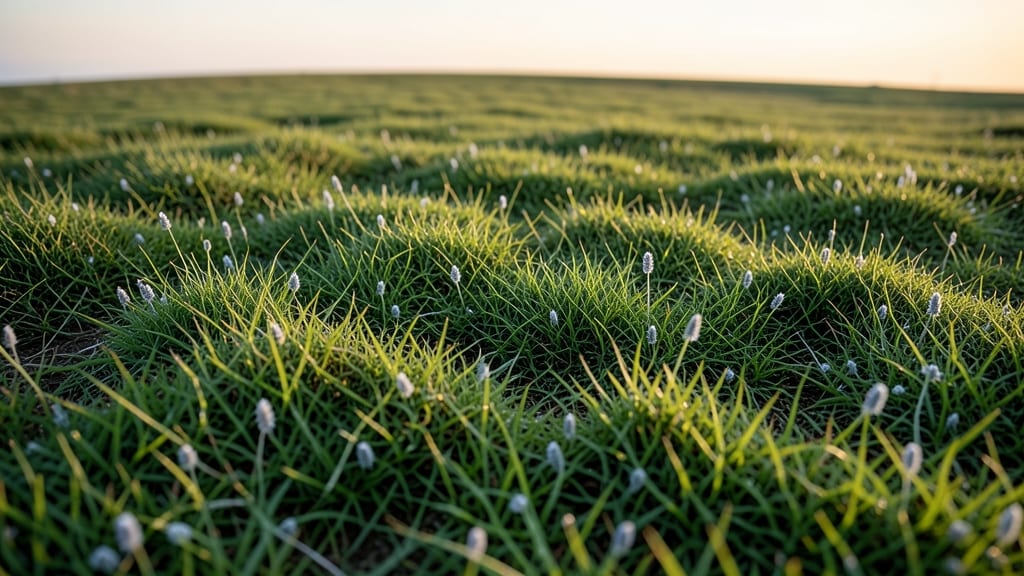
If you’ve ever dreamed of a zero-maintenance lawn that thrives on rainwater alone, buffalo grass is your answer. Native to the Great Plains, this hardy grass forms a dense, drought-resistant mat that stays green with minimal care—no mowing, watering, or fertilizing required once established.
Its deep roots reach up to 6 feet deep, accessing moisture and nutrients while outcompeting weeds. Unlike traditional lawns, buffalo grass turns a golden hue in winter, creating a natural, rustic look that blends seamlessly with prairie landscapes. It’s perfect for arid climates like Colorado, Kansas, or Nebraska, where water conservation is critical.
This grass is ideal for eco-conscious gardeners, urban homesteaders, and anyone tired of lawn chores. Plus, it supports local wildlife by providing habitat for pollinators and native birds. 🌱
Carolina Grass for Transition Zone Lawns

If your lawn sits in the transition zone—where summers heat up but winters still pack a chill—Carolina grass is your secret weapon for a year-round green lawn. Unlike grasses that go dormant in winter or wilt in summer, this native variety thrives in both extremes, making it ideal for regions like the Midwest and Southeast.
This hardy grass handles hot, dry summers with ease and resists cold snaps down to 10°F, staying lush when other types struggle. It’s also drought-tolerant once established, reducing your water bills while keeping your lawn vibrant. For best results, mow it to 2.5–3.5 inches and fertilize lightly in spring—no heavy maintenance required!
Perfect for homeowners who want a low-fuss, resilient lawn without sacrificing beauty, Carolina grass delivers year-round color with minimal effort. 🌱