
Lawn
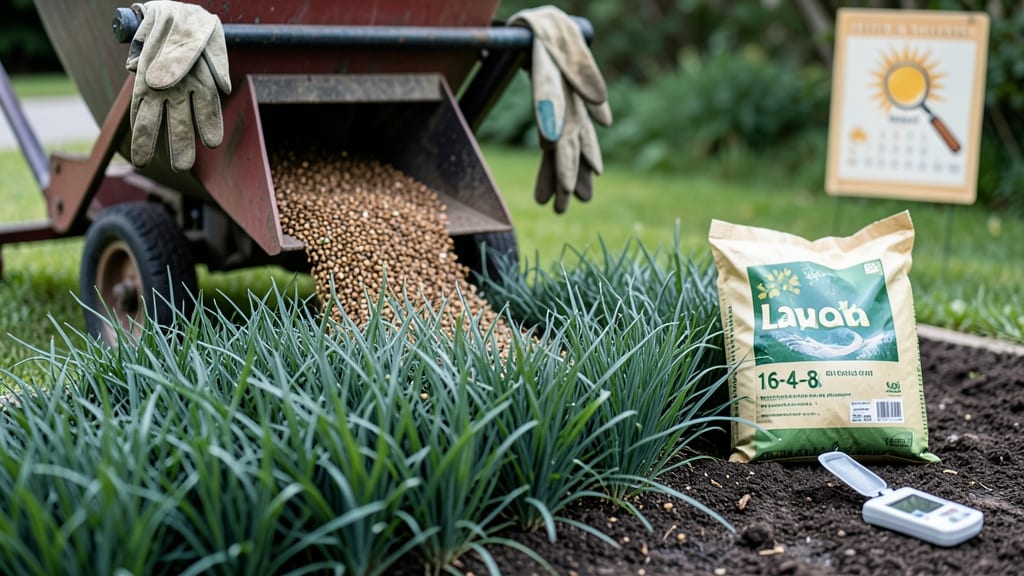
To fertilize your lawn, apply slow-release fertilizer in early spring (just before active growth) and late summer (for fall recovery), adjusting timing based on grass type and local climate for optimal nutrient absorption and root strengthening.
Timing your lawn fertilization is all about matching your grass type to its natural growth cycles.
Cool-season grasses like fescue and bluegrass thrive in spring and fall, while warm-season varieties such as Bermuda and Zoysia peak in late spring and summer. 🌱 I've seen dramatic differences in lawn health when fertilization aligns with these patterns—roots absorb nutrients most efficiently when temperatures are moderate and growth is active.
Your local climate plays a huge role too; northern regions may need earlier spring applications, while southern lawns might benefit from a late summer boost for fall color.
Before applying fertilizer, check your soil's moisture and pH levels—dry or compacted soil can block nutrient uptake. A simple soil test kit (available at garden centers) helps determine if you need to adjust pH before fertilizing.
I always recommend spreading fertilizer on a calm day with no rain forecasted for 24 hours to prevent runoff. For new lawns, cut the recommended rate by half to avoid overfeeding tender new roots.
💡 In This Article
- Optimal Lawn Fertilization Seasons by Grass Type
- Pre-Fertilizer Soil and Weather Checklist
Optimal lawn fertilization seasons by grass type
Grass types respond dramatically to temperature shifts because their growth cycles are tied to photosynthesis efficiency. Cool-season grasses like Kentucky bluegrass or tall fescue enter their most active growth phase when daytime temperatures hover between 60-75°F—typically spring (March-April) and fall (September-October).
During these periods, their root systems expand rapidly to store nutrients for winter dormancy. Warm-season grasses like Bermuda or St. Augustine, however, thrive when soil temperatures exceed 65°F, usually peaking in late spring through summer (May-August).
This is why a Bermuda lawn in Georgia might need fertilization in June while a fescue lawn in Minnesota benefits more from September applications.
The science behind this involves chlorophyll production: cool-season grasses produce more chlorophyll in cooler conditions, while warm-season varieties rely on longer daylight hours and higher temperatures.
For example, a bluegrass lawn in USDA Zone 5 (average last frost: April 15) should receive its first spring feeding by early April when soil temps reach 50°F—this triggers root growth before summer heat arrives.
In contrast, a Zoysia lawn in Zone 8 (where winters rarely drop below 30°F) may only need two feedings: late spring and early fall, as its growth slows dramatically in winter.
Daylight length also affects nutrient uptake. Cool-season grasses need 12-14 hours of daylight to maximize photosynthesis, which is why fall applications (when days shorten) should include phosphorus to strengthen roots before winter. Warm-season grasses, however, can tolerate shorter days but require consistent moisture to maintain their green color.
I've noticed that lawns in Zone 7 with Centipede grass often show stress if fertilized after Labor Day—the dropping temperatures slow growth, making nutrient absorption inefficient.
Regional climate patterns create additional variables. Northern lawns (Zones 3-5) may need a third feeding in early summer to combat nutrient depletion from early spring growth, while southern lawns (Zones 8-10) often benefit from a late summer application to prepare for fall rains.
For instance, a St. Augustine lawn in Florida might receive its final feeding in August to take advantage of the 90°F soil temperatures before hurricane season arrives.
The key is matching your grass type to your region's average last frost date and first frost date—these markers determine your optimal fertilization windows.
What most people overlook is how soil temperature affects fertilizer activation. Nitrogen-based fertilizers work best when soil temps are 55-75°F—below 50°F, microbial activity slows, reducing nutrient availability. This is why early spring applications in cold climates should use slow-release formulas that remain effective even when soil warms gradually.
In my experience, using a soil thermometer ($20 at garden centers) to check 4-inch depth temperatures before fertilizing can prevent wasted product and burned grass.
Consider these regional adjustments for common grass types:
- Cool-season grasses (fescue, bluegrass): Apply 3 feedings—early spring (March-April), late spring (May-June), and fall (September-October)
- Warm-season grasses (Bermuda, Zoysia): Apply 2 feedings—late spring (May-June) and early summer (July-August)
- Transition zone grasses (tall fescue in Zone 7): Use 4 feedings—early spring, late spring, early summer, and fall
The most common mistake I see is fertilizing newly seeded lawns too early—wait until the grass has established for 6-8 weeks before applying any nitrogen, as tender new roots can't handle concentrated nutrients.
For established lawns, the 30-5-10 rule (30% nitrogen, 5% phosphorus, 10% potassium) works well in spring, while fall applications should emphasize phosphorus (5-10-15) to build root systems. 🌱