
Mower
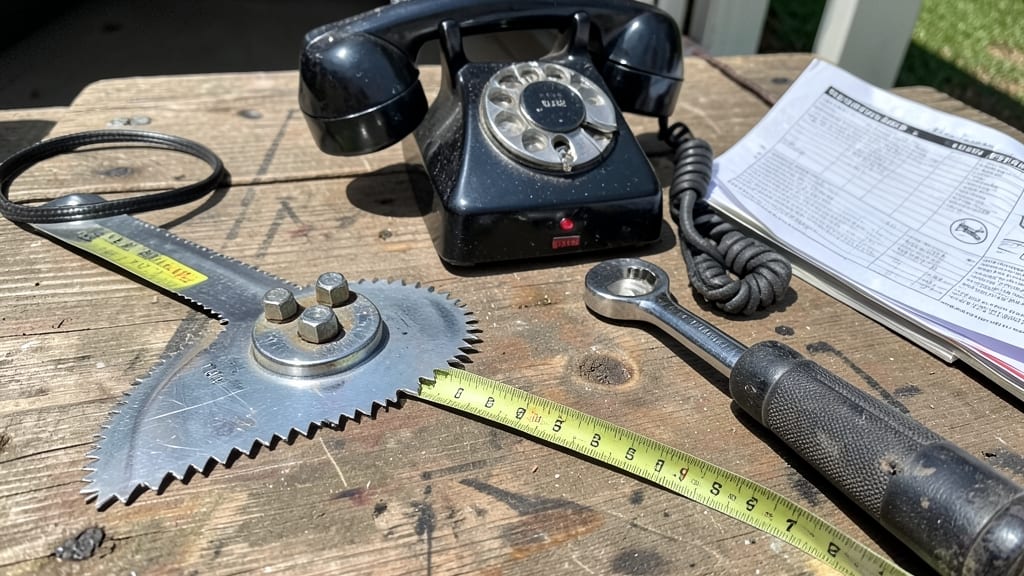
Lawn mower blade torque specs depend on engine size, typically ranging from 60-100 ft-lbs for bolts and 10-20 ft-lbs for spark plugs. Always verify your model's manual for precise specifications to avoid over-tightening or loosening during maintenance.
Understanding these specifications is crucial because improper tightening can damage both the blade and engine. For example, a 40cc engine usually requires 60-70 ft-lbs of torque, while larger 170cc engines may need up to 100 ft-lbs.
Using a torque wrench ensures you apply the exact force needed—too little can loosen bolts mid-mow, while too much risks warping the blade or stripping threads. I always recommend checking specs before starting any maintenance, as even small deviations can lead to costly repairs. 🔧
Beyond the blade bolts, spark plugs often have their own torque requirements—usually much lower—because they need a snug fit without excessive pressure. This distinction is why it's essential to follow your manual's guidelines precisely.
Many homeowners overlook this step, assuming "tighter is better," but proper torque is about balance: enough to secure the part without compromising its integrity. If you're unsure, a local hardware store can rent you a torque wrench for a small fee, making this a straightforward DIY task.
💡 In This Article
- How Engine Size Affects Lawn Mower Blade Torque Requirements
- Step-by-Step Guide to Checking and Adjusting Blade Torque
How engine size affects lawn mower blade torque requirements
Engine size directly determines how much torque your lawn mower blade bolts can safely handle. Smaller engines like 40cc models (common in push mowers) typically require 60-70 ft-lbs of torque for blade bolts, while larger 170cc engines (found in riding mowers) may need up to 100 ft-lbs.
This difference exists because bigger engines generate more power and vibration, requiring sturdier fasteners. The physics here involve centrifugal forces—larger blades spinning at high RPMs create more stress on bolts, demanding higher torque specs to prevent loosening mid-operation. 🔧
Over-tightening becomes a serious risk when you exceed these specs. Excessive torque can warp the blade's sharp edge (throwing off your cut's precision) or even strip the bolt threads, forcing you to replace the entire assembly.
For example, a 60 ft-lbs bolt tightened to 90 ft-lbs might look secure but could fail under vibration. Manufacturers design these specs based on material science—steel bolts have specific yield strengths, and exceeding them risks permanent deformation.
Always use a torque wrench for precision; even a 5 ft-lbs overage can cause problems over time.
Torque wrenches work by converting rotational force into measurable pressure. When you turn the wrench, it clicks at the set torque limit, preventing over-tightening. For lawn mowers, digital wrenches (which beep at the correct torque) are ideal because they eliminate guesswork.
The click-type wrenches are cheaper but require practice to hear the exact moment of release. I recommend practicing on a scrap bolt first—many DIYers accidentally overshoot by 10-15 ft-lbs without realizing it, especially when working in tight spaces under the mower deck.
Spark plugs, meanwhile, follow a different rulebook. Their torque specs (usually 10-20 ft-lbs) are lower because they don't need to withstand the same vibrational forces as blade bolts. The goal here is a snug fit that prevents leaks but doesn't compress the gasket excessively.
Over-tightening spark plugs can crack the ceramic insulator or strip the threads in the cylinder head—a repair that often requires professional help. This is why manufacturers specify separate torque values for different components, even on the same machine.
Real-world example: A 160cc Honda HRX mower might list 80 ft-lbs for blade bolts but only 15 ft-lbs for spark plugs. The difference highlights how torque specs balance two competing needs: enough grip to stay secure during operation, but not so much that it damages the part.
This principle applies across all small engines, from weed whackers to go-karts. Always double-check your manual—some brands like Briggs & Stratton even include torque charts with color-coded zones for visual reference. 🎨
One nuance worth noting: older mowers or those with aftermarket blades might require adjusted torque specs. The blade's material (steel vs. high-carbon alloy) and the bolt type (hex vs. Allen) can influence the safe range.
If you're unsure, start with the manufacturer's recommendation and work within ±5 ft-lbs—this margin accounts for minor variations in tools and conditions without risking damage. For critical applications, like commercial-grade mowers, some mechanics even use infrared torque sensors to verify exact values during high-stakes repairs.