
Mower
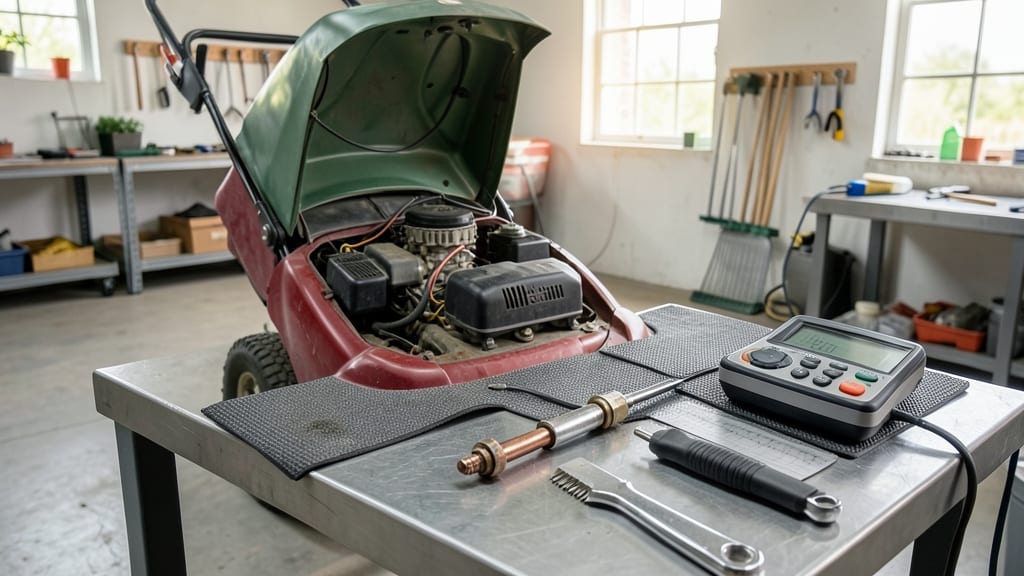
To tell if a lawn mower spark plug is bad, look for black oily deposits on the insulator, a corroded or melted electrode, excessive wear on the tip, or a fouled gap. It will also fail ignition tests, producing no spark or weak sparks when using a spark plug tester or gap tool.
Your lawn mower's spark plug is the unsung hero of reliable starts, and spotting its decline early can save you hours of frustration. 🔥 The most common red flags are visual—black soot buildup often signals a rich fuel mixture, while oil fouling (glassy deposits) points to oil leaks or overfilling.
A melted electrode usually means the plug has been overheating, often due to the wrong heat range for your engine. Even if the plug looks clean, a fouled gap (measured with a feeler gauge) can prevent proper ignition, causing misfires or complete failure to start.
Beyond visual inspection, the real test comes when you remove the plug and check its functionality. A spark plug tester will reveal weak or inconsistent sparks, while a live ignition test with the engine running can show if the plug is firing properly.
I always recommend testing all four plugs on a 4-cycle engine—sometimes one bad plug can throw off the entire system, making diagnostics more complicated than they need to be.
💡 In This Article
- Visual Signs of a Faulty Lawn Mower Spark Plug
- Quick Diagnostic Tests for Spark Plug Functionality
Visual signs of a faulty lawn mower spark plug
The most reliable way to diagnose a failing spark plug is through visual inspection, where each type of deposit or damage tells a specific story about what's wrong with your engine.
Black, dry soot on the insulator and electrode is your first clue—this typically indicates a rich fuel mixture, where too much gasoline isn't burning completely.
Think of it like a clogged chimney: soot builds up when the air-fuel ratio is off, often caused by a dirty carburetor or a faulty choke. The texture is usually dry and powdery, not oily, which helps distinguish it from oil fouling.
Oil fouling presents as a glossy, glass-like coating on the spark plug's tip and insulator, often accompanied by a strong oil smell when you remove it. This happens when oil seeps past the piston rings or valve seals, usually due to overfilling the crankcase or excessive wear in older engines.
A melted electrode is another red flag—this occurs when the spark plug's heat range is too low for your engine's demands, causing it to overheat during combustion.
You'll notice the electrode looks warped or even fused together, which can prevent proper spark generation and lead to misfires or complete engine stalling.
The gap between the electrode and ground strap is critical for proper ignition. A fouled gap—either too wide or too narrow—can prevent the spark from jumping across properly. Use a feeler gauge to check the gap (typically 0.025 to 0.035 inches for most lawn mowers).
If the gap is inconsistent or the electrode is eroded, it's time for a replacement. Even a small variation can cause weak sparks or complete ignition failure, especially in humid conditions where moisture can bridge the gap.
Excessive wear on the electrode tip, where it looks rounded or pitted, signals prolonged use or incorrect heat range. This wear reduces the spark's intensity, making it harder for the engine to ignite the air-fuel mixture.
The key here is to match the spark plug's heat range to your engine's specifications—using a plug that's too cold or too hot will accelerate this wear.
For example, a cold plug (hotter number) in a high-performance engine will overheat and fail quickly, while a hot plug (colder number) in a slow-burning engine will foul with carbon.
Don't overlook the insulator's condition—cracks or erosion indicate electrical leakage, where the spark is bleeding off instead of jumping to the ground electrode. This is often caused by voltage spikes or poor-quality plugs. A healthy insulator should look smooth and free of cracks, with a uniform color.
If you see any of these visual signs, it's a clear indicator that your spark plug is no longer performing optimally, and replacing it could restore your mower's power and reliability.