
Lawn
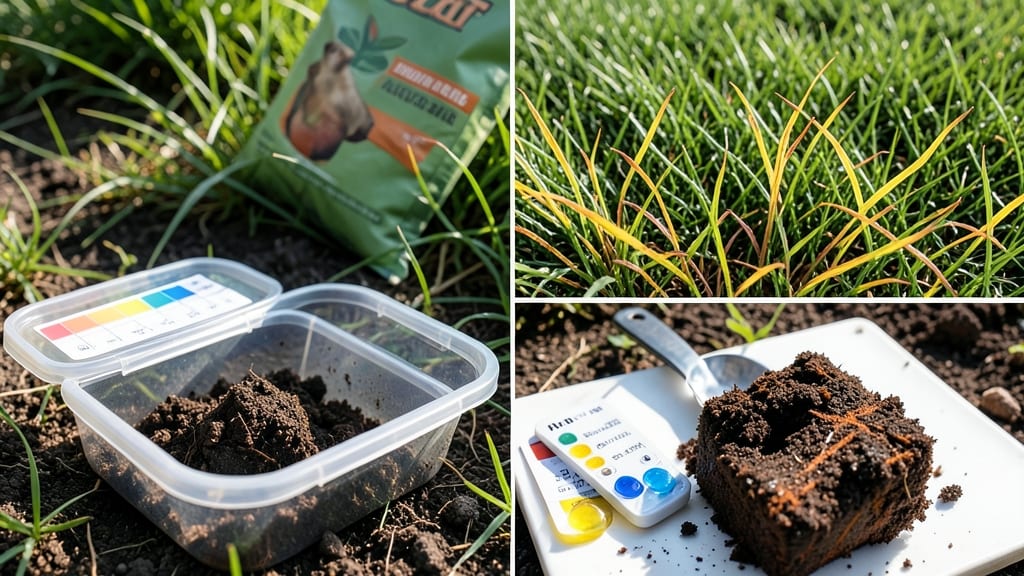
That rust-colored stain creeping across your lawn isn’t just unsightly—it’s too much iron. 🌱 I’ve battled this myself after overzealous fertilizing left my grass looking like a patch of desert sand, and I’ll show you how to reverse it without harsh chemicals.
The culprit is usually over-fertilization or acidic soil that’s already iron-rich. Iron stains appear when excess iron oxidizes, turning your lawn into a metallic eyesore. The good news?
A simple soil test reveals the pH imbalance, and adjusting it with lime or compost can restore that vibrant green in just a few weeks. You’ll start by testing your soil’s pH—aim for 6.0 to 7.0—then apply organic amendments like peat moss or wood ash to neutralize acidity.
Overwatering can worsen the problem, so let the soil dry slightly between waterings to prevent iron buildup. Prevention is easier than cleanup: stick to balanced fertilizers, test soil annually, and avoid iron supplements unless you’re treating actual deficiency.
Your lawn will thank you with a lush, stain-free carpet by next mowing season.
Root Causes Of Iron Overload
If your lawn is turning an unsightly rusty orange, it’s likely due to excess iron—whether from natural soil chemistry or human intervention. Understanding the why behind the problem is the first step to fixing it. Below, we break down the most common culprits, explained in simple (but science-backed) terms.
Iron is a key nutrient for plants, but too much of a good thing can backfire. Many lawn fertilizers, especially those marketed for green-up or iron deficiency correction, contain high concentrations of iron sulfate or chelated iron.
If you’ve been applying these products more frequently than recommended—or without testing your soil first—you’re likely overloading your lawn with iron.
Why does this happen?
- Misinterpreted soil needs: Some homeowners assume "more iron = greener grass" without realizing their soil may already have ample iron. A simple soil test (costs ~$20–$50) can reveal if your lawn is iron-starved or iron-saturated.
- Frequent applications: Iron fertilizers are often applied every 4–6 weeks during growing seasons. If you’re using them monthly—or mixing them with other high-iron amendments—your lawn absorbs more than it can use.
- Slow breakdown: Iron sulfate, a common iron source, dissolves slowly in soil. Over time, it accumulates, especially in acidic soils (pH < 6.5), where iron becomes more soluble and mobile.
💡 Pro Tip: If you’ve used iron-based fertilizers recently, stop immediately. Switch to a low-iron or iron-free fertilizer (like those labeled for organic lawn care) while you address the buildup.
Iron doesn’t just come from fertilizers—it can also leach into your lawn through water. If your tap, well, or irrigation system delivers water with high iron levels, your grass will absorb the excess over time, leading to those telltale rust stains.
How does this happen?
- Well water contamination: Iron is naturally present in groundwater, especially in limestone or sandstone-rich areas. When water sits in pipes or tanks, dissolved iron can oxidize (rust), discoloring both your water and your lawn.
- Corroded plumbing: Old galvanized pipes or iron fixtures can introduce additional iron into your water supply.
- Acidic soil + iron water = double trouble: If your soil is acidic (common in clay or sandy soils), it enhances iron solubility. When iron-rich water irrigates the lawn, the soil holds onto the excess instead of washing it away.
🔍 Test Your Water: Use a home water test kit (~$15) to check iron levels. If your water tests above 0.3 ppm, consider installing a water filter or using rainwater for irrigation.
Not all soils handle iron the same way. Some naturally bind iron tightly, while others release it freely, leading to buildup. The biggest factor? pH levels.
Here’s how soil chemistry affects iron overload:
| Soil pH | Iron Availability | Risk Of Overload |
|---|---|---|
| Acidic (pH < 6.5) | ↑ Highly soluble – Iron dissolves easily, becoming available to plants (and leaching into groundwater). | ⚠️ Moderate to high – Excess iron accumulates in the root zone, staining soil and grass. |
| Neutral (pH 6.5–7.5) | ↓ Moderately available – Iron is less soluble but can still build up with repeated applications. | ⚠️ Low to moderate – Risk depends on iron inputs (fertilizers, water). |
| Alkaline (pH > 7.5) | ❌ Insoluble – Iron binds to soil particles, becoming "locked away." However, if you add iron (via fertilizer), it can create hotspots of excess. | ⚠️ Low unless amended – Rarely a problem unless iron is artificially introduced. |
🌡️ Fix It: If your soil is acidic (most common in lawns), raise the pH slightly (to 6.5–7.0) using lime. This reduces iron solubility, preventing buildup. For alkaline soils, focus on avoiding iron fertilizers entirely.
Even if you’re not actively adding iron now, past lawn care practices could be the reason your soil is still iron-rich. Organic materials like compost, mulch, or manure can introduce iron, and certain bacteria or fungi in the soil may also contribute to rusty discoloration.
Common sources of "hidden" iron:
- Old compost or leaf mold: Decomposing plant matter releases iron as it breaks down. If you’ve top-dressed your lawn with compost in the past, residual iron may still be active.
- Animal manure (especially horse or cow manure): Manure is nutrient-rich but can contain high iron levels. If applied heavily, it can linger in the soil for years.
- Iron bacteria in soil: Some soil microbes oxidize iron as part of their metabolism, creating rust-colored byproducts. This is more common in wet or poorly drained soils.
- Previous iron-based fungicides or herbicides: Some older lawn treatments (like iron-based broadleaf herbicides) leave behind iron residues.
✨ Solution: If you suspect past treatments are the issue, flushing the soil with water (via deep irrigation) can help wash out excess iron. For severe cases, top-dressing with sand or peat moss can dilute concentrated iron hotspots.
Fixing Rust Stains Naturally
Now that you understand why your lawn has too much iron and those unsightly rust-colored stains, it’s time to take action! The good news is that most solutions are simple, cost-effective, and eco-friendly.
Below, we’ve mapped out practical fixes based on the root cause of your iron overload—whether it’s from soil, water, or fertilizers—plus prevention tips to keep your lawn lush and stain-free.
Fix: If you’ve been using iron-rich fertilizers or supplements, the first step is to stop applying them immediately. Iron buildup in the soil happens gradually, so giving your lawn a break will allow natural processes to balance things out.
- 🌱 Switch to a balanced fertilizer – Look for slow-release, organic options with lower iron content (e.g., 0-0-0 or low iron formulations). - 💦 Flush the soil – Water deeply (1-2 inches) to help leach excess iron from the top layer.
Repeat weekly for 2-3 weeks if stains persist. - 🍃 Add organic matter – Spread a ¼-inch layer of compost or peat moss over the lawn. This improves soil structure and binds excess iron, reducing stain visibility.
✨ Pro Tip: If you’re unsure about your soil’s iron levels, test it with a DIY soil test kit (available at garden centers) before reapplying any amendments.
Fix: If your water source (well, city water, or rainwater runoff) is high in iron, you’ll need to address the water itself while also treating the lawn.
- 🚰 Install a water filter – For wells, consider an iron filtration system (like a water softener or oxidation filter) to reduce iron before it reaches your lawn. - 🌧️ Collect rainwater in a different area – If runoff from iron-rich roofs or gutters is the issue, redirect downspouts away from the lawn or install rain barrels with filters. - 🌿 Apply a chelating agent – Products like EDTA or citric acid (available at garden stores) can bind excess iron in the soil, making it less likely to stain.
Follow package instructions for application rates.
💡 Quick Fix: If stains appear after watering, rinse the lawn with clean water (from a filtered source) to dilute the iron buildup temporarily.
Fix: Acidic soil (pH below 6.0) dissolves iron, making it more available—and more likely to stain. Adjusting the pH can lock away excess iron naturally.
- 🧪 Test your soil pH – Use a home soil test kit or send a sample to a local extension office for accurate results. - 🌿 Raise the pH with lime – If your soil is acidic, apply garden lime (calcium carbonate) at a rate of 20-50 lbs per 1,000 sq ft, based on your test results.
Reapply as needed (usually every 2-3 years). - 🍂 Add wood ash (sparingly) – A light dusting of untreated wood ash can raise pH slightly, but use it sparingly (too much can make soil alkaline).
⚠️ Warning: Avoid quick-lime (calcium oxide)—it’s too strong for lawns and can burn grass.
Fix: Waterlogged or poorly drained soil traps iron, worsening stains. Improve drainage to reduce iron buildup and prevent future issues.
- 🔄 Aerate compacted soil – Rent a core aerator to create holes in the lawn, allowing excess water (and iron) to drain away.
Do this in early fall or spring. - 🏗️ Level low spots – If water pools in certain areas, top-dress with sand or compost to improve slope and drainage. - ⏳ Water deeply but less often – Instead of daily light watering, water 1-1.5 inches per week (including rain) to encourage deep root growth and reduce iron mobilization.
🌡️ Pro Tip: If your lawn has clay soil, mix in sand or perlite during aeration to improve drainage long-term.
Once you’ve treated the iron issue, keep these long-term strategies in mind to prevent rust stains from returning:
- ✅ Choose iron-free fertilizers – Opt for organic fertilizers (like compost or fish emulsion) with minimal iron content. - 🚿 Use filtered water for irrigation – If your water source is high in iron, install a filter for garden hoses or sprinklers. - 🌿 Mow high (3-4 inches) – Taller grass shades the soil, reducing iron oxidation and stain formation. - 🍂 Overseed bare spots – Thin or patchy grass allows iron to leach to the surface, causing stains.
Keep your lawn dense and healthy. - 📅 Monitor soil pH annually – Test your soil every year and adjust lime or sulfur as needed to maintain a pH of 6.0-7.0.
If your lawn has severe iron buildup (deep rust stains, yellowing grass, or poor growth despite your efforts), it may be time to consult a lawn care specialist or soil scientist.
They can: - Perform a detailed soil analysis to identify exact iron levels and other nutrient imbalances. - Recommend targeted amendments (like iron-chelating products or soil conditioners). - Help you design a long-term maintenance plan tailored to your lawn’s needs.
Final Thought: With patience and the right approach, your lawn can recover beautifully—no more rusty stains in sight! Start with one or two fixes, monitor progress, and adjust as needed. A healthy lawn isn’t just about looks; it’s about balancing nature’s elements the right way. 🌿✨
Frequently asked questions
How do I know if my lawn has too much iron?
Look for rust-colored stains on the grass blades or soil surface, especially after watering. Other signs include yellowing or browning patches that don't respond to mowing, and a gritty texture when you dig into the soil. If your grass looks like it has orange or red streaks, that's a clear sign of excess iron oxidation.
Can I still use iron supplements if my lawn looks healthy?
Only if a soil test confirms an actual deficiency. Many homeowners overapply iron fertilizers thinking more is better, but excess iron builds up over time. If your lawn is already green and vibrant, skip the iron supplements—focus on balanced fertilizers instead.
Will lime really help with iron stains?
Yes! Lime raises soil pH, which makes iron less soluble and prevents it from staining. For acidic soil (pH < 6.5), apply 20-50 lbs of garden lime per 1,000 sq ft in early fall or spring. Test your soil first to avoid overcorrecting. The results take 2-4 weeks to appear.
How long does it take to fix iron buildup in the lawn?
Mild cases improve in 2-4 weeks with proper flushing (deep watering) and pH adjustment. Severe buildup may take 3-6 months, especially if drainage is poor. Consistency is key—keep watering deeply and avoid iron fertilizers during recovery.
Is it safe to use rainwater for irrigation if my tap water has high iron?
Rainwater is generally safer, but check your roof and gutters first. Rusty roofs or old gutters can introduce iron into rainwater. If your roof is in good condition, rainwater is a great alternative. For extra safety, collect it in food-grade barrels with filters.