
Lawn
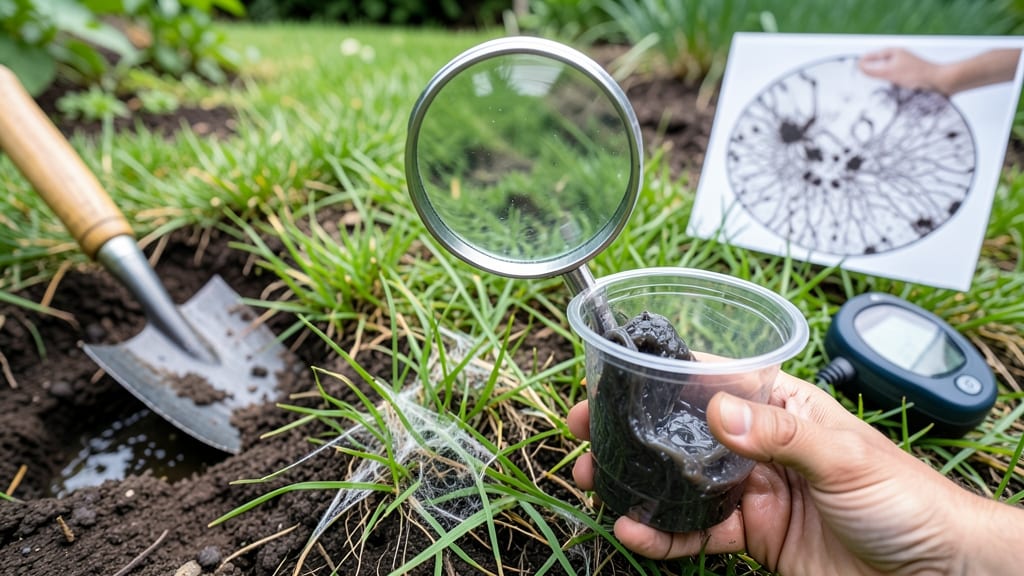
That black slime creeping across your lawn isn’t just unsightly—it’s a sign your grass is stressed. ✨ Whether it’s fungal gunk, algae blooms, or packed organic matter, this guide cuts through the guesswork with a 15-minute organic fix that actually works.
The slime thrives when lawns get too wet, shaded, or nutrient-starved. I’ve seen it turn a perfect green into a sticky mess overnight—until I learned the right mix of raking, drying, and organic treatments. No harsh chemicals needed. By the end, you’ll have a clean lawn that stays healthy.
The key? Scrubbing, drying, and preventing the cycle before it starts. Let’s get that grass back to lush in no time. Works for any yard size, from small patches to full lawns. Here’s how to tackle it fast.
Root Causes Behind Dark Stains
That unsettling black slime creeping across your lawn isn’t just an eyesore—it’s often a sign of hidden biological or chemical processes at work. Understanding the root causes helps you tackle the problem with precision.
Below, we break down the most common culprits, from microbial mayhem to environmental triggers, so you can identify and address the issue before it spreads.
Fungi and bacteria are naturally present in soil, but when conditions become just right, they multiply rapidly, producing dark, slimy byproducts. Here’s how it happens:
- 🍄 Fungal Hyphae & Spores - Certain fungi, like Rhizoctonia or Pythium, thrive in damp, organic-rich soil. Their thread-like hyphae excrete melanin—a dark pigment—as they decompose organic matter. This creates a slimy, black residue that clings to grass blades. - Trigger: Overwatering, poor drainage, or thick thatch layers trap moisture, creating a fungal paradise. - 🧫 Bacteria Feasting on Decay - Bacteria like Pseudomonas or Bacillus species break down dead plant material, releasing black, tar-like slime as a metabolic byproduct. This is especially common in lawns with high organic debris (like fallen leaves or clippings). - Trigger: Compacted soil restricts oxygen, forcing microbes to switch to anaerobic (oxygen-free) digestion, which produces more slime. - 🔬 The Role of Algae - While not a true slime, certain algae (like Prasiola) can form slimy, blackish mats in shaded or moist areas. These thrive on nitrogen-rich runoff (e.g., from fertilizers or pet waste).Moisture is the #1 accelerator for black slime formation. Here’s why:
- 🌧️ Overwatering or Poor Drainage - Lawns watered daily (or after heavy rain) without drying between sessions create soggy conditions. Fungi and bacteria love this environment, as it mimics their natural wetland habitats. - Red Flag: Puddles lingering for >48 hours or a spongy feel underfoot. - 🏗️ Soil Compaction & Thatched Buildup - Compacted soil blocks water drainage, while thick thatch (dead grass layer) acts as a moisture trap. Together, they suffocate roots and fuel microbial slime production. - Test It: Stick a screwdriver into the soil—if it won’t go past 1–2 inches, compaction is likely. - 💦 Irrigation Gone Wrong - Sprinklers that mist (instead of soaking) or run at night (when grass doesn’t dry) create a humid microclimate. This encourages slimy bacterial films to form on blades.Black slime often blooms where organic matter piles up or nutrients get out of whack. Here’s the science:
- 🍂 Leaf Litter & Grass Clippings - Thick layers of organic debris (especially wet leaves or unshredded clippings) decompose anaerobically, producing hydrogen sulfide—a compound that reacts with soil minerals to form black, tarry residues. - Worst Offenders: Oak leaves (tannins) and dense mulch piles near the lawn edge. - 🧪 Over-Fertilization (Especially Nitrogen) - Excess nitrogen (from synthetic fertilizers or pet urine) acts like a buffet for microbes. Bacteria and fungi metabolize it rapidly, releasing black slime as waste. - Sign of Overuse: Dark green grass turning yellow at the edges with a slimy sheen. - 🐕 Pet Waste & Urine Spots - Dog urine is high in nitrogen and urea, which bacteria break down into ammonia—then into black, crusty residues when dried. The urine’s acidity also weakens grass, making it vulnerable to fungal slime.Extreme conditions can push microbes into overdrive, producing more slime than usual:
- 🔥 Heatwaves & Sudden Rain - Hot, dry spells stress grass, causing it to release sugars into the soil. When rain follows, microbes feast on these sugars, excreting black slime as a byproduct. - Quick Fix: Lightly rake the area to expose it to air and sunlight. - 🌳 Shaded or Low-Light Areas - Grass in shade grows slower and stays damp longer, creating ideal conditions for Pythium and algae. These organisms thrive in low-light zones, producing slimy black films. - Solution: Thin nearby trees or install a de-icing mat (yes, really!) to reflect light onto shaded patches. - 🧪 Soil pH Imbalances - Soils with a pH <5.5 (too acidic) or >8.0 (too alkaline) disrupt microbial balance. Extremely acidic soils, for example, encourage Thiobacillus bacteria, which oxidize sulfur into black, slimy compounds. - Test It: A $10 soil kit from a garden center can reveal pH levels.Pro Tip: 🔍 Before treating, collect a sample of the slime on a white paper towel. If it’s:
- Gelatinous & dark green/black: Likely algae or fungal hyphae.
- Tarry & sticky: Bacterial overgrowth (possibly from pet waste or over-fertilization).
- Powdery with black specks: Fungal spores (e.g., Rhizoctonia).
This simple test helps you zero in on the cause—and the right fix.
Quick Fixes for Black Slime Stains
Got that unsightly black slime creeping across your lawn? Don’t panic—here’s how to tackle it fast, organically, and effectively.
The first step is identifying the cause (we’ve got you covered in the previous section!), but once you know what’s behind the mess, these targeted solutions will restore your lawn’s pristine look in no time.
---
If black slime is caused by fungal spores (like Rhizoctonia or Pythium), act quickly before it spreads. Fungi thrive in damp, shaded areas, so drying out the lawn and removing the slime is key.
#### ✅ Step-by-Step Organic Cleanup 1. 🍳 Mix a Natural Fungicide Spray - Combine 1 gallon of water, 1 cup of white vinegar, and 1 tablespoon of baking soda in a spray bottle. - Add 5-10 drops of tea tree oil (a natural antifungal) for extra power. - Pro Tip: 💡 For tougher stains, boost the mix with 1 tablespoon of hydrogen peroxide (3%)—it’s a mild bleach alternative that kills fungi without harming grass roots.
2. 👨🍳 Apply and Scrub Gently - Spray the solution directly onto the black slime. - Use a stiff-bristle brush (or an old toothbrush for small spots) to scrub the area in circular motions. - Warning: ⚠️ Avoid oversaturating the lawn—fungi love moisture, and too much water can worsen the problem.
3. 🌡️ Dry It Out Fast - Let the lawn air-dry in direct sunlight (UV rays help kill fungi). - If rain is forecasted, cover the area with a tarp for 24 hours to prevent recontamination.
4. 🎯 Prevent Regrowth - Improve drainage by aerating compacted soil or adding organic compost. - Reduce shade by trimming overhanging trees or bushes. - Water deeply but less frequently—fungi love dampness, so let the topsoil dry between waterings.
---
Black slime from algae or moss is usually surface-level and easier to remove. These organisms thrive in shady, humid conditions but can be flushed away with the right approach.
#### ✅ Step-by-Step Organic Removal 1. 🔪 Scrape Off the Slime - Use a plastic putty knife or metal rake to gently scrape off the black layer. - Avoid metal tools on concrete or pavers—they can scratch surfaces.
2. 🥘 Rinse with a Vinegar-Water Blast - Mix 1 part white vinegar with 3 parts water in a garden sprayer. - Spray the area thoroughly, focusing on the slime’s edges. - For stubborn spots, sprinkle cornmeal (a natural fungicide) and reapply vinegar spray after 24 hours.
3. ⏰ Let It Bake in the Sun - Algae and moss dry out quickly in sunlight. If possible, avoid watering for 48 hours to speed up evaporation.
4. 🌱 Restore the Lawn - Overseed bare patches with shade-tolerant grass seed (like fine fescue). - Apply a thin layer of sand or perlite to improve drainage in problem areas.
---
If the black slime is from motor oil, asphalt, or grease, it’s a different beast—sticky, toxic, and stubborn. Here’s how to clean it up without harsh chemicals.
#### ✅ Step-by-Step Oil Spill Cleanup 1. 🧹 Contain the Spill - Use kitty litter, baking soda, or dry clay granules to absorb the oil. Sprinkle generously and let sit for 10-15 minutes.
2. 🧼 Scrub with Dish Soap - Mix 1 tablespoon of liquid dish soap (like Dawn) with 1 gallon of warm water. - Scrub the area with a brush or sponge, working the soap into the grass roots.
3. 💦 Rinse Thoroughly - Use a hose with a strong stream to flush away soap residue. - Caution: ⚠️ Avoid power washing—it can spread oil deeper into the soil.
4. 🌿 Revitalize the Soil - After rinsing, top-dress with compost to help break down any remaining oil. - Avoid fertilizing for at least 2 weeks—oil can burn grass if combined with chemicals.
---
Once your lawn is clean, stop the slime before it starts with these easy habits:
- 💡 Improve Airflow: Trim bushes and trees to let sunlight and air circulate. - 🌡️ Water Wisely: Water early in the morning (5–7 AM) to allow foliage to dry quickly. - 🍂 Clean Up Debris: Remove fallen leaves and thatch—fungi and algae love hiding there. - 🌱 Strengthen Grass: Apply organic lawn fertilizer (like compost or alfalfa meal) to promote healthy growth. - ✨ Test Your Soil: If your lawn is too acidic (pH < 6.0), amend with lime to deter fungi.
--- Final Thought: Most black slime issues can be resolved in under 15 minutes with the right approach. Act fast, stay consistent with prevention, and your lawn will stay green, healthy, and slime-free! 🌿✨
Frequently asked questions
Is black slime on my lawn dangerous for pets or kids?
Most natural black slime (from fungi, algae, or bacteria) is harmless, but some sources like motor oil or asphalt can be toxic. If the slime is sticky and smells like fuel, keep pets and kids away until cleaned. Organic slime (like fungal growth) is safe to touch but can stain shoes or paws.
Will mowing help remove black slime from my lawn?
Mowing alone won’t eliminate slime—it can actually spread fungal spores or algae! For best results, mow first to trim grass, then apply a vinegar solution or scrub the area. Always clean your mower blade afterward to avoid cross-contamination.
How often should I check my lawn for black slime?
Inspect your lawn weekly during spring and fall (peak slime seasons) and biweekly in summer. Focus on shaded areas, low spots, and near trees where moisture lingers. Early detection makes cleanup faster and prevents spread.
Can I use bleach to clean black slime off my lawn?
Never use chlorine bleach—it burns grass and harms soil microbes. For stubborn stains, mix 1 part hydrogen peroxide (3%) with 10 parts water instead. It’s safer and just as effective at killing fungi while protecting your lawn.
Why does black slime keep coming back after treatment?
Rebound slime usually means the root cause (like poor drainage or overwatering) isn’t fixed. Check for compacted soil, excess shade, or lingering organic debris. Aerate the lawn, adjust your watering schedule, and remove thatch to break the cycle.