
Lawn
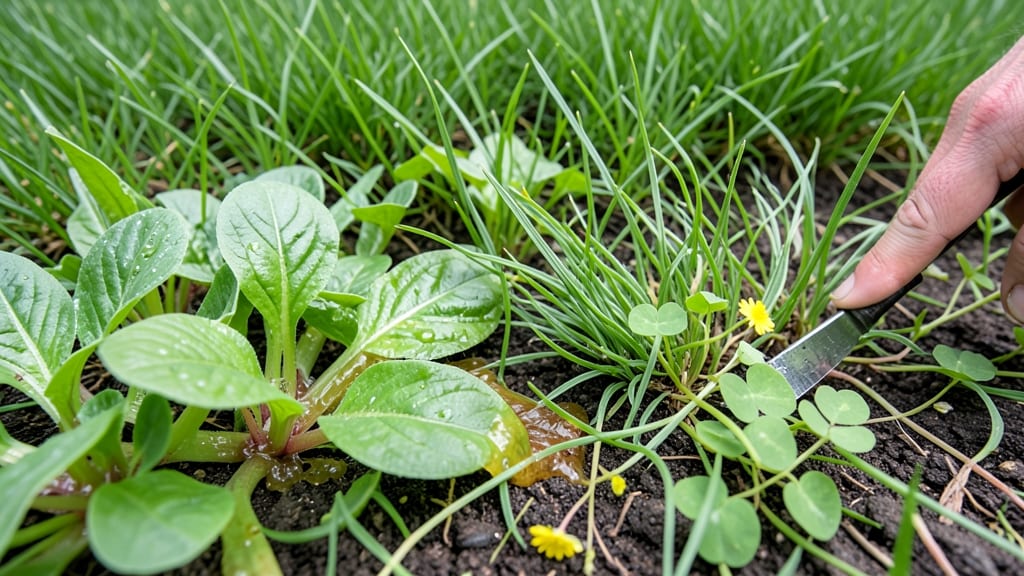
Sticky weeds in your lawn aren’t just unsightly—they’re stubborn. That clingy sap or seed pods you step on? It’s a sign the weeds have already won the battle for space.
I’ve wrestled with crabgrass and spurge that seemed impossible to remove without leaving behind sticky residue or regrowing roots, but there’s a method that actually works.
The secret lies in timing and technique. Pull weeds when the soil is moist (after a light rain or watering) so they come up cleanly, then rinse your gloves with soapy water to dissolve that sticky mess.
A stiff trowel helps pry out deep roots without breaking, and a trash bag keeps the mess contained. It’s not about brute force—it’s about strategy.
What you’ll end up with is a lawn that feels smooth underfoot again, not one that leaves your shoes covered in goo. The right tools and a little patience make all the difference, and you’ll avoid the frustration of weeds that seem to regrow overnight.
This method works for both common weeds and those pesky sticky varieties.
For long-term results, focus on preventing the problem. Overseeding bare patches, adjusting your mowing height, and applying pre-emergent herbicides in early spring can cut down on weed growth before it starts. A well-maintained lawn gives weeds less room to take hold—and less chance to leave you with sticky surprises.
📚 In This Guide
- What you need
- Instructions
- Tips and common mistakes
- Wrapping up and next steps
What you need
- ● Garden gloves (1 pair) – Heavy-duty, waterproof gloves to protect your hands from sap and sharp edges.
- ● Hand trowel or weeding tool – A sturdy, long-handled tool (like a dandelion digger) for deep extraction.
- ● Garden fork or hoe – A flat-nose shovel or weeding hoe to loosen stubborn roots.
- ● Pruners or sharp scissors – For trimming thick stems or cutting weeds at the base.
- ● Plastic bags or bucket – To collect weeds and debris (1–2 large bags or a 5-gallon bucket).
- ● Kneeling pad or small stool – For comfort during prolonged weeding sessions.
- ○ Hose with spray nozzle – To wet the soil before pulling (optional but helpful for stubborn weeds).
- ● Vinegar-based weed killer (1 gallon) – For spot-treating resistant weeds (use 20–30% acetic acid; avoid on desirable plants).
- ● Corn gluten meal (5–10 lbs) – A natural pre-emergent to prevent regrowth (apply after weeding).
- ● Lawn fertilizer – To revitalize your turf post-weeding (choose a slow-release, weed-free formula).
- ● Mulch or straw – To suppress future weed growth in treated areas.
- ● Safety goggles – If using chemical treatments (though the pull-and-free method is chemical-free!).
Step-by-Step instructions for removing sticky weeds from lawn
Here's the straightforward method I use to eliminate stubborn sticky weeds without harming your grass.
Identify and Prepare the Weed-Infested Area
Walk your lawn carefully and identify all patches with sticky weeds—look for areas where the grass feels slimy or where footprints leave residue. These weeds often grow in clusters, so mark the perimeter with a garden hose or flags to avoid missing spots. I like to work in small sections, about 3 feet by 3 feet, to ensure thorough treatment.
Before pulling, mow the lawn to a height of 2-3 inches to reduce stress on the grass and make weeds easier to grasp. Avoid cutting too short, as this can weaken the grass and make it more vulnerable to damage during removal. Water the area lightly the day before if the soil feels dry—this helps loosen the roots without making the ground muddy.
Pull Weeds at the Right Time and Technique
Timing is everything—pull weeds when the soil is moist but not soggy, typically in the early morning or late afternoon when temperatures are cooler. Grasp the weed as close to the base as possible, just below the sticky residue, and tug firmly but steadily upward. Avoid yanking, as this can break the weed and leave fragments behind to regrow.
For stubborn weeds, I use a small hand fork to gently loosen the roots before pulling. This prevents the weed from snapping off at the surface. Once removed, inspect the area for any remaining root fragments or small pieces of weed—these will regrow if left behind. I like to use a gloved hand to wipe away any leftover sticky residue with a damp cloth to prevent it from spreading to other areas.
Treat the Soil to Prevent Regrowth
After removing the weeds, fill the empty spots with fresh topsoil or compost to encourage grass regrowth. Press the soil lightly with your hand or a small rake to ensure good contact with the remaining grass roots. Water the area thoroughly to help the soil settle and promote new grass growth. Avoid compacting the soil too much, as this can prevent proper water absorption.
To prevent future sticky weed growth, apply a layer of mulch or a pre-emergent herbicide specifically designed for lawns. I prefer organic mulch, like straw or wood chips, as it also improves soil health. If you choose a chemical pre-emergent, follow the label instructions carefully to avoid harming your grass. Reapply mulch or herbicide every 3-4 months during the growing season for best results.
Monitor and Maintain Your Lawn
Keep an eye on the treated areas for the next 2-3 weeks to ensure no new weeds sprout. If you notice any sticky residue reappearing, repeat the pulling process immediately. Healthy grass is the best defense against weeds, so fertilize your lawn regularly with a balanced, slow-release fertilizer to keep it thick and resilient.
Mow your lawn consistently at the recommended height for your grass type to discourage weed growth. Over time, a well-maintained lawn will naturally crowd out weeds, reducing the need for manual removal. If sticky weeds persist in certain areas, consider testing your soil pH and adjusting it to better suit your grass type—this can make your lawn less hospitable to weeds.
Tips & tricks for perfect lawn weed removal
Took me years to perfect this method after battling sticky weeds myself—here's what actually works to keep your lawn looking pristine.
Timing Secret: The early morning or late afternoon timing in Step 2 isn't just about cooler temps—it's when the soil moisture is ideal. If you must work midday, water the area lightly first, but avoid making it soggy. I've found that weeds pull cleanest when the ground feels like a well-wrung sponge, not dripping wet. This prevents tearing roots and makes the pulling process much easier on your hands too.
Equipment Upgrade: While a hand fork works great for stubborn weeds in Step 2, I've found a small garden weeding tool with a forked end makes the job nearly effortless. The narrow tines slip between grass and weeds without disturbing surrounding turf. For larger infestations, consider a long-handled weeding tool to protect your back—trust me, you'll thank me after 20 minutes of bending over.
Soil Treatment Wisdom: When filling those empty spots in Step 3, don't just use any old dirt from your yard. Mix your topsoil or compost with a handful of sand to improve drainage, especially if your lawn gets heavy foot traffic. I've seen too many cases where people just fill gaps with yard soil, only to have weeds pop back up because the original soil conditions were still perfect for growth.
Monitoring Strategy: That 2-3 week monitoring period in Step 4 is non-negotiable if you want long-term results. I've created a simple system: mark treated areas with small flags or spray them with a bit of water (the treated spots will dry differently). This visual cue helps me spot new growth immediately before it becomes established. Set a reminder on your phone for 2 weeks out—you'll be surprised how quickly weeds can reappear if you're not watching.
Pro Tips for Sticky Weeds In Lawn
- Took me years to perfect this method after battling sticky weeds myself—here's what actually works to keep your lawn ...
- Timing Secret: The early morning or late afternoon timing in Step 2 isn't just about cooler temps—it's when the soil ...
- Equipment Upgrade: While a hand fork works great for stubborn weeds in Step 2, I've found a small garden weeding tool...
Frequently asked questions
Got sticky weeds ruining your lawn?
Here are answers to the most common questions to help you tackle them like a pro!
What are the most common types of sticky weeds in lawns?
The stickiest culprits are usually clover (with its white, sticky sap), dandelions (milky latex sap), and creeping Charlie (sticky stems). Sticky seedpods from weeds like burdock or beggar’s ticks can also cling to shoes and pets. Identifying them helps you choose the best removal method!
When is the best time to pull sticky weeds for the best results?
Pull weeds when the soil is moist but not soggy—early morning or after rain works best. Spring and fall are ideal because weeds are actively growing but haven’t yet spread seeds. Avoid pulling in peak summer heat, as the roots may regrow faster.
Can I use vinegar or other household items to kill sticky weeds?
Yes! A 1:1 ratio of white vinegar and water with a few drops of dish soap sprayed directly on weeds can kill them naturally. For stubborn sticky weeds, repeat every 2–3 days until they wilt. Caution: Vinegar may also harm grass, so spot-test first and avoid windy days.
Why do sticky weeds keep coming back after I pull them?
Weeds often return because roots break off or seedlings sprout nearby. Use the Pull-And-Free method (twist + lift) to remove the entire root. For clover, mulch or overseed bare spots to prevent regrowth. If they persist, consider a natural pre-emergent herbicide in early spring.
How do I keep sticky weed residue off my shoes, pets, and kids?
Rinse shoes and paws with warm, soapy water immediately after contact. For stubborn residue, a rubbing alcohol wipe works wonders. Wear gloves when pulling weeds, and keep kids/pets off freshly treated areas until residue dries. A doormat with a sticky roller at entryways can also trap weed bits!
Wrapping up and next steps
Dealing with sticky weeds in your lawn doesn’t have to be a frustrating battle—with the right tools and techniques, you can reclaim a lush, spotless turf! Remember, consistency is key: tackle those weeds early, use the pull-and-free method, and stay patient as your lawn recovers. 🌱
Ready to take action? Grab your supplies, roll up your sleeves, and start small—one stubborn weed at a time. Your lawn (and your neighbors!) will thank you for the effort. 👉 Try the method this weekend!