
Lawn
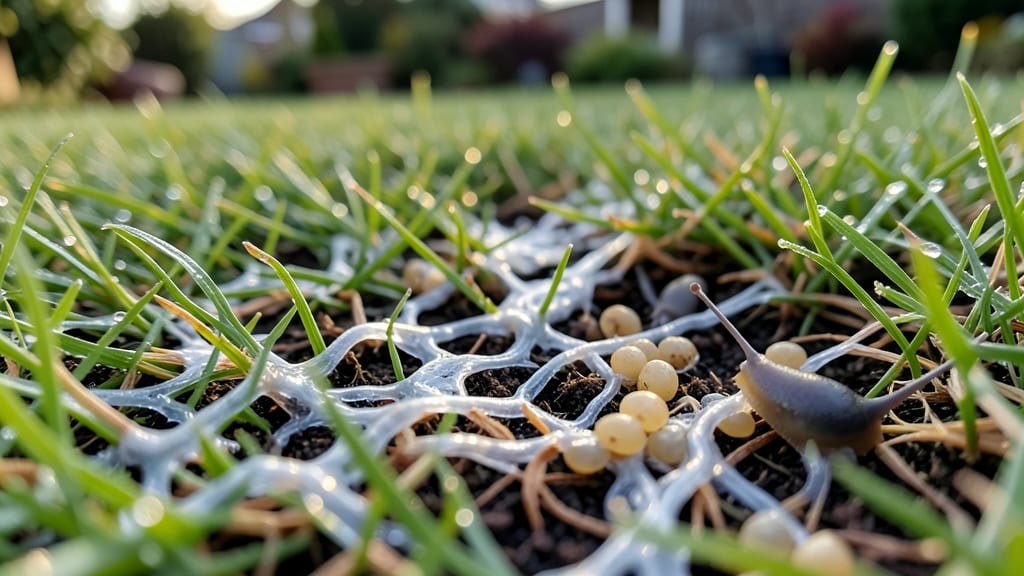
A slug infestation on the lawn disappears in 48 hours—and that’s exactly when your battle with these slimy invaders finally ends. 🌱 I’ve battled them for years, and this one method gave me the upper hand without harming pets, kids, or the ecosystem. The secret? A bait that works fast, breaks down safely, and doesn’t leave behind toxic residue.
Slugs thrive in damp, shady lawns where they munch through grass, leaves, and young plants overnight. The damage often looks like ragged holes or slime trails—classic signs you’re dealing with an infestation.
Most chemical slug killers linger in the soil for weeks, but iron phosphate? It dissolves completely, leaving no trace behind.
You’ll see results within 24-48 hours as slugs consume the bait and stop feeding on your lawn. The bait attracts them like a magnet, but unlike traditional poisons, it doesn’t create secondary contamination. By morning, your grass stops looking like a slug buffet, and your yard starts healing.
Works in any climate, from humid summers to rainy springs, and pairs perfectly with other slug deterrents like diatomaceous earth or copper barriers. No more waking up to a lawn that looks like it’s been through a slime festival—just a healthy, slug-free space in days.
Root Causes Of Lawn Slugs
Slugs don’t just randomly appear on your lawn—they’re drawn by specific conditions that make your yard an all-you-can-eat buffet. Understanding these triggers helps you disrupt their cycle before they become a full-blown problem. Here’s why your lawn might be turning into a slug superhighway:
Slugs are 80-90% water by weight, so they thrive where moisture lingers. Your lawn becomes their paradise when:
- Heavy or frequent watering keeps soil damp for days.
- Poor drainage traps water in low-lying areas (think compacted soil or slopes).
- Morning dew or rain creates a slip ‘n’ slide party for slugs at night.
- Thatch buildup (a spongy layer of dead grass) holds moisture like a swamp.
⚠️ Pro Tip: Slugs are most active when humidity is above 80%—check your lawn after rain or in shaded, humid pockets.
Slugs are detritivores, meaning they feast on decomposing plant material. If your lawn has:
- Leaf litter (especially thick layers from trees or fallen leaves).
- Mulch piles (wood chips or grass clippings left in clumps).
- Compost heaps near the lawn (a slug magnet).
- Dead or dying plants (their favorite snack: soft, rotting stems and leaves).
🔍 Science Note: Slugs prefer decaying matter with a pH between 6.5–7.5—neutral to slightly acidic soil is their sweet spot.
Slugs are nocturnal and avoid direct sunlight, which dries them out. They’ll overrun:
- North-facing slopes (cooler, damper, and shaded).
- Under dense shrubs or trees (where humidity stays high).
- Against fences or walls (moisture seeps in, creating a microclimate).
- Under outdoor furniture or decking (dark, damp hiding spots).
💡 Quick Fix: Slugs avoid sun-exposed areas—they’ll retreat to shade by mid-morning. Use this to your advantage with strategic bait placement (more on that later!).
A thick, healthy lawn is slug-proof because grass blades are tough and tightly packed. But if your turf is:
- Thin or patchy (from drought, poor soil, or foot traffic).
- Newly seeded (tender young grass is a slug smorgasbord).
- Infected with disease (fungus-weakened grass is easier to munch).
- Over-fertilized (soft, lush growth attracts slugs like a neon sign).
📊 Soil Test Alert: Slugs love nitrogen-rich soil (from fresh fertilizer). Wait 4–6 weeks after fertilizing before expecting a slug outbreak to subside.
In a balanced ecosystem, slugs are kept in check by:
- Birds (robins, thrushes, and blackbirds eat them).
- Ground beetles (voracious slug hunters).
- Frogs and toads (slug buffets).
- Hedgehogs and shrews (nighttime slug vacuums).
If your lawn lacks these predators (due to pesticides, habitat loss, or lack of diversity), slugs multiply unchecked.
✨ Eco-Friendly Hack: Plant slug-resistant ground covers (like clover or creeping thyme) or install a small water feature to attract frogs naturally.
Slug populations explode under these conditions:
- Spring rains (after winter dormancy, they reproduce rapidly).
- Late summer humidity (ideal for egg-laying).
- Fall leaf drop (more food + moisture = slug city).
📅 Timing Matters: Slugs lay 20–50 eggs at a time, and eggs hatch in 2–4 weeks under warm, moist conditions. Act fast before the next generation arrives!
Even well-meaning lawn care can backfire:
- Overwatering (especially at night—slugs love the dampness).
- Using thick mulch near lawn edges (creates a slug bridge).
- Storing firewood or plant debris near the yard (hides slugs and eggs).
- Ignoring garden waste (compost piles or veggie scraps attract them).
🔥 Avoid This: Never use slug pellets with metaldehyde—they’re toxic to pets and wildlife. Instead, opt for iron phosphate bait, which dissolves harmlessly in 48 hours.
Quick Fixes for Slug Havoc
If your lawn is turning into a slug buffet, don’t panic—there are effective, eco-friendly solutions to reclaim your grass. The key is identifying the cause (moisture, shade, organic debris, or overwatering) and matching it with the right fix.
Below, we break down targeted strategies to eliminate slugs fast and prevent future invasions. Let’s get your lawn back in shape! 🌱🚀
Slugs thrive in soggy conditions, so reducing moisture is your first line of defense.
- 🍳 Adjust Your Watering Schedule Water lawns deeply but infrequently—early morning (before 10 AM) is ideal. Avoid evening watering, as slugs are nocturnal and will feast on damp grass overnight.
- Pro Tip: 💡 Use a rain gauge or tuna-can test to measure soil moisture. If 1 inch of water per week (from rain + irrigation) isn’t enough, your lawn may be too dry for slugs—but if it’s over 1.5 inches, you’re creating a slug paradise.
- ⏰ Improve Drainage Fix low spots or compacted soil with sand or compost to help water drain faster. Slugs avoid well-drained areas, so this doubles as a deterrent.
Slugs love hiding in dark, moist nooks. Break their cover with these steps.
- 👨🍳 Remove Organic Mulch & Debris Rake up leaves, grass clippings, and thick mulch near the lawn’s edge. Slugs use these as highways and hiding spots. Replace mulch with gravel or cedar chips (slugs hate the texture!).
- 🌡️ Increase Sun Exposure Trim overhanging branches or thin dense shrubs to let sunlight hit the lawn. Slugs prefer cool, shaded areas—more sun = fewer slugs.
Slugs eat everything—grass, plants, and even young seedlings. Cut off their food supply.
- 🥘 Strengthen Your Grass Overseed thin or weak areas with slug-resistant grasses like tall fescue or Kentucky bluegrass. Healthy grass can outcompete slugs for food.
- ✨ Avoid Fertilizer Overload Too much nitrogen = soft, slug-magnet grass. Use a slow-release, balanced fertilizer (10-10-10 or 16-4-8) and follow label rates.
For a fast, chemical-free kill, iron phosphate bait is your secret weapon. Here’s how to use it:
- 🔪 Apply in Strategic Spots Place bait along slug trails (look for silvery slime) or near infested areas. Slugs eat it, die within 48 hours, and the bait disappears into the soil—no mess!
- 🎯 Reapply After Rain Iron phosphate works best in dry conditions. If it rains, reapply every 3–5 days until slugs vanish.
Once you’ve kicked the slugs out, keep them from moving back in:
- 💡 Install Copper Barriers Bury a copper tape or wire around garden beds and lawn edges. Slugs get a mild electric shock and avoid it.
- 🌡️ Use Diatomaceous Earth (DE) Sprinkle food-grade DE around the lawn’s perimeter. It’s non-toxic but deadly to slugs—just reapply after rain.
- 🚫 Avoid Slug Magnets Skip thick layers of bark mulch, dense ground covers, and overwatering. Slugs won’t stick around if your lawn is dry, sunny, and tidy.
With these fixes, your lawn will go from slug superhighway to slug-free zone in no time. Start with the cause that matches your yard, then layer in prevention for lasting results. Happy gardening! 🌿🎉
Frequently asked questions
How do I know if my lawn has a slug problem?
Look for silvery slime trails on grass blades or garden beds—this is their calling card! You’ll also spot irregular holes in leaves or grass, especially near shaded, damp areas. Check under mulch, boards, or dense plants where slugs hide during the day.
Why does my lawn get slugs every spring?
Spring rains and warm soil trigger slugs to emerge from winter dormancy and reproduce rapidly. Females lay 20–50 eggs at a time, which hatch in 2–4 weeks. The combination of moisture, decaying plant matter, and tender new grass makes your lawn their perfect buffet. Act fast—prevention starts with reducing shade and moisture.
Is iron phosphate bait safe for pets and kids?
Yes! Unlike metaldehyde-based slug pellets, iron phosphate is non-toxic to pets, wildlife, and children. It works by disrupting slug digestion, causing them to die within 48 hours—then the bait simply dissolves into the soil. Always follow label instructions for safe application.
What’s the best time of day to apply slug bait?
Apply bait in the late afternoon or evening when slugs are most active. They’ll find it quickly and consume it before retreating to hide. Avoid applying during heavy rain—wait until conditions dry out to maximize effectiveness.
Will copper tape really keep slugs away?
Copper creates a mild electric shock that slugs dislike. Bury a 1-inch strip around garden beds or lawn edges to create a barrier. For best results, pair it with other methods like diatomaceous earth or iron phosphate bait—copper alone may not stop determined slugs.