
Lawn
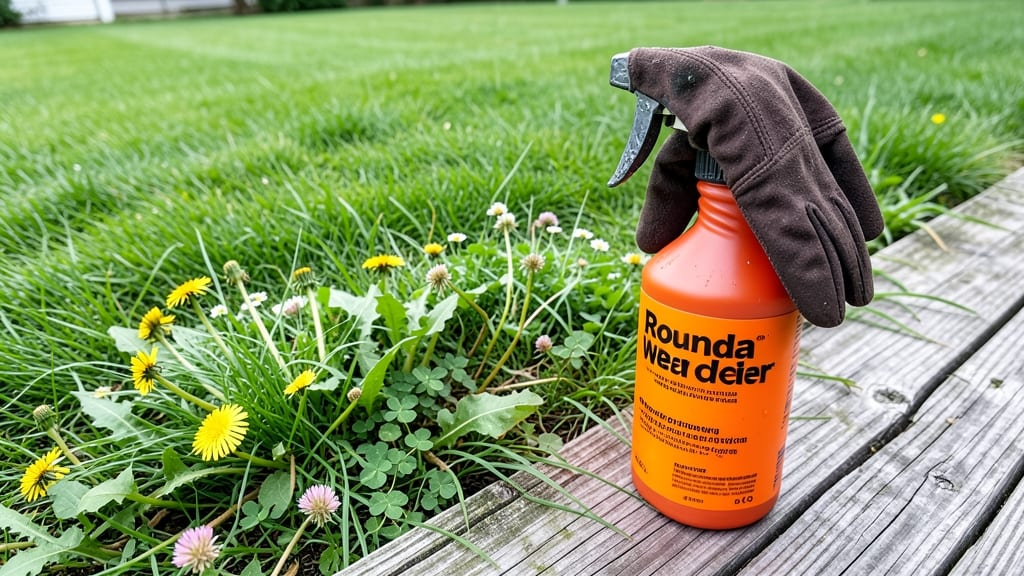
When weeds take over your lawn faster than you can pull them, Roundup for lawn weeds delivers fast results—but only if you use it right. 🌱 I’ve battled crabgrass and clover that outgrew my patience, and the key isn’t just spraying.
It’s knowing when and where to apply it so your grass stays green while the weeds vanish.
The secret lies in timing and technique. Apply on a dry, wind-free day when weeds are actively growing (not dormant), and use a spot-treatment approach with a pump sprayer for precision.
Most weeds wither within 24 hours, but grass recovers faster than you’d expect—just avoid mowing for a few days after treatment.
What you’ll end up with is a lawn where weeds can’t compete: thick, healthy grass that crowds out regrowth naturally. The trick is consistency—treat early, before weeds go to seed, and your lawn stays weed-free without constant battling.
For eco-conscious gardeners, organic alternatives like vinegar or corn gluten meal take longer but work over time. Either way, the goal is the same: a lawn that stays lush without sacrificing your green thumb’s values.
📚 In This Guide
- What you need
- Instructions
- Tips and common mistakes
- Wrapping up and next steps
What you need
- ● Roundup for Lawn Weeds (Glyphosate-based): 1 gallon concentrate (or ready-to-use spray) – check label for lawn-specific formulas
- ○ Optional: Roundup Weed & Grass Killer Concentrate Plus (for tougher weeds like dandelions or crabgrass)
- ● Spray Equipment: Hose-end sprayer (for large lawns) or
- ● Handheld sprayer (1–2 gallon capacity, even application is key!)
- ● Protective Gear: Long sleeves & pants (lightweight, breathable fabric)
- ● Gloves (nitrile or rubber, chemical-resistant)
- ● Safety goggles (to shield eyes from spray drift)
- ● Measuring Tools: Measuring cup or funnel (for precise herbicide mixing)
- ● Weather Check: Clear forecast for 24–48 hours (no rain expected)
- ● Pre-emergent herbicide (apply before weeds sprout for long-term prevention)
- ● Post-emergent spot treatment (for targeted weed control without full lawn spray)
- ● Lawn spreader (for even distribution on large areas)
- ● Knee pads (if you’re hands-and-knees applying treatment)
- ● Pet/child barrier (if animals or kids frequent the lawn within 24–48 hours)
Step-by-step instructions for targeted weed control with glyphosate
Here’s how to eliminate stubborn lawn weeds in 24 hours while protecting your grass—no guesswork, just precision.
🌱 Step 1: Identify and Target Weeds Precisely
Walk your lawn in the late afternoon when weeds are actively growing. Focus on broadleaf weeds like dandelions, clover, and plantain—these respond best to glyphosate-based herbicides. Avoid spraying grass blades, stems, or roots directly, as glyphosate moves through plant systems. Use a sharp knife or string trimmer to cut weeds at the base before applying, which helps the herbicide absorb faster.
I like to mark weed clusters with small flags or chalk—this prevents accidental overspray on grass. If you’re treating a large area, divide it into sections to ensure thorough coverage. Timing matters: apply when weeds are 4-6 inches tall and actively growing, not stressed by drought or heat.
💧 Step 2: Apply Herbicide at the Right Concentration
Mix Roundup (glyphosate-based herbicide) according to label instructions—typically 2-4 oz per gallon of water for lawn applications. Use a hose-end sprayer for even distribution, and shake the bottle vigorously before pouring. Over-diluting weakens effectiveness, while over-concentrating risks harming grass. Calibrate your sprayer to deliver 0.5 gallons per 1,000 sq ft for consistent coverage.
Spray until the weed foliage is glossy wet, but avoid pooling on the lawn. Focus on the leaves and stems—glyphosate is systemic, so it’ll travel down to the roots. If treating spotty weeds, use a paintbrush or foam applicator for precision. Wear gloves and long sleeves to avoid skin contact, and avoid inhaling the mist.
☀️ Step 3: Monitor for 24 Hours and Assess Results
Within 6-12 hours, you’ll see weeds start to wilt as the herbicide disrupts their cellular processes. By 24 hours, most targeted weeds will collapse completely. Check for missed spots—if any weeds remain upright, reapply only to those areas. Avoid mowing for 3-5 days after treatment to let the herbicide fully absorb into the roots.
Grass should show no signs of damage if applied correctly. If you notice yellowing or browning in grass blades, it means overspray occurred—this is a sign to adjust your technique next time. Water the lawn lightly 24 hours after treatment to rinse off any residual herbicide on grass blades, but avoid heavy watering for 48 hours to prevent dilution.
✂️ Step 4: Clean Up and Prevent Regrowth
After weeds have fully died (typically 3-7 days), use a lawn rake or dandelion weeder to pull out dead roots and debris. This prevents seeds from reseeding and makes the lawn look tidy. For stubborn weeds like Bermuda grass or nutsedge, you may need 2-3 applications spaced 7-10 days apart—these weeds have deep root systems that require repeated treatment.
To keep weeds at bay, apply a pre-emergent herbicide in early spring (before weed seeds germinate) and maintain a 3-inch mowing height—taller grass shades out weed seeds. Overseed bare patches with high-quality grass seed to fill gaps where weeds might take hold. Regularly inspect your lawn for new weeds, especially after rain or heavy foot traffic.
Tips & tricks for targeted weed control with glyphosate
Here's what nobody tells you about getting this right the first time—mistakes can cost you weeks of regrowth.
Precision Timing: The 4-6 inch height for weeds is non-negotiable. Anything shorter and the herbicide won't penetrate effectively, while taller weeds may not absorb it uniformly. I've seen people waste entire bottles because they sprayed weeds that were either too young or stressed by drought. Check weed height with a ruler or measuring tape before you begin—this is your quality control step.
Equipment Matters: That 0.5 gallons per 1,000 sq ft calibration isn't just a suggestion—it's the difference between spotty results and complete coverage. Rent or borrow a sprayer with adjustable nozzles if yours doesn't have this feature. For stubborn weeds, swap to a paintbrush applicator after your initial spray to get into tight spots where the hose-end sprayer misses. I keep a small foam brush in my lawn care kit specifically for this purpose.
24-Hour Watch: The magic happens during those first 24 hours, but most people don't pay attention. Set a reminder on your phone for the 6-hour mark to check for early wilting. If you see any weeds still standing upright after 24 hours, they either weren't sprayed thoroughly or are resistant varieties like nutsedge. Don't just walk away—this is when you catch mistakes before they become permanent problems.
Post-Treatment Care: That 3-5 day no-mow rule is crucial because it gives the herbicide time to translocate down to the roots. I've seen people mow too soon and end up with weeds that look dead but resprout from the roots. Also, when you do water 24 hours after treatment, use a gentle mist setting on your hose—you're not trying to water the lawn, just rinse off any residual herbicide that might have landed on grass blades.
Pro Tips for Roundup For Lawn Weeds
- Here's what nobody tells you about getting this right the first time—mistakes can cost you weeks of regrowth.
- Precision Timing: The 4-6 inch height for weeds is non-negotiable. Anything shorter and the herbicide won't penetrate...
- Equipment Matters: That 0.5 gallons per 1,000 sq ft calibration isn't just a suggestion—it's the difference between s...
Frequently asked questions
Got questions about using Roundup for lawn weeds? You’re not alone! Here are answers to the most common concerns—so you can tackle weeds like a pro without stressing over the details.
How fast does Roundup kill weeds in my lawn?
Roundup typically delivers visible results in 24–48 hours for actively growing weeds. For tougher or woody weeds (like dandelions or clover), complete kill may take 3–7 days. Always follow label instructions for best timing—early morning or late evening applications work best to avoid stressing your grass.
Will Roundup harm my grass or other plants?
When used correctly, Roundup is designed to target broadleaf weeds while sparing grass. However, overspray or misapplication can damage turf. For extra safety:
Timing matters! Apply Roundup when weeds are actively growing—typically spring (March–May) and fall (September–November). Avoid treating in summer heat or winter dormancy, as weeds won’t absorb the herbicide effectively. Cool, humid mornings are ideal. Yes! If you prefer organic or chemical-free options, try:
For large lawns, though, Roundup often delivers faster, more reliable results. If Roundup isn’t killing weeds, it’s usually due to:
Try reapplying on a fresh day or spot-treating with a stronger formula if needed.
What’s the best time of year to apply Roundup for lawn weeds?
Are there natural alternatives to Roundup for lawn weeds?
Why did Roundup stop working on my weeds?
Wrapping up and next steps
Say goodbye to stubborn weeds without sacrificing your lush lawn! With Roundup for lawn weeds, you’ve got a fast, effective solution that delivers targeted results in just 24 hours—while keeping your grass safe and thriving.
Whether you’re tackling dandelions, clover, or crabgrass, the key is precision, patience, and the right technique. Now’s the perfect time to take action—grab your sprayer, follow the steps, and enjoy a weed-free paradise in no time!
Ready to transform your lawn? Start today—your grass will thank you! 🌱✨