
Lawn
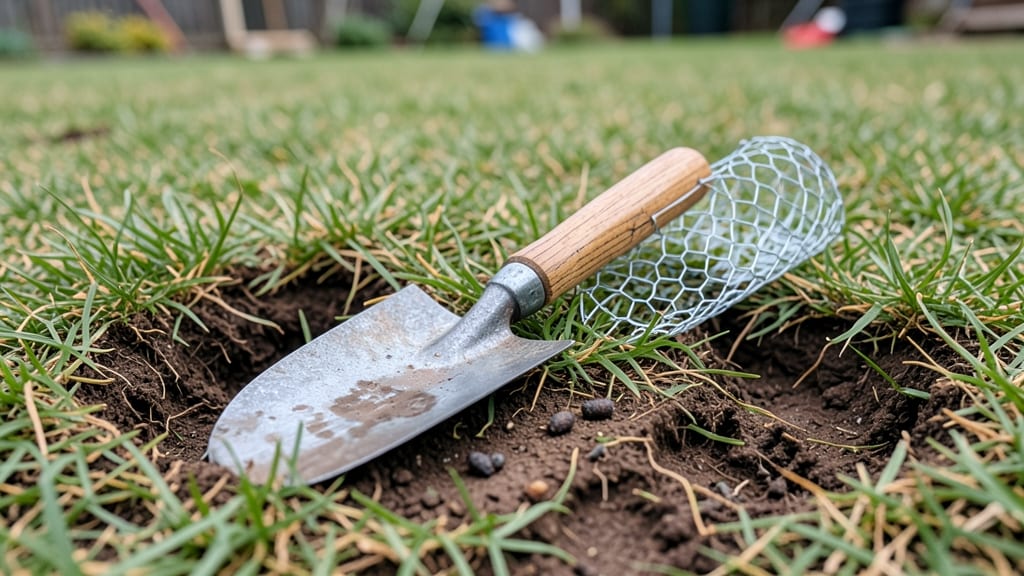
Rat holes in lawns turn your yard into a maze of destruction before you can say "spring cleanup." 🌱 I learned the hard way when my carefully mowed lawn became a rat highway overnight—until I discovered a fast-fix barrier that stops digging in its tracks.
The secret isn’t just filling holes; it’s creating an environment rats won’t tolerate while repairing the damage fast.
These pests dig for shelter, food, or nesting—not because they enjoy wrecking your yard. Once you spot fresh holes (usually 2-4 inches wide with mounded dirt), act fast: cover the area with hardware cloth or a heavy-duty wire mesh buried 12 inches deep.
Combine this with natural deterrents like castor oil pellets or peppermint oil-soaked cotton balls near entry points. Rats hate the smell, and the mesh blocks their access for good.
Repairing the lawn takes minutes with the right tools: patch soil, level it, and top with fresh sod or seed. The key is speed—rats return to familiar tunnels within 24 hours if you don’t secure the area.
For stubborn cases, a one-time rodenticide pellet (placed outside the mesh) can eliminate the problem without harming pets or kids once the holes are sealed.
This method works in any season, from spring lawn prep to winter rodent control. The barrier stays in place for years, and the repair blends seamlessly into your grass. No more waking up to a lawn that looks like a construction site—just a clean, rat-free yard in record time.
Hidden Causes of Lawn Digging
If your lawn is suddenly dotted with mysterious holes, you’re not just dealing with a cosmetic issue—rats and other burrowing pests are hard at work beneath the surface. Understanding why they’re digging is the first step to stopping them.
Below, we break down the science-backed reasons behind these underground disturbances, so you can address the root cause (and not just the symptoms).
Rats, moles, and voles are opportunistic burrowers, and your lawn may unknowingly offer the perfect conditions for them to set up shop. Here’s why:
- Soft, Loose Soil: Lawns with sandy, clay-heavy, or recently tilled soil are like an all-you-can-dig buffet. Rats prefer soil that’s easy to excavate, especially if it’s moist (which is often the case in spring or after rain). Pro tip: Compacted or rocky soil deters digging, but if your lawn is fluffy, pests will take advantage. 🌡️
- Shady or Dense Grass: Thick, untrimmed grass provides cover from predators (like birds or cats) and shade from the sun. Rats and voles thrive in these microclimates, using your lawn as a hidden highway. Actionable fix: Mow regularly and thin out overgrown areas to reduce hiding spots. ✨
- Proximity to Food Sources: If your lawn borders a garden, compost pile, or pet food bowl, it’s a magnet for rodents. They’ll dig tunnels to access scraps or store food underground. Science note: Rats cache up to 90% of their food, so even small crumbs can trigger digging sprees. 🍖
Not all digging is for shelter—some pests are hunting for a meal. Here’s what’s on their menu:
| Pest | Target Food | Why They Dig |
|---|---|---|
| Rats | Grubs, earthworms, bulbs, and buried seeds | They’ll tunnel near the surface to access these protein-rich snacks. A single rat can move up to 50 pounds of soil while foraging! 🔥 |
| Moles | Grubs, larvae, and insects | Their tunnel systems (not just holes) are built to efficiently hunt soil-dwelling pests. Fun fact: Moles eat 50–100% of their body weight daily—that’s a lot of digging. 🐜 |
| Voles | Grass roots, bulbs, and shallowly planted seeds | They create shallow, winding tunnels (often near fences or garden edges) to gnaw on vegetation. Warning: Vole holes can collapse, creating sudden sinkholes in your lawn. ⚠️ |
Burrowing pests love moisture—it keeps their tunnels stable and provides hydration. If your lawn has these conditions, you’ll see more holes:
- Irrigation Issues: Overwatering or leaky sprinklers create soggy patches, which rats and moles find irresistible. Data point: Studies show rats prefer areas with 15–20% soil moisture—your watering habits might be inviting them. 💦
- Poor Drainage: Low-lying areas or clay-heavy soil that holds water after rain become hotspots for digging. Pests avoid dry, crumbly soil but will camp out in damp zones. Fix: Improve drainage with sand or gravel to make the environment less appealing. 🌧️
- Standing Water: Even small puddles or birdbaths can attract pests. Rats and voles will dig near water sources to stay hydrated and escape predators. Pro move: Eliminate stagnant water and keep gutters clean to reduce temptation. 🚰
Sometimes, the holes in your lawn aren’t random—they’re a direct response to your actions. Here’s how:
- Recent Landscaping: Newly turned soil (from planting, aerating, or installing sprinklers) is like a neon sign for burrowing pests. The disruption exposes grubs and insects, which attract rats and moles. Solution: Wait 4–6 weeks after soil work before expecting holes to appear—and monitor closely. ⏳
- Pet Waste or Food Scraps: Uneaten pet food, fallen fruit, or even compost piles can lure rats to dig near your lawn’s edge. Shocking stat: A single rat can contaminate up to 200 square feet of soil with burrows while foraging for scraps. 🍲
- Seasonal Changes: Spring and fall are peak digging seasons because:
- Spring: Pests emerge from hibernation and seek mates/nests.
- Fall: They stockpile food for winter.
Fixing Lawn Damage from Digging Pests
Now that you know why rats and other burrowing pests are turning your lawn into a Swiss cheese board, let’s tackle the problem head-on! The good news?
With the right approach, you can repair the damage, deter future digging, and restore your lawn—without resorting to toxic chemicals or costly professional services.
Below, we’ve mapped out practical, step-by-step solutions tailored to the most common causes of rat holes in lawns, plus prevention tips to keep your yard pest-free long-term.
Problem: Rats burrow to escape predators, seek warmth, or create nests for their young. Their tunnels weaken grass roots and create unsightly mounds.
🚧 Step 1: Seal the Entry Points
Rats squeeze through tiny gaps—even a dime-sized hole is an invitation. Use steel wool or hardware cloth (¼-inch mesh or smaller) to block active burrows. Stuff the material deep into the hole, then pack it with soil to secure it.
🌱 Step 2: Restore the Lawn Surface
- Rake out loose soil from the hole to expose fresh grass roots.
- Apply a thin layer of compost (1–2 inches) to encourage regrowth.
- Top with fresh seed (match your existing grass type) and water lightly.
- Mulch lightly with straw to retain moisture until sprouting.
🏠 Step 3: Remove Attractants
Rats stick around if food or shelter is nearby. Eliminate these triggers:
- Secure trash cans with bungee cords or locks.
- Store pet food in metal containers, not cardboard.
- Clear debris (leaves, brush piles) from your yard.
- Trim overgrown vegetation near the house—rats use it as cover.
💡 Pro Tip:
🔥 Use a "rat-proof" barrier around your lawn’s perimeter. Bury hardware cloth (1/4-inch mesh) 12–18 inches deep along the edge of your property. Bend it outward at a 90-degree angle for 2–3 feet to prevent digging underneath.
Problem: Moles create shallow, winding tunnels (often with molehills), while voles gnaw grass roots and leave irregular holes with chewed stems.
🔪 Step 1: Identify the Pest
- Moles: Tunnels are smooth, shallow, and often form molehills (voles don’t make mounds).
- Voles: Look for surface holes (2–3 inches wide), gnawed grass, and runways under snow.
⏰ Step 2: Trap or Repel (Humane Options First)
| Pest | Solution | How to Do It |
|---|---|---|
| Moles | Castor oil repellent | Mix 2 tbsp castor oil + 1 tsp dish soap + 1 gallon water. Spray tunnels weekly. |
| Moles | Sonar spikes | Drive ultrasonic spikes into active tunnels—they emit vibrations moles hate. |
| Voles | Repellent granules | Sprinkle fox urine or garlic-based granules around the lawn’s edge. |
| Voles | Exclusion fencing | Bury 1/4-inch hardware cloth 6 inches deep in a U-shape around vulnerable areas. |
🌱 Step 3: Repair the Lawn
- Fill tunnels with a soil-sand mix (50/50) and tamp down.
- Overseed bare spots with fast-growing grass seed (like ryegrass for quick cover).
- Water deeply to encourage root growth.
🎯 Pro Tip:
✨ Plant vole-resistant ground covers like creeping thyme or clover near high-risk areas—they deter gnawing pests naturally.
Problem: These burrowers dig deep, vertical holes (1–2 feet wide) and can uproot plants overnight.
👨🍳 Step 1: Set Live Traps (Most Humane Option)
- For gophers: Use a scissor trap baited with apples or sweet potatoes.
Set it vertically in the tunnel, then cover with soil. - For chipmunks: Try a bucket trap (bury a bucket with a baited ramp leading inside).
🏗️ Step 2: Flood the Tunnel (Temporary Fix)
- Dig a small pit near the hole.
- Pour water slowly into the tunnel until it floods.
- The pest will abandon the burrow—then collapse it with soil.
🔥 Step 3: Prevent Reinvasion
- Remove all entry points with hardware cloth.
- Plant deep-rooted shrubs (like boxwood) near the lawn—they’re harder for gophers to dig under.
- Keep grass tall (4+ inches)—it discourages surface digging.
💡 Pro Tip:
🌡️ Use a "gopher basket" for high-value plants: Bury a wire basket (1/4-inch mesh) around tree roots to block digging.
Even after you’ve filled the holes, proactive steps will save you future headaches:
- 🌿 Maintain your lawn: Healthy grass (3–4 inches tall) is less appealing to burrowers.
- 🌱 Plant pest-resistant perennials like daffodils, marigolds, or lavender—their scents repel rodents.
- 🗑️ Eliminate standing water (rats and moles love moisture).
- 🕵️ Monitor regularly: Check for new holes, gnawed plants, or fresh tunnels every 2–3 weeks.
- 🐶 Let nature help: Encourage owls, snakes, and hawks (install a birdhouse or leave brush piles).
Final Thought: A little elimination + repair + prevention goes a long way. Start with the most active holes, then expand your defense strategy. Before you know it, your lawn will be smooth, green, and rat-free—no more surprise craters! 🚜💚
Frequently asked questions
How can I tell if rat holes are still active?
Check for fresh dirt mounds (usually 2-4 inches wide) and look for fresh tracks around the holes. Active holes often have loose soil at the entrance, while old ones will be packed down. Place a few peppermint oil-soaked cotton balls near the holes—if they disappear within 24 hours, rats are still using them.
Is it safe to use poison bait near my lawn?
Poison baits can be dangerous for pets, children, and even non-target wildlife. Instead, opt for humane traps or natural repellents like castor oil pellets. If you must use bait, place it in locked bait stations away from your lawn and monitor frequently. Always follow product instructions carefully.
Will filling holes with cement stop rats from digging?
No, cement won't prevent rats from digging nearby—they'll just create new holes. Use hardware cloth (1/4-inch mesh) buried 12 inches deep around the perimeter instead. This blocks access while allowing water to drain. For existing holes, fill them with soil and plant grass to restore your lawn.
How long does it take for grass to grow back after filling rat holes?
With proper care, grass typically regrows in 2-4 weeks. After filling holes with soil, apply compost and seed, then water lightly daily. Use a light mulch to retain moisture. For faster results, consider using hydroseed or sod patches in high-traffic areas.
Are there any plants that naturally repel rats?
Yes! Plant daffodils, marigolds, or lavender near your lawn—their strong scents deter rats. You can also sprinkle peppermint oil or garlic granules around the perimeter. These natural solutions are safe for pets and children while keeping rodents away.