
Lawn
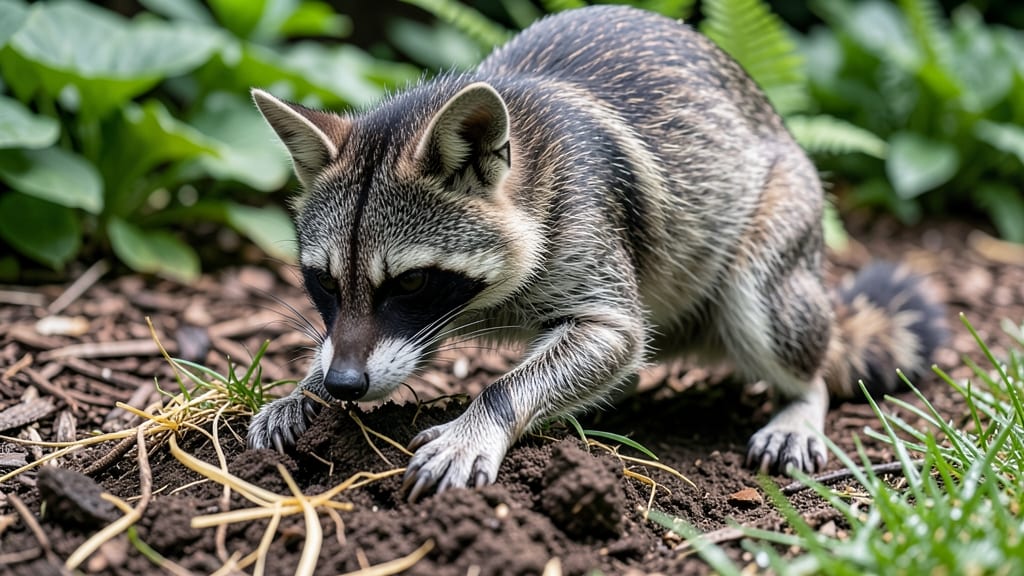
That one night of raccoon digging up the lawn can leave your yard looking like a warzone. 🌱 I’ve spent years dealing with these masked bandits—first with failed repellents, then with traps that didn’t work, until I found the humane method that actually stops them fast.
The key? Understanding why they’re digging (grubs, nesting, or just mischief) and cutting them off before they turn your yard into a construction site.
Most people grab the wrong tools—like cheap exclusion traps or harsh sprays that just make raccoons angrier. You need non-lethal traps (like the Havahart box trap), physical barriers (hardware cloth over vulnerable areas), and habitat tweaks (removing food sources and shelter).
Once you combine these, you’ll see results within 24-48 hours—no more fresh holes every morning.
The payoff is immediate: no more uprooted grass, fewer grubs in your soil, and a lawn that stays intact. You’ll also avoid the frustration of failed attempts—this method works because it addresses the root cause, not just the symptoms.
The traps are quick to set, and the barriers are simple to install, even for beginners.
Works for any yard size, whether you’re dealing with a single raccoon or a whole family. The best part? Once they’re gone, you can focus on enjoying your lawn instead of patching it. Let’s get started—your grass will thank you.
📚 In This Guide
- What you need
- Instructions
- Tips and common mistakes
- Wrapping up and next steps
What you need
- ● Humane raccoon trap: 1–2 traps (depending on yard size; opt for cage-style traps like the Havahart 1.5 Cubic Foot Raccoon Trap or Tomahawk 108)
- ● Must be large enough for raccoons (minimum 18" x 18" x 36") to avoid injury.
- ● Bait: 1–2 cans of dog or cat food (high-protein options like tuna or marshmallows work best)
- ○ Optional: Fresh fruit (apples, bananas) or peanut butter (stick to unsalted).
- ● Gloves: 1 pair of thick, nitrile or leather gloves (raccoons carry diseases like rabies—always protect yourself!).
- ● Measuring tape: 1 (to mark trap placement near digging sites).
- ● Sturdy rope or bungee cords: 10–15 feet (to secure the trap to a post or tree).
- ● Shovel: 1 (for filling in shallow holes after removal).
- ● Disinfectant: 1 bottle (e.g., bleach solution or pet-safe cleaner for sanitizing traps).
- ● Trap camouflage: Burlap or green netting to blend traps into the yard.
- ● Flashlight or headlamp: For evening/night checks (raccoons are nocturnal!).
- ● Live-release relocation service: Check local wildlife rehabbers (some offer free removal!).
- ● Motion-activated camera: To confirm raccoon activity before trapping.
- ● Pest-proof trash cans: Metal cans with locking lids to deter future digging.
How to stop raccoons digging up your lawn with humane traps
Here's the quick, effective method I've used to reclaim my lawn without harming these clever critters.
🪴 Step 1: Identify Active Digging Sites and Set Up Visual Deterrents
First, walk your lawn at dusk or dawn when raccoons are most active. Look for fresh mounds of displaced soil, torn grass patches, and any exposed roots or bulbs—these are their feeding grounds. Mark these spots with small flags or stakes so you can monitor them daily. I use bright orange flags because they stand out against green grass and help me track activity.
Raccoons are curious but also cautious. Place a few reflective objects like old CDs or aluminum pie pans near the digging sites. The flashing light catches their attention and makes them think twice about digging. Move these objects every few days so the raccoons don't get used to them. You'll know it's working when you notice the digging slows down within 3-5 days.
💧 Step 2: Choose and Position the Right Humane Trap
For fast results, I recommend a cage-style humane trap (like the Havahart 1085 or similar) that's large enough for an adult raccoon—at least 24 inches long, 12 inches wide, and 12 inches tall. These traps are designed to catch raccoons without harming them, and they work best when placed near active digging sites but slightly away from the disturbed soil.
Set the trap in a shaded area under a tree or bush, where the raccoon feels secure. Bait it with peanut butter, marshmallows, or dog/kitty food—raccoons love these scents. Place the bait on the trip plate at the back of the trap so the raccoon has to step on it to reach the food. Check the trap twice daily (morning and evening) to avoid stressing the animal. If you catch a raccoon, release it at least 10 miles away in a wooded area with plenty of food sources.
⏰ Step 3: Use Motion-Activated Deterrents for Immediate Results
While the trap is doing its job, add a motion-activated sprinkler (like the Orbit Enforcer) near the digging sites. These devices spray water when they detect movement, startling raccoons and discouraging them from returning. Set it to medium spray intensity—you want to scare them off, not injure them. Place it 10-15 feet away from the trap so the raccoon isn’t spooked by both deterrents at once.
Raccoons are smart and will eventually learn to avoid the sprinkler, so move it to a new location every 2-3 days. Pair this with the trap for fast results—within 48 hours, you should see a significant reduction in digging activity. If the raccoons persist, it’s time to switch up your approach, like adding ammonia-soaked rags (placed in a sealed container with holes) near the digging sites—the strong smell deters them.
🌱 Step 4: Repair and Protect Your Lawn Long-Term
Once the raccoons are deterred, fill in the holes with fresh soil and reseed the bare patches. For extra protection, lay down hardware cloth (1/4-inch mesh) over the repaired areas before adding new grass seed. This creates a barrier that raccoons can’t dig through. Water the area lightly to help the seed take root, and avoid heavy foot traffic for 7-10 days to give the grass a chance to establish.
To keep raccoons from returning, remove any attractants like fallen fruit, pet food, or unsecured trash cans. Store garbage in locking bins and pick up pet food after dark. A well-maintained lawn with no easy food sources is far less appealing to raccoons. If digging resumes, revisit the trap or add ultrasonic repellents (like the SABRE Sonic Spray) for an extra layer of protection.
Tips & tricks for fast raccoon deterrence
Here's what I learned after dealing with raccoons for years—these tricks make all the difference in speed and effectiveness.
Timing is Everything: Raccoons are nocturnal, so focus your efforts between dusk and dawn when they're most active. That's when you'll spot fresh digging and when the motion-activated sprinkler will be most effective. I've found that starting deterrents by 48 hours (as mentioned in Step 3) gives you the fastest results—don't wait until the damage is extensive.
Bait Placement Matters: When setting your humane trap in Step 2, place the bait slightly away from the trip plate. This makes the raccoon take that crucial step to trigger the trap. I've caught more raccoons using this method because it mimics how they'd naturally approach food in the wild. Also, use a small dish to hold the bait—it prevents spills that can attract other pests.
Visual Deterrent Rotation: The key to Step 1's reflective objects working long-term is rotation. Raccoons are smart—they'll learn to ignore stationary objects. Move your CDs or pie pans every 2-3 days to new locations near digging sites. I also recommend adding a few extra objects in different spots to create confusion. Think of it like a game of whack-a-mole for raccoons!
Pro Tips for Raccoon Digging Up Lawn
- Here's what I learned after dealing with raccoons for years—these tricks make all the difference in speed and effectiveness.
- Timing is Everything: Raccoons are nocturnal, so focus your efforts between dusk and dawn when they're most active.
- Bait Placement Matters: When setting your humane trap in Step 2, place the bait slightly away from the trip plate.
Frequently asked questions
Got questions about raccoons tearing up your lawn?
You’re not alone! Here are some of the most common concerns—and practical solutions—to help you tackle this pesky problem without harming the critters.
Why is my raccoon digging up my lawn in the first place?
Raccoons dig for grubs, insects, or larvae—their favorite snack! A moist, well-aerated lawn is like an all-you-can-eat buffet for them. They also dig to cache food, create nests, or even escape predators. If your yard is suddenly riddled with holes, it’s a sign they’re feasting underground.
When is the best time of year to deal with raccoon digging?
Spring and summer are peak digging seasons when grubs are most active. However, raccoons may dig year-round if food is scarce. Act fast if you spot fresh holes—the sooner you intervene, the less damage they’ll cause. Fall is also a good time to prevent future digging by treating your lawn for grubs before winter.
Are humane traps safe for my pets or other wildlife?
Yes, but with precautions! Use exclusion traps (like one-way doors) or live traps designed for raccoons, and place them in areas pets can’t access. Avoid poison or lethal traps—they can harm non-target animals. Always check traps daily and relocate raccoons at least 5–10 miles away during legal hours (usually dawn/dusk).
What’s a natural way to deter raccoons without traps?
Try these low-effort, humane tricks:
- Spike the soil around garden beds with plastic spikes (raccoons hate the feel!).
- Use motion-activated lights/sprinklers—they startle raccoons without harm.
- Remove food sources: Pick up fallen fruit, secure trash cans, and treat your lawn for grubs with beneficial nematodes.
- Plant raccoon-resistant ground covers like clover or dense mulch to make digging harder.
Combine these with ammonia-soaked rags (placed near holes) for a temporary deterrent—they dislike the smell!
What do I do if the raccoon won’t leave after I’ve tried everything?
If DIY methods fail, it’s time to escalate humanely:
- Call a wildlife removal professional—they’re trained in legal, stress-free relocation.
- Install a temporary fence (3–4 feet tall) around vulnerable areas until the raccoon moves on.
- Check for other entry points (chimneys, attics) and seal them—raccoons dig to explore!
Persistence is key—most raccoons abandon digging sites within 3–7 days if their food sources are gone.
Wrapping up and next steps
Dealing with a raccoon digging up your lawn can be frustrating, but with the right humane traps and strategies, you can reclaim your yard without harming wildlife. 🦝 The key is patience, consistency, and choosing methods that prioritize safety for both you and the animal.
Start by setting up your trap tonight—you’ve got this!
Next steps:
- Check your trap daily and relocate the raccoon at least 5 miles away (use local wildlife resources if needed).
- Secure your yard with deterrents like motion-activated lights or prickly fencing to prevent future visits.
- Share your success (or tips!) with neighbors—teamwork makes the difference!