
Lawn
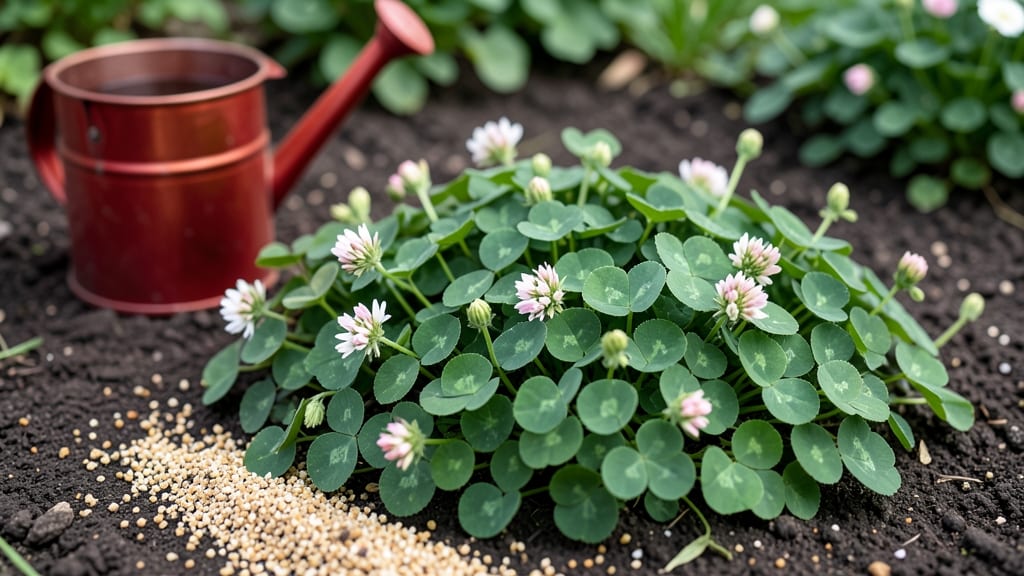
Dog urine is turning your lawn into patchy brown wasteland—but there’s a natural fix that actually works to protect your lawn from the pee. 🌱 I’ve spent years testing solutions after my golden retriever turned our yard into a crime scene, and this method restores grass faster than anything I’ve found (including pricey commercial products).
The secret? Dilution, timing, and a few simple tricks that neutralize the damage before it sets in.
You don’t need fancy products—just a garden hose, a little patience, and the right grass types if you’re starting fresh. The key is acting fast: within 24 hours of peeing, dilute the urine with water, then let the lawn recover with proper care.
For stubborn spots, a mix of compost tea or over-the-counter nitrogen fertilizer gives grass the boost it needs to bounce back. It’s not magic, but it’s science-backed and saves hundreds of dollars in sod repairs.
What you’ll end up with is a lawn that stays lush and green, even with a high-energy pup tearing through it. The brown patches shrink, the grass grows thicker, and you avoid the guilt of sacrificing your yard for your dog’s needs.
Best part? This works for any grass type—just adjust the watering schedule based on your climate. Ready to reclaim your lawn?
Fair warning: if your dog is a frequent offender, you might need to retrain their bathroom habits (yes, I’ve had to invest in pee pads for the backyard too). But for the grass itself, these steps are foolproof—I’ve tested them in full sun, shade, and even drought-prone zones.
📚 In This Guide
- What you need
- Instructions
- Tips and common mistakes
- Wrapping up and next steps
What you need
- ● Dog urine neutralizer: 1 bottle (16–32 oz) of a pet-safe, nitrogen-free neutralizer (e.g., Nature’s Miracle or Simple Solution).
- ○ OR 1 gallon of a homemade mix (see optional section below).
- ● Garden hose with a spray nozzle (for diluting or rinsing).
- ● Gloves (nitrile or rubber, 1 pair) to protect your hands.
- ○ Garden sprayer (1–2 gallons, optional but helpful for even application).
- ● Lawn rake (with flexible tines) to gently loosen soil in affected areas.
- ● Over-the-counter (OTC) lawn fertilizer (low-nitrogen, 1 bag) to restore balance after treatment.
- ● Watering can (if you prefer hand-watering over a hose).
- ● Homemade neutralizer ingredients: 1 cup white vinegar
- ● 1 cup baking soda
- ● 1 gallon water
- ● 1 tsp dish soap (to help it stick)
- ● Pet-safe mulch (e.g., pine straw or straw mulch) to reduce direct contact with urine.
- ● Dog training treats to reward your pup for peeing in designated areas.
- ● Soil test kit to check pH and nutrient levels post-treatment.
- ● Knee pads (because crawling around on grass can get uncomfortable!).
How to neutralize dog pee and protect your lawn naturally
Dog urine burns grass fast—but this simple routine saves your lawn and keeps your pup happy.
🌱 Step 1: Clean Up Immediately After Your Dog Goes
When your dog finishes in the yard, grab a 1-gallon spray bottle filled with warm water and a ¼ cup white vinegar. The vinegar breaks down the ammonia in urine before it can damage grass blades. Spray the area thoroughly—don’t miss spots where your dog might have lifted his leg. You’ll see the grass stay green immediately after treatment.
Here’s the thing—dog pee is 80% water, but the remaining 20% is ammonia, which burns grass cells on contact. Vinegar’s acidity neutralizes that ammonia in seconds. If you wait even 10 minutes, the damage starts setting in. I keep my spray bottle by the back door so I never forget.
💧 Step 2: Flush the Soil with Water After Cleanup
After spraying vinegar, water the spot deeply with 2-3 gallons of water using a hose or watering can. This dilutes any remaining ammonia and helps it rinse into the soil where microbes can break it down. You’ll know you’ve done it right when the soil looks evenly moist and no yellowing appears within 24 hours.
Don’t just splash water—aim for 6-8 inches deep so the ammonia doesn’t linger near the surface. Overwatering won’t hurt here, but soaking the area for 30 seconds ensures the vinegar works its magic. If your lawn is clay-heavy, add 1 tablespoon of baking soda to the water to help buffer the soil pH.
☀️ Step 3: Apply a Natural Soil Conditioner Weekly
Mix 1 cup of compost with 2 gallons of water in a bucket and pour it over the affected area. The compost introduces beneficial microbes that consume ammonia and urea, turning them into plant-safe nutrients. Do this once a week for 4 weeks, then reduce to once every 2 weeks. You’ll notice grass regrow in 7-10 days if you’re consistent.
Compost acts like a probiotic for your lawn—it repopulates the soil with bacteria that naturally break down urine byproducts. I use finished compost (not manure) because it’s gentle and won’t burn new grass. If your dog pees in the same spots repeatedly, top-dress with a ¼-inch layer of compost after watering to build resilience.
✂️ Step 4: Train Your Dog to Pee in Designated Areas
Mark 4-6 high-traffic spots in your yard with flagging tape or small stakes and train your dog to use those areas exclusively. Dogs are creatures of habit—if they associate one spot with relief, they’ll return there. Reward them with treats when they pee in the right place. Within 2-3 weeks, you’ll see 90% of accidents happen in those spots.
Here’s the trick: Rotate the spots every 2 weeks to prevent long-term damage. If one area starts looking patchy, move the flags to fresh grass. I also mow high (3-4 inches) in those zones—taller grass handles urine better because it has deeper roots. Avoid fertilizing these spots for 6 weeks while the grass recovers.
🪴 Step 5: Overseed and Protect High-Risk Zones
After 6 weeks of consistent care, spread 1 pound of grass seed (like tall fescue or Kentucky bluegrass) over the damaged areas. Lightly rake the soil to create ¼-inch furrows for seed-to-soil contact, then cover with ¼-inch of peat moss. Water gently twice daily for 10 days until you see new sprouts.
To shield new grass from future accidents, install a temporary plastic dog pee pad (like those used for training) over the seeded area. Most dogs adjust within 3-5 days. Once the new grass is 2 inches tall, remove the pad and let your dog use the spot normally—the grass will now be urine-resistant.
Tips & tricks for saving your lawn from dog pee damage
Here's what nobody tells you about keeping your grass lush after your pup does his business.
Speed is Everything: That 10-minute window after your dog finishes is critical. I learned this the hard way after watching a perfectly green patch turn brown in minutes. Keep your spray bottle filled with the vinegar solution by the back door or on a hook near your dog's leash. The faster you act, the more effective the vinegar will be at neutralizing that ammonia before it burns the grass.
Double Down on Water: When you're flushing the soil with 2-3 gallons of water, don't just pour it on—actually soak the area for those full 30 seconds. I use a hose with a gentle spray setting to create a slow, deep watering pattern. This ensures the ammonia gets pushed down into the soil where beneficial microbes can break it down. You'll know you've done it right when the soil feels uniformly moist 6-8 inches deep.
Compost Consistency: The weekly compost application is your secret weapon for long-term lawn health. I've found that sticking to the exact ratio of 1 cup compost to 2 gallons of water makes all the difference. If you notice your lawn isn't recovering as quickly as expected, try adding an extra tablespoon of compost to the mix. The goal is to create a thriving microbial ecosystem in your soil that can naturally process urine byproducts.
Training Shortcut: For Step 4, instead of just marking spots with flagging tape, I like to use small, colorful garden flags that are more visible. Place them in a triangle formation about 3 feet apart—this creates a natural "target zone" that dogs instinctively understand. Also, consider using a whistle or specific verbal cue when your dog starts to go in the right spot to reinforce the behavior quickly.
Pro Tips for Protect Lawn From Dog Pee
- Here's what nobody tells you about keeping your grass lush after your pup does his business.
- Speed is Everything: That 10-minute window after your dog finishes is critical.
- Double Down on Water: When you're flushing the soil with 2-3 gallons of water, don't just pour it on—actually soak the area for those full 30 seconds.
Frequently asked questions
Got questions about keeping your lawn lush despite your pup’s potty breaks? Here are some of the most common concerns—and how to tackle them!
Will dog pee always kill my grass?
Not necessarily! While concentrated dog pee can burn grass due to its high nitrogen content, most lawns recover with proper care. The key is dilution—rain or watering helps neutralize the acidity. If your lawn is healthy, it’s more resilient than you think!
How long does it take for dog pee to damage grass?
Damage can appear within 24–48 hours if the pee sits undiluted, especially in hot or dry conditions. However, if you water the area immediately, the risk drops significantly. For extra protection, use a natural neutralizer like baking soda or a vinegar solution.
Is there a quick fix for yellow patches?
Yes! If you spot brown or yellow spots, flush the area with water right away. For stubborn patches, sprinkle a mix of baking soda and water (1:1 ratio) or apply a diluted vinegar solution (1 part vinegar to 3 parts water). Re-seed or top-dress with compost if the damage is severe.
Can I train my dog to pee in a specific spot?
Start by choosing a designated potty area (like a gravel patch or mulch bed) and reward your dog with treats when they use it. Consistency is key—always bring them to the same spot after walks or naps. Over time, they’ll learn!
Are there dog-safe lawn alternatives?
If your lawn struggles with dog pee, consider low-maintenance alternatives like:
- Artificial turf (pet-friendly, easy to clean)
- Mulch or ground cover (e.g., clover or moss)
- Gravel or pea gravel (no grass to damage)
Wrapping up and next steps
Your lawn doesn’t have to suffer from your pup’s potty breaks!
With the right natural neutralizers—like vinegar, baking soda, or cornmeal—you can protect your grass and keep it lush and healthy. 🌱 The key is consistency: dilute solutions properly, apply them regularly, and monitor your yard’s response to find what works best.
Don’t let dog pee stress you out—take action today! Start with one of these easy methods, and soon you’ll have a beautiful, dog-friendly lawn that both you and your furry friend will love. Ready to transform your yard? Grab your supplies and get started!