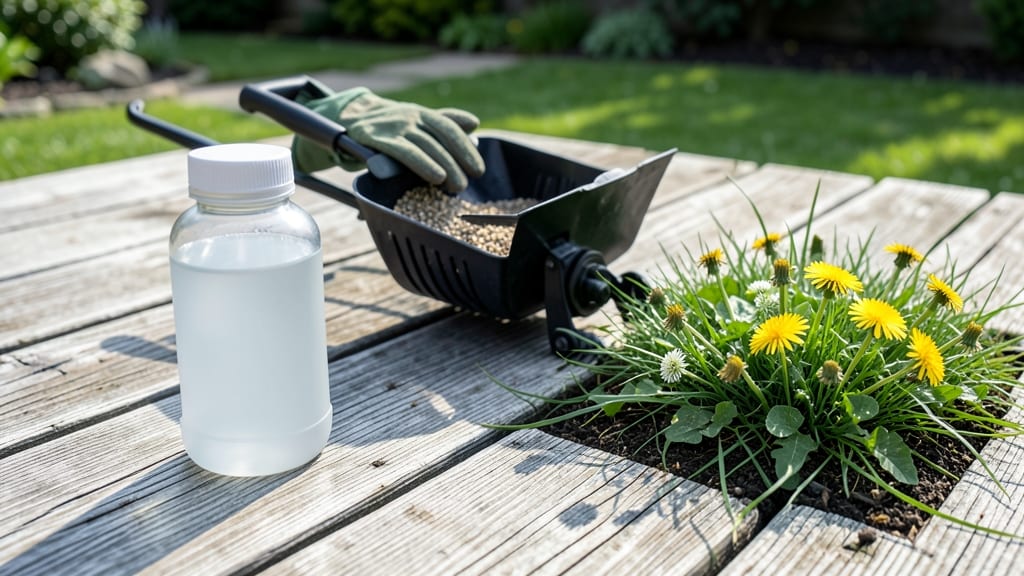
Buying guide: how to choose the right Preen Weed Killer for Lawns
1. Weed Type and Severity 💡
Not all weeds are created equal, and neither are weed killers. If your lawn is already overrun with broadleaf weeds like dandelions, clover, or chickweed, opt for a ready-to-use spray like Preen’s Family Weed & Grass Killer.
These formulas deliver systemic action, meaning they kill weeds at the root for fast, lasting results. For preventative maintenance against sprouting weeds, a granular slow-release option is ideal—it stops weeds before they start, perfect for established lawns with minimal current infestations.
Counter-intuitively, I recommend combining both: use a spray for existing weeds and a granular preventer for long-term control.
2. Grass Type Compatibility ⚡
Always double-check the label for grass type compatibility. Preen products vary in safety for cool-season grasses (like Kentucky bluegrass or fescue) versus warm-season grasses (like Bermuda or Zoysia). Most ready-to-use sprays are safe for cool-season grasses after a 24-hour wait, while granular options are often safer for warm-season lawns.
If you’re unsure about your grass type, I recommend testing a small patch first. Pro tip: Warm-season grasses typically tolerate granular Preen better, while cool-season grasses benefit more from spray formulas applied in early spring or fall.
3. Application Method ✅
The method you choose depends on your lawn size, weed severity, and lifestyle. Ready-to-use sprays are the easiest for quick knockdown of visible weeds, while concentrates offer more coverage per dollar but require mixing. Granular options are best for long-term prevention and minimal upkeep.
For large lawns, a professional-grade concentrate compatible with sprayers is a game-changer. If you’re eco-conscious, organic Preen alternatives (like corn gluten meal-based formulas) are a great choice—but they work best as preventatives, not for killing existing weeds.
4. Organic vs. Synthetic 🔍
Choosing between organic and synthetic Preen products depends on your priorities. Organic options, like corn gluten meal-based weed preventers, are eco-friendly, OMRI-listed, and safe for organic certification. However, they primarily prevent weed seeds from germinating rather than killing existing weeds.
Synthetic Preen formulas, on the other hand, offer broad-spectrum weed control and faster results. If you’re committed to organic gardening, I recommend layering organic Preen with manual weed removal for stubborn patches.
For most homeowners, a balanced approach—using synthetic sprays for active weeds and organic granules for prevention—yields the best results without compromising lawn health.
5. Budget and Coverage Area 💰
Your budget and lawn size should guide your choice. Budget-friendly granular options offer long-term value, covering up to 5,000 sq. ft. per application and lasting months. Mid-range sprays provide fast, effective control for medium-sized lawns, while premium concentrates are ideal for large properties or severe infestations.
Remember, a smaller, high-quality bottle often outperforms a bulk cheap alternative. For example, a 1-gallon ready-to-use spray might cost more upfront but eliminates the need for mixing and covers a substantial area.
Always calculate the cost per square foot to ensure you’re getting the best value for your specific lawn size.
Frequently asked questions
Q: How quickly does Preen weed killer work on lawns?
Most Preen weed killers deliver visible results within 24 to 48 hours, with full weed control typically achieved in 3 to 7 days. Ready-to-use sprays (like the #1 pick in this roundup) act faster because they contain systemic ingredients that target weeds at the root. Granular options, on the other hand, prevent new weeds from sprouting but won’t kill existing ones as quickly. For stubborn weeds like crabgrass, reapply after 7 days if needed. Always check the product label for specific timelines, as organic options may take longer to show effects.
Q: Can I use Preen weed killer on all types of grass?
No—always verify grass type compatibility before applying. Most Preen sprays are safe for cool-season grasses (e.g., Kentucky bluegrass, fescue) after a 24-hour wait, while granular formulas often work better for warm-season grasses (e.g., Bermuda, Zoysia). The organic corn gluten meal-based options are typically safe for all grass types but focus on prevention rather than killing existing weeds. If you’re unsure about your grass type, test a small, hidden patch first or consult the product label for specifics.
Q: Why aren’t my weeds dying after using Preen weed killer?
Weeds may persist for several reasons: application timing, weed type, or product mismatch. Preen works best when weeds are actively growing (spring/fall) and in direct sunlight. If you’re using a granular preventer, it won’t kill existing weeds—only stop new ones from sprouting. For tough weeds like crabgrass, switch to a ready-to-use spray or reapply the granular formula after watering it in. Also, ensure you’re using the correct concentration (especially for concentrates) and avoiding dilution errors. If weeds are still surviving, they might be resistant—try a follow-up treatment or spot-treat with a targeted herbicide.
Q: What’s the difference between Preen spray and granular weed killer?
The key difference lies in how they work and when to use them. Sprays (like the #1 pick) are active weed killers—they target and eliminate existing weeds through systemic action (killing roots). They’re ideal for visible infestations but require frequent reapplication (every 4–6 weeks). Granular formulas, however, are preventative—they create a barrier that stops weed seeds from germinating, lasting up to 4 months. Granules are best for long-term maintenance in established lawns but won’t kill weeds already present. For best results, combine both: use a spray for active weeds and granules for prevention.
Q: Is Preen weed killer safe for pets and kids?
Most Preen weed killers are low-toxicity and safe for pets/kids once fully dry (typically after 24–48 hours). However, granular formulas pose a lower risk than sprays because they’re less likely to be ingested. To minimize exposure, water in granules lightly after application and avoid letting pets walk on treated areas until dry. If your child or pet has sensitive skin, opt for organic Preen options (like corn gluten meal), which are non-toxic when used as directed. Always store products out of reach and follow the label’s safety guidelines.
Q: How often should I apply Preen weed killer?
Frequency depends on the type of Preen and your lawn’s needs. Ready-to-use sprays should be applied every 4–6 weeks during the growing season (spring/fall) for active weed control. Granular slow-release options last up to 4 months, requiring 1–2 annual applications for prevention. Organic alternatives (like corn gluten meal) are best applied early spring to prevent weed seeds from germinating. Avoid overapplying—stick to the label’s recommended rates to prevent grass damage. For severe infestations, alternate between spray and granular treatments for comprehensive control.
Q: Can I mix Preen weed killer with other lawn products?
1
Never mix Preen with other herbicides or fertilizers
unless explicitly stated on the label. Some fertilizers (especially those with high nitrogen) can reduce Preen’s effectiveness, while other herbicides may cause chemical reactions or grass damage. However, you can alternate applications (e.g., use Preen in spring and a pre-emergent herbicide in fall) for layered weed control. Always wait 24–48 hours between treatments and test a small area first. If in doubt, stick to single-product applications to avoid risks.