
Pests and Diseases
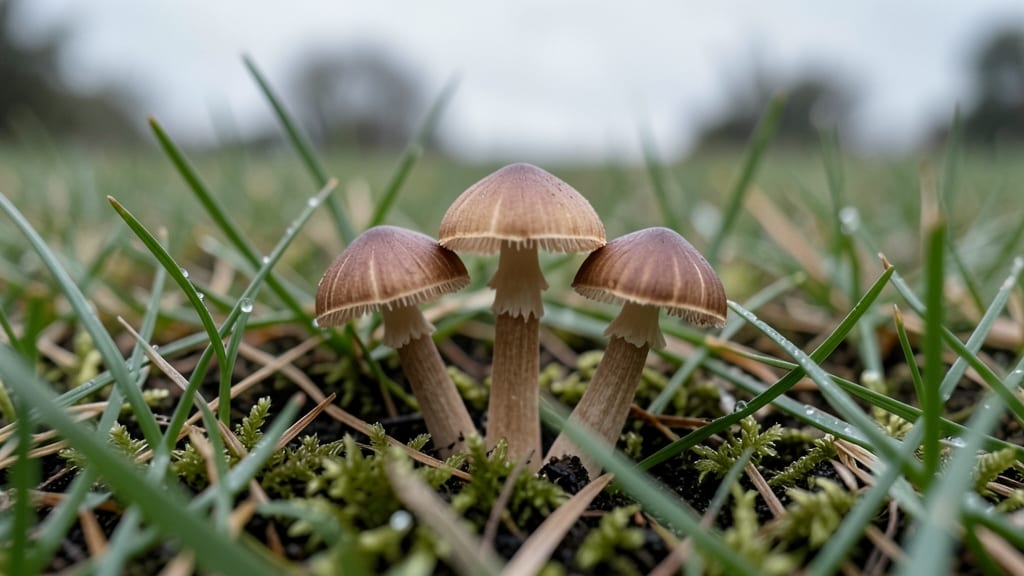
Finding mushrooms growing in your lawn can be alarming—especially when some resemble harmless varieties but are deadly. These 10 poisonous lawn mushrooms could pose serious health risks if misidentified, so knowing their distinct features is critical for safety.
Destroying Angel Mushroom Identification Guide
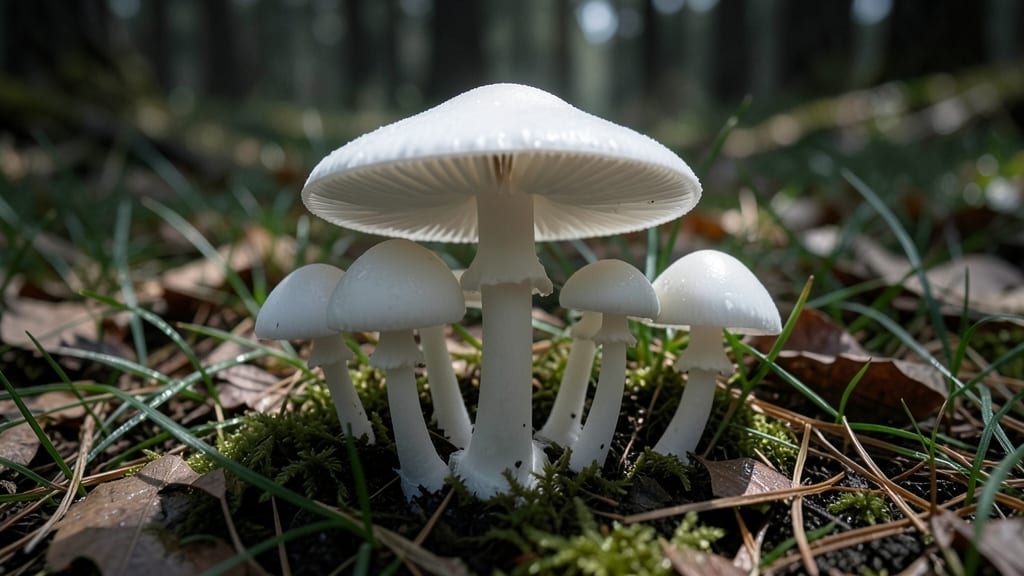
If you spot clusters of delicate white mushrooms in your lawn, don’t assume they’re safe to touch—or worse, eat. The Destroying Angel mushroom (Amanita bisporigera) is one of North America’s most lethal fungi, responsible for deadly poisonings when mistaken for edible button mushrooms.
This mushroom’s key identifiers include its pure white cap and stem, lack of a ring on the stem (unlike many edible varieties), and tendency to grow in tight clusters. The cap is fragile and often develops slight yellowing with age, while the stem is slender and lacks the bulbous base of some look-alikes. Always treat any white mushroom without a ring as highly suspicious.
Gardeners with children or pets should be especially vigilant—this mushroom’s toxins can cause liver and kidney failure within days. If you suspect you’ve found Destroying Angels, avoid touching them and contact a local mycologist for confirmation. 🌱
Death Cap Mushroom Visual Clues
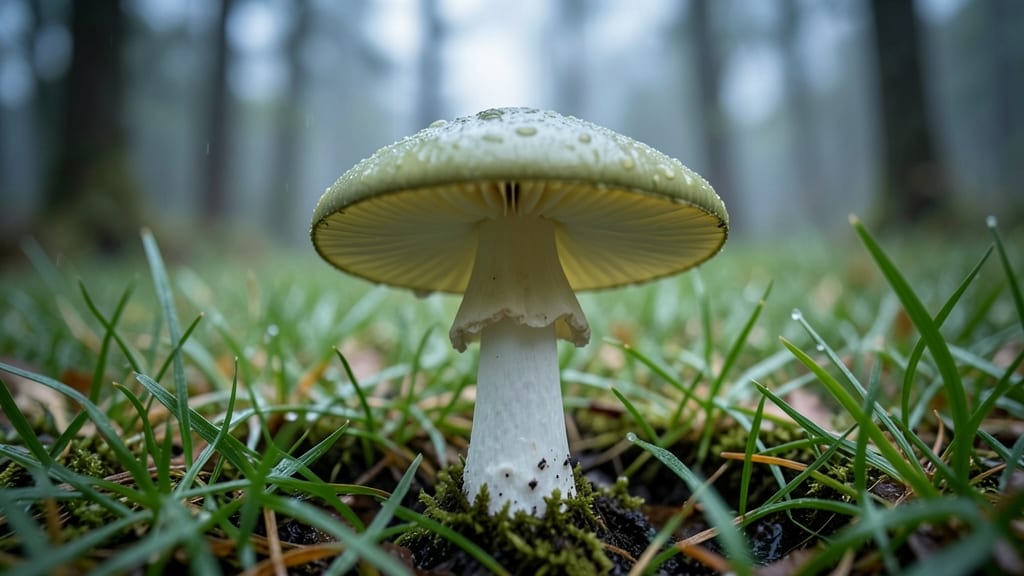
The olive-green death cap mushroom (Amanita phalloides) is one of the most dangerous mushrooms in the world, responsible for 90% of mushroom-related fatalities in Europe. After heavy rain, these deceptive fungi pop up in lawns, often mimicking the appearance of edible chanterelles—a mistake that can be fatal.
Look for its convex, olive-brown cap that matures to a yellowish-green hue, white gills, and a bulbous stem base that connects to a sac-like volva at the soil line. Unlike its look-alikes, the death cap has a smooth, non-scaly cap and lacks a ring on the stem. If you spot clusters of these mushrooms after rainfall, avoid touching them—never consume any wild mushroom unless 100% identified by an expert.
This mushroom thrives in cool, moist lawns and is especially dangerous because its toxins cause liver failure days after ingestion. If you're foraging or have kids/pets exploring your yard, knowing these visual clues could save lives. 🌱
Autumn Skullcap Mushroom Warning Signs
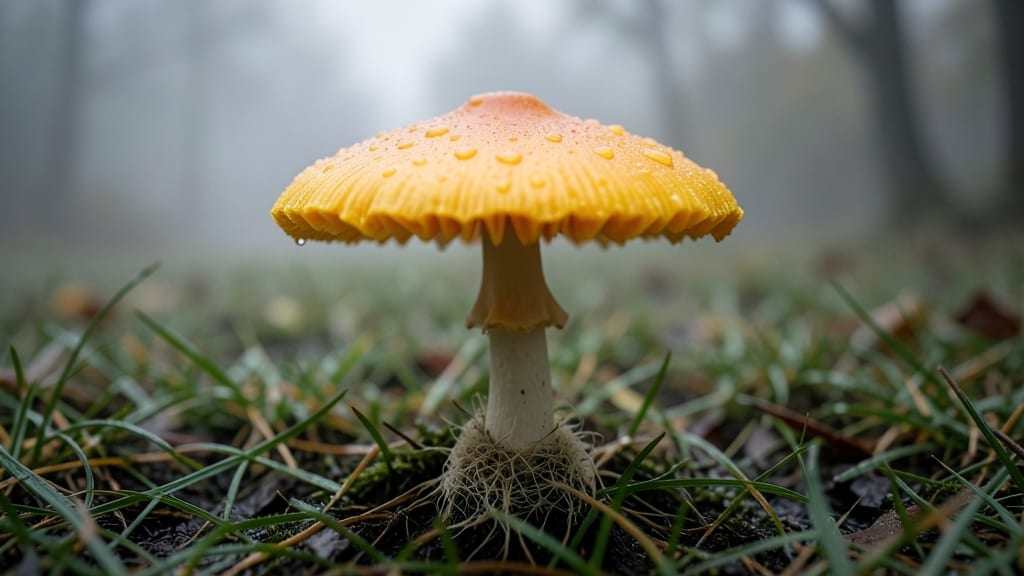
That eerie, skull-shaped mushroom popping up in your autumn lawn isn’t just creepy—it’s deadly. The autumn skullcap (Galerina autumnalis) thrives in damp, shaded grass and contains amatoxins, toxins that can cause fatal liver failure within days of ingestion.
Look for its bright yellow-orange cap with a distinctive skull-like depression at the center, paired with a thin, white stem. Unlike its harmless lookalikes, this mushroom lacks a ring on its stem and grows in clusters after cool, wet weather. Children and pets are especially at risk due to its striking appearance.
If you spot these mushrooms, never touch them—even handling can transfer spores. Instead, use a shovel to carefully remove them from your lawn, then dispose of them in sealed trash. This warning is critical for pet owners and foragers who might mistake it for an edible variety. 💚
False Morel Mushroom Dangerous Features
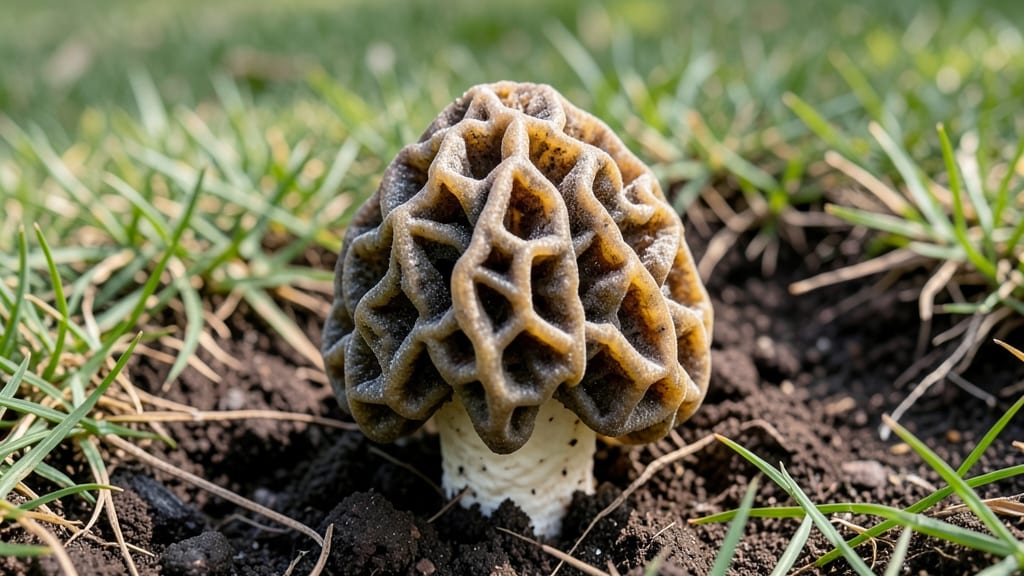
If you’ve ever spotted a mushroom in your lawn that looks like the prized morel—wrinkled cap, honeycomb texture—think twice before picking. The false morel (Gyromitra spp.) is a deadly imposter that thrives in disturbed soil, often after lawn aeration or construction. Unlike its edible cousin, this mushroom’s stem is hollow with internal chambers, a key feature that can be deadly if ingested.
To identify it, look for a wrinkled, brain-like cap (often brown or gray) and a stem that feels hollow when tapped. False morels grow in spring and early summer, favoring lawns with recent soil disruption. Never eat any mushroom unless you’re 100% certain it’s safe—this one can cause severe neurological damage or even death. When in doubt, leave it for wildlife or consult a mycologist.
This mushroom is especially dangerous for foragers who mistake it for edible morels. If you’re new to mushroom hunting, stick to well-documented edible species and always verify with an expert. Safety first! 🌱
Jack-O'-Lantern Mushroom Toxicity Details
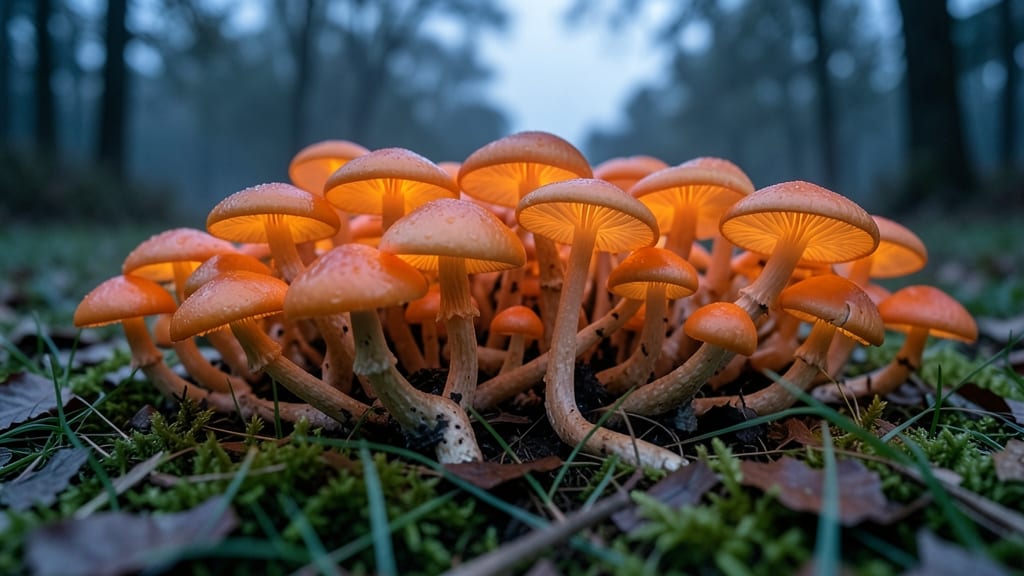
Spotting a cluster of bright orange mushrooms glowing faintly in your lawn might seem magical—but the Jack-O'-Lantern mushroom (Omphalotus illudens) is far from harmless. Its hallucinogenic toxins can cause severe nausea, vomiting, and even organ damage, yet its vibrant color makes it easy to confuse with edible chanterelles or hedgehog mushrooms.
This bioluminescent mushroom thrives in damp, grassy areas, often forming dense clusters at the base of trees or stumps. Unlike its look-alikes, it lacks a cup-like base and emits a faint glow in low light—hence its name. If you encounter these mushrooms, never consume them and avoid disturbing them, as spores can spread easily. Instead, safely remove them with a shovel and dispose of them in sealed bags.
Foragers and pet owners should be especially cautious, as even small amounts can be dangerous. If you’re unsure whether a mushroom is safe, consult a mycologist or use a field guide with clear color photos. When in doubt, skip the harvest! ✨
Giant Puffball Poisonous Look-Alikes
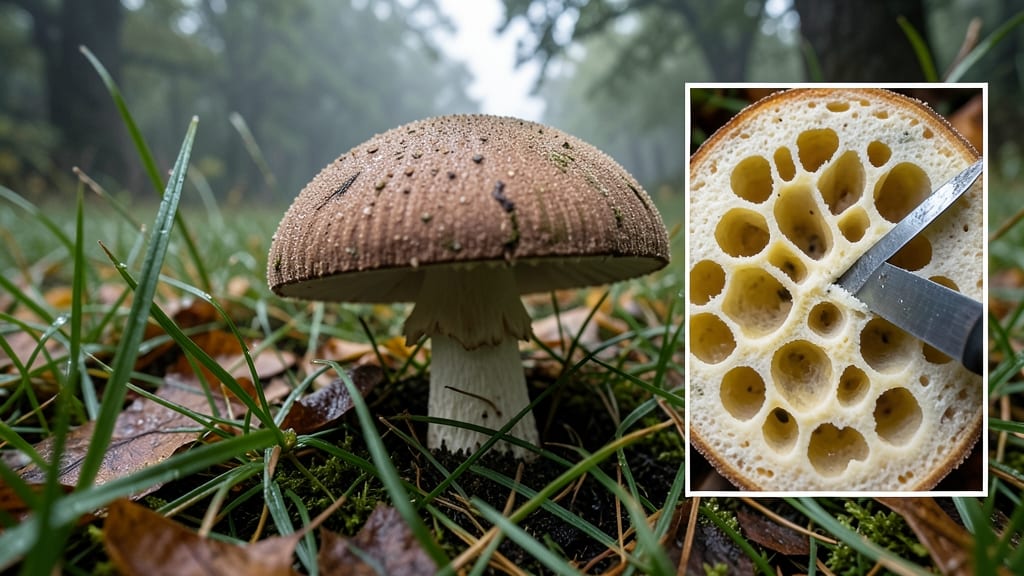
Not all puffballs are safe to eat—some toxic varieties lurk in lawns, mimicking their edible cousins until you cut them open. The key difference? These dangerous look-alikes develop internal chambers (like a honeycomb structure) when mature, while safe puffballs remain solid white inside.
To spot them, avoid any giant white puffballs over 4 inches wide growing in grassy areas. If you slice one open and see cavities, do not consume it—even young specimens can cause severe gastrointestinal distress. Always test for edibility by rubbing a small piece on your skin (no reaction means it’s safer to cook, but never eat raw).
This matters most for foragers and families with pets—children and dogs are especially vulnerable to accidental poisoning from these lawn-dwelling imposters. 🌱
Webcap Mushroom Identification Mistakes
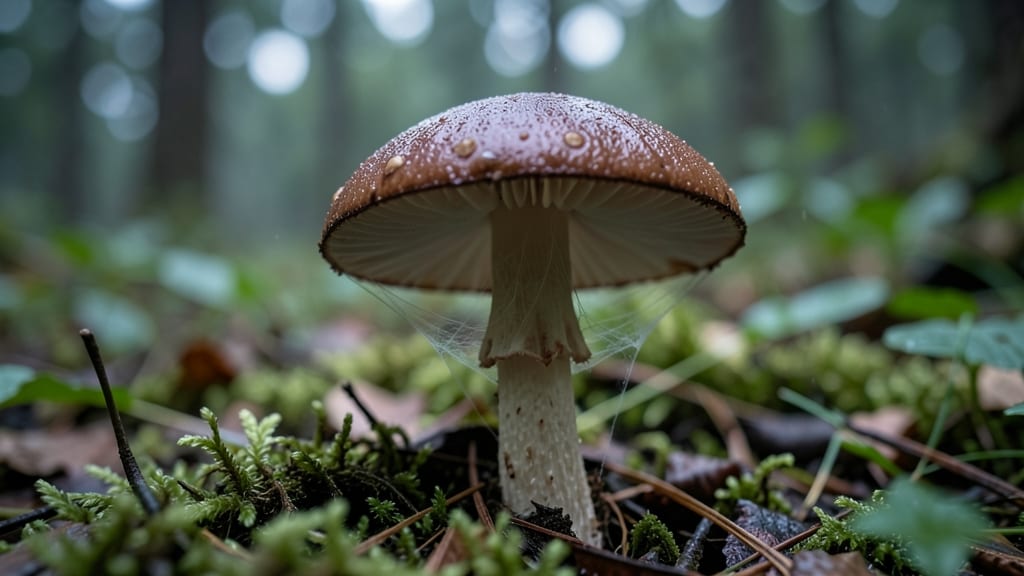
The webcap mushroom (Cortinarius spp.) might look like a harmless field mushroom at first glance, but its sticky, brown cap and webbed stem are dead giveaways of its toxicity. This sneaky look-alike thrives in damp lawns and wooded edges, often popping up after summer rains when edible mushrooms also emerge.
What sets it apart? Unlike edible field mushrooms, webcaps have a partial veil that leaves a fine, web-like ring on the stem when young, and their caps stick to fingers when touched. These mushrooms contain orellanine, a toxin that causes kidney failure weeks after ingestion—making them especially dangerous because symptoms don’t appear immediately. Always check for these three red flags: sticky cap, webbed stem, and gills that run down the stem.
This identification tip is a must-know for foragers and lawn care enthusiasts alike—especially in regions where field mushrooms are popular. A quick inspection could save a meal (or a life!). 🌱
Fly Agaric Mushroom Toxic Traits
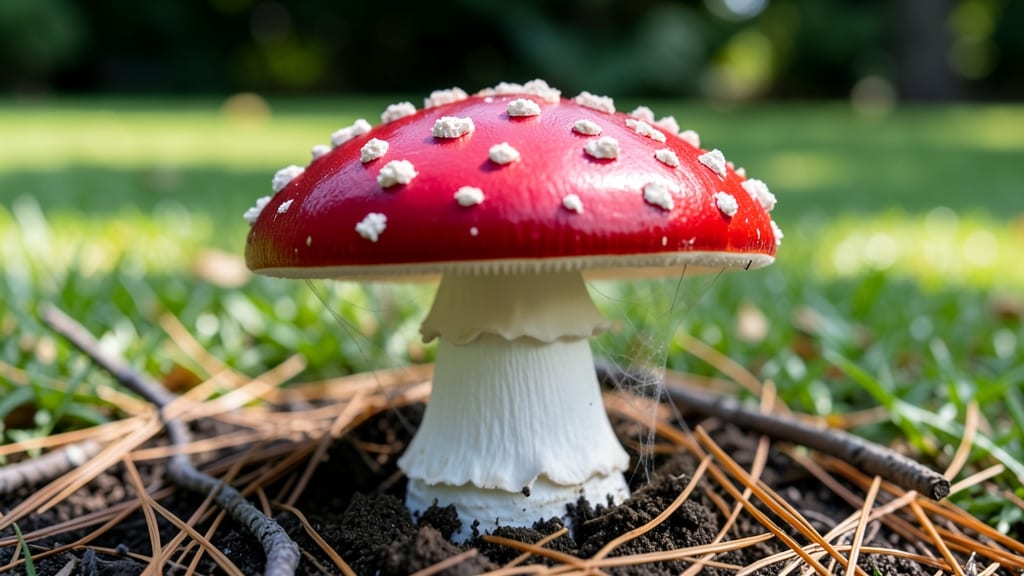
The Fly Agaric mushroom (Amanita muscaria) might look like something straight out of a fairy tale with its iconic red cap and white spots, but this striking fungus is a serious threat. Found growing in lawns near trees—especially pines—its hallucinogenic properties make it dangerous if ingested, even in small amounts.
This mushroom thrives in shady, moist lawns during late summer and fall, often appearing overnight after heavy rain. Its white stem and bulbous base (volva) are key identifiers, distinguishing it from edible look-alikes. Never consume it, as symptoms like nausea, hallucinations, or even coma can occur within hours.
For gardeners with pets or children, removing Fly Agaric mushrooms promptly is crucial. If you spot them near your lawn, wear gloves, carefully dig them out, and dispose of them in sealed bags. 🌱
Cortinarius Species Toxicity Guide
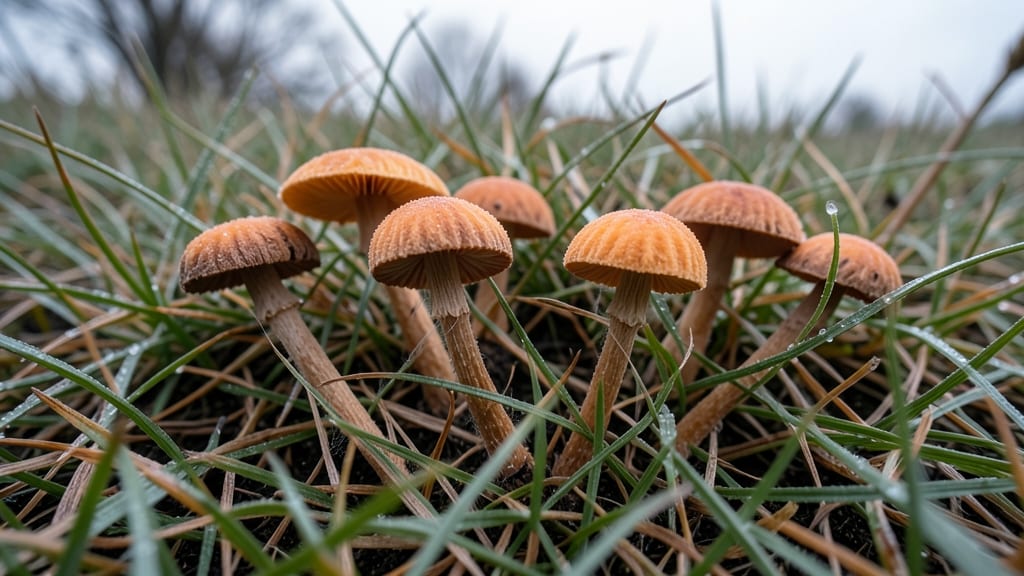
If you’ve ever spotted subtle orange-brown mushrooms in your lawn, you might be looking at Cortinarius species—a genus that includes some of the most insidiously toxic fungi. Unlike flashy look-alikes, these mushrooms blend into grassy areas, often overlooked until it’s too late.
Cortinarius mushrooms are identifiable by their web-like cortina (a partial veil on the stem) and dull, earthy caps that range from rust to brown. The real danger lies in their kidney-toxic compounds, which can cause severe illness even in small doses. They thrive in moist, shaded lawns and often appear after warm, rainy periods.
For gardeners with pets or children, this is a critical identification—never assume a mushroom is safe just because it’s small or unassuming. A quick photo comparison with trusted mycology guides can save a lot of worry. 💚
Deadly Galerina Mushroom Features

If you spot tiny brown mushrooms with a delicate skirt-like ring on their stems popping up in your lawn, don’t assume they’re safe—Galerina mushrooms are one of the most dangerous look-alikes to edible field mushrooms. These deceptively small fungi contain amatoxins, toxins that can cause fatal liver failure within days of ingestion, even in small amounts.
What makes them especially tricky is their subtle appearance: a smooth, brown cap (1–3 inches wide) and a slender stem with a faint ring near the top. They thrive in grassy areas with decaying wood or compost piles, often appearing in late summer or fall after heavy rain. Unlike many poisonous mushrooms, Galerina species lack distinctive colors or smells, making them nearly indistinguishable from harmless varieties without close inspection.
Foragers and pet owners should treat any brown mushrooms with rings as potentially deadly until confirmed safe by an expert. If you suspect ingestion, seek emergency medical help immediately—these mushrooms don’t always cause immediate symptoms, but the damage can be irreversible. 💚