
Lawn
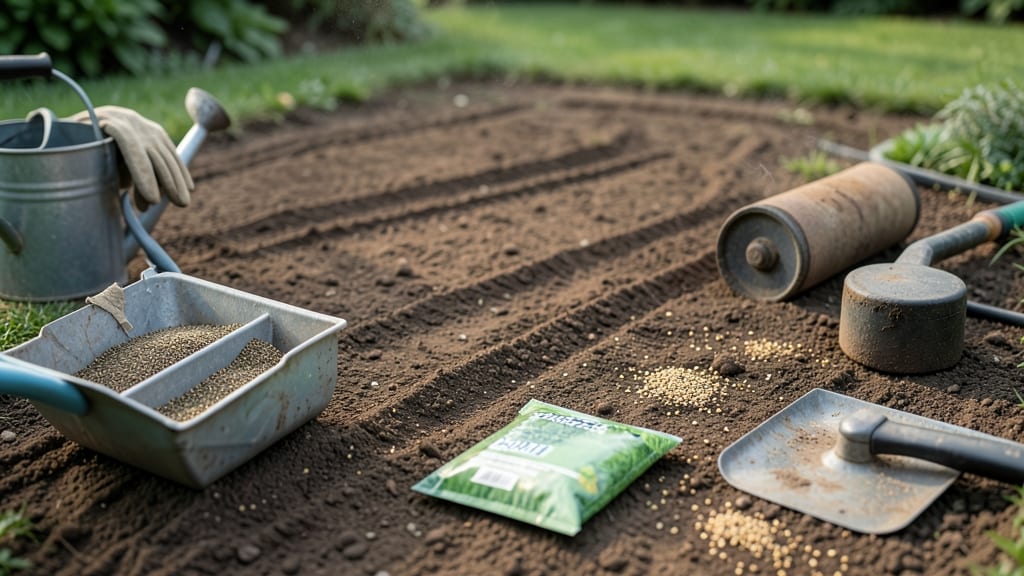
Planting a lawn from scratch transforms bare dirt into a vibrant green carpet—but only if you nail the soil prep first. 🌱 I’ve watched patchy, yellowing lawns turn into envy-worthy grassy spaces by fixing one critical mistake: skipping the soil test.
Most beginners assume their dirt is "good enough," but hidden compaction or poor drainage can derail even the best seed. The secret weapon? A simple soil test kit ($15 at garden centers) reveals what your yard truly needs—whether it’s compost, lime, or sand.
I once spent $300 on premium seed only to see it fail because my clay-heavy soil smothered new roots. After amending with compost and gypsum, the same seed sprouted in 10 days instead of three failed attempts. That’s the difference between frustration and success.
You’ll end up with a thick, weed-resistant lawn that stays green through summer droughts. The key is patience: proper prep now means fewer headaches later when mowing becomes a joy, not a chore. Even the shadiest corners can work with the right grass type.
This method works for any yard size, from small patches to full-acre lawns. Let’s get your soil ready before the first seed hits the ground—trust me, your future self will thank you.
📚 In This Guide
- What you need
- Instructions
- Tips and common mistakes
- Wrapping up and next steps
What you need
- ● Soil Test Kit: 1 (to check pH and nutrient levels—critical for healthy grass!)
- ● Topsoil: 2–4 inches (depending on existing soil quality; screened topsoil works best).
- ● Seed: 10–20 lbs (per 1,000 sq. ft.; choose cool-season or warm-season grass based on climate).
- ● Lawn Rake: 1 (bendable-tine rake for leveling soil and covering seed).
- ○ Broadcast Spreader: 1 (for even seed distribution; optional but highly recommended for large areas).
- ● Water Hose or Sprinkler System: 1 (with adjustable nozzles for gentle watering).
- ● Fertilizer: Starter fertilizer (e.g., 10-10-10 or high-phosphorus blend).
- ● Soil Amendments (if needed): Compost (2–3 inches, mixed into topsoil for nutrients).
- ● Lime (if soil pH is < 6.0; test kit will guide quantity).
- ● Sand (if soil is too clay-heavy; mix 1 part sand to 3 parts soil).
- ○ Mulching Fabric (optional but helpful): 1 roll (to retain moisture and block weeds during germination).
- ● Lawn Roller: 1 (for compacting soil before seeding; skip if soil is loose).
- ● Soil pH Adjusters: Sulfur (to lower pH) or pelletized lime (to raise it).
- ● Pre-Emergent Herbicide: 1 application (to prevent weeds; apply 2–4 weeks before seeding).
- ● Drip Irrigation Kit: For automated watering (saves time and ensures consistency!).
- ● Knee Pads or Work Gloves: 1 pair each (your back will thank you!).
Step-by-Step instructions for planting a lawn from scratch
Here's how I transform bare soil into a thick, vibrant lawn—no shortcuts, just reliable results.
🌱 Step 1: Clear and Prepare the Soil
Remove every scrap of existing vegetation, including weeds and grass. I use a sod cutter or shovel to dig out roots completely—leaving any behind means future competition for water and nutrients. Rake the area smooth, then mark any low spots with stakes so you can fill them later.
Test your soil's pH with a kit (ideal range is 6.0-7.0 for most grasses). If it's too acidic or alkaline, amend it with lime or sulfur before proceeding. For compacted soil, rent a core aerator to create ¼-inch deep holes every 3-4 inches—this lets roots grow deeper and water penetrate better.
🪴 Step 2: Spread and Level the Base Layer
Spread 2-3 inches of topsoil evenly across the area, using a rake to smooth it out. I like to work in small sections (about 5 feet by 5 feet) so I don't miss any uneven spots. For sloped areas, create level terraces with soil to prevent erosion—grass won't hold on steep banks without support.
Compact the soil lightly with a lawn roller or by walking across it in a grid pattern. This step prevents settling later, which can leave low spots where water pools. If you're seeding over a large area, consider renting a power rake to create a fine, seed-friendly texture.
☀️ Step 3: Choose and Spread Seed Correctly
Select a grass seed blend suited to your climate and sun exposure. For full sun, I use a tall fescue and Kentucky bluegrass mix—it handles heat and foot traffic well. Spread half the seed in one direction (north-south), then the other half perpendicular (east-west) to ensure even coverage. Don't skip this crosshatch method—it prevents thin patches.
Lightly rake the seed into the soil just enough to cover it—no deeper than ¼ inch. Press it gently with a lawn roller (set to light pressure) to ensure good seed-to-soil contact. Water immediately after seeding to activate germination.
💧 Step 4: Water Consistently for Germination
Keep the soil consistently moist for the first 2-3 weeks—that means watering lightly every day (about ¼ inch per watering) rather than deeply once a week. You'll know you're doing it right when the top ½ inch of soil stays damp but never soggy. Overwatering drowns seeds; underwatering lets them dry out.
Use a sprinkler with a fine mist setting to avoid displacing seeds. Avoid walking on the area until you see 3-4 inches of grass growth—that's when roots have anchored enough to handle foot traffic. Most seeds germinate in 7-21 days, depending on temperature and moisture.
✂️ Step 5: Maintain Through Establishment
Once grass reaches 3-4 inches tall, mow it to 2-3 inches using a sharp blade set high. This strengthens roots and prevents disease. I wait until the grass is dry to mow—cutting wet blades tears the plant and invites brown patches. Remove clippings the first few times to reduce thatch buildup.
After the first mow, water 1 inch per week (including rainfall), splitting it into 2-3 sessions to encourage deep root growth. Fertilize with a slow-release, starter blend when the grass is 4-6 inches tall, then follow up with a balanced formula every 6-8 weeks during the growing season.
Tips & tricks for perfect lawn planting
Here's what I learned the hard way after ruining three lawns before getting it right.
The Soil Test Secret: Don't skip the pH test in Step 1—it's the foundation for everything else. I once planted grass on soil with a pH of 5.2 (too acidic) and spent months fighting patchy growth. Most grass thrives between 6.0-7.0, so adjust with lime (for acidity) or sulfur (for alkalinity) before seeding. A simple $10 test kit saves you from frustration down the road.
Terrace Like a Pro: For sloped areas in Step 2, create terraces with soil rather than trying to seed directly on the slope. I tried seeding on a 15-degree incline once and ended up with erosion and bare spots within weeks. Build small retaining walls with soil to create level sections no wider than 3 feet—this prevents water runoff and gives seeds a stable growing surface.
Seed Coverage Hack: When spreading seed in Step 3, use a broadcast spreader for large areas, but for smaller lawns, try this trick: divide your seed into two equal piles. Spread the first half north-south, then the second half east-west. This crosshatch method ensures you don't miss spots or double up on coverage—something I learned after seeing thin patches in my first attempt.
Watering Timing: The daily ¼-inch watering in Step 4 is crucial, but timing matters just as much. Water early in the morning (before 8 AM) to reduce evaporation and fungal risks. I used to water in the evening, which led to damp grass overnight and more weeds. A simple rain gauge helps track your ¼-inch measurements—just place it in the lawn after watering.
Pro Tips for Planting A Lawn From Scratch
- Here's what I learned the hard way after ruining three lawns before getting it right.
- The Soil Test Secret: Don't skip the pH test in Step 1—it's the foundation for everything else.
- Terrace Like a Pro: For sloped areas in Step 2, create terraces with soil rather than trying to seed directly on the slope.
Frequently asked questions
Got questions about planting a lawn from scratch?
You’re not alone—many first-timers wonder about timing, costs, and how to avoid common pitfalls. Here are answers to the most common queries to help you get started with confidence!
What’s the best time of year to plant a new lawn?
The ideal window is early spring or early fall (spring for warm-season grasses like Bermuda, fall for cool-season types like Kentucky bluegrass). Avoid extreme heat or frost—soil temps should be between 60–75°F (15–24°C) for optimal seed germination. Check your local climate zone for precise timing!
How much does it cost to plant a lawn from scratch?
Costs vary widely based on size and materials:
- Seed-only: $0.50–$2 per sq. ft. (e.g., $50–$200 for a 100 sq. ft. patch).
- Sod: $0.30–$0.80 per sq. ft. (faster but pricier).
- Prep work: $100–$500+ for renting tools (tiller, rake) or hiring help.
- Mulch/fertilizer: $20–$100 extra.
Can I plant grass seed directly over weeds or dead grass?
Nope! Clear the area first—weeds compete for nutrients, and dead grass blocks sunlight. Use a non-selective herbicide (like glyphosate) 2 weeks before planting, then till or rake to remove debris. For stubborn weeds, hand-pull or smother with cardboard before seeding.
How do I keep my new lawn from drying out or washing away?
First 2–3 weeks are critical:
- Water lightly daily (10–15 mins) to keep soil moist—not soggy.
- Avoid heavy foot traffic until grass reaches 3–4 inches tall.
- Use mulch or straw to retain moisture and prevent erosion.
What if my lawn turns brown or patchy after planting?
Common causes and fixes:
Issue
Likely Cause
Solution
Uniform browning
Drought or overwatering
Adjust watering (1–1.5 inches/week) and check soil drainage.
Patches of dead grass
Fungal disease (e.g., brown patch) or grubs
Improve airflow, apply fungicide, or treat for pests.
Slow growth
Poor soil or shade
Test soil pH, aerate, or choose shade-tolerant seed varieties.
Wrapping up and next steps
Planting a lawn from scratch is a rewarding project that transforms your outdoor space into a vibrant, inviting retreat! 🌱 By following the right steps—from soil prep to seed selection and maintenance—you’ll enjoy a lush, healthy lawn that’s the envy of the neighborhood. Remember: patience and consistency are key!
Now that you’re armed with the know-how, take the first step today. Start small if needed, but don’t wait—your dream lawn is just a shovel’s throw away! 🌿 Ready to begin? Gather your tools, roll up your sleeves, and watch your hard work bloom into beauty.