
Lawn
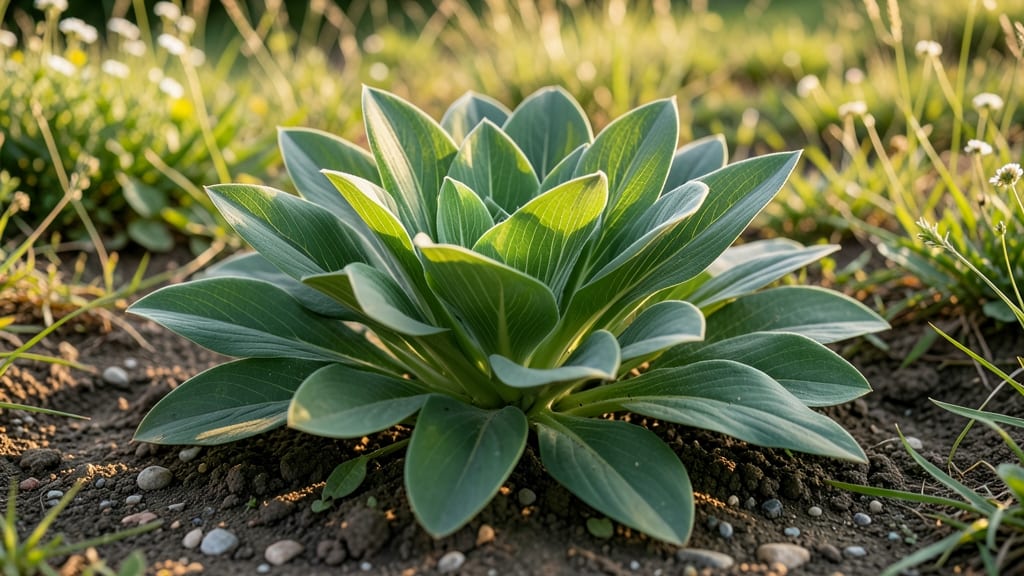
Broadleaf plantain (Plantago major) transforms my lawn into a patchwork of stubborn green weeds that refuse to stay down. 🌱 The good news? You can eliminate it organically without harming your grass—it just takes the right approach and timing.
This weed thrives in compacted soil, so the solution starts with aerating and overseeding. Pulling by hand works for small patches, but for larger areas, a vinegar-based spray or corn gluten meal in early spring prevents new seeds from sprouting.
The key is persistence—plantain roots run deep, so you’ll need to check back weekly for new growth. By late summer, your lawn will look denser and healthier, with plantain completely gone. The secret? Combining manual removal with natural soil improvements that make your grass more competitive.
No chemicals, no bare spots—just a lush lawn that stays weed-free. For best results, tackle this in spring or fall when the soil is moist and plantain is actively growing. The effort pays off with a lawn that stays green and strong all season long.
📚 In This Guide
- What you need
- Instructions
- Tips and common mistakes
- Wrapping up and next steps
What you need
- ● Garden gloves (1 pair) – Heavy-duty, chemical-resistant (for safety).
- ● Hand trowel or weeding knife (1) – For precision removal of deep roots.
- ● Organic weed killer (e.g., vinegar-based or corn gluten meal) – 1 gallon (for spot treatment) or 5 lbs (for granular application).
- ● Watering can or hose with spray nozzle – For diluting solutions or rinsing.
- ● Mulch (straw, wood chips, or shredded leaves) – 2-3 inches (to smother weeds long-term).
- ● Lawn rake or dethatcher – To loosen soil and remove debris.
- ○ Pruning shears (optional but helpful) – For cutting back dense plantain patches.
- ● Boiling water – 1-2 gallons (for targeted weed elimination).
- ● Corn gluten meal – 10 lbs (pre-emergent weed preventer).
- ● Compost or grass clippings – To enrich soil post-weeding.
- ● Knee pad or cushion – For comfort during long sessions.
Step-by-Step instructions for organic plantain weed removal
Here’s how to banish plantain weeds without harming your grass—naturally and effectively.
🌱 Step 1: Identify and Target Plantain Weeds
Plantain weeds grow in rosettes with long, jagged leaves and a thick taproot. Look for them in sunny, compacted areas of your lawn. I always spot them easiest after rain when the leaves glisten with moisture. Grab a pair of gardening gloves and a small hand fork—this is where the real work begins.
Focus on removing the entire plant, including the taproot, to prevent regrowth. If you leave even a small piece behind, it’ll sprout again within weeks. I pull weeds when the soil is damp (after watering or rain) because the roots slide out more easily. For stubborn roots, use the hand fork to loosen them before tugging.
💧 Step 2: Apply Organic Herbicides Selectively
Use a vinegar-based herbicide (5-10% acetic acid) mixed with 1 tablespoon of dish soap per gallon. The soap helps the solution cling to the leaves. Spray directly on the plantain leaves, avoiding your grass. I like to use a pump sprayer for precision—it’s easier to control than a hose attachment.
Apply on a sunny day when temperatures are between 65-85°F. The heat helps the vinegar work faster. Reapply every 3-5 days until the weeds turn brown and crispy. This method kills plantains by drying them out, but it won’t harm your grass if applied carefully. Always spot-test a small area first to ensure your lawn tolerates it.
☀️ Step 3: Prevent Regrowth with Mulch and Soil Care
After removing the weeds, cover the bare spots with 2-3 inches of organic mulch (like straw or shredded leaves). This blocks sunlight, preventing new seeds from germinating. I also top-dress the area with compost to improve soil health and crowd out weeds naturally. Healthy grass grows faster and outcompetes plantains.
Water deeply once a week to encourage grass roots to fill in the gaps. Overwatering can invite more weeds, so let the top 1-2 inches of soil dry out between waterings. If plantains keep returning, consider corn gluten meal (apply in early spring) as a pre-emergent to stop new seeds from sprouting.
✂️ Step 4: Maintain a Weed-Free Lawn Long-Term
Mow your lawn regularly at 3-4 inches tall—taller grass shades the soil, making it harder for plantains to take hold. I set my mower to the highest setting in summer to keep weeds at bay. Also, aerate your lawn once a year to reduce soil compaction, which plantains love.
Keep an eye out for new rosettes and pull them immediately. The sooner you remove them, the less they spread. Over time, your lawn will thicken naturally, leaving less room for weeds. If you stay consistent, you’ll see fewer plantains each season—it’s all about staying ahead of them.
Tips & tricks for plantain lawn weed eradication
Took me a while to figure these out, so here’s how to make organic plantain removal even more effective.
Timing is Everything: The best time to tackle plantains is right after rain or watering when the soil is damp. I’ve found that roots pull out much cleaner when the ground is slightly moist—this reduces breakage and makes the job easier. If you’re working in dry conditions, water the area first and wait 10-15 minutes before pulling. This small step saves you from struggling with stubborn roots.
Precision Application: When using the vinegar solution in Step 2, focus on the leaves only—avoid spraying the soil directly. I’ve seen people accidentally kill grass by overspraying. For extra precision, use a small paintbrush to apply the solution to stubborn weeds. The 3-5 day reapplication schedule works best when you’re consistent—mark your calendar to avoid missing treatments.
Mulch Thickness Matters: The 2-3 inches of mulch in Step 3 isn’t just a suggestion—it’s crucial for blocking sunlight. I once used only 1 inch and saw new plantain sprouts within weeks. For best results, spread the mulch evenly and press it lightly into the soil to eliminate gaps. This creates a solid barrier that prevents new seeds from germinating.
Long-Term Strategy: Aerating your lawn once a year (as mentioned in Step 4) might seem like extra work, but it’s a game-changer. I’ve noticed that compacted soil is plantain’s favorite breeding ground. Rent a core aerator from your local hardware store—it’s worth the investment for a healthier lawn. The less compacted your soil, the harder it is for plantains to establish themselves.
Pro Tips for Plantain Lawn Weed
- Took me a while to figure these out, so here’s how to make organic plantain removal even more effective.
- Timing is Everything: The best time to tackle plantains is right after rain or watering when the soil is damp. I’ve f...
- Precision Application: When using the vinegar solution in Step 2, focus on the leaves only—avoid spraying the soil di...
Frequently asked questions
Got questions about tackling plantain lawn weeds organically? You’re not alone!
Here are some of the most common concerns—and straightforward answers—to help you reclaim your grass without harsh chemicals.
How do I tell if my lawn has plantain weeds?
Plantain weeds have broad, oval-shaped leaves with parallel veins and a slightly fuzzy texture. They often grow in patches and can spread aggressively. Look for their rosette shape (like a small cabbage) and check for small, white flower stems in late summer. If your lawn has bald spots with these leafy clusters, plantain is likely the culprit!
When is the best time to remove plantain weeds?
The ideal time to treat plantain weeds is in early spring (March–April) or early fall (September–October). These periods give weeds a head start before they go dormant or seed heavily. Avoid treating in extreme heat or drought, as stressed weeds may recover faster.
Will vinegar or boiling water kill plantain weeds without harming grass?
Yes, but with caution! A 3% acetic acid vinegar solution (1:1 vinegar-to-water ratio) or boiling water can kill plantain weeds. However, these methods may also damage nearby grass. For spot treatment, apply only to the weed on a dry, sunny day. For broader areas, consider corn gluten meal or iron-based herbicides as safer alternatives.
How often do I need to treat plantain weeds?
Consistency is key! Treat plantain weeds every 2–4 weeks during their active growing season (spring and fall) until they’re fully eradicated. Young weeds are easier to kill, so don’t wait until they’re mature. Combine treatments with lawn aeration and overseeding to prevent regrowth.
What’s the best organic alternative to chemicals for long-term control?
For lasting results, focus on preventive care:
- Mow high (3–4 inches) to shade out weeds.
- Apply corn gluten meal in early spring to inhibit weed seeds.
- Use a dense grass seed mix (like Kentucky bluegrass or fescue) to outcompete weeds.
- Hand-pull weeds after rain when soil is soft.
Combine these with regular dethatching to keep your lawn healthy and weed-free naturally!
Wrapping up and next steps
Say goodbye to plantain lawn weeds without resorting to harsh chemicals!
By using organic methods like manual removal, vinegar solutions, or natural mulches, you can protect your grass while keeping your lawn lush and healthy. 🌱 The key is consistency—stay vigilant, and your efforts will pay off with a weed-free paradise.
Ready to take action? Start with one small section this weekend and watch your lawn transform! Need more tips? Explore our organic lawn care guide for extra inspiration.