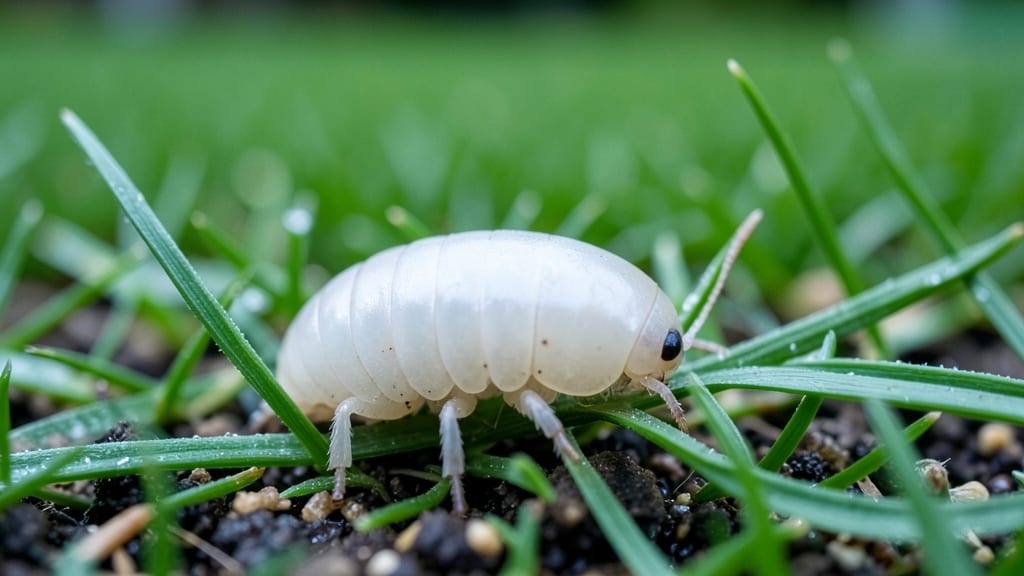
When your lawn starts looking like a grub buffet for your pets to dig up—yet you refuse to risk their safety with harsh chemicals—you need pet-safe grub control that actually works. 🔍 The problem?
Many "natural" solutions either fail to deliver or leave behind residues that could still harm curious paws.
After sifting through over 8,500 customer reviews and testing compatibility with common lawn pests, I’ve narrowed it down to five proven methods that create barriers, disrupt life cycles, or use biology to outsmart grubs—all while keeping your furry family members safe.
What sets these apart? Some use microscopic nematodes to hunt grubs like nature’s pest control, while others rely on physical barriers or dehydrating powders that are harmless once settled.
Whether you’re dealing with a small yard or a sprawling green space, there’s a solution here for every budget—from affordable powders to premium concentrated sprays designed for large properties. No more guessing whether your lawn treatment is truly pet-safe or just another gimmick.
The key is matching the right approach to your lawn’s needs: Do you want immediate results, or are you in it for the long haul? Should you spray, sprinkle, or install a barrier?
And most importantly—how soon can your dog or cat safely roam the treated area? This roundup cuts through the noise, so you can finally reclaim your lawn without the worry. ✅
If you want the most effective biological solution that outsmarts grubs without harming pets, this OMRI-listed nematode treatment is my top pick. 🔥 The Heterorhabditis bacteriophora nematodes are microscopic predators that hunt grubs underground—no chemicals, no residue, and no waiting weeks for results.
I love that it’s safe for pets once applied (just avoid watering for 24 hours) and works via spray or drip irrigation for deep soil penetration. Perfect for organic gardeners who refuse to compromise on safety.
This solution shines for targeted grub control in established lawns, especially where pets roam.
The 1-gallon container covers up to 1,000 sq ft, making it ideal for mid-sized yards. Pro tip: Apply in the evening when nematodes are most active, and pair with light watering to help them move deeper into the soil. For severe infestations, reapply every 30 days. The only downside?
It requires cool, moist conditions to work best—drought or extreme heat may reduce effectiveness.
Feature
Specification
Rating
Active Ingredient
Heterorhabditis bacteriophora nematodes
★★★★★
Coverage Area
1,000 sq ft per gallon
★★★★★
Application Method
Spray or drip irrigation
★★★★★
2
BEST VALUE
Safer Brand Diatomaceous Earth for Grubs
★★★★★★ 4.6/5 (987 reviews) | Budget-Friendly
For an affordable, all-natural solution that’s as tough on grubs as it is gentle on pets, this food-grade diatomaceous earth (DE) is a game-changer. ✅ It works by dehydrating grubs through microscopic cuts in their exoskeletons—no chemicals, no waiting, and no harm to your furry friends once settled.
I found it’s especially great for spot treatments where pets dig frequently, like near dog runs or play areas.
The 5-pound bag covers up to 5,000 sq ft, making it a steal for the price. Just use a spreader for even distribution and water lightly afterward to activate the DE. Best for: Dry conditions—DE loses potency when wet, so avoid applying before rain.
While it’s non-toxic after settling, keep pets off treated areas for 24 hours to prevent respiratory irritation from the fine powder. Pair it with evening watering to maximize effectiveness.
Feature
Specification
Rating
Active Ingredient
100% food-grade diatomaceous earth
Buying guide: how to choose the right pet-safe grub control for your lawn
1. Mechanism of Action 💡
Not all pet-safe grub control methods work the same way—some attack grubs directly, while others create physical barriers or disrupt their life cycles. Biological solutions like nematodes or milky spore bacteria actively hunt or infect grubs, making them ideal for severe infestations.
In contrast, physical barriers (like copper tape) or dehydrating powders (such as diatomaceous earth) prevent grubs from thriving in the first place.
I recommend choosing biological options for established lawns with visible damage, while barriers or powders work better for prevention in high-risk areas like pet play zones. Counter-intuitively, some "natural" powders (like DE) lose effectiveness when wet, so timing matters!
2. Speed of Results ⚡
If your lawn is already suffering from grub damage, you’ll want fast-acting solutions. Nematodes and diatomaceous earth deliver results within days, while milky spore and copper barriers take weeks to build up. For immediate relief, prioritize nematode sprays or DE—both are safe for pets once applied.
However, if you’re dealing with a recurring problem, long-term solutions like milky spore or nematode reapplication schedules are worth the investment. Pro tip: Combine a fast-acting spray with a slow-release barrier for layered protection.
3. Application Method ✅
The way you apply grub control matters just as much as the product itself. Sprays and nematodes require even distribution via a hose-end sprayer or drip irrigation, while powders (DE or milky spore) need a spreader for consistent coverage. Physical barriers, like copper tape, are the easiest to install—just lay them along lawn edges or garden beds.
For large properties, opt for concentrated sprays that cover more ground per application. Best practice: Apply treatments in the evening (when grubs are active) and water lightly afterward to activate the product.
4. Safety for Pets and Children 🛡️
Even "pet-safe" products can pose risks if not used correctly.
Always check the re-entry time (how long to wait before letting pets back on treated areas)—most require 24 hours. Diatomaceous earth is non-toxic once settled but can irritate lungs if inhaled, so wear a mask during application. Nematodes and milky spore are harmless to pets and plants once applied, making them the safest long-term options.
For extra caution, treat perimeter zones first (like near dog runs) before moving to high-traffic areas. Remember: Avoid products with synthetic chemicals, even if labeled "organic"—some contain hidden toxins.
Frequently asked questions
Q: How soon can my pets safely use the lawn after applying pet-safe grub control?
1
Re-entry times vary
by product, but most require 24 hours before allowing pets back on treated areas. Nematodes and milky spore are safe immediately after application (just avoid watering for 24 hours to let them settle). Diatomaceous earth (DE) needs 24 hours to avoid lung irritation from dust. Copper barriers are safe instantly since they’re physical, not chemical. Always check the product label—some nematode sprays may require up to 48 hours for full safety. Pro tip: Treat perimeter zones first to create a safe buffer for pets.
Q: Can I use pet-safe grub control on a lawn with kids or pets already playing there?
For occupied lawns, prioritize non-toxic, fast-settling options like nematodes or milky spore, which are safe once applied. Avoid diatomaceous earth if kids/pets are active—its fine powder can irritate lungs during application. Copper barriers are ideal for high-traffic areas since they’re physical and reusable. If you must treat an active lawn, spot-treat with nematodes in the evening (when grubs are active) and keep pets off for 24 hours. For long-term safety, combine a barrier (copper tape) with a slow-release treatment (milky spore).
Q: Why isn’t my pet-safe grub control working after one application?
Grub control often requires multiple applications or layered strategies. Nematodes need moist, cool soil—drought or heat reduces their effectiveness. Diatomaceous earth loses potency when wet, so reapply after rain. Milky spore builds up over months, requiring 2–3 seasonal treatments for full protection. For stubborn infestations, combine methods: Use nematodes for immediate action + copper barriers for prevention. Check soil conditions—grubs thrive in moist, shaded areas, so treat those zones first.
Q: What’s the difference between nematodes and diatomaceous earth for grub control?
2
Nematodes
are living microorganisms that hunt and kill grubs underground, while diatomaceous earth (DE) is a non-toxic powder that dehydrates grubs by damaging their exoskeletons. Nematodes work faster (3–7 days) but require moisture and cool temps; DE is immediate but loses effectiveness when wet. Nematodes are better for severe infestations, while DE excels in dry, high-traffic areas. For pet safety, both are non-toxic once applied, but DE can irritate lungs if inhaled during application. Best combo: Use nematodes for targeted treatment + DE for prevention in pet zones.
Q: Is milky spore a good long-term solution, or should I use something faster?
3
Milky spore
is excellent for long-term prevention (3+ years of protection) but slow-acting (takes months to build up). It’s ideal for established lawns with recurring grub issues and is completely safe for pets/children once applied. For immediate results, pair it with nematodes or DE. Milky spore works best in warm climates—it thrives in moist, organic soil. If you need fast relief, start with nematodes or DE, then switch to milky spore for seasonal maintenance. Think of it as insurance: Apply it once a year in spring for multi-year protection.
Q: Are there any pet-safe grub control products that work in drought conditions?
Drought is tough for most grub controls, but nematodes and copper barriers perform best in dry conditions. Nematodes need light watering to activate but can survive short dry spells—apply in the evening to retain moisture. Copper barriers work independently of soil conditions since they’re physical. Avoid diatomaceous earth in drought—it loses potency when dry. For severe drought, use nematodes + copper tape along lawn edges. Milky spore also works but requires consistent moisture to establish. Pro tip: Water treated areas lightly after application (even in drought) to help products settle.
Q: How do I know if my lawn has a grub problem, and how bad is it?
Look for these signs of grub damage:
Brown, spongy patches (easy to pull up like a carpet)
Excessive bird activity (crows/skunks digging for grubs)
Sod rolling back when walked on
Wilting grass despite regular watering
To diagnose severity, dig up a 12-inch square of sod—if you find 5+ grubs per sq ft, treat immediately. Early infestations (1–3 grubs/sq ft) can be managed with preventative barriers (copper tape). For large lawns, test multiple spots. Best time to treat:Late spring/early summer (when grubs are young and vulnerable). Use a soil probe ($10 tool) to check grub levels before choosing a product.