
Lawn
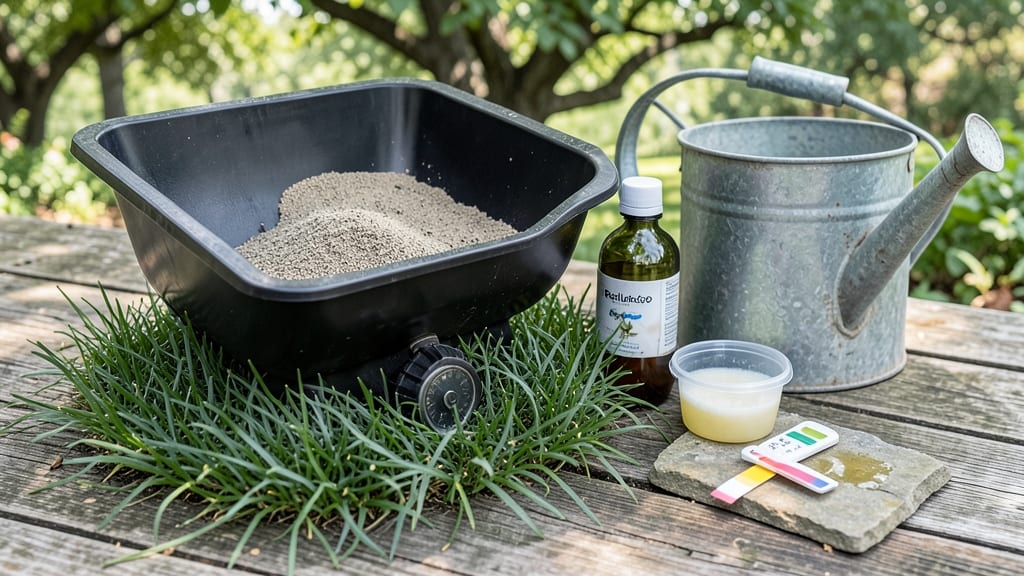
Dog pee lawn treatment turns your lawn into a yellow, patchy mess faster than you can say "walkies." 🌱 I’ve battled this battle for years—until I discovered the fast-acting neutralizers that actually work without killing the grass or your wallet.
The problem isn’t just the smell—dog urine is packed with nitrogen, which burns grass roots and turns soil acidic over time. Most people just water more, but that just dilutes the issue without fixing it.
The real fix? A mix of dilution, natural buffers, and smart prevention that keeps your lawn green and your pup happy.
By the end of this, you’ll have a 5-minute routine that neutralizes odors, protects your grass, and even improves soil health. No more hiding the doggy potty spots—just lush, thriving lawns that handle even the most frequent pee breaks.
Works for any yard size, from small suburban patches to big country acres. Let’s save your grass—one pee at a time.
Why Dog Pee Damages Your Lawn
If your lawn looks patchy, yellow, or struggling after your pup does their business, you’re not imagining it—dog urine is a silent but powerful lawn saboteur. 🌱🐕 The issue stems from a mix of chemical and biological factors that disrupt your grass’s health.
Below, we break down the top causes of dog pee damage and why your lawn reacts the way it does.
Dog urine is highly concentrated in ammonia and nitrogen—up to 10 times stronger than regular urine. When your dog pees, this chemical cocktail gets absorbed into the soil, creating a rapid spike in nitrogen levels.
While nitrogen is essential for grass growth, the sudden influx burns plant cells instead of nourishing them.
Here’s what happens in the soil:
- Ammonia (NH₃) toxicity: The high pH (alkaline) of dog urine disrupts the soil’s natural balance, making it harder for grass roots to absorb water and nutrients.
- Osmotic shock: The concentrated salts in urine draw moisture out of grass blades, causing them to wilt or crisp within hours.
- Soil compaction: Frequent peeing in the same spot can densify soil, reducing oxygen flow to roots.
💡 Pro Tip: If your lawn has brown, straw-like patches right where your dog pees, ammonia burn is likely the culprit. These spots often recover but may stay weak until the soil pH is restored.
Dog urine is highly alkaline (pH 8–9), while most lawns thrive in a slightly acidic range (pH 6–7.5). When urine seeps into the soil, it shifts the pH balance, making nutrients like iron, manganese, and phosphorus less available to grass roots.
Over time, this leads to:
- Nutrient lockout: Essential minerals bind to soil particles instead of being absorbed by grass, causing yellowing or stunted growth.
- Fungal growth: Alkaline soil creates a perfect breeding ground for lawn diseases like brown patch or dollar spot.
- Weakened root systems: Grass struggles to anchor properly, making it more susceptible to drought and foot traffic.
🌡️ Science Note: A single pee can raise soil pH by 1–2 points in the affected area. If your dog pees in the same spot daily, the pH can become chronically unbalanced, requiring soil amendments to fix.
Dog urine isn’t just water and ammonia—it’s packed with salts (like sodium and potassium) and minerals that accumulate in the soil over time. While these elements are harmless in small doses, excessive buildup creates a hypertonic environment, where:
- Water is pulled out of grass cells: Think of it like osmotic dehydration—the salts draw moisture from the grass, causing wilting and cell death.
- Soil structure degrades: High salt levels break down soil aggregates, leading to hardpan (a dense, waterproof layer) that suffocates roots.
- Microorganisms are killed: Beneficial bacteria and fungi that help decompose organic matter die off, reducing soil fertility.
⚠️ Warning Sign: If your lawn has crunchy, white salt deposits on the surface after rain, your soil is already over-salinized—a sign you need flushing with water or gypsum treatment.
Dogs don’t just pee—they often stand in one spot repeatedly, especially if they’re trained to use a specific area. This physical pressure compacts the soil, reducing:
- Air pockets: Compacted soil has less oxygen for roots, leading to anaerobic conditions (where harmful bacteria thrive).
- Water drainage: Dense soil holds water like a sponge, increasing the risk of root rot and fungal infections.
- Root penetration: Grass roots can’t grow deep, making the lawn shallow and weak.
🔨 Fix It: If your dog has a favorite pee spot, try aerating the soil annually or placing gravel or mulch to reduce compaction.
Now that you know why dog pee harms your lawn, the next step is how to fix it. Stay tuned for our step-by-step neutralizer guide to restore your grass—without the stink or the damage! 🚿🌿
Revive Your Lawn Naturally
Dog urine can turn your lush green lawn into a patchy, yellowed mess—but the good news is, you can fix (and prevent!) the damage with the right approach. Below, we’ve broken down cause-specific solutions to restore your grass and keep it thriving, even with a furry friend in the house.
---
Cause: High nitrogen and acidity burn grass blades, causing discoloration.
How to Treat It: 1. Dilute the Urine Immediately 💦 - Train your dog to pee on a gravel or mulch area first to dilute the urine before it hits the grass. - If accidents happen, rinse the spot with water within 15–30 minutes to spread out the nitrogen.
2. Apply a Neutralizer 🧴 - Sprinkle baking soda (½ cup per gallon of water) or a commercial dog urine neutralizer (like Nature’s Miracle) over the affected area. - Water lightly to help it absorb into the soil.
3. Fertilize with Care 🌱 - Wait 3–4 days after neutralizing before fertilizing. Use a low-nitrogen, high-potassium fertilizer (like 5-10-10) to help grass recover faster.
---
Cause: Repeated peeing in the same spot kills grass roots over time.
How to Treat It: 1. Rake & Aerate 🔪 - Loosen the soil in the damaged area with a garden rake to improve drainage and airflow. - For stubborn spots, use a manual aerator to break up compacted soil.
2. Seed or Sod the Spot 🌾 - Choose dog-friendly grass seeds (like tall fescue or Bermuda grass) that tolerate urine better. - Press seeds lightly into the soil, cover with a thin layer of compost, and water gently.
3. Protect New Growth 🛡️ - Keep your dog off the repaired area for 4–6 weeks (use a temporary barrier if needed). - Water deeply 2–3 times per week to encourage root development.
---
Cause: Poor habits lead to recurring issues.
How to Stop It: 1. Train Your Dog 🐕💡 - Teach them to pee on gravel, artificial turf, or a designated "potty patch" away from the lawn. - Use positive reinforcement (treats, praise) when they succeed.
2. Adjust Watering Habits 💧 - Water your lawn before your dog pees to dilute the urine naturally. - Deep watering (1–1.5 inches per week) helps grass recover faster from nitrogen burns.
3. Boost Grass Resilience 🌿 - Mow high (3–4 inches) to strengthen grass blades against urine damage. - Overseed in fall with a dog-safe grass blend for thicker, more forgiving turf.
---
Cause: Lingering odors and unsightly marks.
How to Remove Them Fast: - Vinegar Solution 🍶 – Mix 1 part white vinegar + 1 part water, spray on stains, and let sit for 10 minutes before rinsing. - Enzymatic Cleaner 🧪 – Products like Rocco & Roxie Stain & Odor Eliminator break down urine crystals for a deep clean. - Sodium Bicarbonate Paste 🧴 – Make a paste with baking soda and water, scrub into stains, then hose off.
--- 💡 Pro Tip: If your lawn is severely damaged, consider replacing the worst patches with clover or moss—both tolerate dog urine better than traditional grass!
With these targeted fixes, your lawn can bounce back—healthier, greener, and smell-free—even with a peeing pup in the mix. 🌟
Frequently asked questions
Why does my dog's pee turn my lawn brown?
The high ammonia and nitrogen in dog urine act like a chemical burn on grass blades. When concentrated, it disrupts cell function and draws moisture from the grass, causing that classic brown, crispy look. The longer it sits, the worse the damage becomes!
Will watering immediately after my dog pees prevent damage?
Yes, but timing matters! Watering within 15-30 minutes helps dilute the urine and spread the nitrogen more evenly. However, for best results, combine this with a neutralizing treatment like baking soda or a commercial product to truly protect your lawn.
Can I use household items to neutralize dog pee?
Mix ½ cup baking soda with 1 gallon of water and spray on affected areas. For stubborn spots, try a vinegar solution (1:1 ratio)—it helps break down urine crystals while being safe for most lawns. Always test small areas first!
How long does it take for grass to recover from dog urine damage?
With proper treatment, most grass recovers in 2-4 weeks. For severe burns, you may need to reseed the area. The key is neutralizing immediately and keeping your dog off the spot until new growth appears. Deep watering helps speed up recovery.
Is there a dog-friendly grass type that tolerates urine better?
Yes! Tall fescue and Bermuda grass handle urine better than most varieties. They're also more drought-resistant. If you're reseeding, look for a dog-safe grass blend—it's worth the investment for a healthier lawn with a peeing pup!