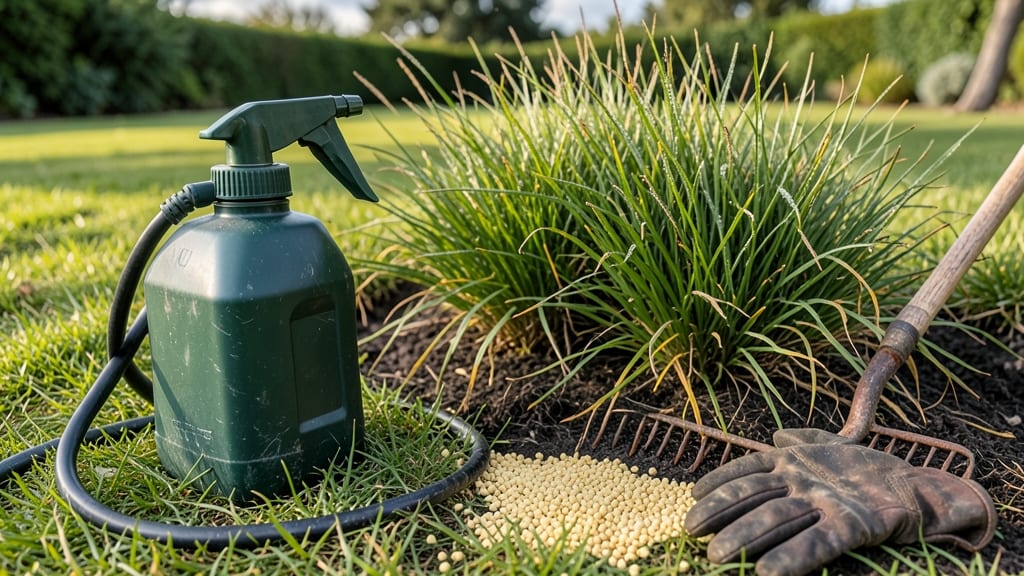
Buying guide: how to choose the right organic lawn fungicide
1. Active Ingredient Type 💡
Not all organic fungicides work the same—copper-based solutions like copper hydroxide tackle severe infections (e.g., brown patch) in 72 hours, while biological options (like mycorrhizal blends) strengthen roots to prevent future outbreaks. Potassium bicarbonate is ideal for mildew and rust, offering a gentler, water-soluble approach.
I recommend copper for active blight and neem oil for preventative care. Counter-intuitively, sulfur—though effective—works best in dry conditions, so it’s less versatile for humid climates.
2. Application Method ⚡
Your choice depends on lawn size and disease severity. Sprays (neem oil, copper concentrates) are fastest for large areas, while soil drenches (mycorrhizal blends) provide systemic protection by fortifying roots. Powders (potassium bicarbonate) require mixing but offer precise control.
For stubborn issues, I suggest rotating methods—start with a copper spray, then follow up with a mycorrhizal drench to rebuild turf resilience. Avoid dusts (like sulfur) if you have kids or pets, as they linger longer in the air.
3. Coverage Area vs. Concentration ✅
Mid-range copper fungicides cover 5,000 sq ft per gallon, making them cost-effective for big lawns, while budget-friendly potassium bicarbonate requires more frequent applications (1–2 tbsp per gallon). For small yards, a 32 oz neem oil spray is overkill—dilute it 1:1 with water to save money.
Pro tip: Calculate your lawn’s square footage first. A 5,000 sq ft lawn needs ~1 gallon of concentrate, but a 1,000 sq ft patch might only require a 16 oz ready-to-use spray. Always check the label’s concentration ratio to avoid waste.
4. Safety & Certification 🔍
Look for OMRI-listed or USDA Organic-certified labels—these ensure the product meets strict eco-friendly standards. Copper and neem oil are generally pet-safe after drying, but sulfur dust can irritate lungs if inhaled. For families with kids, potassium bicarbonate is the safest choice, as it’s non-toxic even when wet.
Always apply early morning to allow drying before playtime. Avoid organic fungicides near water sources, as some ingredients (like copper) can leach into soil over time.
5. Climate & Disease Type 🛡️
Humid climates favor copper or mycorrhizal solutions, while dry regions benefit from sulfur dust. Dollar spot thrives in shady, moist areas, so target those spots first with a neem oil spray. For powdery mildew, potassium bicarbonate is my top pick—it’s lightweight and works on contact.
If your lawn has multiple diseases, rotate treatments: Use copper for severe outbreaks, then switch to a biological drench for long-term prevention. Always aerate your lawn before applying fungicides to improve absorption.
Frequently asked questions
Q: What’s the fastest organic fungicide to treat severe lawn diseases like brown patch or dollar spot?
1
Copper-based fungicides
are the fastest organic solution for aggressive fungal outbreaks. The organic copper hydroxide concentrate (our #1 pick) eliminates visible symptoms of brown patch or dollar spot in 72 hours or less when applied correctly. For best results, mix 1 tablespoon per gallon of water and apply early morning during humid conditions. If your lawn is already heavily infected, combine it with aeration to improve absorption.
Q: Can I use organic fungicides safely around pets and kids?
Yes, but with precautions. Neem oil and potassium bicarbonate are the safest options—non-toxic even when wet. For copper fungicides, wait 24–48 hours after application before allowing pets or kids on treated areas. Sulfur dust should be avoided in households with respiratory issues, as it can irritate lungs when inhaled. Always apply early morning to maximize drying time, and opt for sprays over powders if you have young children or pets.
Q: How often should I apply organic fungicide for prevention?
For preventative care, apply every 7–14 days during high-risk seasons (spring and fall). Neem oil sprays work well on a weekly schedule, while copper fungicides can be used every 2 weeks during outbreaks. If you’re using a mycorrhizal soil drench, apply it once every 3 months for long-term root strength. Always follow the product’s instructions, and adjust frequency based on your climate—humid regions may need more frequent applications.
Q: What’s the difference between copper fungicide and neem oil for lawn care?
2
Copper fungicides
are reactive—they stop existing fungal growth (like brown patch) quickly but require more frequent applications. Neem oil, however, is preventative, disrupting fungal spores before they take hold. Copper is better for severe outbreaks, while neem oil excels for maintenance. If your lawn is healthy but prone to mildew, neem oil is the smarter, budget-friendly choice. For active infections, start with copper, then switch to neem oil for long-term prevention.
Q: Are organic fungicides as effective as chemical ones for stubborn fungal issues?
Organic fungicides can be just as effective if used correctly—especially for early-stage infections. Copper hydroxide matches the speed of many chemical fungicides (eliminating symptoms in 72 hours), while mycorrhizal blends offer long-term prevention that chemicals can’t. The key difference? Organic options improve soil health over time, whereas chemical fungicides often harm beneficial microbes. For stubborn issues, combine organic treatments with proper lawn care (aeration, mowing height, and watering adjustments) for the best results.
Q: How do I know if my lawn needs fungicide, or is it just stress from poor care?
Check for irregular brown patches, powdery white residue (mildew), or slimy circular spots (dollar spot)—these are clear signs of fungal activity. If your lawn is thin, yellow, or patchy but lacks these symptoms, it’s likely nutrient-deficient or compacted. Fix the root cause first: Aerate, overseed, and fertilize with organic compost. Only use fungicide if you see active fungal growth. For a quick test, place a damp paper towel on the affected area overnight—if mold appears, it’s time for treatment.
Q: What’s the best budget-friendly organic fungicide for small lawns under 1,000 sq ft?
For small lawns, a potassium bicarbonate powder or neem oil ready-to-use spray are the most cost-effective choices. Potassium bicarbonate is ultra-affordable (covers ~1,000 sq ft per application) and works on contact for mildew and rust. Neem oil is slightly pricier but doubles as a pest repellent. Avoid concentrated copper or sulfur products—they’re overkill for small areas and harder to measure. For best value, go with the neem oil spray (32 oz bottle) and dilute it 1:1 with water to stretch coverage.