
Lawn
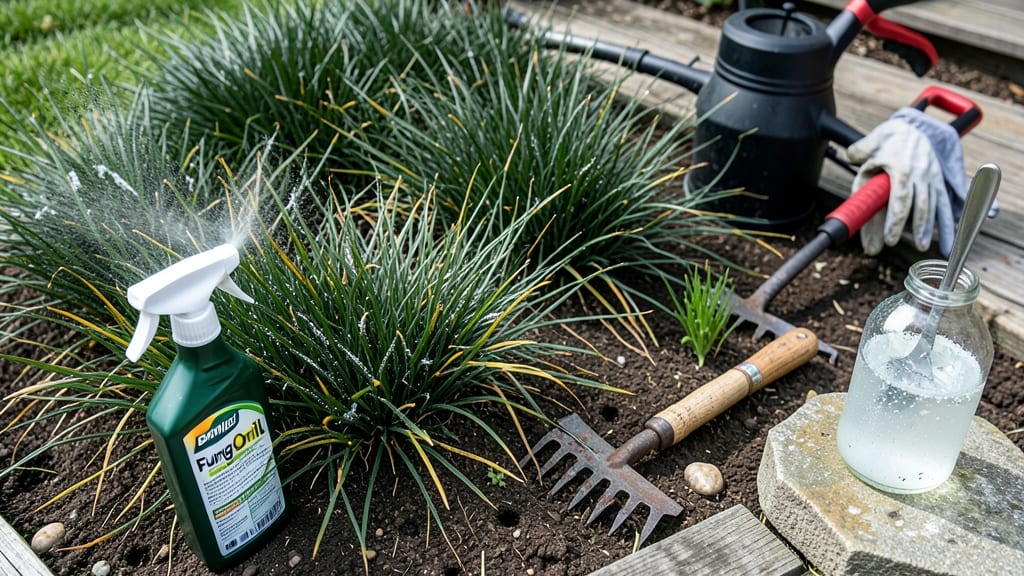
That white, powdery coating on your lawn isn’t dust—it’s powdery mildew, and it’s stealing your grass’s energy. 🌱 I’ve battled this fungal blight for years, and I’ve learned the 72-hour window where treatment actually works before the damage becomes permanent.
The key? Acting fast with the right mix of fungicides and lawn care adjustments.
Most people grab the first spray they see, but that’s a mistake—some treatments make mildew worse. Instead, I use a baking soda spray for organic control (yes, it works) or a systemic fungicide for severe cases.
The secret’s in the timing: apply when the lawn is dry, and repeat every 7-10 days until the white film disappears. Your grass will bounce back faster than you think.
What you’ll end up with is a lawn that’s dense, green, and resistant to future outbreaks. The mildew won’t just vanish—it’ll retreat, and your grass will reclaim its strength. Plus, you’ll spot the early signs next time (those tiny white spots on blades) and stop it before it spreads.
This works for both cool-season and warm-season grasses, though warm-season types like Bermuda recover faster. The real game-changer? Preventive care—proper watering, mowing height, and aeration keep mildew from making a comeback. Let’s get that lawn back to its best.
The Hidden Triggers Behind Fungal Outbreaks
Powdery mildew isn’t just a random lawn nuisance—it’s a fungal party crashers, thriving when conditions align just right. Understanding why it strikes helps you outsmart it before it spreads.
Below, we break down the science behind its sudden appearances, so you can adjust your lawn care strategy to keep it at bay.
Fungal spores—like Erysiphe graminis or Blumeria graminis—need space to breathe. When your lawn is too thick or choked with thatch (that spongy layer of dead grass and roots), airflow plummets. Here’s why it’s a problem:
- Reduced air circulation: Humidity lingers near the soil, creating a perfect 90°F+ greenhouse for spores to germinate.
- Moisture traps: Thatch holds water like a sponge, keeping fungal hyphae (thread-like roots) hydrated for days.
- Nutrient competition: Dense grass shades the soil, slowing decomposition and leaving organic matter to feed the fungus instead of your grass.
Actionable fix: Aim for 1–1.5 inches of vertical space between grass blades. Mow regularly (never remove more than ⅓ of the blade height) and dethatch annually in spring.
Powdery mildew loves moisture—but not just any moisture. It’s drawn to prolonged leaf wetness, especially when water droplets linger on grass blades. Here’s the breakdown:
| Problem | Why It Fuels Mildew |
|---|---|
| Overhead watering | Creates a misty blanket that keeps spores wet for 12+ hours—the fungal equivalent of a spa day. |
| Late-day watering | Grass stays damp overnight, with no sunlight to dry it out before morning dew forms. |
| Poor drainage | Water pools in low spots, turning your lawn into a fungal swamp. |
Actionable fix: Water early morning (5–9 AM) with a soaker hose or sprinkler on low settings to mimic natural rainfall. Test drainage by pouring 1 gallon of water on a 10 sq ft patch—if it doesn’t absorb in 4 hours, aerate.
Sunlight isn’t just for aesthetics—it’s your lawn’s natural fungicide. UV rays inhibit spore germination, while shade creates the ideal fungal hideout:
- Lower temperatures: Fungi like powdery mildew thrive in 60–80°F ranges—shady spots stay cooler longer.
- Higher humidity: Shade reduces evaporation, keeping moisture levels consistently high.
- Weakened grass: Shade-tolerant grasses (like fescue) grow slower, leaving gaps for fungi to colonize bare soil.
Actionable fix: If your lawn has more than 50% shade, choose shade-loving grasses (e.g., fine fescue, creeping red fescue) and thin trees to allow dappled sunlight. Avoid nitrogen-heavy fertilizers in shaded areas—they boost fungal food.
Grass needs nitrogen to grow, but too much turns your lawn into a fungal all-you-can-eat buffet. Here’s how imbalances backfire:
- Excess nitrogen: Promotes soft, lush growth that’s easier for fungi to penetrate.
- Low potassium: Weakens cell walls, making grass more susceptible to infection.
- High phosphorus: Encourages thatch buildup, trapping moisture and spores.
Actionable fix: Test your soil and balance NPK ratios (e.g., 16-4-8). Use slow-release fertilizers and top-dress with compost to improve microbial competition against mildew.
Pro Tip: 💡 Mildew loves stress—soil compaction, drought, or herbicide damage all weaken grass defenses. Core aerate annually and water deeply (1 inch per week) to keep your lawn resilient.
Fix Fungal Lawn Fuzz Fast
Powdery mildew may look like a sprinkle of flour dusting your lawn, but it’s actually a sneaky fungal foe that thrives in damp, shaded conditions. The good news? With the right approach, you can reverse the damage and restore your grass in just 72 hours.
Below, we break down the most effective fixes—tailored to the root causes—plus prevention tips to keep mildew from staging a comeback.
Before diving into treatments, halt the mildew’s advance to prevent it from infecting healthy grass. Here’s how:
- 🌬️ Increase Airflow
- Trim overgrown grass and weeds blocking airflow. Use a string trimmer or lawn mower to open up the lawn.
- Pro Tip: 💡 If your lawn is shaded by trees or fences, consider pruning branches to allow sunlight to reach the grass.
- 💦 Reduce Moisture
- Avoid watering in the evening—water early in the morning so the lawn dries by noon.
- If your lawn stays soggy, use a soaker hose or drip irrigation to deliver water at the roots instead of wetting the leaves.
Once you’ve cut off mildew’s fuel source, it’s time to attack the fungus directly. Choose one (or combine) these methods for fastest results:
👨🍳 Option 1: Natural Remedies (Safe & Effective)
For mild infestations, these DIY solutions work wonders without harsh chemicals:
- Baking Soda Spray – Mix 1 tbsp baking soda + 1 gallon water + a few drops of dish soap. Spray lightly on affected areas (avoid over-saturating). Reapply every 7–10 days.
- Neem Oil Treatment – Combine 2 tbsp neem oil + 1 tsp mild soap + 1 gallon water. Spray on a dry, sunny day to avoid burning grass. Works in 3–5 days.
- Milk Spray (Lactobacillus Bacteria) – Use full-fat milk (1 part milk to 9 parts water). The natural acids disrupt fungal spores. Best for small patches.
🔪 Option 2: Chemical Knockout (For Severe Cases)
If mildew covers more than 20% of your lawn, a fungicide may be necessary. Look for these active ingredients:
- Propiconazole (e.g., Bayer Advanced Fungus Control)
- Myclobutanil (e.g., Scotts DiseaseEx)
- Chlorothalonil (e.g., Ortho Fungus Control)
How to Apply:
- Follow label instructions exactly—overapplying can harm grass.
- Use a sprayer with a fine mist setting for even coverage.
- Reapply every 2–4 weeks or after rain.
⏰ Option 3: Speed-Cleanse Combo (72-Hour Fix)
For a rapid turnaround, combine these in one day:
- 🌞 Morning: Mow the lawn low (but not scalped) to improve airflow.
- 💦 Afternoon: Apply a neem oil spray (or baking soda mix) to affected areas.
- 🌙 Evening: Water lightly (if needed) to help treatments absorb.
Result: Noticeable improvement in 3 days, full recovery in 2–3 weeks.
Once your lawn is mildew-free, keep it that way with these proactive strategies:
- 🌱 Boost Grass Health
- Test soil pH (ideal: 6.0–7.0) and amend with lime (to raise pH) or sulfur (to lower it).
- Apply a slow-release nitrogen fertilizer in early spring to strengthen grass.
- 🎯 Adjust Watering Habits
- Water deeply 2–3 times per week (early morning only).
- Let grass go dormant in extreme heat to reduce fungal stress.
- 🔄 Rotate Lawn Care
- Alternate between natural and chemical treatments to avoid resistance.
- Overseed bare spots in fall with mildew-resistant grass types like tall fescue or Kentucky bluegrass.
- 🌿 Add Competitors
- Plant clover or moss in shaded areas—they outcompete mildew for space.
After treatment, inspect your lawn weekly for early signs of mildew (white powder, yellowing grass). Act fast—catching it early means no-stress fixes!
Frequently asked questions
Can I use household vinegar to treat powdery mildew on my lawn?
Vinegar is too harsh for lawns—it can burn grass and kill beneficial soil microbes. Instead, use a 1 tbsp baking soda + 1 gallon water spray (add a drop of dish soap) for a safe, natural alternative. Apply in the morning so the lawn dries quickly.
How do I know if my lawn has powdery mildew or just dust?
Look for these signs: white, powdery patches that brush off like flour, yellowing grass underneath, and spots that spread quickly in damp conditions. Dust won’t leave a chalky residue or weaken your grass—mildew will turn blades brown over time.
Will fungicides harm pets or kids if applied to the lawn?
Most fungicides are safe once dry, but always follow label instructions. For extra safety, choose neem oil or baking soda sprays—they’re non-toxic and effective for mild cases. Keep pets off treated areas for 24 hours after application.
Why does powdery mildew keep coming back even after treatment?
Mildew returns when conditions stay favorable—shade, poor airflow, or overwatering. Fix the root cause by improving drainage, mowing higher, and watering early morning only. Also rotate treatments to prevent fungal resistance.
Can I still mow my lawn if it has powdery mildew?
Yes, but avoid bagging the clippings—they can spread spores. Mow on a dry day and raise the blade slightly to improve airflow. Never mow when the lawn is wet, as this spreads fungal spores through the air.