
Lawn
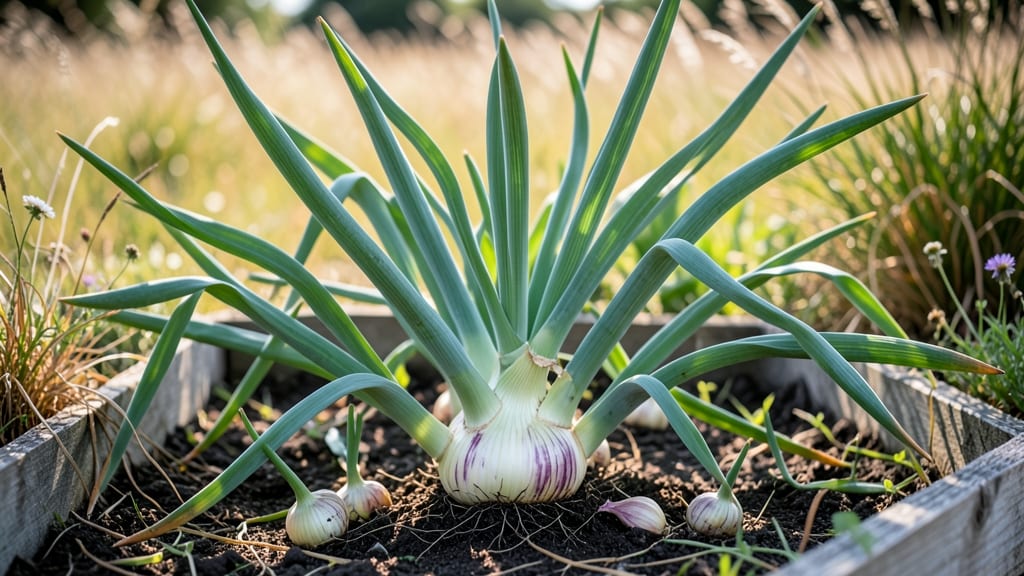
Onions growing in your lawn aren’t just weeds—they’re sneaky volunteers stealing nutrients from your grass. 🌱 I’ve spent years battling these stubborn green shoots that pop up where they’re not wanted, and I’ve found the fastest way to reclaim your lawn is a mix of timing, tools, and smart lawn care.
The problem starts with last year’s onion seeds or discarded scraps taking root in your soil. They love the same conditions as grass but grow faster, leaving bald patches.
The good news? Onions are shallow-rooted, so manual removal works—just grab them at the base when they’re young and the soil is moist.
Within 30 days, you can turn those onion patches into a thick, uniform lawn. Start with a sharp knife or weeding tool to slice through the roots, then overseed bare spots with the right grass mix.
A little pre-emergent herbicide in fall can also block new onion seedlings from sprouting.
This method keeps your lawn healthy and onion-free without harsh chemicals. The key is consistency—check weekly for new shoots, and your grass will outcompete those unwanted greens before they become a problem.
Hidden Triggers Behind Grass Turn
If your lawn has suddenly sprouted onions—yes, the Allium cepa kind—you’re likely dealing with one (or more) of these sneaky culprits. Understanding why they appear helps you stop them before they multiply. Here’s the science behind the invasion:
Onions reproduce via tiny, lightweight seeds that hitch rides on breezes, animal fur, or even garden tools. A single onion plant can release hundreds of seeds, and once airborne, they land in lawns, cracks in pavement, or flower beds.
Birds and squirrels also disperse seeds unintentionally after snacking on fallen bulbs or scapes (the flower stalks that form in spring).
💡 Pro Tip: If you’ve grown onions, chives, or garlic in nearby gardens, their seeds may have drifted into your lawn. Even a single seed can sprout into a full plant within weeks, especially in well-drained soil.
Onion bulbs are surprisingly resilient. If you’ve composted, mulched, or even discarded onion scraps in your yard, those bulbs can survive for years in the soil. Unlike annual weeds, onions are perennial in many climates—they regrow from the same bulb year after year.
A buried bulb can send up shoots when conditions are right: warm soil, adequate moisture, and sunlight.
🔍 Watch For: Small green shoots emerging in early spring or after rain. These are often the first signs of dormant bulbs waking up.
Onions thrive in loose, well-draining soil with a slightly acidic to neutral pH (6.0–7.0). If your lawn has:
- 🔹 Compacted or sandy patches – These areas hold moisture longer, mimicking the ideal conditions onions need to sprout.
- 🔹 Recent disturbances – Aeration, digging, or even pet activity can create pockets where buried seeds or bulbs find space to grow.
- 🔹 High nitrogen levels – Onions love nitrogen-rich soil (common in lawns fertilized with grass-specific blends). This fuels rapid shoot growth.
🌡️ Temperature Matters: Onion seeds germinate best between 50–85°F (10–29°C). If your lawn stays in this range for weeks, expect a sudden onion takeover.
Even well-intentioned gardening habits can introduce onions to your lawn:
- 🔹 Composting onion peels or scraps – Bulbs can survive compost heat and end up in your yard.
- 🔹 Using mulch from onion gardens – Wood chips or straw from onion patches may contain seeds.
- 🔹 Sharing garden tools or soil – Contaminated shovels, rakes, or potting mix can transfer seeds.
- 🔹 Planting ornamental onions (like chives) nearby – These are in the same family (Allium) and cross-pollinate easily.
🚫 Avoid: Moving soil from one area to another without screening it first—seeds can hide in the top 1–2 inches.
Now that you know the why, the next step is how to remove them—and keep them from coming back. The good news? Onions are easier to control than you think!
Quick Fixes for Unwanted Lawn Onions
If your lawn has turned into an unexpected onion patch, don’t panic—there are practical ways to reclaim your green space. The key is identifying the root cause (literally!) and applying the right solution.
Below, we break down the most common reasons onions pop up in your lawn and how to tackle them—plus tips to keep them from returning.
If your lawn is sparse or struggling, onions (or wild onions like garlic mustard) may have found a foothold. The fix? Thicken your grass to starve out intruders.
How to do it: 🍃 Mow lower than usual (but not scalped!) to weaken weeds while keeping grass healthy. 🌱 Reseed bare spots with a fast-growing grass blend (like ryegrass) to fill gaps. 💧 Water deeply but less often to encourage deep grass roots—crowded grass = fewer weed opportunities.
Prevention tip: 💡 Aerate your lawn once a year to improve soil health and grass density, making it harder for onions to take root.
Onions thrive in nitrogen-heavy soil—if you’ve been over-fertilizing, you’ve essentially been inviting them in. Balance your soil to discourage their growth.
How to do it: 📊 Test your soil (DIY kits are cheap!) to check nitrogen levels. 🌿 Switch to a slow-release, balanced fertilizer (like 10-10-10) instead of high-nitrogen options. 🍄 Add compost or organic matter to improve soil structure without feeding weeds.
Prevention tip: ✨ Use a pre-emergent herbicide (like corn gluten meal) in early spring to block weed seeds—including onion family members—from sprouting.
For small patches, pulling is the fastest, cheapest, and most eco-friendly method. Just be thorough—onions regrow from even tiny bits left behind.
How to do it: 🔪 Pull when soil is moist (after rain or watering) for easier extraction. 🌱 Dig out the entire bulb—even the roots—to prevent regrowth. 🗑️ Dispose of debris properly (don’t compost unless you want more onions!).
Pro tip: 🌡️ Time it right—remove onions in early spring or fall when they’re most vulnerable.
For stubborn patches, vinegar or salt can work—but use them carefully to avoid damaging grass.
How to do it: 🍶 Spray undiluted white vinegar (20% acetic acid) directly on onion leaves (avoid grass). 🧂 Use rock salt sparingly (mix 1 part salt to 3 parts water) for targeted spots—never overapply, or you’ll kill grass too. ⏰ Reapply every 3–5 days until onions die back (usually 1–2 weeks).
Caution: ⚠️ Test a small area first—vinegar/salt can harm nearby plants or soil microbes.
The best defense? Stop onions from spreading in the first place.
How to do it: 🌱 Plant competitive ground covers (like clover or creeping thyme) in high-traffic or shady areas where grass struggles. 🌿 Mulch garden beds to block onion seeds from reaching your lawn. 🚫 Avoid composting onion/garlic scraps if you’ve had issues—these can sprout into new weeds.
Final pro tip: 🎯 Stay vigilant—check your lawn regularly and pull new sprouts before they bulb up!
With these steps, your lawn can go from "onion patch" back to lush green in no time. Which method will you try first? 🌱
Frequently asked questions
Are the onions growing in my lawn edible?
Most wild onions in lawns are likely Allium cepa (common onion) or Allium fistulosum (Welsh onion), which are edible when cooked. However, some look-alikes like wild garlic (Allium ursinum) or poisonous lookalikes (like death camas) can be dangerous. Always confirm by crushing a leaf—if it smells strongly of onion, it's safe to eat. Never consume if you're unsure!
Will mowing my lawn help prevent onions from coming back?
Mowing alone won't eliminate onions, but keeping grass thick and healthy is your best defense! Set your mower to 3 inches height to shade out new shoots. Combine this with regular overseeding to fill bare spots—crowded grass starves out weeds. For stubborn patches, pull or treat them first, then maintain a vigorous lawn.
Can I use commercial herbicides to kill lawn onions?
Yes, but choose carefully! Non-selective herbicides (like glyphosate) will kill everything, while selective options (like 2,4-D) target broadleaf weeds but may not affect onions. For best results, use a pre-emergent herbicide like corn gluten meal in early spring to block new seeds. Always follow label instructions and spot-treat to protect grass.
How do I know if I'm dealing with onion bulbs or seeds?
Check the growth stage! If you see small green shoots (1-2 inches tall), they're likely seeds. If you find larger, established plants with bulbs (even small ones), you're dealing with mature bulbs. Dig carefully—if you pull up a full bulb, that's the source of future regrowth. Smaller shoots can often be pulled entirely.
Will composting onion scraps cause more onions in my lawn?
Onion scraps (including peels and ends) contain viable seeds and bulb pieces that can sprout. If you've had issues, avoid composting them entirely. Instead, toss scraps in the trash or use them in cooking. Even "composted" scraps can survive and spread—better safe than sorry for a weed-free lawn!