
Lawn
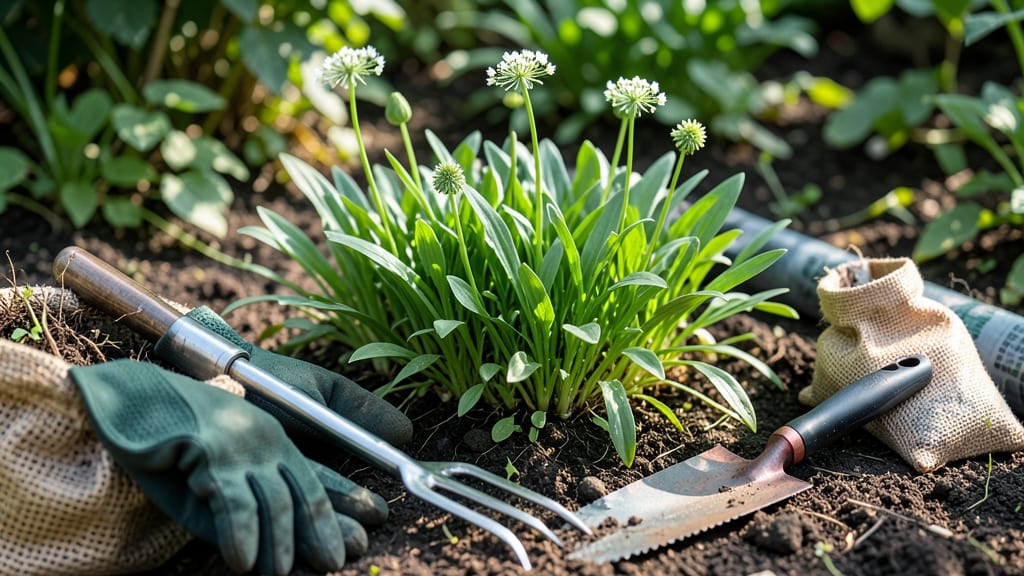
Wild onions in your lawn aren’t just ugly—they multiply like weeds on steroids. 🌱 I’ve wrestled with these stubborn invaders for years, and this vinegar-salt shock treatment finally gave me the upper hand by targeting their entire root system in one fell swoop.
The secret lies in timing and persistence: spray a homemade solution of white vinegar and salt on a dry, sunny afternoon, then repeat weekly until the grass recovers. Most people quit too soon—don’t. By week three, you’ll see the onions wither while your lawn stays green.
What you’ll end up with is a weed-free yard that stays that way, not just for summer but for good. The grass recovers faster than you’d expect, and the smell of fresh-cut lawn returns without those pesky onion fumes.
Works for any lawn size, from small patches to entire backyards. Here’s exactly how to do it without harming your grass—or your sanity.
Root Causes Of Lawn Invaders
Wild onions—those sneaky, grass-like weeds with a pungent aroma—don’t just appear out of nowhere. They thrive in lawns due to a mix of environmental factors, lawn care oversights, and even natural behaviors that make them hard to eradicate.
Understanding why they take over is the first step to stopping them for good. Let’s dig into the science behind their persistence.
Wild onions (like Allium vineale, or wild garlic) love specific soil conditions that many homeowners unintentionally create:
- Compacted or Poorly Drained Soil: Wild onions thrive in dense, compacted soil where water pools after rain. Their fibrous roots struggle in well-aerated soil but flourish in anaerobic (low-oxygen) zones. Why? Compacted soil limits competition from grasses, giving weeds a foothold. Test your soil’s compaction by pressing a screwdriver into the ground—if it won’t go past 1–2 inches, your lawn is a prime wild onion buffet.
- High-Nitrogen, Low-Organic Matter: While nitrogen fertilizers boost grass growth, they can also overstimulate wild onions. These weeds absorb excess nitrogen faster than turfgrass, outcompeting it. Actionable fix: Use slow-release, balanced fertilizers (like 10-10-10) and top-dress with compost to improve soil structure.
- pH Imbalances (Too Alkaline): Wild onions prefer slightly acidic to neutral soil (pH 6.0–7.0). If your lawn’s pH is above 7.5, it creates a perfect environment for them. Test it: Use a DIY pH kit or send a sample to your local extension office. If the pH is off, amend with sulfur (to lower pH) or peat moss (to raise it).
Even the healthiest lawns can fall prey to wild onions if basic maintenance is neglected. Here’s how:
- Thin or Patchy Grass: Wild onions exploit bare spots or thin grass like a vacuum. Why? Their seeds germinate in sunlight, while turfgrass struggles to fill gaps. Solution: Overseed bare areas in fall with a dense, competitive grass blend (like tall fescue or perennial ryegrass).
- Infrequent Mowing: Tall grass shades the soil, but it also traps moisture and creates ideal conditions for wild onion seeds to sprout. Rule of thumb: Mow regularly (3–4 inches tall) and never remove more than 1/3 of the blade height at once to avoid stressing the grass.
- Lack of Herbicide Preemption: Wild onions spread via bulbils (tiny bulb-like structures) and seeds. If you’ve ever pulled one and seen more pop up nearby, you’ve witnessed their aggressive reproduction. Without pre-emergent herbicides (applied in early spring), their seeds germinate unchecked.
Wild onions aren’t just stubborn—they’re strategic. Their survival tactics make them nearly impossible to eliminate without targeted action:
- Underground Bulbs and Bulbils: Each mature wild onion plant can produce 20–30 bulbils (mini-bulbs) that detach and sprout into new plants. Even if you pull the top growth, 90% of the plant’s energy is stored underground, ready to regrow. Pro tip: Dig deep (4–6 inches) when removing them to break the bulb network.
- Wind and Animal Assistance: Seeds and bulbils hitch rides on wind, mower blades, shoes, and even pets or wildlife. A single plant can disperse thousands of seeds per season, turning a small infestation into a full-blown invasion in 1–2 years.
- Dormancy and Persistence: Wild onion seeds can lie dormant in soil for up to 5 years, waiting for the perfect conditions to germinate. This means even if you eliminate visible plants today, new ones may emerge next spring if the soil conditions remain favorable.
💡 Key Takeaway: Wild onions don’t just invade lawns—they exploit them. By addressing soil health, filling grass gaps, and disrupting their life cycle (like with vinegar-salt treatments), you can starve them out before they take over. Stay tuned for actionable removal methods in the next section!
Eliminate Wild Onions Naturally
Wild onions may seem like a minor nuisance, but their tenacious roots and rapid spread can quickly turn your lush lawn into a patchwork of unwanted greenery. The good news? With the right approach, you can reclaim your yard—permanently.
Below, we break down targeted solutions based on the root cause of your wild onion problem, from manual removal to chemical-free shock treatments. Plus, we’ll share pro tips to keep them from staging a comeback.
If wild onions are just starting to pop up in isolated spots, physical removal is your first line of defense. This method works best in early spring or fall when the soil is moist, making it easier to extract those stubborn roots.
🔥 Step-by-Step: How to Pull Wild Onions
- Wet the Soil First 💦
- Water the area thoroughly 24 hours before pulling. This loosens the soil and makes the roots easier to grasp.
- Pro Tip: Use a garden hose or sprinkler to avoid over-saturating other plants.
- Grab and Twist 👨🍳 - Wear gloves—wild onions release allicin, a compound that can irritate skin and cause a garlic-like odor on your hands. - Grasp the onion bulb at the base and twist gently to pop it out of the ground.
Avoid breaking the root, as even a small piece can regrow.
- Inspect & Repeat 🔍
- Check the pulled bulb for tiny bulblets (baby onions) clinging to the roots. These can sprout into new plants if left behind.
- Dig around the hole to ensure no fragments remain.
- Dispose Properly ⏰
- Do NOT compost the pulled onions—they’ll just regrow. Instead, bag them and toss them in the trash or burn them (if local regulations allow).
🌡️ Smothering: The Low-Effort Alternative
If your lawn has thick grass, smothering is a hands-off way to starve wild onions of sunlight.
Here’s how: - Lay Down Cardboard or Newspaper 📰 - Cover the affected area with 2-3 layers of cardboard (avoid glossy paper—it won’t break down). - Wet the cardboard to help it stick to the soil. - Add Mulch or Straw 🌾 - Top with 2-3 inches of mulch (straw, wood chips, or even grass clippings) to block light. - Wait 4-6 Weeks ⏳ - The onions will decompose without sunlight.
Once the area is clear, reseed or replant.
When wild onions have taken over large sections of your lawn, a vinegar-salt spray delivers a one-two punch to kill both the foliage and roots. This method is chemical-free, budget-friendly, and highly effective when applied correctly.
🔪 DIY Vinegar-Salt Solution Recipe
You’ll need:
- 1 gallon of white vinegar (5% acetic acid)
- 1 cup of salt (non-iodized)
- 1 tbsp dish soap (as a surfactant to help the mixture stick)
Instructions:
- Mix in a Spray Bottle or Pump Sprayer 🍳
- Combine vinegar, salt, and dish soap in a plastic sprayer (metal can corrode from vinegar).
- Stir well until the salt dissolves.
- Apply on a Sunny Day ☀️
- Spray directly onto the wild onions, ensuring the leaves are fully saturated.
- Avoid spraying desirable plants—vinegar can harm grass and flowers.
- Reapply Every 3-5 Days ⏰
- Wild onions are tough, so repeat treatments are key. Keep spraying until the foliage turns brown and crispy (usually 10-14 days).
- Pull Remaining Roots 🌱
- After the plants die, dig up the entire root system to prevent regrowth.
✨ Why This Works
- Vinegar burns the foliage, depriving the plant of energy.
- Salt disrupts the soil’s moisture balance, dehydrating the roots.
- Dish soap helps the solution cling to the leaves for maximum absorption.
Once you’ve banished wild onions, prevention is your best tool to keep them from creeping back. Here’s how to fortify your lawn:
💡 Long-Term Prevention Tips
- Improve Soil Health 🌿
- Wild onions thrive in poor, compacted soil. Aerate your lawn in the fall to encourage deep grass roots, which outcompete weeds.
- Add compost or organic matter to enrich the soil naturally.
- Mow High & Regularly ⛎
- Keep your grass 3-4 inches tall—taller grass shades the soil, making it harder for wild onion seeds to germinate.
- Mow frequently to prevent seed heads from forming.
- Hand-Pull New Sprouts Early 🔍
- Make it a habit to inspect your lawn weekly in spring and fall. Pulling young onions is far easier than dealing with a full-blown invasion.
- Use Corn Gluten Meal 🌾
- Apply corn gluten meal (a natural pre-emergent herbicide) in early spring before wild onion seeds sprout. It’s safe for lawns and pets once established.
- Encourage Beneficial Grasses 🌱
- Plant dense, competitive grasses like tall fescue or Kentucky bluegrass. A thick lawn leaves little room for wild onions to take hold.
- Don’t Use Herbicides Lightly ⚠️ - Many broadleaf herbicides won’t kill wild onions because they’re not true weeds (they’re edible!). If you choose chemicals, opt for non-selective herbicides (like glyphosate) and spot-treat carefully. - Avoid Over-Fertilizing 🚫 - Wild onions love nitrogen-rich soil.
Stick to a balanced fertilizer (low in nitrogen) to discourage their growth. - Don’t Ignore Small Patches 🔥 - One wild onion plant can produce dozens of bulblets. Act fast to prevent an outbreak!
By combining manual removal, vinegar-salt treatments, and smart lawn care, you can eradicating wild onions for good—and enjoy a weed-free, lush green space all season long. 🌿✨
Frequently asked questions
Why do wild onions keep coming back after I pull them?
Wild onions spread through bulbils (tiny bulbs) and seeds that can lie dormant for years. Even a small root fragment left in the soil will regrow. Always dig 4-6 inches deep to remove the entire root system, and avoid composting the pulled plants. Pro tip: Check for hidden bulbils clinging to the roots before disposal.
Will vinegar kill my grass if I spray it on wild onions?
Yes, vinegar can harm grass, which is why it's best for spot-treating wild onions in non-lawn areas or using it carefully on thick grass. For lawns, apply the vinegar-salt mix only to the weeds and avoid overspray. If you miss grass, rinse the area immediately with water. For large lawns, consider smothering or manual removal instead.
How long does it take to completely eliminate wild onions?
With consistent effort, you can see significant results in 4-6 weeks using the vinegar-salt method. However, complete eradication may take 1-2 seasons because dormant seeds can sprout later. Combine treatments with prevention strategies like corn gluten meal and regular lawn maintenance for the best long-term results. Patience is key!
Can I use boiling water instead of vinegar to kill wild onions?
Boiling water can work for small patches, but it's less effective than vinegar-salt because it doesn't penetrate the soil to kill underground bulbs. For best results, pour 1 quart of boiling water directly onto the base of each plant, then follow up with manual removal. Repeat weekly until the area is clear. Be cautious with nearby plants and pets.
What's the best time of year to treat wild onions?
Early spring (March-April) and fall (September-October) are ideal because the soil is moist and wild onions are actively growing. Avoid treating in extreme heat or drought conditions, as the plants may be dormant. For chemical-free methods, aim for mild, sunny days to maximize effectiveness. Timing matters more than you might think!