
Lawn
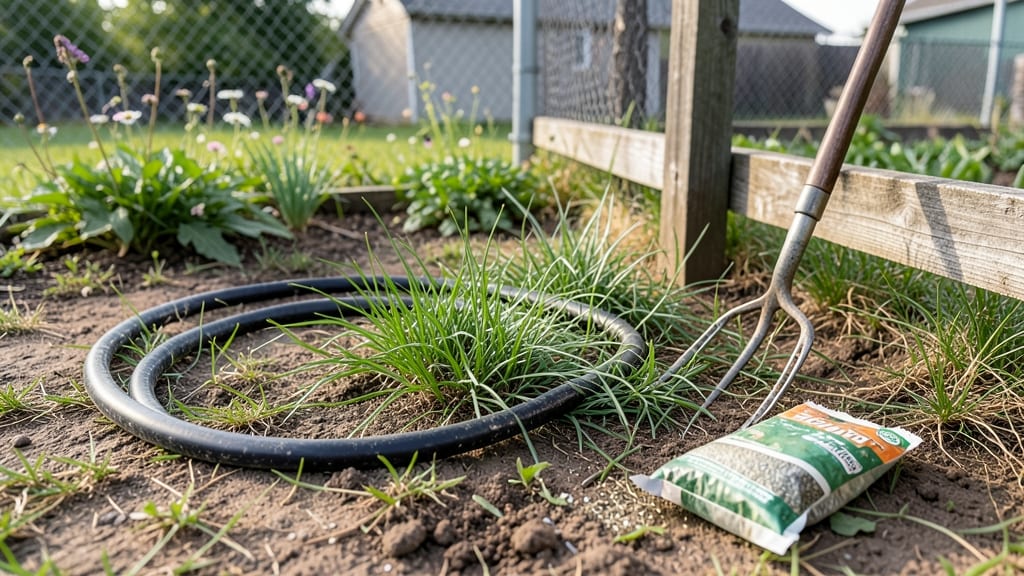
Your new lawn growing in patches isn’t a lost cause—it’s a fixable frustration. 🌱 I’ve seen bare spots transform into thick, green carpets with the right approach, and I’ll show you how in just a few steps. The secret? Addressing the root causes before they become permanent problems.
Common culprits include compacted soil that smothers roots, uneven watering that dries out seeds, or poor-quality seed that struggles to germinate. Even small issues like foot traffic or shade from nearby trees can create those unsightly gaps.
The good news? Each problem has a simple solution—starting with proper soil prep and smart seeding techniques.
You’ll end up with a lawn so even and lush that neighbors will ask for your secret. Within 4-6 weeks, those patches will fill in with grass that’s thicker than ever, and you’ll finally have the green space you envisioned.
The key is consistency—watering right, mowing at the perfect height, and keeping an eye out for pests.
This method works for new lawns and reviving old ones, whether you’re dealing with clay soil, sandy patches, or just inconsistent growth. Let’s get those seeds sprouting evenly—no more guessing games.
Understanding Patchy New Lawns
A patchy new lawn isn’t just an eyesore—it’s a sign that something’s disrupting your grass’s ability to grow uniformly. Whether you’ve just seeded or laid sod, uneven growth can stem from a mix of environmental, biological, and even human factors.
Below, we break down the real culprits behind those frustrating bare spots, so you can diagnose (and fix!) the issue fast.
Before grass can thrive, it needs a solid, nutrient-rich foundation. If your soil is compacted, uneven, or lacks organic matter, seeds or sod won’t establish roots properly, leading to patchy growth.
- Compaction Issues: Heavy foot traffic, construction equipment, or even rain can squeeze soil particles together, reducing airflow and water absorption. Roots struggle to penetrate, causing sparse growth in compacted areas. - Fix: Aerate before seeding or laying sod to loosen the soil.
Use a core aerator for best results. - Uneven Soil Levels: Dips or mounds in your yard create microclimates—some areas stay too wet, others dry out too fast. Grass seeds need consistent moisture to germinate. - Fix: Level the ground with topsoil (2–4 inches deep) before planting.
Test soil pH (ideal: 6.0–7.0) and amend with compost or lime if needed. - Lack of Organic Matter: Soil without compost or aged manure lacks the nutrients and microbes grass roots need to anchor and grow. - Fix: Mix in 2–4 inches of compost or well-rotted manure before seeding.
This boosts water retention and microbial activity.
Water is the lifeblood of new grass, but inconsistent watering is a top cause of patchy growth. Seeds need constant moisture (not soggy or dry conditions) to germinate, while sod requires deep, even hydration.
- Inconsistent Moisture: Skipping watering days or uneven sprinkler coverage leads to some areas drying out while others rot. - Fix: Water lightly but frequently (2–3 times daily for 5–10 minutes) for seeds. For sod, water deeply 1–2 times daily (1 inch total per week).
Use a sprinkler with adjustable nozzles to cover all zones evenly. - Overwatering: Poor drainage causes water to pool, suffocating roots and inviting fungal diseases like damping-off (which kills seedlings). - Fix: Test drainage by digging a 6-inch hole—if water doesn’t drain in 4–6 hours, amend with sand or gypsum. - Underwatering: New grass wilts quickly without enough water.
Sod can dry out within hours in hot sun. - Fix: Check soil moisture daily—top 1–2 inches should stay damp (not muddy). Use a soaker hose for targeted hydration.
Even the healthiest lawn can fall victim to insects, fungi, or weeds that outcompete or devour your new grass. These invaders thrive in stressed soil or after disturbances like seeding.
- Grubs & Insects: White grubs, chinch bugs, and armyworms chew roots, causing brown patches that pull up easily. - Fix: Apply neem oil or beneficial nematodes preventively.
For grubs, use milky spore or grub-specific insecticides early in the season. - Fungal Infections: Damping-off (gray mold on seedlings) or brown patch (circular dead spots) spread in damp, shaded areas. - Fix: Improve airflow with proper spacing (1–2 inches between seeds).
Fungicides like copper-based sprays can help, but prevention (avoiding overhead watering) is key. - Weed Competition: Crabgrass, clover, or nutsedge steal water and nutrients from young grass. - Fix: Pre-emergent herbicides (applied before weeds sprout) or hand-pulling small weeds.
For dense weed patches, smother with cardboard + mulch before seeding.
Not all grass seeds or sod are created equal—and planting at the wrong time can doom your lawn before it starts.
- Wrong Grass Type for Your Climate: Cool-season grasses (like Kentucky bluegrass) struggle in hot, dry summers, while warm-season grasses (like Bermuda) won’t survive frost. - Fix: Choose native or adapted grass varieties for your USDA hardiness zone.
Mix cool + warm-season seeds for year-round coverage. - Planting Too Late or Early: Seeds need consistent soil temps (50–65°F for cool-season, 65–75°F for warm-season) to germinate. - Fix: Spring (March–May) or fall (August–October) are ideal for most regions.
Avoid summer heat or winter frosts. - Thin or Uneven Seed Distribution: Skimping on seed or uneven spreading leads to clumps and bare spots. - Fix: Use a broadcast spreader and apply 2–3 times the recommended rate (seeds are small!). Rake lightly to ensure contact with soil.
Even with perfect care, extreme weather or poor site conditions can halt grass growth.
- Excessive Heat/Drought: New grass burns out in 90°F+ temps without shade or irrigation. - Fix: Mulch seeds with straw to retain moisture. Water early morning to reduce evaporation. - Too Much Shade: Most grasses need 4–6 hours of sun daily.
Deep shade (under trees) slows growth or kills seedlings. - Fix: Choose shade-tolerant grasses like fine fescue or zoysia.
Thin tree canopies if possible. - Soil Temperature Fluctuations: Cold nights or hot days can shock seeds, delaying germination. - Fix: Use row covers or black plastic mulch to stabilize soil temps in extreme climates.
Sometimes, the patchiness comes from installation mistakes that go unnoticed until it’s too late.
- Sod Laid Incorrectly: Gaps between sod pieces or overlapping edges create dry lines where grass won’t grow. - Fix: Stagger sod seams like brickwork.
Press edges firmly into soil to eliminate gaps. - Seeds Buried Too Deep: Seeds need light to germinate—burying them deeper than ¼ inch suffocates them. - Fix: Lightly rake seeds into soil (no deeper than 1/8 inch for fine grasses). - Fertilizer Burn: Over-fertilizing new grass burns roots, causing yellow or dead patches. - Fix: Use half-strength starter fertilizer (high in phosphorus) only after germination.
Wait 4–6 weeks before full-strength feedings.
Fix Patchy Lawn Growth Fast
A new lawn growing in patches can be frustrating, but the good news is that most issues have simple, effective fixes. Below, we’ll break down the most common causes of uneven growth and provide step-by-step solutions—plus tips to keep your lawn thriving long-term.
If your lawn has thin or bare patches, the fastest way to fill them is with seed or sod, depending on your timeline and budget.
🔥 Quick Fix: Overseeding (Best for Small Patches)
- Prep the Soil 🌱
- Loosen the soil in the bare spots with a rake or garden fork to break up compacted areas.
- Remove any debris, weeds, or dead grass.
- Choose the Right Seed 🌾
- Pick a grass seed blend that matches your existing lawn type (cool-season or warm-season).
- For fast results, opt for fast-germinating seeds like annual ryegrass (cool season) or Bermuda grass (warm season).
- Spread the Seed Evenly 📏
- Use a spreader or hand-sow seeds at the rate recommended on the package.
- Lightly rake the seeds into the soil (about ¼ inch deep).
- Water Gently but Frequently 💦
- Keep the soil moist (not soggy) for the first 2–3 weeks—water lightly 2–3 times daily if needed.
- Once sprouts appear, water deeply 1–2 times per week to encourage root growth.
🍳 Fast Fix: Sodding (Best for Large Patches or Instant Results)
- Measure & Cut 📐
- Measure the bare area and cut sod pieces slightly larger than the patch.
- Use a sharp knife to trim sod edges neatly.
- Lay the Sod 🛠️
- Place sod pieces tightly together, staggering seams like brickwork.
- Press edges firmly into the soil to eliminate gaps.
- Water Immediately 💧
- Water deeply right after installation to help roots establish.
- Keep soil moist for the first 2 weeks, then taper to 1 inch per week.
✨ Pro Tip: If seeding, consider a starter fertilizer to boost early growth. For sod, wait 2–3 weeks before fertilizing to avoid burning new roots.
Overwatering or underwatering can create stress patches where grass struggles to grow evenly.
💡 Adjust Your Watering Routine
| Problem | Solution | Prevention Tip |
|---|---|---|
| Dry, Crunchy Patches | Water deeply 1–2 times per week (early morning is best). | Install a rain gauge to track moisture. |
| Soggy, Mushy Areas | Reduce frequency; let top 1–2 inches of soil dry between waterings. | Improve drainage with sand or compost. |
| Uneven Water Absorption | Aerate compacted soil and top-dress with sand or compost. | Aerate once a year in spring/fall. |
🔥 Quick Test: Stick a screwdriver into the soil—if it goes in easily, you’re overwatering. If it pops out dry, you need more water.
Weeds and moss thrive in weak or shaded areas, crowding out your lawn.
🌿 Kill Weeds & Moss Naturally
- Hand-Pull or Spot-Treat 🪴
- For dandelions or clover, pull weeds when soil is moist (grasp at the root).
- Use a vinegar-based herbicide (1:1 vinegar + water) for stubborn weeds—avoid on desired grass.
- Improve Sunlight & Airflow ☀️
- Trim nearby trees/shrubs to let more sunlight reach the lawn.
- Aerate to reduce thatch buildup, which moss loves.
- Apply Lime (For Moss) 🧪
- Moss thrives in acidic soil—sprinkle garden lime and water thoroughly.
- Reapply once a year if moss returns.
✨ Pro Tip: A thick, healthy lawn is the best weed/moss deterrent—fertilize 2–3 times per year for lush growth.
If your soil is too sandy, clay-heavy, or nutrient-poor, grass won’t grow evenly.
📊 Test & Improve Soil in 3 Steps
- Get a Soil Test 🧪
- Use a DIY test kit (available at garden centers) or send a sample to a local extension office.
- Check for pH (ideal: 6.0–7.0 for most grasses) and nutrient levels.
- Amend the Soil 🌱
- Clay soil? Mix in compost or sand to improve drainage.
- Sandy soil? Add peat moss or compost to retain moisture.
- Acidic soil? Apply lime to raise pH.
- Alkaline soil? Use sulfur or pine needles to lower pH.
- Fertilize Smartly 💪
- Use a balanced fertilizer (10-10-10) in spring and fall.
- For new lawns, a slow-release fertilizer helps steady growth.
💡 Pro Tip: Top-dress with ½ inch of compost in spring to feed soil naturally.
Once your lawn fills in, keep it thick and resilient with these habits:
- Mow high (3–4 inches) to shade out weeds.
- Sharpen mower blades for clean cuts (dull blades tear grass).
- Aerate annually to prevent compaction.
- Water deeply but infrequently (1–1.5 inches per week).
- Fertilize seasonally (spring, summer, fall).
By tackling the root cause of your patchy lawn—whether it’s poor seeding, watering issues, weeds, or soil problems—you’ll see even, lush growth in just a few weeks. Start with one fix, monitor progress, and adjust as needed! 🌿💚
Frequently asked questions
Why does my new lawn have patches even after watering regularly?
Patchy growth often happens when soil conditions vary across your yard. Compacted soil or uneven levels can create microclimates where seeds struggle to germinate. Test your soil pH (ideal 6.0-7.0) and check for drainage issues—water pooling in some areas while others dry out too fast. Aerating before seeding and leveling the ground can solve this in 2-3 weeks.
Can I fix patchy grass by just adding more fertilizer?
Not usually—fertilizer alone won't solve patchiness. Over-fertilizing can actually burn young roots, making problems worse. First address soil quality (add compost or lime if needed) and watering consistency. Only after the soil is healthy should you use a balanced starter fertilizer (like 10-10-10) at half-strength. Too much too soon kills grass!
How long should I wait before overseeding bare spots?
For new lawns, wait until the existing grass reaches 3 inches tall before overseeding (usually 4-6 weeks after initial planting). This gives roots time to establish. If you're fixing an established lawn, overseed in early fall when temperatures are ideal (50-65°F) and weeds are less competitive. Spring works too, but shade from trees can delay germination.
What's the fastest way to fill large bare patches?
For quick results, sodding is your best bet—it establishes instantly. Measure the bare area, cut sod pieces slightly larger, and lay them with ½-inch gaps between seams. Water deeply daily for 2 weeks to help roots knit. For smaller patches, use fast-germinating seed blends like annual ryegrass (cool season) or Bermuda (warm season) with daily light watering for 3 weeks.
Will my patchy lawn ever look completely even?
With proper care, yes! Even the most uneven lawns can fill in completely within 3-6 months. The key is consistency: regular watering (1 inch per week), proper mowing height (3-4 inches), and seasonal soil testing. Some natural variations will remain, but they'll blend beautifully once the grass matures. Think of it as creating a living tapestry rather than a perfect carpet.