
Lawn
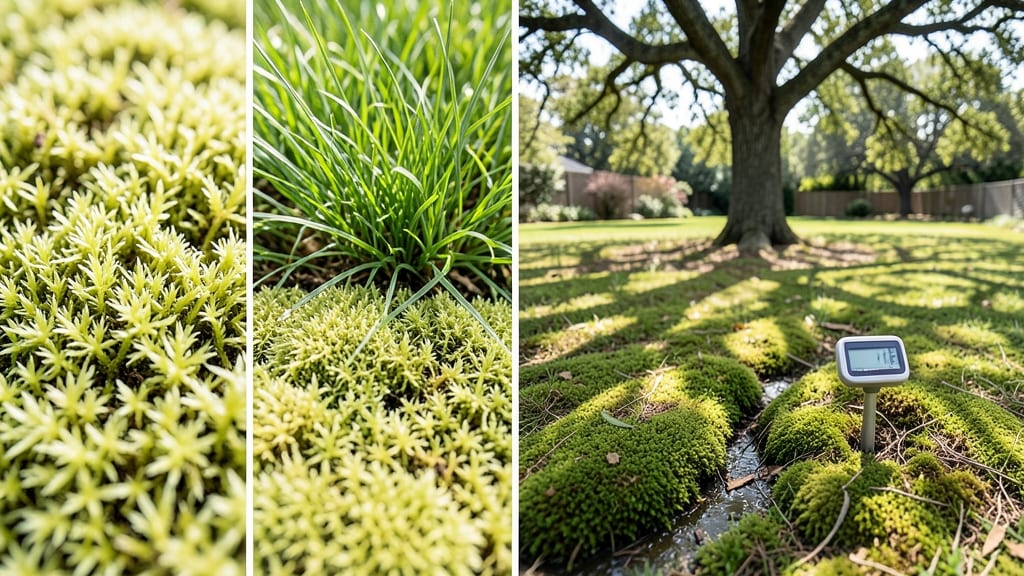
Moss in grass lawns isn't just unsightly—it's a sign your lawn is begging for better care. 🌱 I've turned my own patchy, moss-dominated yard into a lush, green carpet using just three straightforward steps that work without harsh chemicals. The real culprit?
Compacted soil, poor drainage, or too much shade—moss thrives where grass struggles. Most people panic and reach for herbicides, but the best fix starts with improving your lawn's health. Aerate, overseed, and adjust watering, and you'll crowd out moss naturally.
You'll see real progress in as little as 4-6 weeks with consistent care: thicker grass roots that compete with moss, better soil structure, and a lawn that looks vibrant year-round. The secret isn't fighting moss—it's making your grass stronger than it ever was.
This method works for any lawn, from sunny backyards to shady corners. Let's get your grass back in control—without the guesswork.
Understanding the Roots of Lawn Moss
Moss thriving in your grass isn’t just an aesthetic nuisance—it’s a sign your lawn is sending you a message. Unlike grass, which relies on deep roots for nutrients and water, moss is a non-vascular plant that thrives in shallow, damp conditions.
When it takes over, it’s often because your lawn’s environment has shifted in ways that favor moss over grass. Let’s break down the key triggers behind this shift, so you can address the real issues at play.
Moss loves wet feet—literally. If your lawn sits in water after rain or irrigation, moss spores germinate and spread rapidly. Unlike grass roots, moss doesn’t need deep soil penetration; it thrives in surface moisture.
Over time, poor drainage compacts the soil, reducing oxygen flow and suffocating grass roots while creating the perfect moss habitat.
Why it happens:
- Clay-heavy soil acts like a sponge, absorbing water but releasing it slowly, leaving the surface soggy.
- Slope issues (flat or low-lying areas) prevent water from flowing away, pooling in spots where moss loves to grow.
- Overwatering keeps the top layer of soil perpetually damp, signaling moss to colonize.
Actionable fix: Test your soil’s drainage by digging a 6-inch hole, filling it with water, and timing how long it takes to drain. If it’s slower than 4 hours, your lawn may need soil amendments like sand or organic matter to improve aeration.
Grass is a sun-worshipper. Most turfgrasses need 4–6 hours of direct sunlight daily to photosynthesize and stay healthy. In shady spots—under trees, fences, or buildings—grass weakens, while moss, which can survive with as little as 2–4 hours of light, moves in like an opportunist.
Why it happens:
- Large trees with dense canopies block 70%+ of sunlight, creating permanent shade.
- Newly planted grass in shady areas grows slowly, leaving gaps for moss to fill.
- Evergreen shrubs or structures cast year-round shade, preventing grass recovery.
Actionable fix: If shade is unavoidable, choose shade-tolerant grass varieties like fine fescue or creeping red fescue. For extreme shade, consider moss-friendly ground covers or mulch instead of grass.
Heavy foot traffic, machinery, or even natural soil settling over time can compact the top layer of soil. Compacted soil reduces oxygen and water penetration, strangling grass roots while creating a dense, moisture-rich surface—ideal for moss.
Why it happens:
- High foot or pet traffic compresses soil, breaking down soil structure.
- Heavy equipment (lawnmowers, aerators) can compact soil if used improperly.
- Clay or silt-heavy soil compacts more easily than sandy loam.
Actionable fix: Aerate your lawn in spring or fall using a core aerator to pull out small soil plugs, allowing air, water, and nutrients to reach grass roots. Follow up with topdressing (a thin layer of compost or sand) to improve soil structure.
Moss prefers acidic soil (pH 4.5–6.0), while most grasses thrive in neutral to slightly acidic soil (pH 6.0–7.5). If your lawn’s pH drops too low, grass struggles to absorb nutrients, leaving it weak and vulnerable to moss invasion.
Why it happens:
- Natural soil composition (e.g., peat or organic matter-rich soil) can be inherently acidic.
- Overuse of nitrogen fertilizers (especially ammonium-based) can acidify soil over time.
- Decomposition of fallen leaves or pine needles adds organic acids, lowering pH.
Actionable fix: Test your soil’s pH with a home test kit or send a sample to a local extension office. If pH is below 6.0, apply lime (calcium carbonate) in early fall to raise it gradually. Avoid quick fixes like wood ash, which can disrupt nutrient balance.
Moss doesn’t just replace grass—it exploits weaknesses. If your lawn is thin, patchy, or recovering from stress (drought, disease, or poor maintenance), moss spores latch onto bare soil like a vacuum. Without a competitive grass cover, moss spreads unchecked.
Why it happens:
- Improper mowing (cutting too short or unevenly) weakens grass.
- Nutrient deficiencies (lack of nitrogen, phosphorus, or potassium) stunt growth.
- Disease or pest damage creates bare spots where moss takes root.
- Slow seed germination (due to weather or poor seed quality) leaves gaps for moss.
Actionable fix: Overseed bare areas with a high-quality grass seed blend matched to your climate. Use a starter fertilizer to boost early growth, and keep the soil consistently moist (but not soggy) until grass fills in.
Revive Your Lawn Naturally
Moss in your grass lawn isn’t just an eyesore—it’s a sign your lawn needs a little TLC. The good news? With the right approach, you can restore a lush, green lawn while keeping it healthy and resilient.
Below, we’ve mapped out practical, step-by-step solutions tailored to the most common causes of moss overgrowth. Plus, we’ll share prevention tips to keep your lawn thriving long-term.
---
Moss thrives where grass struggles—especially in shady, poorly drained, or compacted areas. If your lawn has thin grass in these spots, moss will take over. Here’s how to outcompete it:
#### 🔥 Loosen the Soil & Improve Drainage - Aerate aggressively (rent a core aerator or use a manual spike aerator for small areas). Focus on compacted spots where moss is thickest. - Top-dress with sand or compost (50/50 mix) to improve drainage and aeration.
Spread a ¼-inch layer over the area and lightly rake in. - 💡 Pro Tip: If your soil is clay-heavy, mix in coarse sand to break up compaction. For sandy soil, add organic matter (like peat moss or compost) to retain moisture for grass roots.
#### 🌿 Plant Shade-Tolerant Grass Moss won’t stand a chance if you thicken the grass canopy. Try these low-maintenance, shade-friendly grasses: - Fine Fescue (drought-tolerant, thrives in shade) - Creeping Red Fescue (dense growth, outcompetes moss) - Kentucky Bluegrass (if you get 4+ hours of sunlight)
How to seed: 1. Overseed in fall (ideal for cool-season grasses). 2. Use a drop spreader for even coverage. 3. Lightly rake to ensure seed-to-soil contact. 4. Water gently (keep soil moist for 2-3 weeks).
#### ⏰ Long-Term Maintenance - Mow high (3-4 inches) to shade out moss and strengthen grass. - Avoid heavy foot traffic in shady areas—compacted soil = moss paradise. - Test soil pH (moss loves acidic soil).
If pH is below 6.0, apply lime to raise it to 6.5-7.0.
---
Moss loves wet, soggy conditions—whether from overwatering, poor drainage, or a high water table. Fix these issues to dry out moss and encourage grass growth.
#### 🍳 Improve Drainage Fast - Check for low spots where water pools.
Fill them with sand or gravel before reseeding. - Install a French drain if water sits for more than 6 hours after rain. - 🔥 For clay soil: Dig 1-inch-deep trenches every 3-4 feet, fill with gravel, and cover with soil to redirect water.
#### 👨🍳 Adjust Your Watering Schedule - Water deeply but infrequently (1-1.5 inches per week, including rain). - Water in the morning (before 10 AM) to reduce evaporation and fungal risks. - Avoid daily light watering—this keeps moss happy and grass weak.
#### 🌡️ Dry Out Moss Naturally - Skip watering for 1-2 weeks in mossy areas (if soil isn’t bone-dry). Grass will go dormant, but moss will brown and die. - Use a stiff rake to remove dead moss after it dries out.
---
Moss loves acidic, low-nitrogen soil, while grass prefers a neutral pH (6.5-7.0) with balanced nutrients. Restore the right conditions with these fixes:
#### 🔪 Adjust pH with Lime - Test your soil (use a DIY kit or send a sample to a local extension office). - If pH is below 6.0, apply pelletized lime (follow package rates for your lawn size). - 💡 Pro Tip: Apply lime in early fall—it takes 2-3 months to adjust pH.
#### 🥗 Fertilize for Grass, Not Moss Moss doesn’t need much—grass does. Use a slow-release, nitrogen-rich fertilizer (like 20-0-5) in early spring and fall. - Avoid high-phosphorus fertilizers (moss loves phosphorus). - Follow label rates—over-fertilizing can burn grass and feed weeds.
#### ✨ Boost Organic Matter - Spread compost (¼ inch) over the lawn in spring or fall. - Use a lawn top-dresser to work it into the soil. - Mulch grass clippings (never bag them!) to return nutrients to the soil.
---
Once you’ve kicked moss to the curb, keep it from coming back with these low-effort habits:
| Problem | Solution | How Often | |---------------------------|---------------------------------------|------------------------| | Thin grass patches | Overseed bare spots (fall or spring) | Every 1-2 years | | Shady areas | Plant fine fescue or creeping red fescue | One-time seeding | | Compacted soil | Aerate once a year (fall best) | Annual | | Acidic soil | Apply lime every 2-3 years | Biennial | | Poor drainage | Check for low spots after rain | After heavy rains | | Overwatering | Water deeply 2x/week (not daily) | Seasonal adjustment|
--- Final Thought: Moss doesn’t stand a chance when your lawn is thick, well-drained, and properly fed. Start with the fixes that match your lawn’s biggest issues, then stick to a simple maintenance routine to keep grass in control.
Before you know it, you’ll have a lush, moss-free lawn that’s the envy of the neighborhood! 🌿✨
Frequently asked questions
Why does moss grow in my lawn even after I mow regularly?
Moss thrives where grass struggles, so regular mowing alone won't stop it. The real issues are usually shade, poor drainage, or compacted soil—all conditions that weaken grass roots. If your lawn gets less than 4-6 hours of sunlight daily or has soggy spots after rain, moss will keep coming back. Focus on improving soil health and choosing shade-tolerant grass varieties instead.
Is it safe to use vinegar to kill moss in my lawn?
Vinegar can work as a spot treatment, but it's not ideal for whole lawns. A 5% acetic acid solution (1 part white vinegar to 1 part water) will kill moss on contact, but it also temporarily weakens grass. For best results, apply it to mossy areas in late summer when grass is dormant, then overseed immediately. Avoid using it if your lawn has thin grass coverage.
How long does it take to see results after aerating and overseeding?
With proper care, you'll start seeing improvement in 4-6 weeks. New grass seeds typically germinate within 7-14 days if kept consistently moist, and you should notice thicker grass filling in mossy patches within 6-8 weeks. The key is patience—moss removal is a process that requires maintaining healthy grass through regular watering, mowing, and fertilization.
Can I walk on my lawn right after treating moss with natural methods?
Wait at least 24-48 hours after applying any treatment, including natural options like corn gluten meal or iron-based products. For overseeded areas, avoid walking on them for 4-6 weeks to allow new grass roots to establish. Compacted soil from foot traffic will just give moss another chance to grow back.
What's the best time of year to tackle moss in my lawn?
Fall is the ideal season for moss removal and lawn restoration. Grass seeds germinate best in cool weather (60-75°F), and moss is less aggressive when temperatures drop. Aim to aerate, overseed, and apply lime in September-October. For spring lawns, focus on these tasks in early spring (March-April) before summer heat sets in.