
Lawn
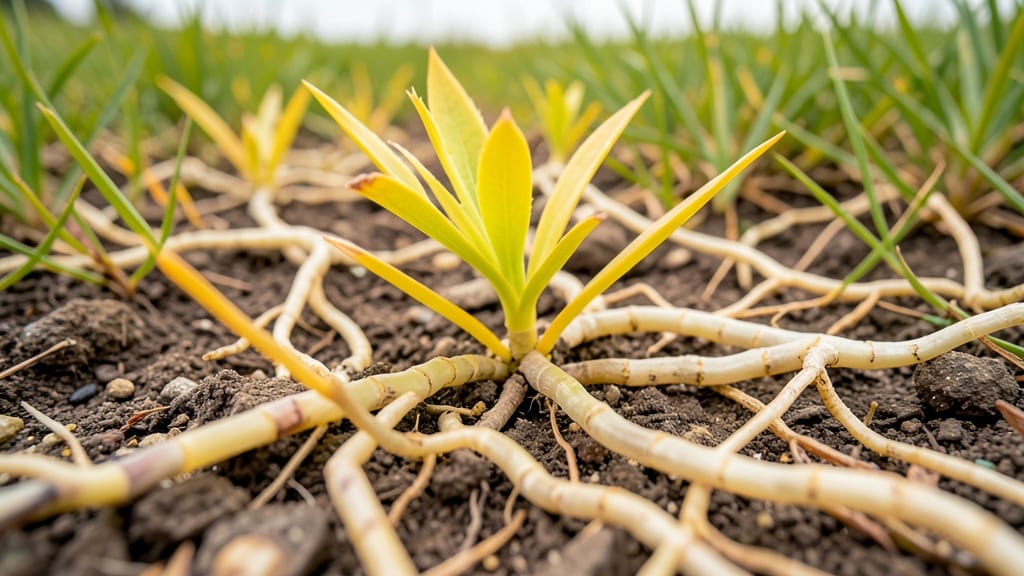
Virginia’s humid subtropical climate creates the perfect breeding ground for stubborn lawn weeds. Identifying these invaders early and using targeted natural removal methods can save you hours of backbreaking work—and keep your lawn lush year-round.
Creeping Charlie Identification and Vinegar Spray Solution
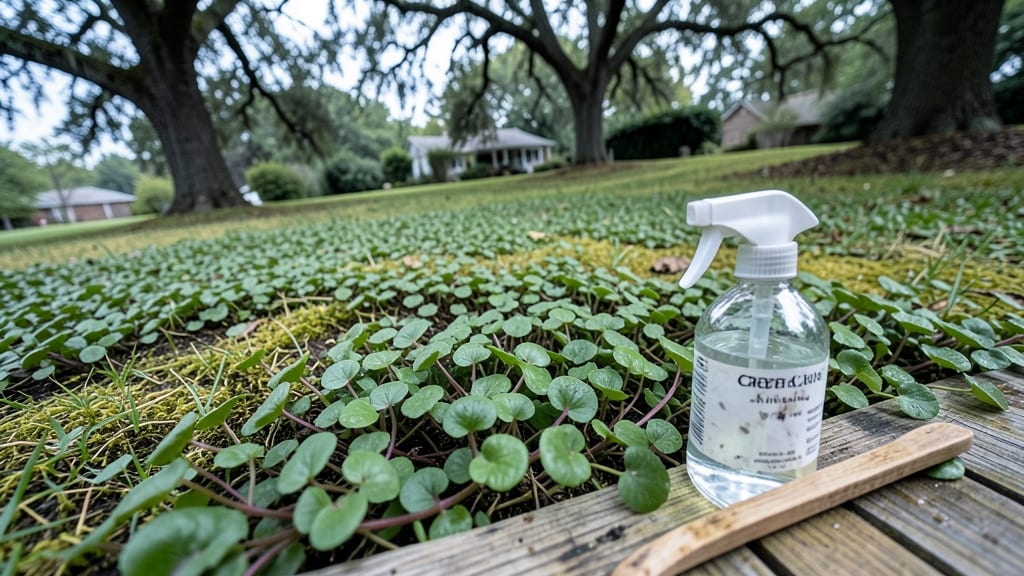
If your shaded lawn looks like a Creeping Charlie carpet, don’t panic—this aggressive weed has a weakness: vinegar spray. Unlike chemical herbicides, this natural solution targets only the weed while preserving grass roots, making it perfect for Virginia’s damp, shaded areas.
Mix 1 part white vinegar with 3 parts water in a spray bottle, then apply on warm, dry days (morning or late afternoon) for best results. The acetic acid disrupts the weed’s cell structure within hours. For stubborn patches, reapply every 3-5 days until the leaves turn brown and crispy. This method works best when combined with regular mowing to prevent seed spread.
Lawn owners with shady patches or those avoiding chemicals will find this solution both effective and eco-friendly. Just avoid spraying on windy days to prevent drift onto nearby plants. 💚
Dandelion Root Extraction with Corn Gluten Meal
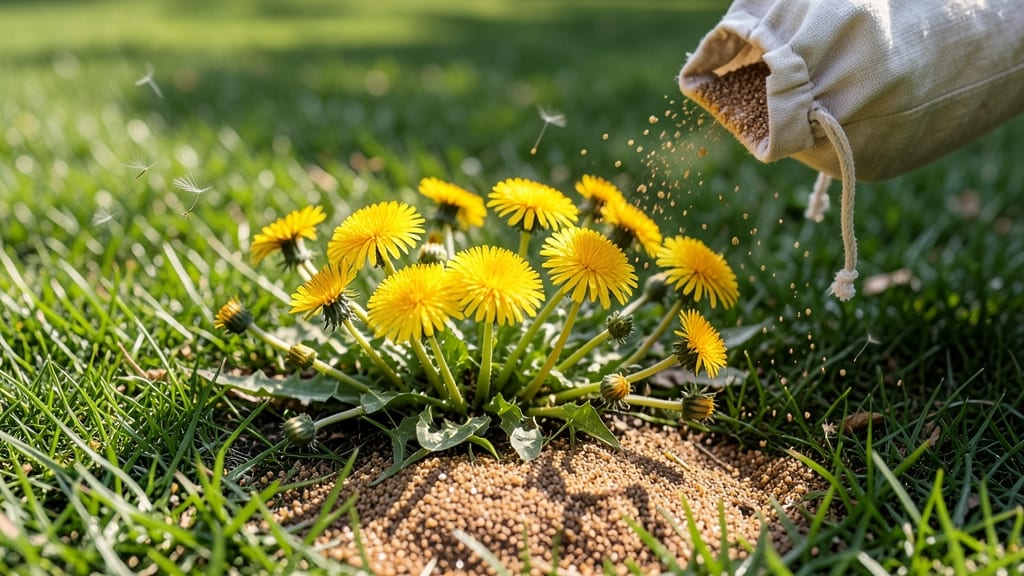
Tired of dandelions popping up like unwanted confetti in your lawn? The key to organic dandelion control lies in a two-step strategy that stops them before they start—and removes every last root when they do.
First, apply corn gluten meal in early spring or fall to prevent dandelion seeds from germinating. This natural pre-emergent works by disrupting seedling growth while enriching your soil with nitrogen. For existing dandelions, use a dandelion digger (a fork-like tool) to extract the entire taproot—down to 6-8 inches deep—to prevent regrowth. The deeper you dig, the fewer dandelions you’ll see next year.
This method is perfect for Virginia gardeners committed to chemical-free lawns and those who want to avoid the frustration of persistent dandelion regrowth. With consistent effort, you’ll enjoy a cleaner lawn without harsh herbicides. 🌻
Crabgrass Prevention with Boiling Water Treatment
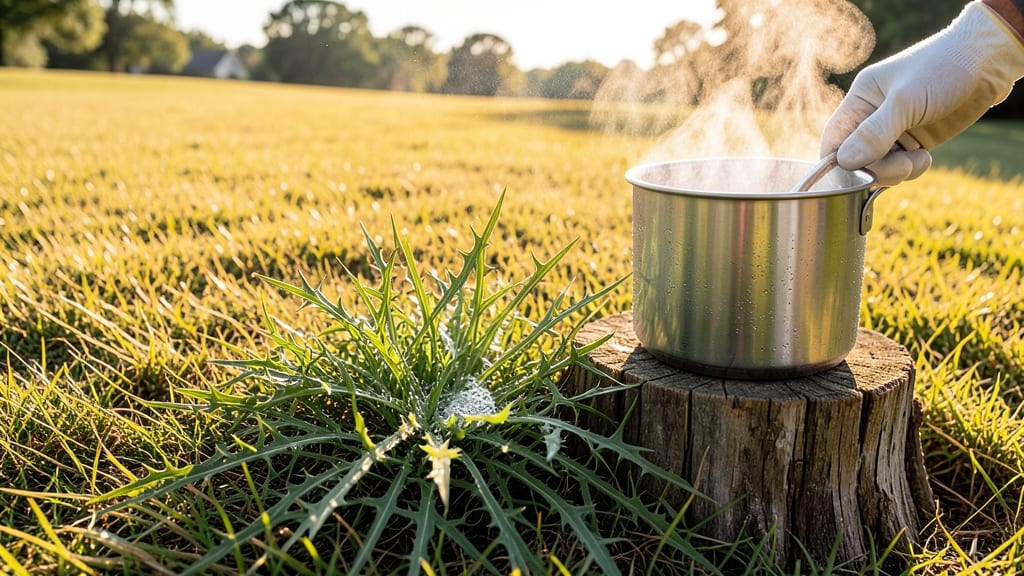
If your sunny Virginia lawn is battling crabgrass, boiling water might be your secret weapon. This summer weed thrives in warm, open spaces—making it perfect for a quick, chemical-free elimination method that works within minutes.
Simply boil a pot of water, then pour it directly onto crabgrass clumps when they first appear. The high temperature kills the plant instantly, including its roots, without harming surrounding grass. For long-term prevention, maintain a 3-inch mowing height—this shades the soil and blocks sunlight that crabgrass seeds need to germinate.
This method is ideal for eco-conscious homeowners and busy families who want a fast, effective solution without harsh chemicals. Plus, it’s free and uses tools you likely already have at home! 💪
Nutsedge Control Using Saltwater Solution
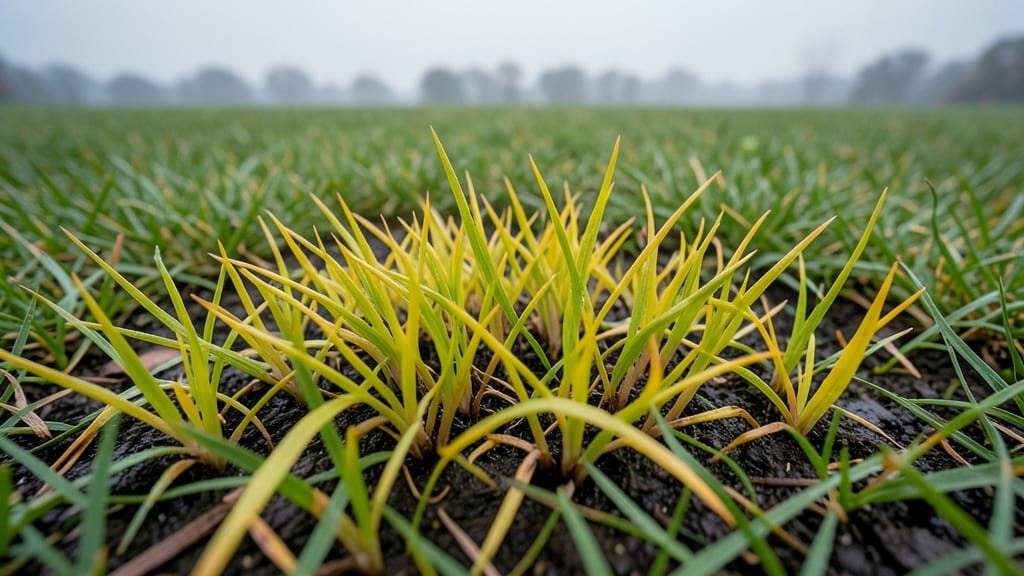
If your Virginia lawn looks like it’s fighting a losing battle against yellow nutsedge, you’re not alone—this aquatic-like weed thrives in the state’s damp, humid conditions. Unlike grass, nutsedge spreads via underground rhizomes, making it nearly impossible to eliminate with standard mowing or herbicides.
For a chemical-free solution, mix 1 cup of salt with 1 gallon of water in a spray bottle and apply directly to the nutsedge leaves and soil. The high salinity disrupts the weed’s cellular processes, dehydrating it over time. Repeat this treatment weekly until the nutsedge stops regrowing—typically within 3-4 weeks of consistent application.
This method is especially effective for homeowners with organic lawns or those who prefer non-toxic solutions. Just avoid spraying near desirable plants, as salt can harm grass and flowers too. With persistence, you’ll reclaim your lawn without harsh chemicals. 💪
Clover Elimination with Manual Pulling and Soil Testing
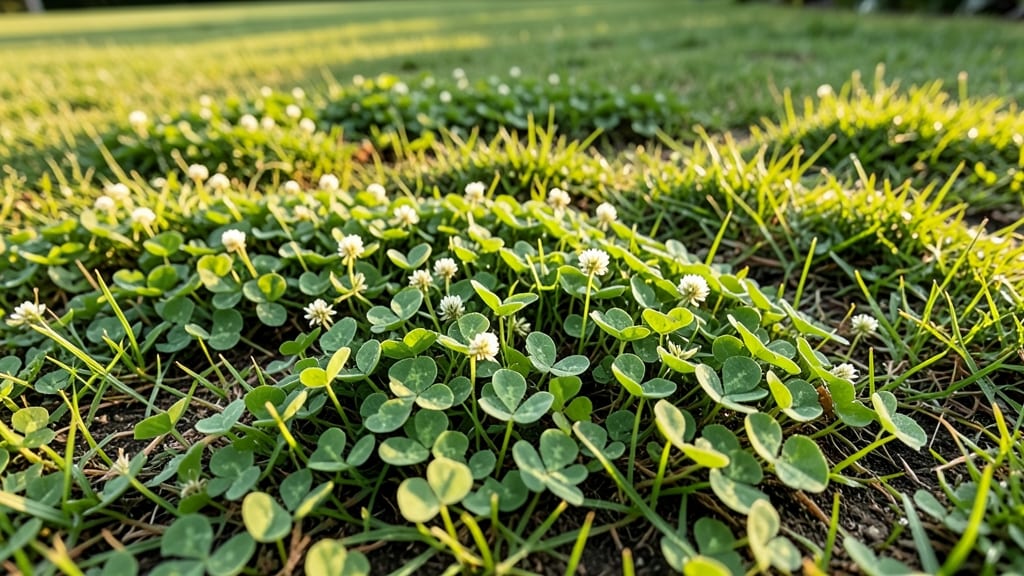
That patchy, green carpet of white clover might seem harmless, but it’s actually stealing nutrients from your grass and spreading aggressively. The good news? Clover improves soil health by fixing nitrogen, but if your lawn looks more like a meadow than a manicured yard, it’s time to act.
Pull clover by hand when the soil is moist (early morning or after rain) to avoid breaking the taproot. Test your soil afterward—if it’s nitrogen-rich, skip fertilizers and instead overseed with tall fescue, a shade-tolerant grass that thrives in Virginia’s climate. This two-step process restores your lawn’s density while keeping the soil healthy. 🌱
Henbit Weed Removal with Pre-Emergent Granules
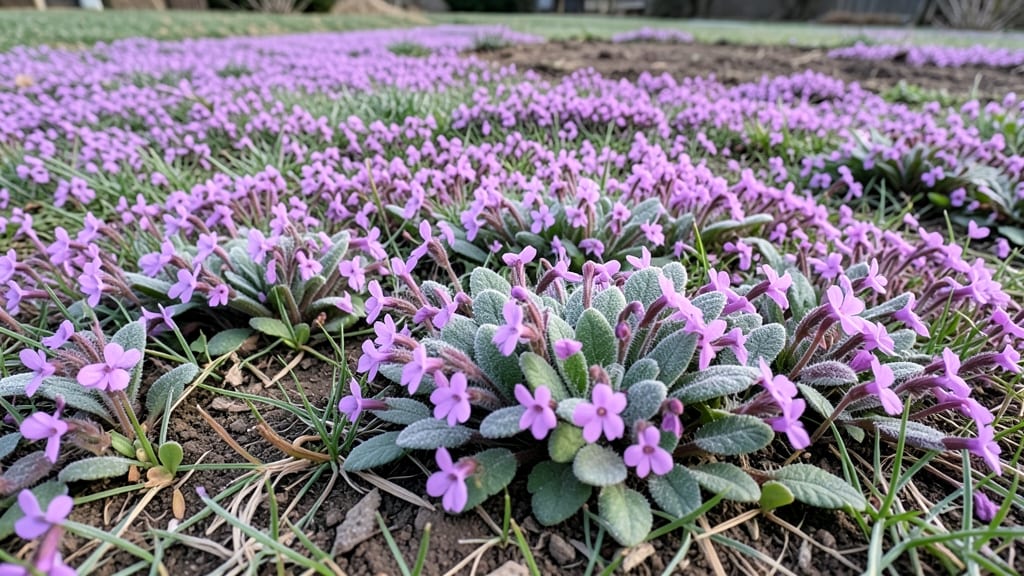
If your lawn looks like a purple-flowered carpet in early spring, you’re likely dealing with henbit—a winter annual that thrives in Virginia’s mild winters. Unlike summer weeds, henbit germinates in fall and spreads aggressively before your grass wakes up.
To stop it before it starts, apply corn gluten meal as a pre-emergent in late fall (October-November). This natural granule disrupts seed germination while improving soil health. For existing patches, hand-pull weeds when soil is moist—before they set seed in spring—to prevent next year’s infestation.
This two-step approach is perfect for organic gardeners and those with pet-friendly lawns, as it avoids harsh chemicals. Timing is everything—act now to reclaim your lawn before henbit takes over. 🌱
Chickweed Control Using Mulching and Hand Weeding
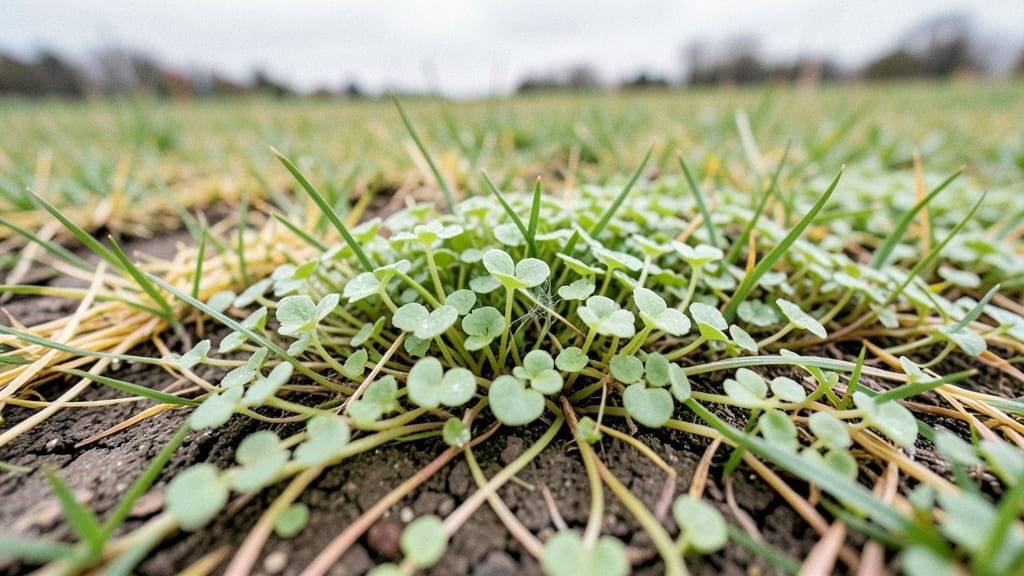
If your lawn feels like a battleground of tiny green invaders, chickweed might be the culprit—especially in compacted or poorly drained areas. This soft-stemmed weed thrives where grass struggles, but its delicate nature makes it surprisingly easy to outsmart with the right approach.
Start by smothering it with straw mulch (3-4 inches thick) to block sunlight, which chickweed can’t tolerate. Once the mulch is in place, pull up any remaining plants by hand when the soil is damp—the stems slip out effortlessly, leaving your lawn weed-free. This two-step method works best in spring and fall, when chickweed is most active but before it spreads aggressively.
Perfect for beginners or eco-conscious gardeners, this technique requires no chemicals and actually improves soil structure over time. Give your lawn a fighting chance without harsh interventions. 🌱
Purslane Eradication with Salt Spray Method
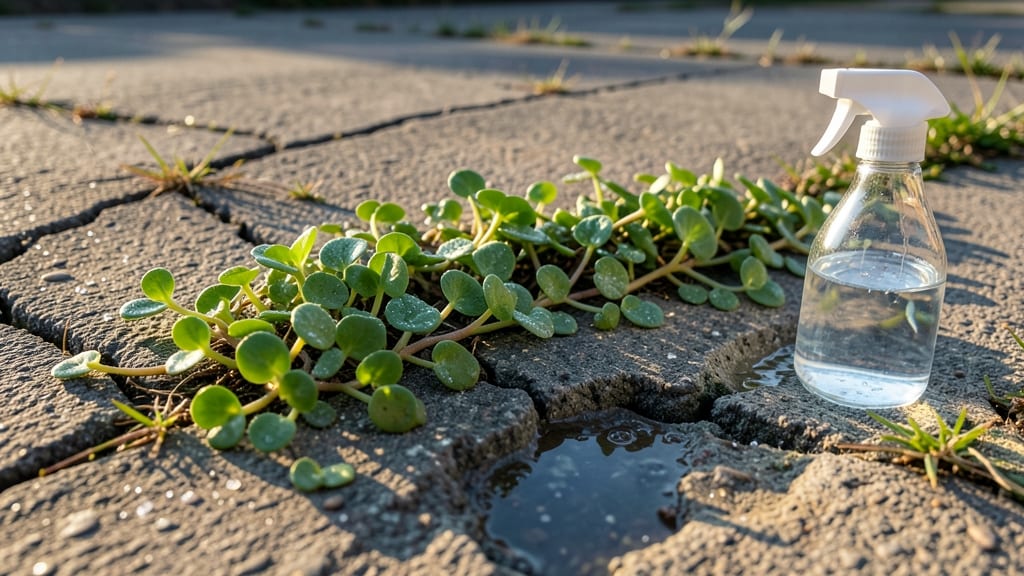
Tired of battling purslane in your driveways or sidewalks where grass refuses to grow? This succulent weed thrives in cracks and compacted soil, but a simple saltwater spray can dehydrate it in days. The key is timing—apply the solution on a warm, sunny afternoon when the plant is actively photosynthesizing.
Mix 10 tablespoons of salt per gallon of water in a spray bottle, then target the purslane directly (avoid desirable plants). Reapply every 3-4 days until the leaves turn crispy and brown. This method works best in non-organic areas like concrete cracks or gravel paths, where salt won’t harm surrounding plants or soil fertility.
Urban gardeners and homeowners with high-traffic hardscapes will find this the most efficient solution—no digging required, just spray and watch it wither. It’s the perfect weapon for stubborn weeds in places where grass just won’t take root. 💪
Plantain Weed Removal with Boiling Water and Vinegar Mix
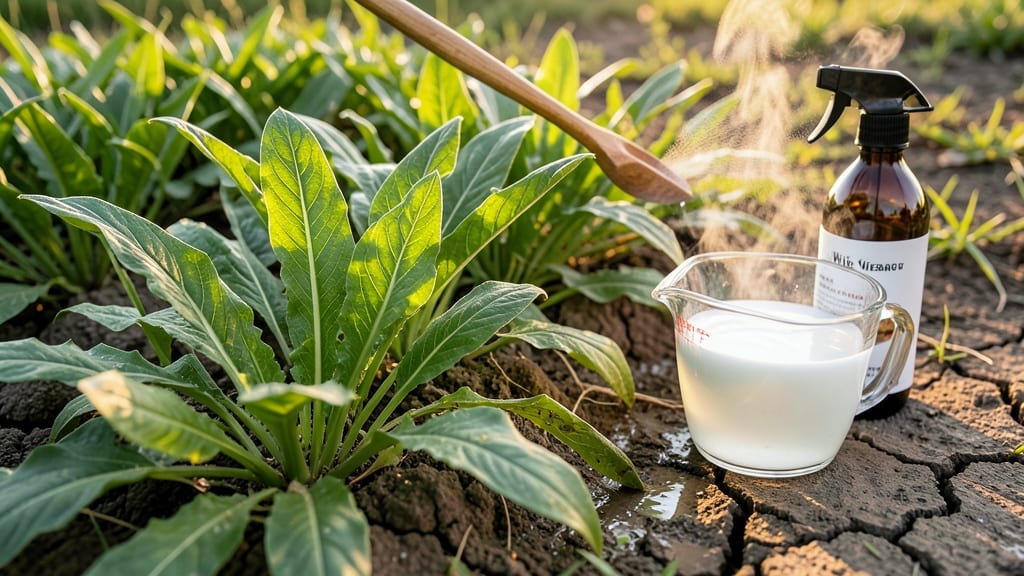
Tired of stubborn plantain weeds with their thick, ribbed leaves ruining your Virginia lawn? This common broadleaf weed thrives in compacted soil and spreads aggressively, but a simple boiling water and vinegar mix can eliminate it without harsh chemicals.
Mix equal parts boiling water and white vinegar (1:1 ratio) in a heat-resistant container. Pour the solution directly onto the plantain leaves on a sunny day—this combo kills the weed on contact by disrupting its cellular structure. For larger patches, repeat every 3-5 days until the leaves turn brown and crispy. This method is safe for grass when used carefully, as the heat and acidity target only the weed.
Perfect for eco-conscious gardeners and those with pets or children, this solution is fast, chemical-free, and works best in warm, dry conditions. Say goodbye to plantain without sacrificing your lawn’s health! ✨
Yellow Nutsedge Prevention with Heavy Mulching

If you’ve ever pulled up one yellow nutsedge plant only to find dozens of new shoots popping up nearby, you’re dealing with one of Virginia’s most relentless lawn weeds. Unlike other weeds, nutsedge spreads through underground rhizomes—horizontal stems that act like hidden pipelines, fueling new growth even when the top is gone.
To stop it, smother it first: Apply a thick layer of mulch (at least 4 inches) over the affected area to block sunlight, which nutsedge can’t tolerate. Then, overseed with a dense, competitive grass like Bermuda grass—its aggressive growth will crowd out any remaining rhizomes before they can sprout. This two-step approach works best in summer heat, when nutsedge is most active.
This method is ideal for gardeners who want to avoid chemicals but still need a long-term solution. Once established, your lawn will stay nutsedge-free with minimal upkeep—no more endless digging! 🌱