
Lawn
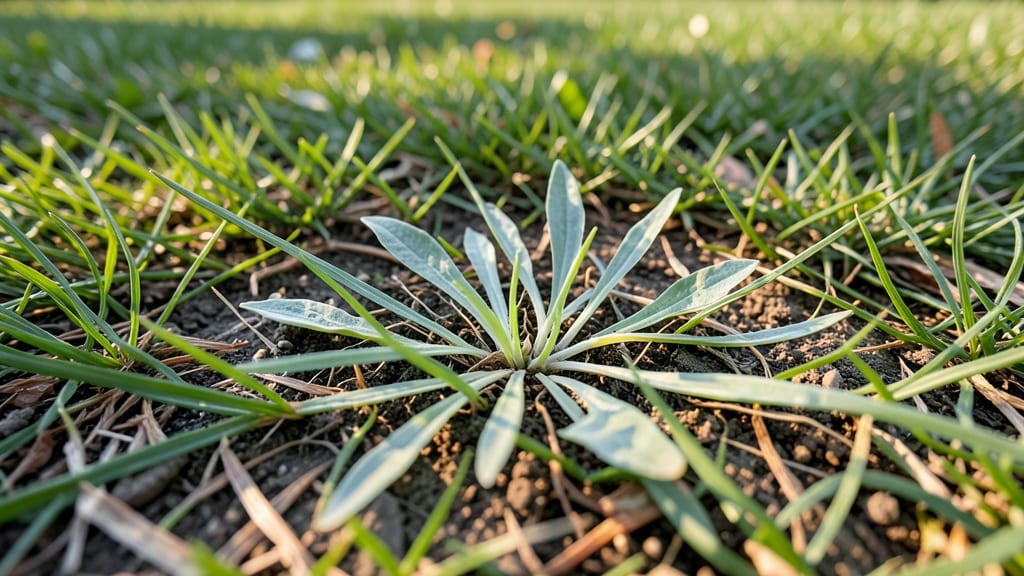
Struggling to tell clover from weeds in your lawn? These 10 imposters mimic clover's shape but can choke your grass if left unchecked. Learn their telltale signs and how to eliminate them for a lush, weed-free yard.
White Clover Mimic: Yellow Woodsorrel
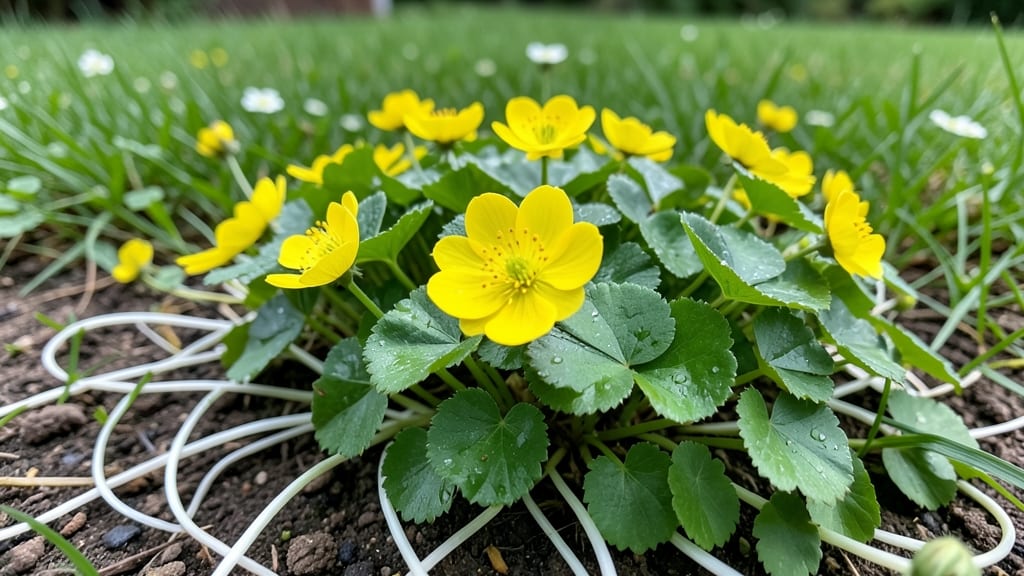
If your lawn has heart-shaped leaves with a tangy, lemony bite and bright yellow flowers popping up in spring, you’re likely dealing with yellow woodsorrel—a sneaky imposter that mimics white clover but spreads like wildfire through underground runners.
This aggressive spreader thrives in moist, shaded lawns and forms dense patches that outcompete grass. Unlike clover, its leaves have a distinctive sour taste (a dead giveaway if you’re curious!) and tiny, star-shaped yellow blooms. Pulling it by hand is nearly impossible because its rhizomes regrow from even small fragments, so targeted spot treatments with a vinegar-based herbicide (for organic control) or a selective broadleaf herbicide (like 2,4-D) work best in early spring before flowering.
Lawn enthusiasts with shady, damp patches should watch for this one—it’s a classic troublemaker in overwatered or poorly drained grass. 🌱
Three-Leafed Menace: Creeping Charlie
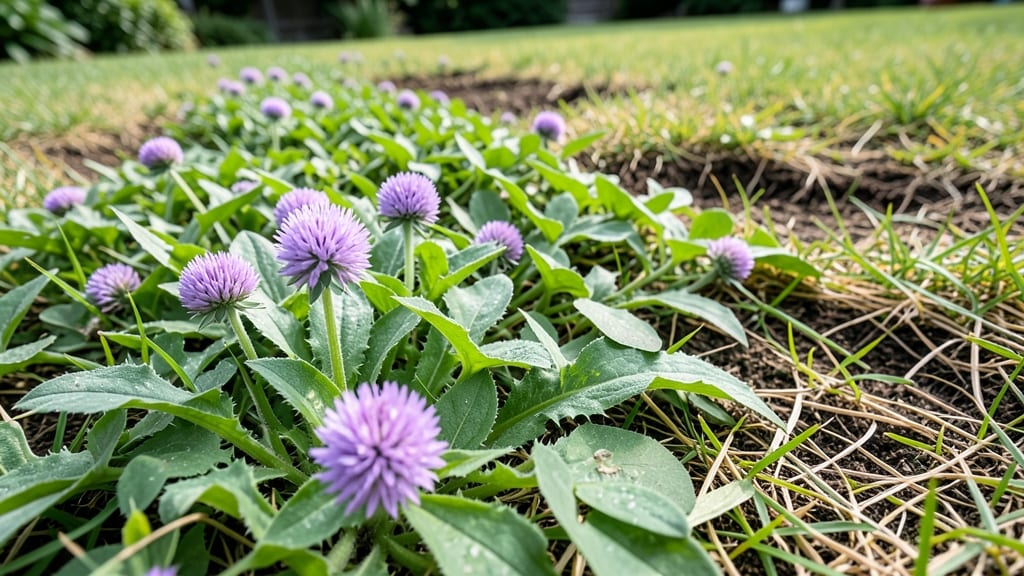
That minty scent wafting through your lawn isn’t fresh air—it’s Creeping Charlie, a sneaky ground cover that mimics clover but smothers grass instead. This weed’s globe-shaped purple flowers and serrated leaves may fool you at first glance, but its dense mats leave behind unsightly brown patches when you pull it.
Unlike clover, Creeping Charlie spreads through underground runners, making it nearly impossible to eradicate with spot treatments. The best defense? Apply a selective herbicide like 2,4-D in early spring before it flowers, or smother it with thick mulch or dense grass. For organic gardeners, hand-pulling works—but expect regrowth unless you remove the roots completely.
Lawn care beginners and eco-conscious gardeners will appreciate that Creeping Charlie thrives in shaded, moist areas, so improving drainage and mowing high can reduce its spread. 🌿
Narrow-Leaf Lookalike: Wild Violet
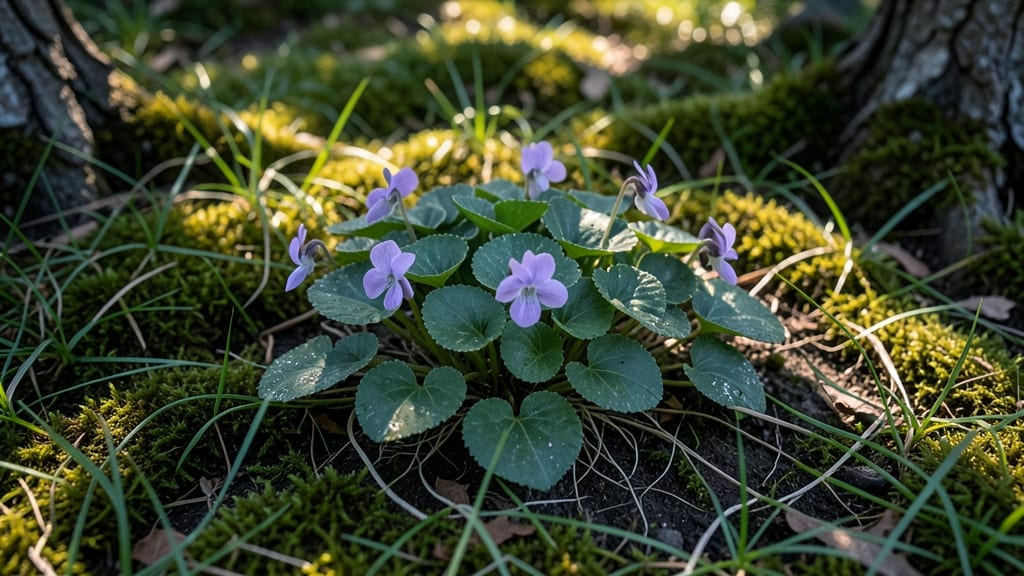
If you’ve spotted delicate purple blooms peeking through your shaded lawn, you’re likely dealing with wild violets—a sneaky weed that mimics clover’s leaf shape but spreads relentlessly via underground rhizomes. Unlike clover, these plants thrive in low-light conditions, making them a common nuisance in yard corners and under trees.
The key identifiers are their heart-shaped leaves (slightly narrower than clover’s) and clusters of lavender-purple flowers that appear in early spring. Pulling them by hand is futile—their rhizome network regenerates quickly. For control, focus on reducing shade (violets hate competition) and spot-treating with vinegar-based herbicides in late summer when they’re actively growing. 💚
Sticky Stemmed Imposter: Broadleaf Plantain
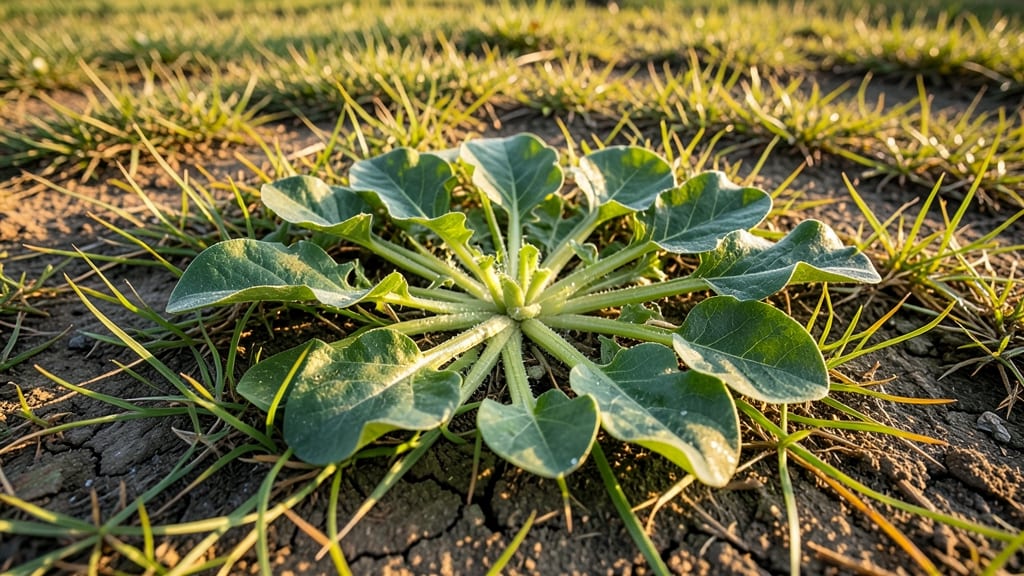
If your lawn has sticky stems and rigid, rosette-shaped leaves that look like clover but refuse to budge with standard herbicides, you’re likely dealing with broadleaf plantain. This tough weed thrives in compacted soils—common in high-traffic areas—where grass struggles to grow, making it a persistent problem for homeowners.
The parallel veins and slightly serrated edges of its leaves help distinguish it from clover, but the real giveaway is the sticky, sap-like residue on its stems when crushed. Unlike other weeds, broadleaf plantain resists common post-emergent herbicides, so manual removal (like digging or smothering with mulch) often works best. It’s also drought-tolerant, meaning it pops up even when your lawn is dry.
This weed is especially stubborn in urban lawns or areas with heavy foot traffic, where soil compaction gives it an edge. If you’re dealing with a patch, focus on improving soil health—adding compost or aerating can weaken its grip over time. 💪
Spiky Flowered Deceiver: Dandelion
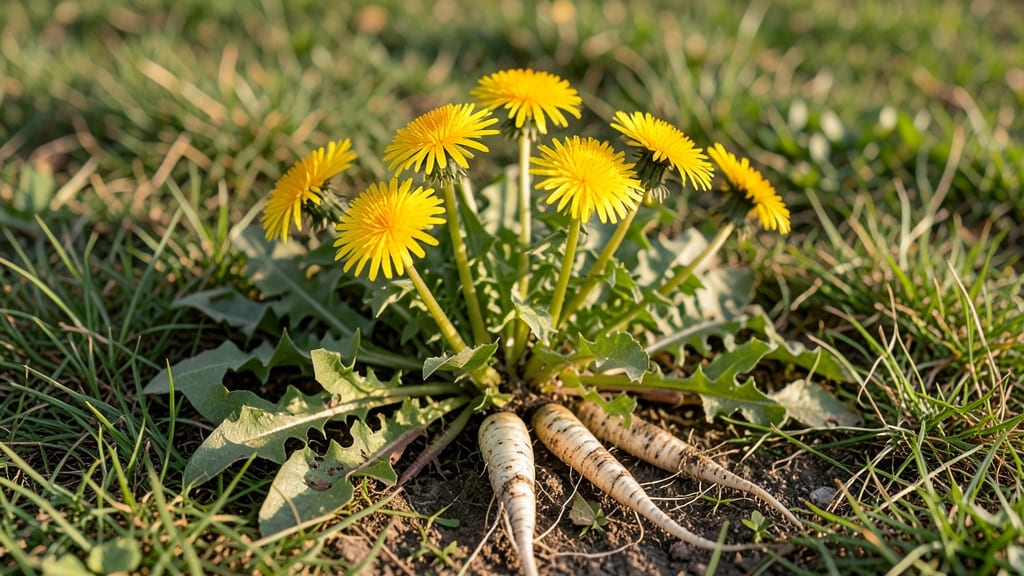
That cheerful bright yellow bloom you might mistake for a stray clover? It’s likely a dandelion—one of the most persistent lawn weeds with a sneaky secret: its deep, taproot system. While its lobed leaves and cheerful flowers are easy to spot, the real battle begins when you try to pull it out.
Dandelions thrive in full sun to partial shade and spread via wind-blown seeds, making them nearly impossible to eradicate with shallow tools like hand trowels. For best results, use a dandelion digger or a long-handled weeding fork to reach the root. Watering deeply after removal helps prevent regrowth, and applying a corn gluten pre-emergent in early spring can reduce seed germination.
This weed isn’t all bad—its flowers feed pollinators, and its deep roots aerate soil. But if you’re aiming for a clover-free lawn, dandelions demand patience and the right tools. 🌻
Small Flowered Twin: Henbit
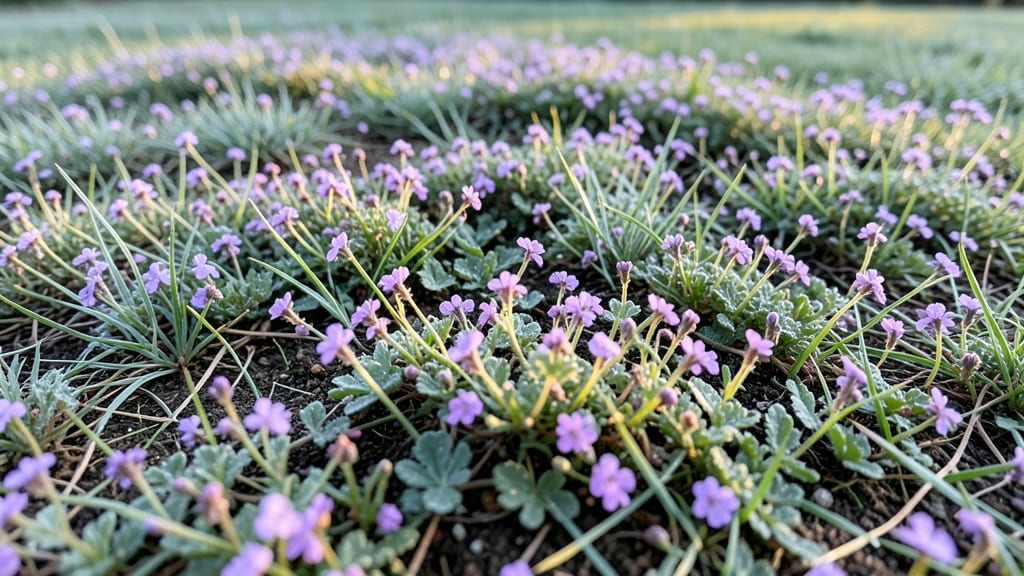
If your lawn suddenly looks like it’s carpeted in tiny purple flowers this spring, you’re likely dealing with henbit—a winter annual that thrives when grass is still dormant. Unlike clover, this weed has square stems and forms dense patches that can outcompete young grass shoots.
Henbit spreads quickly through seeds, germinating in fall and blooming aggressively from February to April. Its small, tubular purple flowers and jagged leaves resemble clover at first glance, but the square stems (a dead giveaway) set it apart. Pull it early, before seeds set, or use a spot treatment of vinegar-based herbicide for stubborn patches.
This weed is especially problematic for homeowners who overseed in fall, as henbit steals nutrients and sunlight from new grass. Keep an eye out for it in early spring—your lawn’s best defense is prevention and prompt removal. 🌷
Tooth-Lobed Lookalike: Buckhorn Plantain
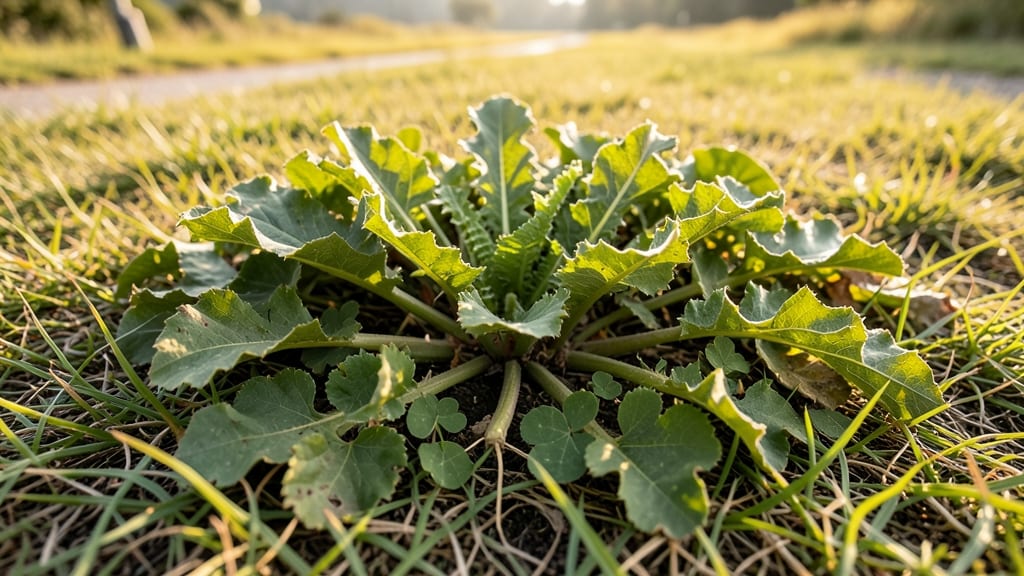
If your lawn has patches of coarse, jagged-edged leaves that resemble clover but refuse to stay pulled, you’re likely dealing with buckhorn plantain. This tough weed thrives in high-traffic areas like walkways and lawns, forming dense rosettes that outcompete grass for nutrients.
Look for its distinctive tooth-like leaf edges and prominent veins radiating from the center. Unlike clover, buckhorn plantain lacks the trifoliate leaf structure and instead grows in a single, broad rosette. It spreads via seeds and can persist even after mowing, making it a stubborn lawn invader.
For gardeners with pets or kids, this weed is especially problematic since its sap can irritate skin. Target removal in early spring before flowering, and consider spot-treating with glyphosate-based herbicides for stubborn patches. 💪
Tiny Flowered Pretender: Chickweed
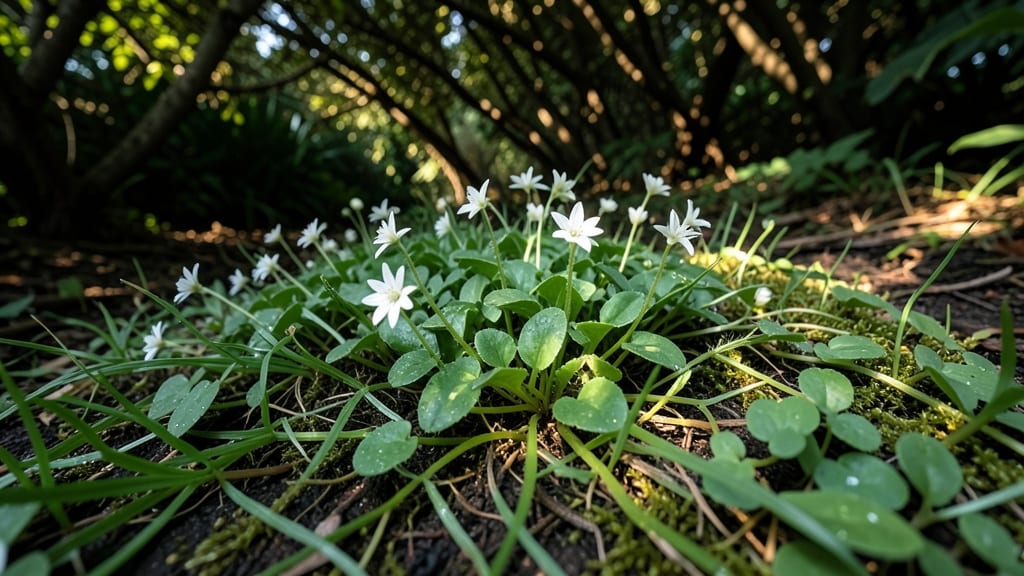
If you’ve ever spotted delicate white flowers dotting your lawn’s shady corners, you might be dealing with chickweed—a sneaky weed that thrives where grass struggles. Unlike clover, its smooth, oval leaves form dense mats that crowd out grass roots, especially in moist or poorly drained areas.
This annual weed spreads rapidly through tiny seeds and thrives in cool, damp conditions, making early spring and fall its peak growth periods. Pulling it by hand is effective, but be patient—new sprouts will appear quickly. For stubborn patches, a vinegar-based herbicide (3% acetic acid) works well, though it may require multiple applications. Its mild, slightly bitter taste also makes it a magnet for slugs, so check for slimy trails if your chickweed seems to vanish overnight!
Chickweed is a common nuisance for gardeners with shaded lawns or those using mulch, but its presence signals an opportunity to improve drainage or adjust mowing habits. 🌿
Red-Stemmed Deceiver: Red Sorrel
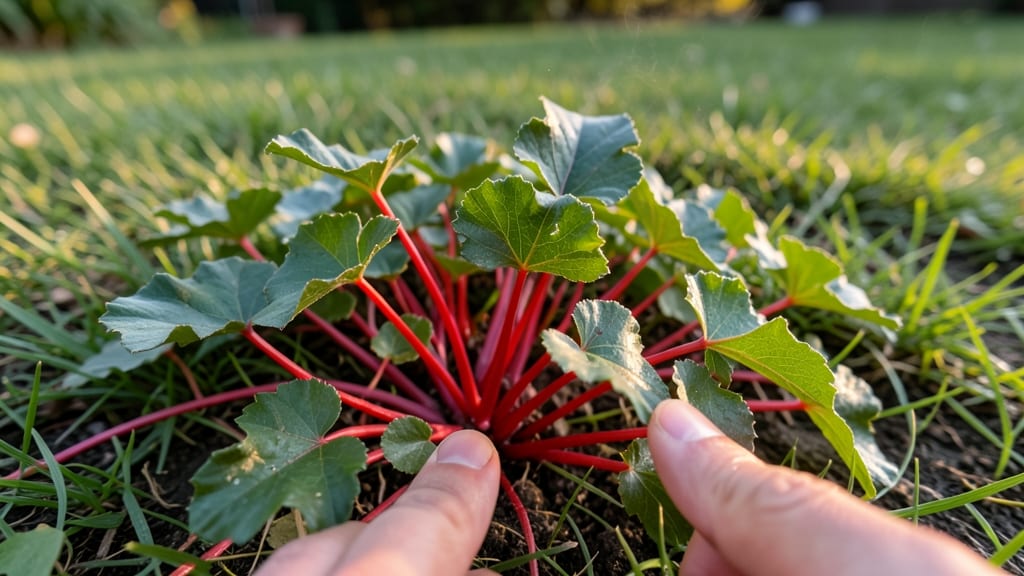
That sour tang when you crush the leaves? That’s your clue this isn’t clover—it’s red sorrel, a sneaky weed with arrowhead-shaped leaves and bright red stems that spread faster than you can say "lawn care." Unlike its clover cousins, this aggressive grower thrives in both sun and shade, making it a persistent problem in many yards.
Look for its distinctive triangular leaves and sour taste (a dead giveaway if you’re unsure). The weed spreads via seeds and creeping stems, so hand-pulling is best done when the soil is moist—grab the entire root to prevent regrowth. For stubborn patches, spot-treat with a vinegar-based herbicide (avoid harsh chemicals near desirable plants).
Urban gardeners and homeowners with partial shade will recognize red sorrel as a common lawn intruder. Catching it early saves you from battling dense mats later—so keep an eye out for those telltale red stems! 💚
Grass-Like Imposter: Crabgrass

If your lawn has patches where grass seems to be growing unevenly or looks slightly broader than usual, you might be dealing with crabgrass—a weed that often gets overlooked because its early stages resemble grass more than clover.
Young crabgrass sprouts have broad, flat blades that can fool even experienced gardeners, but look closer: its leaves are slightly wider at the base and form a distinctive V-shape when folded. As it matures, it develops seed heads that resemble tiny bottle brushes, a dead giveaway. This annual weed thrives in hot, dry conditions and spreads aggressively, crowding out grass if left unchecked.
For homeowners with sunny lawns, the best defense is pre-emergent herbicide applied in early spring before germination. Hand-pulling young plants works too, but timing is key—remove it before those seed heads form to stop its spread. 🌱