
Lawn
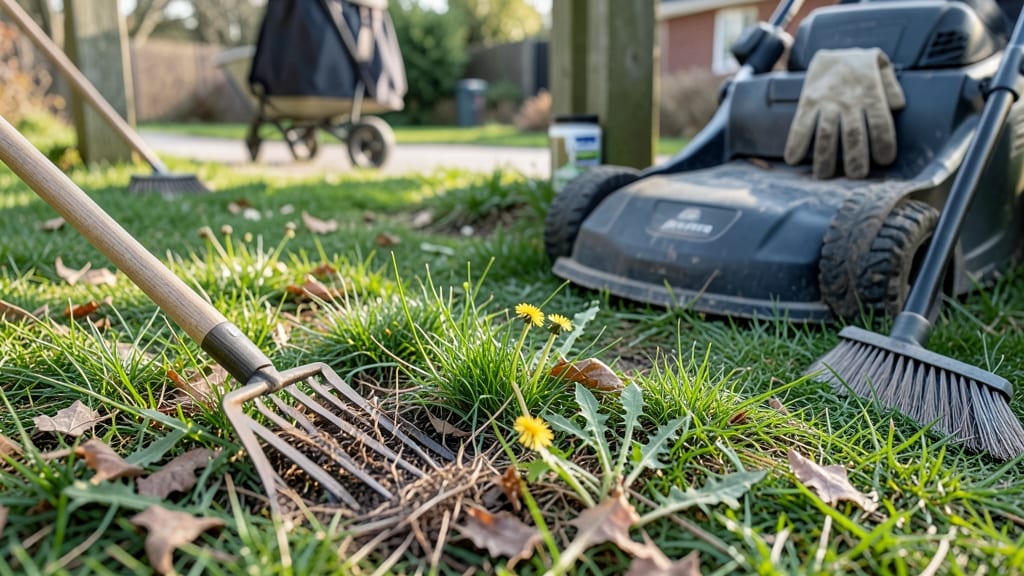
Spring clean-up transforms your lawn from last year’s brown mess to a lush, vibrant carpet—and timing is everything. 🌱 I’ve learned the hard way that waiting too long means fighting weeds, compacted soil, and missed growth windows.
The key is starting in early March (or when daytime temps hit 50°F consistently), when grass wakes up but before summer’s heat stresses it.
First, grab your rakes, aerator, and sharp mower blades—these are the tools that make all the difference. You’ll tackle debris, loosen soil, and adjust mowing height to 3-4 inches for cool-season grasses.
Skipping aeration? That’s how soil stays hard as concrete and roots suffocate. I’ve seen lawns bounce back dramatically after just one session—the difference is night and day.
By mid-April, your lawn should be thick, green, and weed-free (or at least on its way). The secret is layering tasks: rake debris, aerate, fertilize with high-nitrogen feed, then overseed bare spots.
Even my shady patches—once a struggle—now stay green thanks to this routine. The best part? You’ll spend less time fixing problems later and more time enjoying your outdoor space.
Regional tweaks matter: Northern gardeners can start earlier, while Southern zones should wait until April. Cool-season grasses (like fescue) need more attention than Bermuda—adjust your timeline accordingly. Stick with this plan, and you’ll have a lawn that’s the envy of the neighborhood by Memorial Day.
📚 In This Guide
- What you need
- Instructions
- Tips and common mistakes
- Wrapping up and next steps
What you need
- ● Pruning shears: 2–3 pairs (bypass or anvil, sharp and comfortable for your hand size).
- ● Hedge trimmers: 1 electric or battery-powered (18–24" cutting width for medium-sized lawns).
- ● Loppers: 1 pair (18–24" cutting capacity for thicker branches).
- ● Pruning saw: 1 (for branches thicker than 2" diameter).
- ● Garden gloves: 2–3 pairs (cut-resistant, breathable material).
- ● Heavy-duty trash bags: 10–20 (30–50 gallon size for debris).
- ● Wheelbarrow or tarp: 1 (for hauling clippings/leaves).
- ● Rake: 1 (bow rake for leaves, leaf rake for fine debris).
- ● Hose with nozzle: 1 (for cleaning tools and rinsing plants).
- ● Ladder (if needed): 1 (extendable, 10–12 ft for tall shrubs/trees).
- ● Pruning sealer: 1 small bottle (for sealing large cuts on trees/shrubs).
- ● Disinfectant spray: 1 (70% isopropyl alcohol or bleach solution to sterilize tools).
- ● Knee pads: 1 pair (for comfort during extended pruning).
- ● Work vest or apron: 1 (to organize small tools and hold trash bags).
- ● Safety glasses: 1 pair (to protect from flying debris).
- ● Portable leaf blower: 1 (for quick cleanup of fine debris).
Step-by-step instructions for lawn spring clean-up
Here's the exact pruning sequence I follow each spring to revive lawns and prevent common mistakes.
🌱 Step 1: Remove Winter Debris and Aerate Compacted Soil
Start by clearing all fallen leaves, branches, and thatch buildup from the lawn surface. Use a stiff rake to pull debris into piles for removal—leaving it traps moisture and smothers grass roots. Focus on areas where snow mats or debris collects, as these spots often develop bare patches.
Next, rent a core aerator if your soil feels spongy when walked on. Aeration creates ¼-inch diameter holes every 2-3 inches to relieve compaction. You'll see the soil's true color through the cores—this is your signal the process worked. For small lawns, a manual spike aerator works, though it's less effective at deep relief.
✂️ Step 2: Prune Dead Growth and Adjust Mower Height
Set your mower blade to its highest setting—typically 3-4 inches—and make one final pass to remove any remaining winter-killed grass. You'll notice dead growth as brown, brittle blades that break easily when pulled. Bag the clippings to avoid spreading disease spores back onto healthy areas.
After clearing dead growth, lower the mower blade to 2.5-3 inches for cool-season grasses or 1.5-2 inches for warm-season varieties. This height promotes deep root growth while preventing weed invasion. Never remove more than ⅓ of the grass blade height in a single cut—this stresses the plant and invites pests.
💧 Step 3: Overseed Bare Spots and Apply Fertilizer
Scatter ½ pound of grass seed per 100 square feet over thin or bare areas, using a broadcast spreader for even coverage. Lightly rake the seed into the soil to ensure contact with moisture. For stubborn bare patches, remove a 2-inch square of turf, loosen the soil with a hand fork, and mix in ¼ inch of compost before seeding.
Apply a high-nitrogen fertilizer (24-0-4 ratio) at ½ the recommended rate to encourage top growth. Water immediately after applying to activate the granules. You'll see new shoots emerge within 7-14 days—this is your confirmation the seed has germinated successfully.
☀️ Step 4: Establish a Watering Schedule and Monitor Growth
Water deeply 2-3 times per week for the first month, providing 1 inch of water per session. Use a rain gauge to measure—most sprinklers overapply, leading to runoff. Early morning watering (6-9 AM) prevents fungal diseases by allowing foliage to dry before evening humidity sets in.
After 4-6 weeks, reduce watering to 1 inch per week once new growth reaches 2-3 inches tall. Check soil moisture by pushing a 6-inch screwdriver into the ground—if it resists, you need more water. Adjust mower height upward as the grass grows, maintaining ⅓ of the blade height to shade the soil and prevent weed seeds from germinating.
Tips & tricks for perfect lawn spring revival
These simple but powerful strategies will help you avoid common mistakes and achieve a lush, healthy lawn this spring.
Timing is Everything: Spring cleanup should happen when daytime temperatures consistently reach 50-60°F—this is when grass begins active growth. If you start too early, you risk damaging tender new shoots. I always check the forecast for a week of mild weather before beginning, as cold snaps can set back your progress. Cool-season grasses like Kentucky bluegrass and fescue wake up earlier, while warm-season grasses like Bermuda need warmer soil to respond well.
Equipment Upgrade: Renting a core aerator makes all the difference—manual spike aerators only scratch the surface. Look for machines with ¼-inch diameter tines spaced 2-3 inches apart to match the instructions. If you're working on a slope, consider renting a tow-behind aerator for better control. I've found that aerating after a light rain (when soil is moist but not soggy) improves results dramatically, as the tines glide through more easily.
Seed Selection Matters: Don't just grab any grass seed—match your choice to your climate and existing grass type. Cool-season blends (like tall fescue) thrive in northern regions, while warm-season varieties (like zoysia) handle southern heat better. For bare patches, I always opt for 100% pure seed rather than mixes, as it gives more predictable germination. Spread seed in two perpendicular directions for even coverage—this prevents streaks and ensures no spots get missed.
Watering Wisdom: Those first 2-3 weeks of watering are critical for seed germination. I set a rain gauge in the lawn to track exactly 1 inch of water per session—most sprinklers deliver 20-30% more than needed. Early morning watering (before 9 AM) prevents fungal issues, and I always check for "wet spots" where water pools, as these can develop fungal problems. Once new growth reaches 2-3 inches, I gradually reduce to 1 inch per week to encourage deep root development.
Pro Tips for Lawn Spring Clean Up
- These simple but powerful strategies will help you avoid common mistakes and achieve a lush, healthy lawn this spring.
- Timing is Everything: Spring cleanup should happen when daytime temperatures consistently reach 50-60°F—this is when ...
- Equipment Upgrade: Renting a core aerator makes all the difference—manual spike aerators only scratch the surface. Lo...
Frequently asked questions
Got questions about tackling your lawn spring clean-up? You’re not alone! Here are some of the most common concerns—and straightforward answers—to help you prep like a pro.
When is the best time to start my lawn spring clean-up?
The ideal window is early to mid-spring (March–April in most U.S. regions), once the soil is workable but before summer heat arrives. Check your local frost dates—wait until after the last frost to avoid stressing newly exposed grass roots. Pro tip: Mornings are best for tasks like mowing to avoid dew-related issues.
How do I know if my lawn needs a deep clean-up or just light maintenance?
Assess your lawn’s condition: Light maintenance (raking debris, edging) works for healthy grass with minor winter damage. A deep clean-up (aeration, dethatching, soil testing) is needed if you see thatch thicker than ½ inch, bare patches, or compacted soil. Start with a quick walk—if you’re stepping in mud or spotting weeds, it’s time for a deeper dive!
Can I use a regular rake or do I need specialized tools for spring clean-up?
A bow rake is great for debris, but a dethatching rake or lawn aerator tackles built-up thatch or compacted soil. Renting a core aerator (for $60–$100/day) is cost-effective if you’re tackling a large area. For small yards, a manual dethatcher works—just be patient!
What’s the fastest way to remove dead grass and weeds without harming my lawn?
Start by mowing low (set blades to 2–3 inches) to weaken weeds, then rake debris into piles for easy removal. For stubborn weeds, spot-treat with a vinegar-based herbicide (20% acetic acid) or pull them by hand when soil is moist. Pre-emergent herbicide applied post-clean-up prevents new weeds—just water it in!
Should I aerate my lawn in spring, or is fall better?
Both seasons work, but spring aeration (March–May) helps grass recover faster from winter stress, while fall aeration (September–October) boosts root growth for next year. If your soil is clay-heavy or compacted, prioritize spring—just follow up with overseeding within 2 weeks. Think of it as a two-for-one deal: aerate and feed your lawn!
What’s one mistake I should avoid during spring clean-up?
Over-fertilizing is a common pitfall—too much too soon can burn grass or trigger weed growth. Stick to a slow-release, balanced fertilizer (10-10-10 or 20-20-20) and apply it after aerating or overseeding. Also, skip the bagger if you’re composting clippings—they return nutrients to the soil!
Wrapping up and next steps
A lawn spring clean-up isn’t just about tidying up—it’s your secret weapon for a lush, vibrant yard all season long! 🌱 By following this pruning timeline, you’ll set your grass and plants up for healthy, explosive growth while avoiding common mistakes.
Remember: consistency is key, and a little effort now saves hours of work later.
Ready to transform your outdoor space? Grab your tools, roll up your sleeves, and start with one small section at a time. Before you know it, your lawn will be the envy of the neighborhood—and you’ll be the proud gardener behind it! 🌟
Next step: Bookmark this guide and tackle your first pruning task this weekend. Happy gardening!