
Lawn
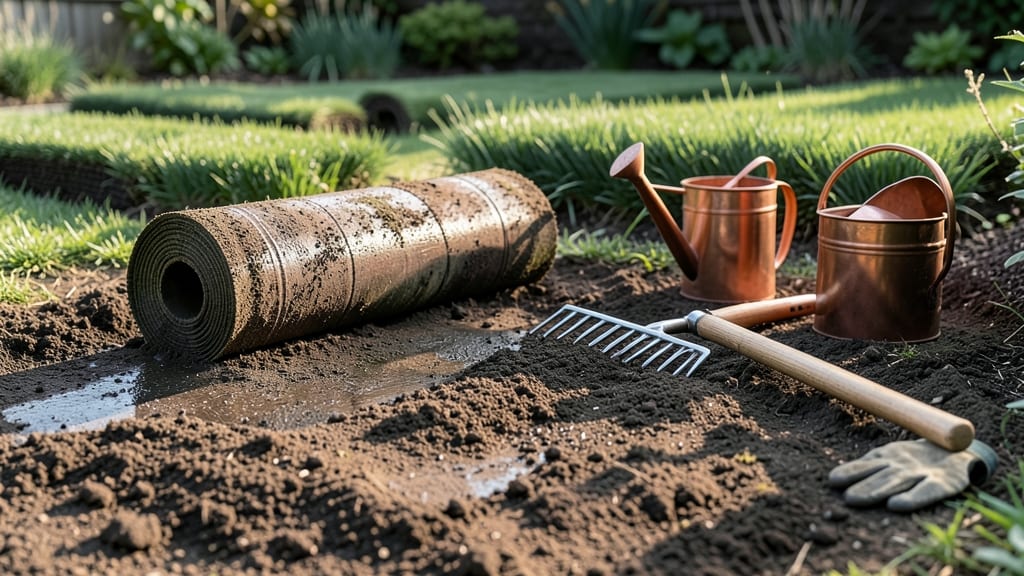
Lawn seed rolls transform patchy lawns into lush, even carpets in just weeks. ✨ Unlike loose seed that blows away, these pre-sown mats establish grass quickly with minimal effort—ideal for spring or fall planting when conditions are perfect.
My first attempt covered a bare sunken spot in under an hour, and by late summer, it looked indistinguishable from the rest of the yard.
The secret lies in proper prep: till the soil to 4 inches deep, rake smooth, and keep the area free of debris. Seed rolls need consistent moisture to root, so water lightly daily for the first 2 weeks—never soaking.
After that, you can ease up to 1 inch per week, mimicking natural rainfall. The rolls contain fertilizer, so you won’t need to amend further unless your soil tests poor.
You’ll notice new growth within 7-10 days, with full coverage in 6-8 weeks, depending on the grass type. The result is a dense, uniform lawn that resists weeds better than traditional seeding. Plus, the process skips the guesswork of seed-to-soil ratios and uneven spreading that frustrates beginners.
Works for overseeding thin areas, repairing dead spots, or even starting a new lawn on small plots. Just avoid walking on it until the grass reaches 3 inches tall to prevent damage. For larger areas, rent a sod cutter to lay the rolls efficiently—no need for expensive equipment.
📚 In This Guide
- What you need
- Instructions
- Tips and common mistakes
- Wrapping up and next steps
What you need
- ● Lawn seed rolls: Pre-grown grass rolls (10–20 sq ft per roll, depending on brand). Choose cool-season (e.g., Kentucky bluegrass, fescue) for spring/fall planting or warm-season (e.g., Bermuda, Zoysia) for late spring/summer.
- ● Soil: Well-drained, tilled topsoil (1–2 inches deep, amended with compost if needed). Test pH (ideal: 6.0–7.0 for most grasses).
- ● Water: Hose with a gentle spray nozzle or irrigation system (1–1.5 inches per week post-planting).
- ● Fertilizer: Slow-release starter fertilizer (10–12 lbs of nitrogen per 1,000 sq ft).
- ● Tools: Shovel or spade (for soil prep)
- ● Rake (bow rake for leveling, stiff-bristle for debris)
- ● Measuring tape or string/ stakes (to mark planting area)
- ● Wheelbarrow (for soil/fertilizer transport)
- ● Erosion control: Straw or biodegradable netting (to protect rolls from wind/rain).
- ● Soil conditioners: Gypsum (for clay soil) or peat moss (for sandy soil).
- ● Weed barrier: Landscape fabric (if dealing with persistent weeds).
- ● Edging tools: For clean borders around driveways/walkways.
- ● Gloves & knee pads: Because comfort (and clean hands) matter! 😉
How to plant lawn seed rolls for a lush, even turf
Here's the straightforward method I use to get a thick, uniform lawn every season.
🪴 Step 1: Prepare the Soil for Optimal Seed Contact
Start by mowing your existing lawn as short as possible—about ½ inch tall—to create a clean surface. This helps the seed rolls make direct contact with the soil, which is critical for even germination. If your soil feels hard or compacted, rent a core aerator to create ¼-inch deep holes every 3-4 inches across the area. This lets roots penetrate deeper right from the start.
After aerating, spread 10 pounds of compost evenly over the entire space and lightly rake it into the top ½ inch of soil. This adds nutrients without burying seeds too deep. I like to use a drop spreader for even distribution—just walk slowly in overlapping passes to avoid missing spots. You'll know you're ready when the soil looks dark, crumbly, and free of debris.
🌱 Step 2: Unroll and Secure the Seed Rolls
Begin unrolling your seed rolls along the longest straight edge of your lawn, working in 2-foot wide strips. Overlap each new strip by 2 inches to prevent thin patches where rolls meet. Press the rolls gently into the soil with a lawn roller or even a board—just enough to make contact but not so much that you bury the seeds. I find a 100-pound roller works perfectly for this without compacting the soil too much.
Secure the edges of the rolls with landscape staples every 12 inches to keep them in place while seeds germinate. This prevents wind or rain from shifting them before roots establish. If you're planting in a windy area, consider laying burlap strips over the rolls until germination begins—just remove them once you see first green sprouts appearing.
💧 Step 3: Water Lightly and Frequently for Germination
The first 7-10 days are critical—keep the soil surface consistently moist but never soggy. Water twice daily for 10-15 minutes each session using a fine mist nozzle on your hose. You'll know you're doing it right when the top ¼ inch of soil stays damp but doesn't form puddles. Avoid heavy watering, which can wash away seeds or create crusts that block germination.
Once you see 50% of seeds sprouting (usually around 10-14 days), you can reduce watering to once daily for 20-30 minutes. This encourages deeper root growth instead of shallow, weak roots. I set a reminder on my phone for the first two weeks—missing a watering session can mean the difference between thick turf and bare spots.
☀️ Step 4: Maintain Even Moisture and Light Conditions
Keep the area shaded for the first 2-3 weeks by using shade cloth if your lawn gets more than 4 hours of direct sun daily. Too much sun at this stage can dry out the soil too quickly. Once seedlings reach 2 inches tall, gradually remove the shade cloth over 3-4 days to let them acclimate to full sun exposure.
After germination, water deeply 2-3 times per week instead of daily. Let the top ½ inch of soil dry out slightly between waterings—this prevents fungal diseases like damping-off, which can kill young grass overnight. You'll notice healthy seedlings have bright green blades and sturdy stems that don't flop over when touched.
✂️ Step 5: First Mowing and Ongoing Care
Wait until your new grass reaches 3-4 inches tall before mowing for the first time. This usually takes 4-6 weeks depending on your climate. Set your mower blade to 3 inches—this encourages deeper roots and shades out weeds. Never remove more than ⅓ of the blade height in one mowing, or you'll stress the young plants.
After the first mowing, apply a slow-release fertilizer with high nitrogen content to promote thick growth. I use a 16-4-8 formula spread at ½ pound per 100 square feet. Water immediately after fertilizing to help nutrients absorb into the soil. Over the next 8 weeks, you'll see your lawn transform from patchy seedlings to a lush, even carpet of grass.
Tips & tricks for perfect lawn seed roll planting
These simple strategies will help you avoid common mistakes and get the most out of your seed rolls.
Soil Prep Secret: If your soil feels rocky or uneven after mowing to ½-inch, rent a core aerator for just 10 minutes before adding compost. The ¼-inch deep holes you create let roots establish faster, especially in clay-heavy soil. I once skipped this step and had patchy germination—the difference is night and day!
Roll Placement Technique: When unrolling your 2-foot wide strips, work from the longest straight edge inward. This prevents overlapping in the middle where you might miss spots. A trick I learned: snap a string line between stakes to guide your first row—it ensures perfect straight lines even if your lawn isn't perfectly rectangular.
Watering Watch: During those first 7-10 critical days, set a timer for your 10-15 minute watering sessions. The key is keeping the top ¼ inch damp—not wet. I use a screwdriver to test moisture: if it comes out clean, you need more water; if it sticks, you've overdone it. This simple check prevents both underwatering and seed washout.
Shade Transition Tip: When removing shade cloth after 2-3 weeks, don't pull it all off at once. Gradually uncover 25% each day over 3-4 days to avoid shocking the seedlings. I've seen grass turn yellow overnight when exposed too quickly—this method prevents that sunburn effect.
Pro Tips for Lawn Seed Rolls
- These simple strategies will help you avoid common mistakes and get the most out of your seed rolls.
- Soil Prep Secret: If your soil feels rocky or uneven after mowing to ½-inch, rent a core aerator for just 10 minutes before adding compost.
- Roll Placement Technique: When unrolling your 2-foot wide strips, work from the longest straight edge inward.
Frequently asked questions
Got questions about lawn seed rolls? You’re not alone!
Whether you’re a first-time planter or looking to refine your technique, here are answers to the most common concerns—so you can roll out a lush, even lawn with confidence.
What’s the best time of year to use lawn seed rolls?
Lawn seed rolls work best in spring (March–May) or early fall (September–October) when soil temperatures are mild (60–75°F). Avoid summer heat or winter frost, as extreme conditions can stress seeds. Cool seasons also mean less competition from weeds!
How long does it take for grass to grow from seed rolls?
Expect to see sprouts in 7–14 days (depending on grass type and weather). Full coverage takes 4–8 weeks, but don’t rush—walking on new grass can damage roots. Water lightly 2x/day until germination, then taper to deep, infrequent watering.
Can I use seed rolls on an existing lawn, or do I need bare soil?
Seed rolls work best on prepared bare soil (raked, leveled, and weed-free). If overseeding an existing lawn, mow short, dethatch, and aerate first. Rolls won’t stick well to thick grass or thatch layers. For patchy areas, try hand-seeding instead.
What if my seed rolls dry out or unroll before planting?
Store rolls in a cool, dry place (like a garage) and plant within 3–6 months of purchase. If they unroll, re-roll gently and secure with landscape staples or a thin layer of soil. Avoid wetting them before planting—moisture can cause mold. Pro tip: Plant on a cloudy day to reduce stress!
Do I need special tools to install lawn seed rolls?
Basic tools suffice: a sharp shovel, rakes, landscape staples, and a hose with a gentle spray nozzle. For large areas, a staple gun saves time securing rolls. Rent a soil tester if unsure about pH—seed rolls thrive in 6.0–7.0 pH soil.
What should I avoid when using lawn seed rolls?
- Overlapping rolls: Leave a 1–2 inch gap between rolls for even growth.
- Skipping watering: Keep soil moist (not soggy) for 2–3 weeks post-planting.
- Using herbicides: Wait 6–8 weeks after planting before applying.
- Walking on new grass: Wait until blades reach 3–4 inches tall.
Wrapping up and next steps
Ready to transform your lawn into a lush, vibrant carpet? Lawn seed rolls are your secret weapon for thick, even growth—whether you're tackling spring or fall planting. With the right materials, patience, and a few pro tips, you’ll soon enjoy a lawn that’s the envy of the neighborhood. 🌱
Don’t wait for perfect conditions—start today! Roll out your fresh seed, keep it moist, and watch your lawn flourish. Need a refresher? Revisit our FAQs or dive into materials checklist before you begin. Your dream lawn is just a roll away! 🌿