
Lawn
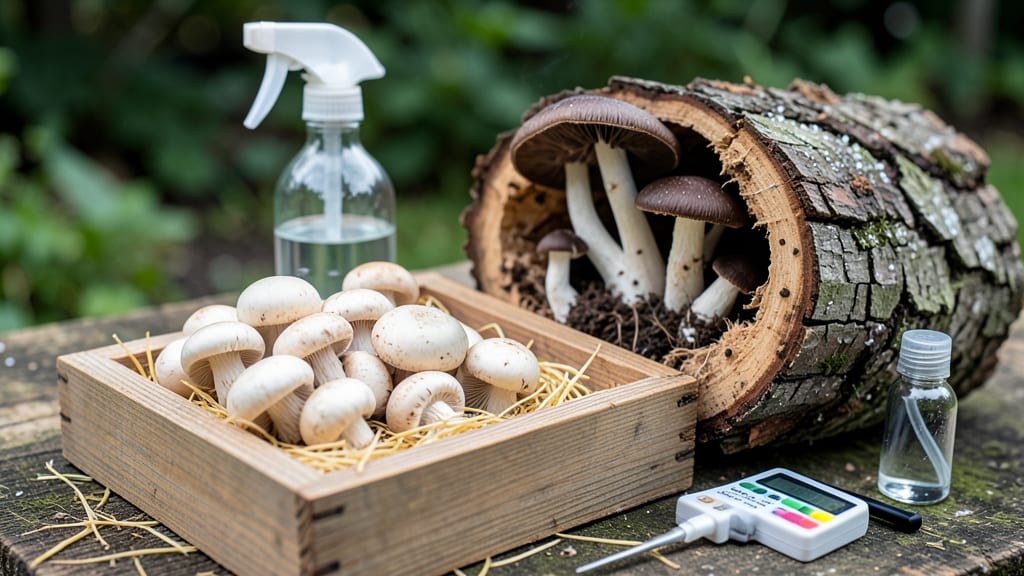
Lawn mushroom types include edible varieties like morels, chanterelles, and oyster mushrooms, but accurate identification is crucial—many toxic doubles like the deadly galerina resemble safe species. Always cross-reference with a field guide or mycology expert before eating any wild mushrooms found growing in grass.
When you're exploring lawn mushroom types, focus first on their distinctive features that set them apart from dangerous imposters. Morels stand out with their honeycomb caps and conical shape, while chanterelles have golden-yellow, wavy edges and a fruity aroma. Oyster mushrooms grow in clusters and have a delicate, fan-like shape that's hard to confuse with poisonous varieties.
The key to safe foraging lies in understanding these visual cues—and knowing that many toxic mushrooms mimic these shapes almost perfectly. 🔥
I always recommend starting with a spore print test—placing a mature mushroom cap on paper overnight to reveal its spore color. Some edible species like chanterelles produce yellow spores, while deadly look-alikes often have white or brown prints.
Pair this with a magnifying glass to examine gill patterns, stem structure, and any unusual textures that might indicate toxicity. Remember, even experienced foragers make mistakes—when in doubt, consult a local mycology group or use a reliable app like iNaturalist to verify your finds.
💡 In This Article
- How to Identify Common Edible Lawn Mushrooms
- Safety Tips for Foraging Lawn Mushrooms
How to identify common edible lawn mushrooms
The first step in identifying lawn mushrooms safely is examining their physical structure. Take morels, for example—their distinctive honeycomb caps and conical shape make them relatively easy to spot, but only when fully mature.
Immature morels can resemble the deadly false morel (Gyromitra esculenta), which contains toxic gyromitrin. The key difference? False morels have a wrinkled, brain-like cap instead of the true morel's pitted, sponge-like surface.
Always check for these details under good light, using a 10x magnifying glass to inspect the cap's texture.
Chanterelles stand out with their golden-yellow, wavy edges and funnel-shaped caps, but their aroma is just as important. When cut or bruised, edible chanterelles release a fruity, apricot-like scent—a trait shared by few toxic look-alikes.
Their gills are actually forked ridges rather than true gills, a feature that helps distinguish them from the deadly galerina (Galerina marginata), which has smooth, white gills and grows in clusters near wood.
Habitat matters too: true chanterelles thrive in deciduous forests or grassy clearings, while galerinas prefer rotting wood and have a brown stem with a white ring—a dead giveaway.
Oyster mushrooms are among the safest lawn varieties due to their fan-shaped clusters and delicate, off-white to pinkish hues.
Their thin, flexible stems and no true gills (just pores on the underside) make them easy to identify, but always verify the spore print—edible oysters produce white spores, while some toxic doubles may have different colors.
One critical mistake foragers make is confusing wild oysters with jack-o'-lantern mushrooms (Omphalotus illudens), which grow in clusters too but glow faintly in the dark and cause severe gastrointestinal distress. 🌟
Beyond visual clues, habitat plays a crucial role in identification. Morels often appear after spring rains in disturbed soil, while chanterelles favor oak or pine forests with leaf litter. Oyster mushrooms can grow on grass but also colonize dead trees or stumps.
Note the surrounding environment: mushrooms growing near fertilized lawns or pesticide-treated areas should be avoided entirely, as chemical contamination is a silent risk. Always harvest mushrooms from undisturbed, organic-rich soils where pollutants are unlikely.
For advanced identification, spore print analysis is a game-changer. Place a mature cap gill-side down on white paper overnight, then examine the spore color in natural light. Edible lawn mushrooms often produce white, yellow, or brown spores, while many toxic species have black or pink spores.
Pair this with a field guide like Mushrooms of the Pacific Northwest or use apps like iNaturalist to cross-reference your findings with verified sightings. Remember, even experienced foragers rely on these tools—never eat a mushroom unless you're absolutely certain.
One final tip: harvest only what you can positively identify. If a mushroom doesn't match your reference materials exactly, skip it. The margin for error with wild mushrooms is zero—misidentification can have fatal consequences.
When in doubt, preserve a sample in a jar of rubbing alcohol for later analysis by a mycologist. Your life isn't worth the risk of a single bite. 💫