
Lawn
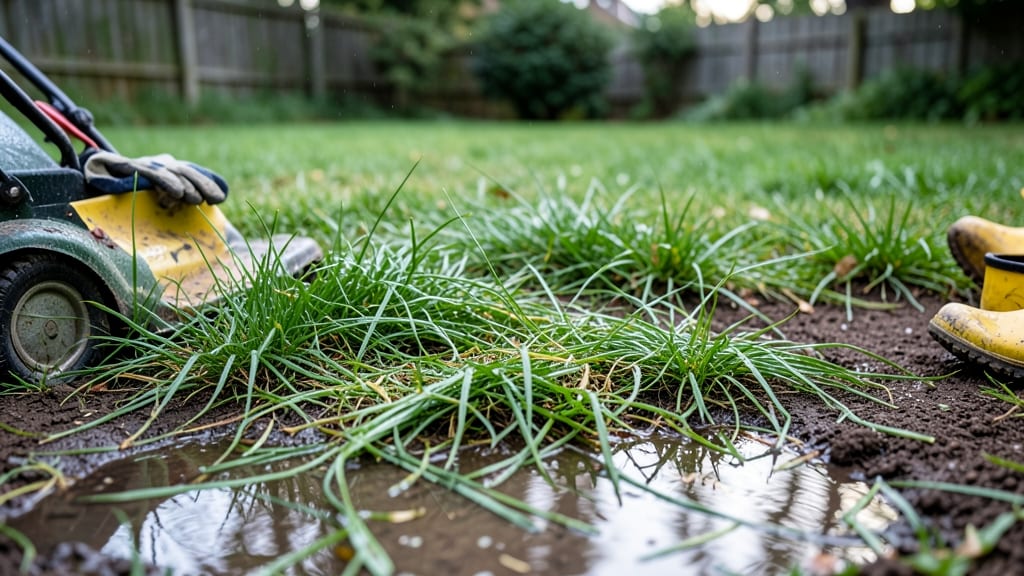
Waiting 24 hours after rain to mow your lawn saves you from clumps and uneven cuts. ✨ I’ve learned that rushing leads to clogged mowers and torn grass—both of which leave you with more work later.
The secret is patience: dry grass blades cut cleanly, while wet ones tear and clump together like wet paper. You’ll need a sharp mower blade (dull blades rip grass in any condition) and a clear day for the lawn to dry.
If you must mow sooner, raise the blade height to avoid scalping damp grass. The goal is to remove only one-third of the grass blade at a time, whether it’s wet or dry. By the time you finish, your lawn will look neat and even, not patchy or torn.
The grass will recover faster, too, since you’re not stressing it with aggressive cuts. This simple habit makes a huge difference in how healthy your lawn stays all season. For heavy rains, check the soil first—if it’s muddy, wait until it firms up.
Even a 24-hour wait pays off in a cleaner cut and less cleanup afterward. Trust the process, and your lawn will thank you.
📚 In This Guide
- What you need
- Instructions
- Tips and common mistakes
- Wrapping up and next steps
What you need
- ● Lawn mower – A sharp, well-maintained push or self-propelled mower (preferably with adjustable cutting height). Gas-powered mowers require extra caution in damp conditions.
- ● Safety gear: Closed-toe shoes or waterproof boots (no sandals!)
- ● Long pants or thick socks to protect against tall, wet grass and debris.
- ○ Gloves (optional but helpful for grip and blister prevention).
- ● Rake or leaf blower – A stiff-bristle rake (for clumps) or a leaf blower (to clear debris quickly).
- ● String trimmer/edger – For neat edges and tight spots where the mower can’t reach.
- ● Garden hose or sprinkler – To rinse off clumps or lightly dampen stubborn patches if needed.
- ● Lawn sweeper attachment – For automatically collecting clumps and grass clippings.
- ● Wheel spikes or chains – If your mower struggles with slippery terrain (attach to wheels for traction).
- ● Knee pads or a small stool – For comfort when adjusting the mower or raking.
- ● Lawn fertilizer or seed – If you plan to reseeding bare spots after mowing.
Step-by-Step guide for mowing lawns after rain
Here’s how to get the job done without turning your yard into a muddy mess.
🌱 Step 1: Wait Until Grass Is Fully Dry
Grass blades need time to dry out after rain—wait at least 24 hours before mowing. You’ll know it’s ready when the surface feels dry to the touch and leaves no damp imprint when stepped on. Cutting wet grass clumps the blades, smothers the lawn, and can tear your mower blades.
Check the forecast too. If more rain is expected within 48 hours, delay mowing until after the next dry spell. A freshly mowed lawn left wet overnight will develop that telltale spongy, uneven look—no one wants that.
💧 Step 2: Clear Debris and Loose Clumps
Before you start, walk through the yard and pick up any large clumps of mud or debris. Use a rake to break up stubborn clods and spread them out so they don’t clog your mower. Pay extra attention to low spots where water pools—these areas often leave behind thick, stubborn clumps that resist drying.
If you skipped the 24-hour wait, you’ll notice the mower struggling to cut through damp grass. The deck will fill with clippings faster, and the blades may even pull grass instead of cleanly cutting it. That’s your sign to stop, wait, and come back later.
✂️ Step 3: Adjust Mower Settings for Dry Conditions
Set your mower blade height to 1 inch higher than usual for the first cut after rain. This prevents scalping the lawn, which stresses grass and invites weeds. If your mower has a bagging option, use it to collect clumps—this keeps the yard cleaner and prevents thatch buildup.
Sharpen your blades before starting too. Dull blades tear grass instead of cutting it cleanly, leaving ragged edges that look unkempt. You’ll see the difference immediately: sharp blades produce fine, even clippings, while dull ones leave behind jagged, uneven cuts that invite disease.
☀️ Step 4: Mow in the Right Direction and Conditions
Mow when the sun is high—mid-morning or mid-afternoon—to avoid cutting wet dew in the early hours. Always change your mowing pattern (e.g., switch from side-to-side to up-and-down) to prevent soil compaction and encourage upright growth. You’ll notice grass stands taller and looks fuller when you vary directions seasonally.
Take your time moving the mower—don’t rush through damp patches. If you see the grass bending instead of cutting cleanly, stop and wait a few more hours. The goal is to leave the lawn looking fresh, not turn it into a muddy battlefield.
🪴 Step 5: Clean Up and Monitor for Recovery
After mowing, rake up any remaining clumps or debris left behind. This prevents thatch from smothering the grass and ensures sunlight reaches the soil. Water lightly if the ground feels dry to the touch—just enough to settle the soil without creating puddles.
Watch the lawn over the next few days. Healthy grass will bounce back quickly, turning a vibrant green within a week. If you see yellow patches or uneven growth, it’s a sign the grass was stressed—next time, wait even longer after rain before mowing.
Tips & tricks for perfect lawn care after rain
Here's what nobody tells you about keeping your lawn healthy after those post-rain cleanups.
Timing is Everything: That 24-hour wait in Step 1 isn't just about avoiding mud—it's about letting grass blades recover their natural resilience. After heavy rain, grass cells absorb excess water and become temporarily weakened. Waiting gives them time to firm up again. I learned this the hard way after mowing too soon and seeing brown patches appear within days.
Low Spot Strategy: The instructions mention paying attention to low spots where water pools, but here's the real secret: those areas need extra drying time. Walk your yard after rain and mark problem spots with flags or sticks. Come back in 48 hours specifically to check these areas first—they're often the last to dry completely.
Blade Maintenance Check: While the instructions mention sharpening blades, here's what nobody emphasizes: check your mower's air filter before post-rain mowing. Damp grass clippings clog filters faster than dry ones, and a clogged filter forces your engine to work harder. I've seen mowers stall mid-yard because of this—always give that filter a quick inspection before starting.
Recovery Monitoring: The instructions suggest watching for yellow patches, but here's how to read the signs: healthy grass should spring back to its original color within 3-5 days after proper mowing. If you see persistent yellowing or thinning, that's your cue to adjust your mowing height permanently—raise it another notch for that area. Your lawn is telling you it needs more recovery time.
Pro Tips for Lawn Mowing After Rain
- Here's what nobody tells you about keeping your lawn healthy after those post-rain cleanups.
- Timing is Everything: That 24-hour wait in Step 1 isn't just about avoiding mud—it's about letting grass blades recov...
- Low Spot Strategy: The instructions mention paying attention to low spots where water pools, but here's the real secr...
Frequently asked questions
about mowing your lawn after rain—because even the best-laid plans need a little troubleshooting! Here are answers to the most common questions to keep your yard looking sharp without the muddy mess.How long should I wait to mow after rain?
Wait at least 24 hours after a heavy rain to let the grass dry. Light showers? Check the top 1-2 inches of grass—if it’s damp but not sopping, you can mow. Always prioritize dry conditions to avoid clumps and uneven cuts.
What if I have to mow sooner than 24 hours?
If you’re in a hurry, mow when the grass is damp but not wet, and adjust your mower height to avoid tearing blades. Raise the deck slightly to prevent clumping. Just remember: rushing risks clumps, uneven cuts, and potential lawn damage. Patience pays off!
Why does my lawn mower keep clumping after rain?
Clumps happen when wet grass sticks together. To fix it:
- Use a sharp mower blade (dull blades tear grass instead of cutting cleanly).
- Mow in drier conditions—even slightly damp grass reduces clumping.
- Consider a mulching mower to break up clumps as you go.
Can I still mow if the grass is covered in dew?
Dew is less damaging than rain, but mowing too early can still cause clumps and uneven cuts. Wait until the dew evaporates (usually by mid-morning) for the best results. If you must mow, lower the mower deck slightly to minimize resistance.
What’s the best way to clean my mower after wet mowing?
Wet mowing leaves behind grass clippings and debris. After finishing:
- Empty the grass catcher and remove any clumps from the deck.
- Use a garden hose to rinse the underside and blades (avoid high pressure near bearings!).
- Wipe down the deck with a damp cloth to prevent rust.
- Check and tighten any loose parts before storing.
Wrapping up and next steps
Mowing your lawn after rain doesn’t have to be a guessing game—just wait 24 hours for the grass to dry, avoid clumps for a cleaner cut, and adjust your mower settings for the job. A little patience ensures a healthier lawn and less frustration for you! 🌱
Ready to tackle your post-rain mowing like a pro? Grab your tools, check the weather, and schedule that mow when conditions are just right. Your lawn will thank you—and so will your neighbors! ✂️